
Poco F9 Ultra: Two-minute review
Poco’s latest high-end phone, the Poco F9 Ultra, continues to show you don’t have to spend absolute top dollar to get the best performance — but a price increase over the previous-generation model is hard to ignore.
The F9 Ultra replaces the Poco F8 Ultra after less than a year, and with the same chipset and design, it doesn’t change too much at first glance. But look deeper, and this is a refined upgrade that boasts an enormous battery bringing multi-day power, a new 200MP main camera sensor, and some of the best speakers on any phone.
The whole package proves you don’t have to spend four figures to land a phone with top-of-the-line specs and performance. The base model with 12GB RAM and the Snapdragon 8 Elite Gen 5 chipset costs $799 / £899 — yes, that's a $70 / £150 increase over the starting price of the F8 Ultra, but Poco did explain to TechRadar that it believes this new price remains "competitive" for the level of specs on offer. And it has a point — there are only a handful of phones offering 12GB RAM and the Snapdragon 8 Elite Gen 5 chipset for less money (one of which is Poco's own F8 Ultra).
Latest Videos FromTechRadar
The F9 Ultra's massive 6.9-inch AMOLED display looks great and is capable of 185Hz refresh rates during compatible games. Gameplay is also boosted with the unusual addition of a Bose-tuned subwoofer on the back, plus you're getting dual speakers, which makes the F9 Ultra a top choice for hands-free calls and listening to podcasts without headphones (though I still can’t condone blasting music from it here are on principle).
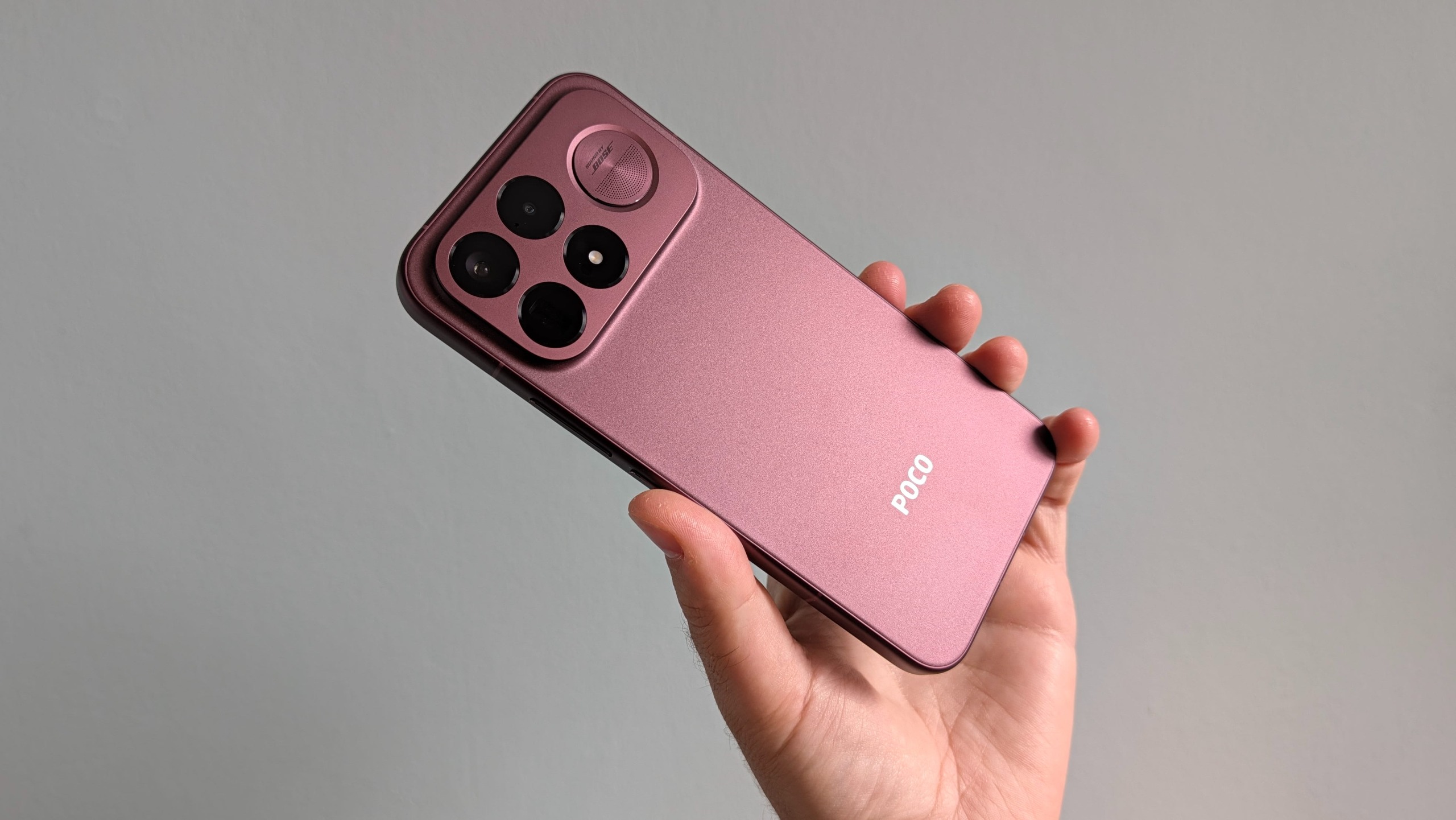
As mentioned, for those after the latest Snapdragon silicon for as little money as possible, the F9 Ultra is only undercut by Poco's own F8 Ultra, or indeed the Xiaomi 17, which launched for £899 but is currently on sale for £699. But the F9 Ultra still costs a whopping $500 / £380 less than the Samsung Galaxy S26 Ultra, and it wipes the floor with the pricier Google Pixel 11 Pro XL when it comes to gaming.
The cherry on top is a mammoth 8,050mAh battery, one of the biggest on a flagship device available in the UK at the time of writing (September 2026). It means the F9 Ultra can last for three days with moderate use, and I found it impossible to kill in a waking day.
And lastly, aside from a slightly stingy four years of Android updates, six years of security patches to see you through to 2032 is good to see on a phone as well-rounded as this.
Poco F9 Ultra review: Price and availability
- Starts at £899 / $799 / €1,099.99
- A $70 / £150 price increase on the F8 Ultra
- Not officially available in Australia
- Still competitive considering the specs
The Poco F9 Ultra starts at $799 / £749, though the US price varies depending on the seller (the phone is not officially available through US carriers, but $799 is Poco's official US price). Official UK availability is good to see, though £749 represents a £150 increase on the F8 Ultra’s £749 starting price, and at the time of writing, the older model is on sale for £649, which is an absolute steal.
But in being equipped with the Snapdragon 8 Elite Gen 5 chipset, the F9 Ultra undercuts the Galaxy S26 Ultra — the only S26 series phone in the UK to run a Qualcomm chipset — by an almighty £380, and it's much less than the £1,279 Pixel 11 Pro XL, too, whose Tensor G6 chipset can’t hold a candle to the Snapdragon 8 Elite Gen 5 in terms of performance.
In fact, at £899, the F9 Ultra is the same price as the Google Pixel 11, but it offers superior gaming chops, a more expansive display, and much better battery life. That's why, despite increasing the price, Poco believes the F9 Ultra remains "competitive" in today's market — and we're inclined to agree.
- Value Score 4 / 5
Poco F9 Ultra review: Specs
Here’s a look at the Poco F9 Ultra’s key specs:
Swipe to scroll horizontally
| Row 0 - Cell 0 | Poco F9 Ultra |
Dimensions: |
163.5 x 77.9 x 8.7mm |
Weight: |
235g |
Display: |
6.9-inch AMOLED |
Resolution: |
1200 x 2608 |
Refresh rate: |
185Hz |
Peak brightness: |
10,000 nits |
CPU: |
Qualcomm Snapdragon 8 Elite Gen 5 |
RAM: |
12GB/16GB |
Storage: |
256GB/512GB/1TB |
OS: |
HyperOS 3, based on Android 16 |
Main cameras: |
200MP main (f/1.7), 50MP ultra-wide (f/2.4), 50MP 5x telephoto (f/3.0) |
Selfie camera: |
32MP (f/2.2) |
Battery: |
8,050mAh |
Charging: |
100W wired, 50W wireless |
Colors: |
Dark Cherry, Black |
Poco F9 Ultra review: Design
Image 1 of 3

- Similar look to the iPhone 17 Pro
- Large but manageable device
- Sleek dark cherry colour replaces gaudy denim
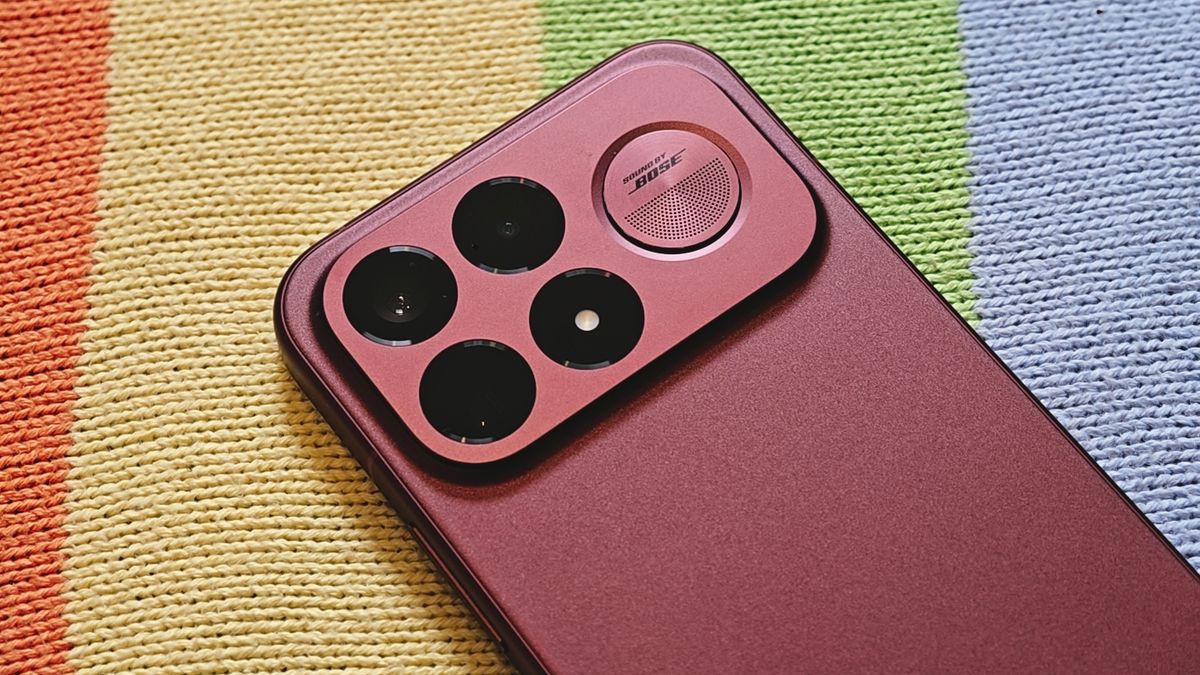
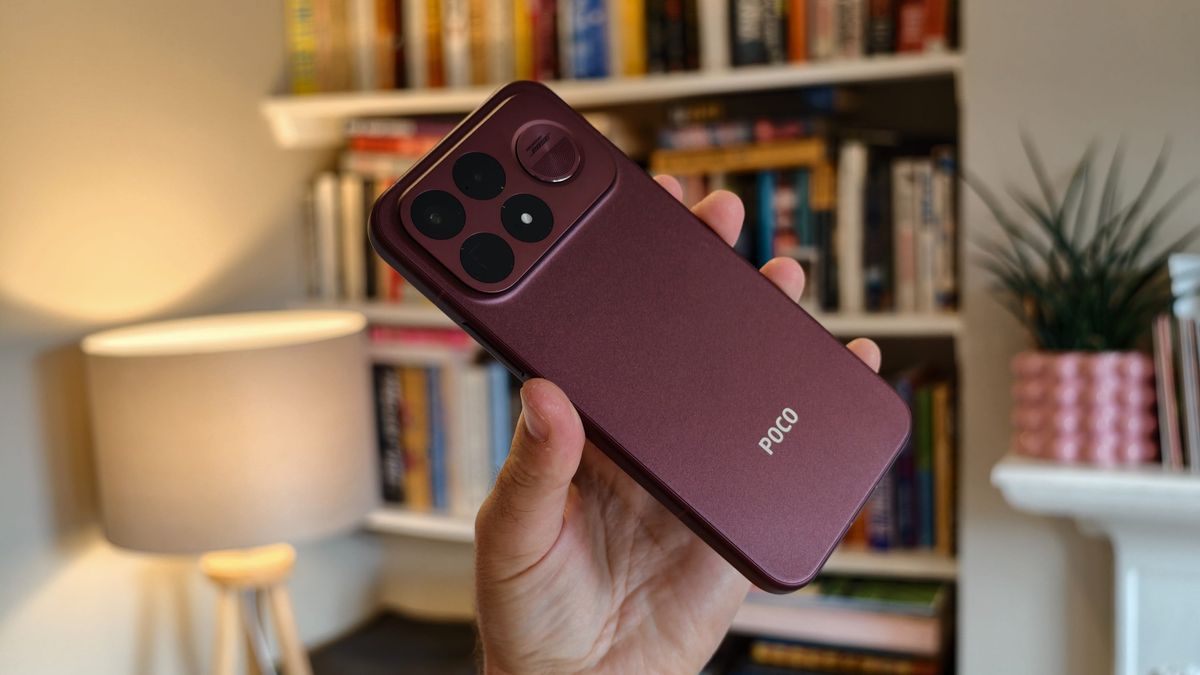
The Poco F9 Ultra I reviewed is the lovely Dark Cherry option, which I prefer over the F8 Ultra’s bold but gaudy Denim Blue. Despite being a very large phone, the F9 Ultra is very comfortable to hold thanks to subtly curved aluminum side rails and a ‘Glass Fibre’ composite rear, which should be more resilient than the glass found on most rival flagship devices.
There’s also a black model if you'd prefer a safer option, with a red power button for a pop of color. The Dark Cherry variant hardly shows any fingerprints on its matte surface, and the overall look of the F9 Ultra grew on me in the weeks I was testing it, despite its obvious similarities with the iPhone 17 Pro and indeed the F8 Ultra.
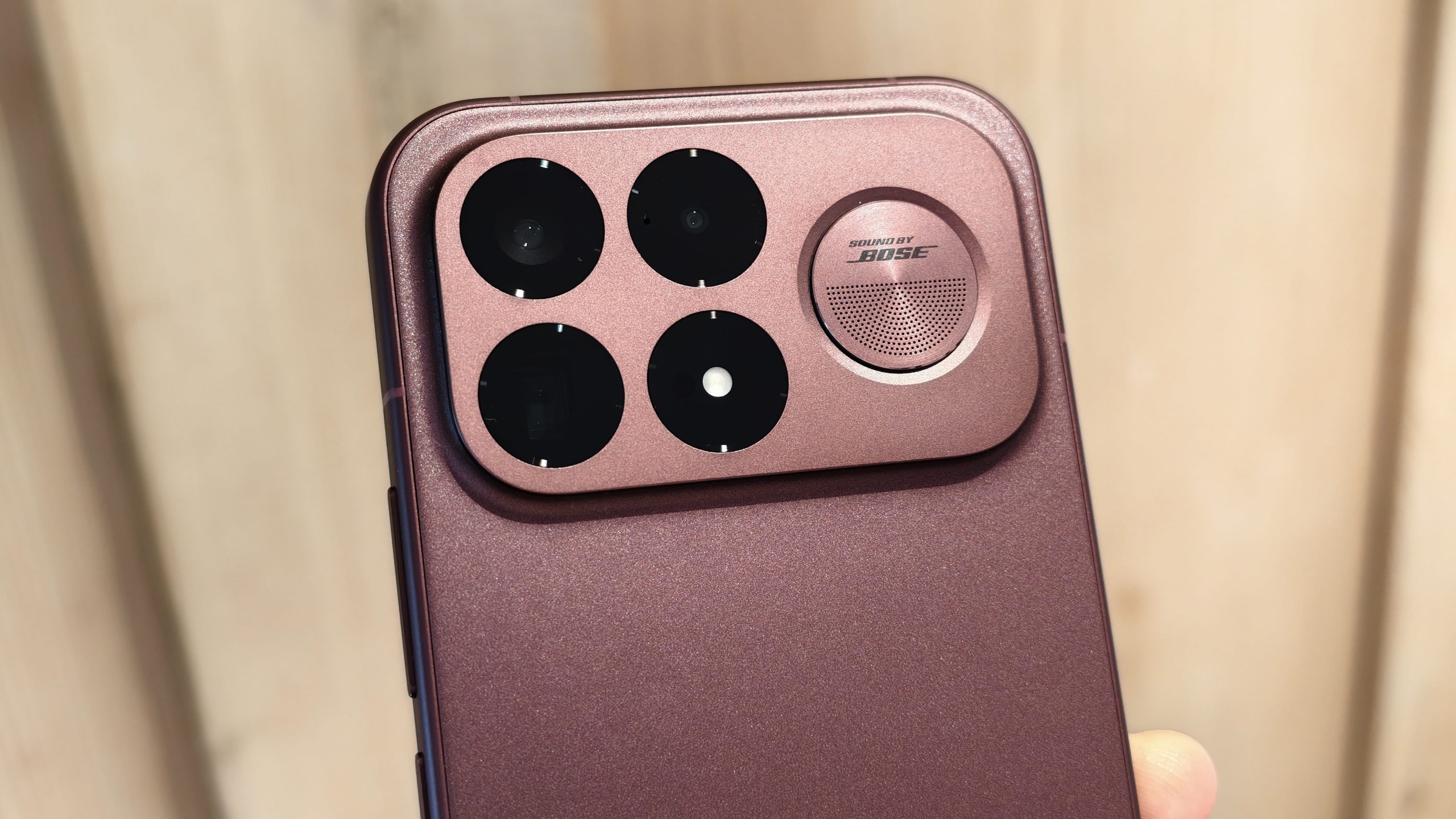
The phone's four-circle camera design alongside the Bose-branded subwoofer is different enough to me, and manages to look as simplistic as possible. The F9 Ultra also doesn’t rock and wobble when used face up on a table, which is a nice touch.
Save for the one-piece volume rocker above the power button on the right edge, there isn't much else to report besides a USB-C port and speaker grilles on the top and bottom. When all is said and done, this is quite a conservative design when it’s not clad in faux denim!
- Design score: 4 / 5
Poco F9 Ultra review: Display
- Large, bright 6.9-inch panel
- Up to 185Hz refresh rate in some games
- Punch-hole selfie camera
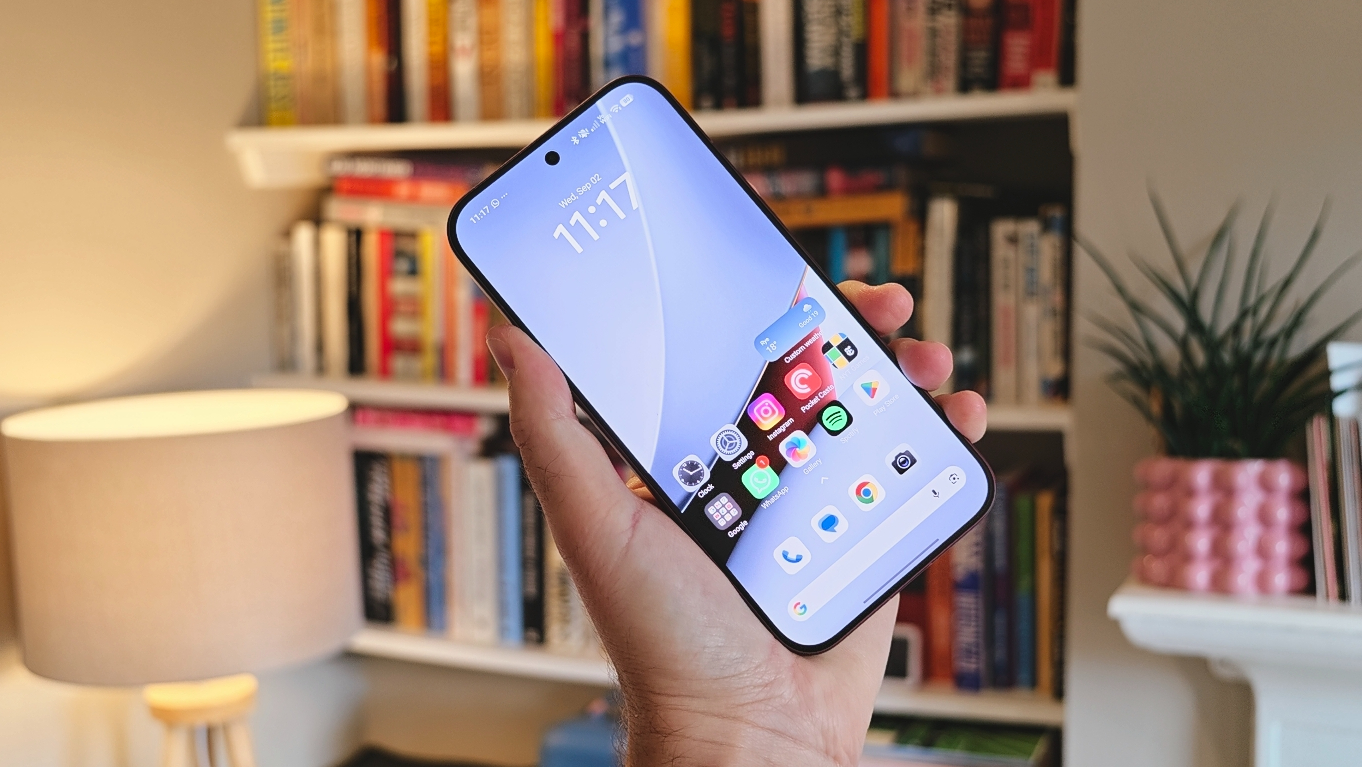
The Poco F9 Ultra’s display is excellent, with great brightness and clarity. It's a 6.9-inch 1200 x 2608 AMOLED panel that Poco claims has a peak brightness of 10,000 nits, much higher than rivals. However, it tames that claim by saying this 10,000-nit figure only applies to 1% of the display area, so a 4,500-nit “multi-scenario peak brightness” is the real figure here.
This is a good example of a brand obfuscating the real specs when it doesn’t need to. The F9 Ultra has a great screen, so Poco should lean into the actual numbers rather than fudging a fake one for marketing purposes. The display is very easy to read in bright sunlight, which is all you need to know.
Poco offers excellent granular control over display and color settings, a nod to the phone's gaming focus under the hood. You'll find ‘Original color PRO’ or ‘Vivid’ options in the settings app, which offer full custom control so you can find the right look for you. A dedicated hardware chip can even enhance video quality if you switch the ‘dual-core visuals’ toggle on. All this really does is smooth everything out, so I left it off.
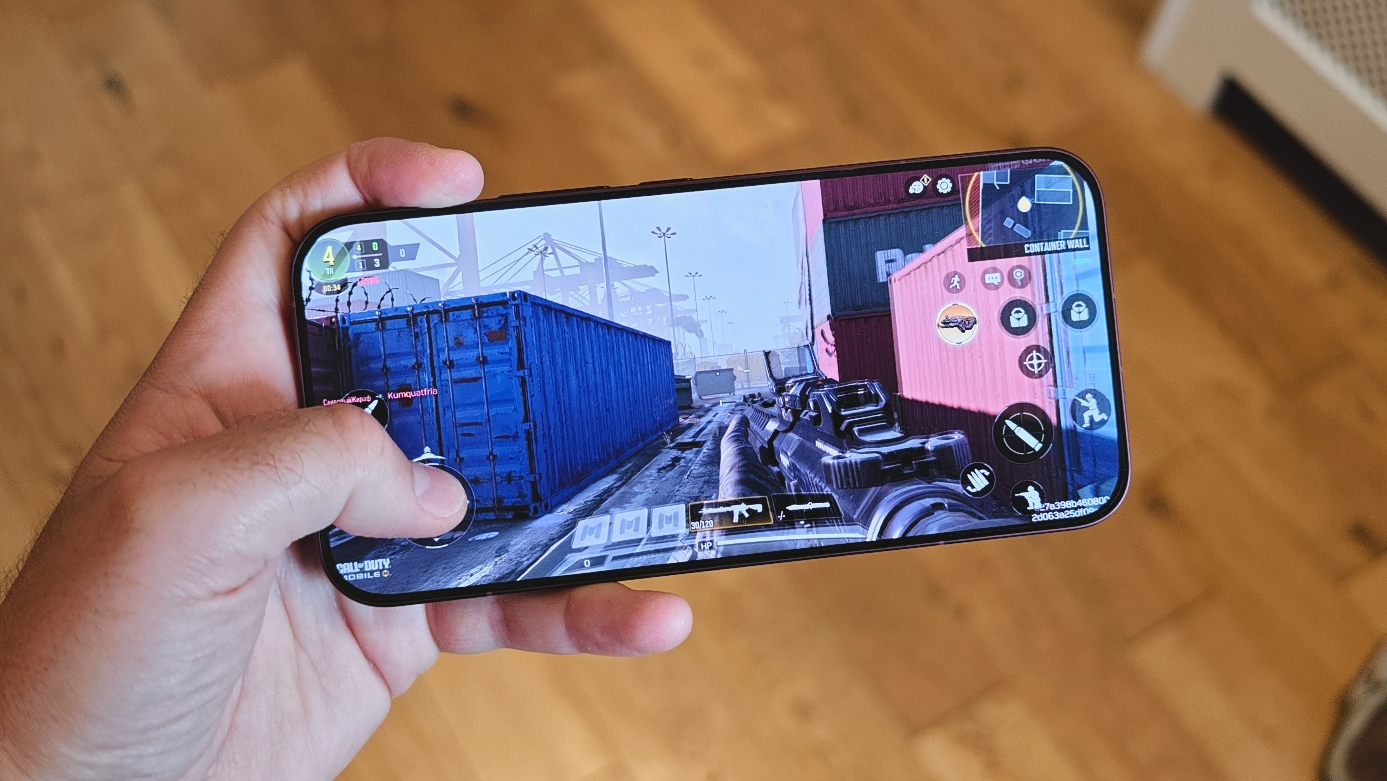
The display can refresh at up to 185Hz, which is the highest I have ever tested on a phone. Most modern OLED displays achieve 120Hz with a variable rate, and some gaming phones have pushed to 144Hz or 165Hz. At the time of writing, the F9 Ultra's 185Hz rate is only available in CrossFire: Legends and Blood Strike, but you'll still get 165Hz in titles like Call of Duty: Mobile and Bang Bang.
So again, what Poco should really say here is that the F9 Ultra has an excellent 120Hz display in most scenarios. That information is hard to come by in the review documents I was provided with, and most users, most of the time, will never see 185Hz unless they play the two aforementioned games daily.
I personally prefer the Pixel 11 Pro XL’s display, which I think handles white balance better and isn’t so blinding to look at, but it’s a close call, and the F9 Ultra certainly has one of the best displays for the price. It’s a great choice for a large screen and undercuts, say, the Galaxy S26 Plus by a significant margin, though the F9 Ultra's display has a slightly lower resolution.
With every conceivable display spec under the sun included here, such as HDR10+, Dolby Vision, and TÜV Rheinland certification for flicker-free viewing and blue light filtration, it’s hard to criticize the screen on this phone.
- Display score: 5 / 5
Poco F9 Ultra review: Cameras
- Strong 200MP main lens
- Very capable 5x telephoto
- Ultra-wide is not the best
Poco has equipped the F9 Ultra with a pleasingly capable trio of cameras, which is led by a 200MP main lens, an upgrade on the 50MP shooter on the F8 Ultra. Shots are binned down to 12.5MP by default, though 50MP and 200MP settings can be toggled on.
In the default mode, shots look excellent, offering most of the color and mood I personally like from Xiaomi phones such as the Xiaomi 17 Ultra and 17T Pro, though Poco does not have the same Leica partnership or photo filters here.
Apart from a few times where colors looked wildly oversaturated, I really liked the output from the F9 Ultra. It has an artistic, filmic quality that many phones abandon in 2026 in favor of sharpened, contrast-heavy looks. The main camera is better than that of the regular Galaxy S26, which retails for $899 / £879, $100 / £20 less than the Poco.
It’s great to see a 5x optical zoom lens here too, mirroring what you’ll find on the Xiaomi 17T Pro and beating the S26’s 3x optical lens handily. Images are crisp thanks to optical image stabilization (OIS), and shooting in portrait mode at 5x makes for some great street photography. The F9 Ultra is also a phone that’ll come in handy when you’re sitting up in row Z at your next Harry Styles concert thanks to digital zoom up to 100x, though things look patchy after 30x.
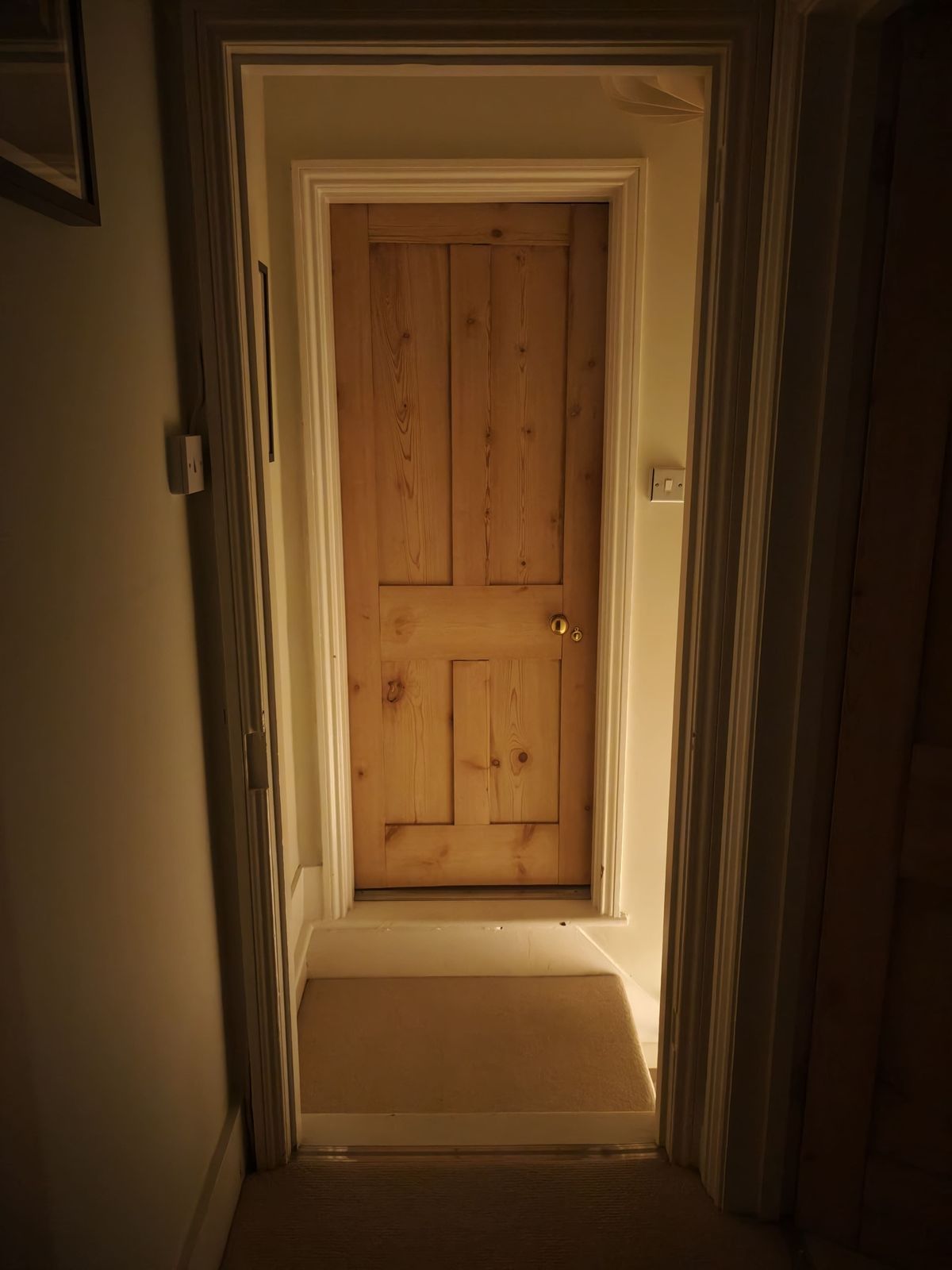
The 50MP ultra-wide lens is the weakest of the three cameras, but that’s usually the case on triple-lens phones. In broad daylight, images are very usable, but without OIS, the smaller sensor size shows its limitations in low light, with noise and grain.
The 32MP selfie shooter is solid for solo and group snaps, and works as you’d expect for video calls.
Speaking of video, the main lens can record at up to 4K at 60fps, or even 8K at 30fps. 4K 60fps is great to see, though the Snapdragon chipset here is probably capable of 4K 120fps, like you’ll find on the aforementioned Xiaomi 17 Ultra and the cheaper 17T Pro. This is a case of Poco limiting its hardware’s capabilities in software, which is a shame, even if most users won’t notice.
That said, the camera app is fully featured and well designed, with an accomplished Pro mode offering the ability to shoot in RAW for those who want to edit images later on their computer.
- Camera score: 4 / 5
Poco F9 Ultra review: Camera samples
Image 1 of 11











Image 1 of 5




Poco F9 Ultra review: Performance
- Snapdragon 8 Elite Gen 5 is still excellent
- Nothing slows this thing down
- Bose audio is fun but not a gamechanger
Performance is where Poco phones really shine, and the F9 Ultra is the most performant Poco phone yet. Its flagship-level specs include the Snapdragon 8 Elite Gen 5 chipset, though this is the same chipset as you'll find in the F8 Ultra. Poco explained this decision to us, so you can see if you agree with the firm's reasoning, but it does appear as though the launch of the F9 series was brought forward this year, because Poco has opted to not use the next-generation flagship Snapdragon chipset, which is usually unveiled in October.
The base $799 / £899 F9 Ultra comes with 12GB RAM and 256GB storage, though there are also 512GB and 1TB storage options available, each offering 16GB RAM. Poco sent me the latter for review, which retails for £1,199 — notably less than the 12GB/256GB Galaxy S26 Ultra, which is £1,279. So, despite some price rises, Poco is still delivering value here for those after the very best specs for the money.
Performance follows, too. I could not get the F9 Ultra to stutter, even when playing Genshin Impact with the settings maxed out — the Pixel 11 Pro XL, by contrast, can’t even load the game.
The impressive thing about the F9 Ultra is its sustained performance under load. Where rival phones can stutter after half an hour or so on Call of Duty: Mobile, the Poco soldiers on (pun intended) without breaking a sweat. The phone didn't overheat once during my time testing it, presumably thanks to the built-in cooling system that Poco says reduces strain on the CPU.
Audio is great thanks to two stereo speakers and the addition of a subwoofer next to the cameras. This is tuned by Bose thanks to a partnership, and promises deeper bass and a wider soundstage. Compared to the Pixel 11 Pro XL and Samsung Galaxy S26 Plus, the Poco F9 Ultra sounds much fuller when playing music out loud or listening to gaming audio, though I don’t think this is a reason to buy the phone. The Bose partnership improves audio slightly, but you will still want headphones connected via Bluetooth for most things.
Now that you can no longer buy the identically priced OnePlus 15 in the US or UK (RIP), the F9 Ultra would have been your best bet for Snapdragon 8 Elite Gen 5-level power, but the previous-gen F8 Ultra offers incredibly similar performance and is available at the time of publication for £649.
- Performance score: 5 / 5
Poco F9 Ultra review: Software
- HyperOS 3 based on Android 16 at launch
- Some AI tools require account sign in
- Four years of Android updates, six of security
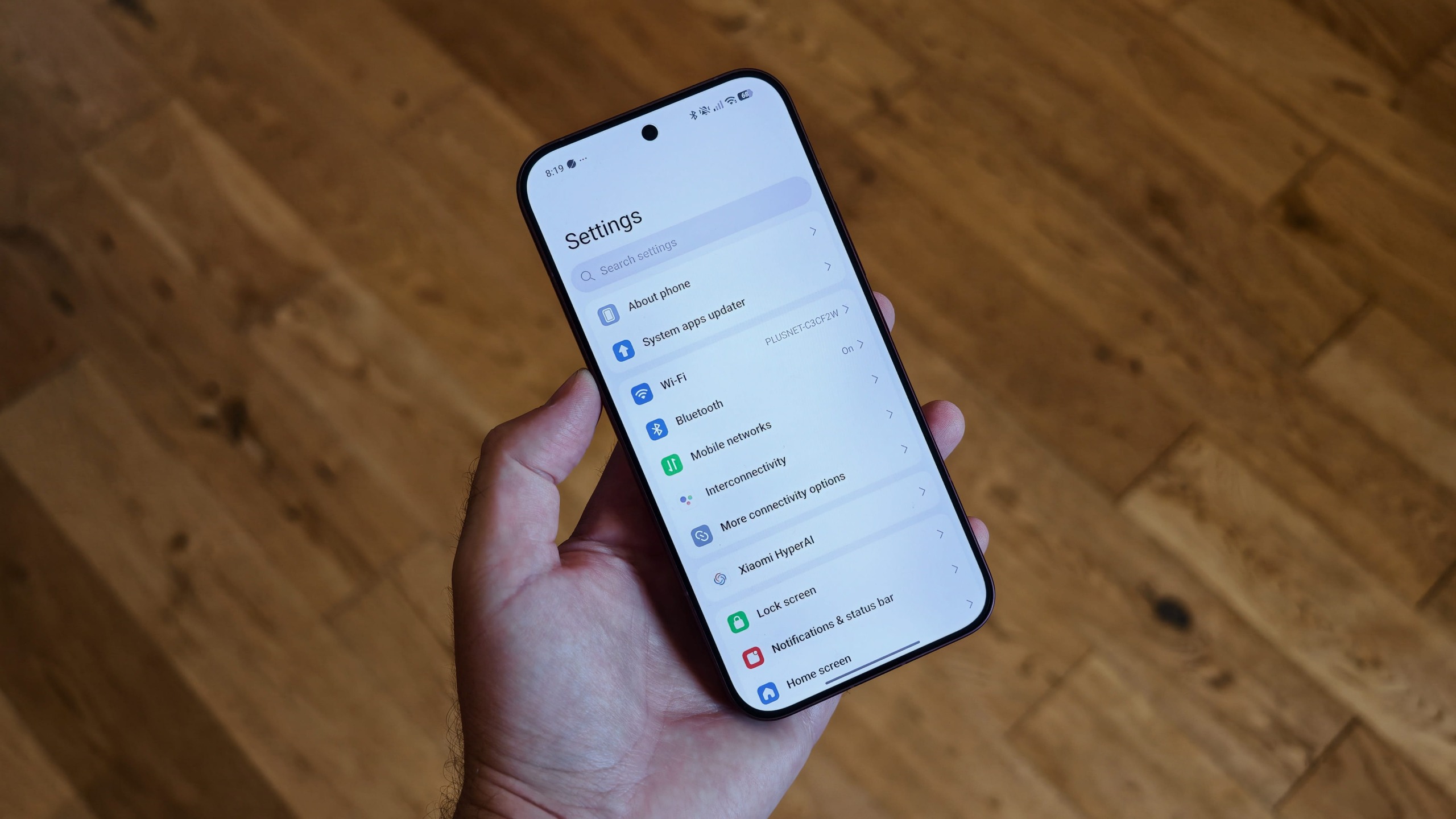
The F9 Ultra gets Xiaomi’s HyperOS 3 Android skin, which at launch is based on Android 16, rather than the latest version, 17. Poco says the phone will get four platform updates, presumably to Android 20, and six years of security updates to keep buyers going until 2032.
HyperOS changes the look of Android to feel a little more like the iPhone’s iOS, but that’s no bad thing as it is perfectly functional, if a little cluttered at times. It’s a shame to see bloatware installed on a phone of this price, with AliExpress, Amazon Music, TikTok, and a few others pre-installed, but they can all be removed.
Going the way of iOS, notifications are a swipe from the left while quick settings are from the right. After I’d wrangled the software a bit during setup, I got it looking cleaner with more icons per row and fewer folders full of apps that are initially presented.
What is thankfully not shoved in your face is AI, even though there is a lot of it on board. There’s a whole section in the settings app called Xiaomi HyperAI, which directs you to Google’s built-in Gemini platform, as well as Xiaomi’s own branded AI tools.
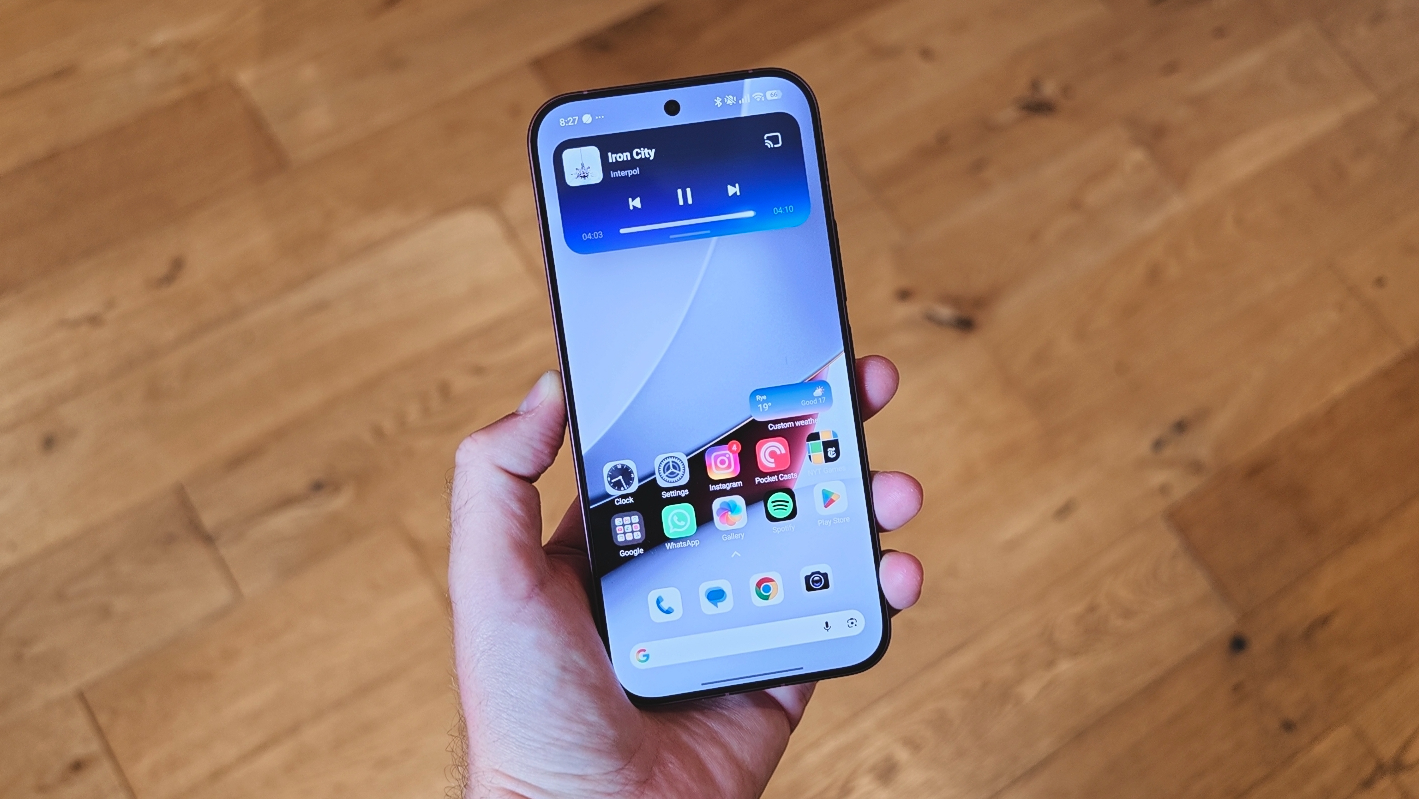
AI Dynamic Wallpapers, AI Writing to generate text, AI Speech Recognition to transcribe audio, AI subtitles for videos — AI everything! In the Gallery app, there are some capable AI editing tools, including a beautify mode that works well. But others, such as an Ultra HD toggle or an Expand feature to generate images, require you to sign in to a Xiaomi account within the settings app.
HyperOS is visually quite different to Google’s Android flavor on the Pixel or the now-barely-seen ‘stock’ Android look, but I’ve warmed to it in recent months. It’s perfectly functional, and mercifully lets you swipe down on notifications to expand them, unlike on fellow Xiaomi stablemate Redmi’s phones.
The software is also very responsive on this hardware. Menus flow, and apps open instantly. I saw and felt no difference between the F9 Ultra and other, more expensive Android flagship phones. It feels faster than Samsung’s S26 series in many ways, though that could be down to Samsung’s slower default animations.
- Software score: 4 / 5
Poco F9 Ultra review: Battery
- Two- to three-day battery life
- 100W fast charging but no charger in UK box
- 50W wireless and 27W reverse wired charging
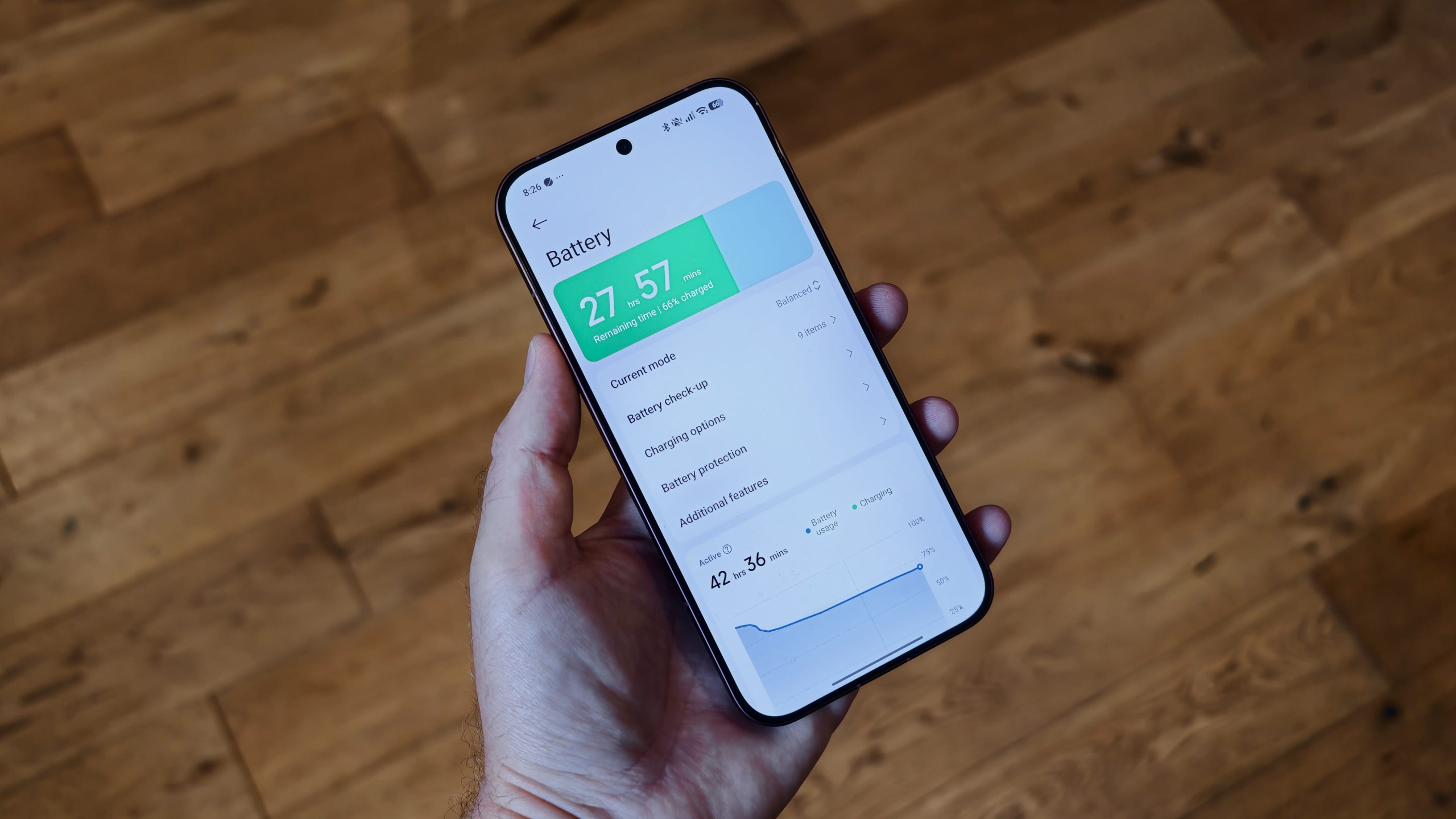
The F9 Ultra has a whopping 8,050mAh silicon-carbon battery. This new tech means phone makers can put higher-density batteries in phones than they could with lithium-ion, resulting in devices of the same physical thickness that last for much longer. Using the F9 Ultra as my main phone for more than a week, I consistently got two days of use out of it, sometimes stretching into a third day’s morning.
That’s seriously good longevity, made even more impressive by the phone’s flagship specs. It’s capable of 100W wired charging, but there is frustratingly no charger in the box for UK buyers. I tested the charging speed of the F9 Ultra using a Vivo 100W charging brick with the ‘Top Speed’ charging setting turned on.
The phone went from dead to 100% in 95 minutes, which is impressive for a battery of this size, and it got to 27% in 15 minutes. You’ll have to fork out for a compatible fast charger, which is a little galling when you’re laying down at least $799 / £899.
The phone also has 50W wireless charging — faster than the S26 Ultra can do via a wired connection (45W) — and can even be used as a power bank for other devices thanks to 27W wired reverse charging and 22.5W reverse wireless charging.
A few phones on the market go for longer, like the Redmi Note 17 Pro Max, but the Poco F9 Ultra gets top marks here for stonking battery life paired with top-tier specs.
Here are the phone's charging speed results broken down:
- In 15 minutes: 27%
- In 30 minutes: 46%
- 0-50%: 33 minutes
- 0-100%: 95 minutes
- Battery score: 5 / 5
Should you buy the Poco F9 Ultra?
Swipe to scroll horizontally
Attributes |
Notes |
Rating |
Value |
The Poco F9 Ultra offers top specs for a lower price than many of its competitors, but the F8 Ultra has the same chip for less. |
4/5 |
Design |
While a refinement on the F8 Ultra, the design is sleek and is as manageable to hold as large phones get. |
4/5 |
Display |
A superlative 185Hz display that usually tops out at 120Hz, save for some games. Great peak brightness and extensive customization options. |
5/5 |
Software |
HyperOS 3 is a mature and easy to use software skin, though launching on the older Android 16 stings. AI stays out the way if you want it to, which is a win. |
4/5 |
Cameras |
Very capable triple cameras led by a 200MP main sensor are a year-over-year upgrade, though they rank a tier below the very best on the market. Still excellent in this price range, though. |
4/5 |
Performance |
Incredible performance thanks to Snapdragon 8 Elite Gen 5 and up to 16GB RAM. Sustained performance under load is notably great thanks to strong thermal management. An exemplary gaming phone. |
5/5 |
Battery |
Some of the best battery life on a phone with flagship specs thanks to enormous silicon-carbon cell and fast charging, though no charger in the box (in the UK). |
5/5 |
Buy it if...
You want the best battery life on a flagship phone
Two days of battery life with a Snapdragon 8 Elite Gen 5 phone is possible with this phone; you may even get three days with careful use. This is the best you can get in the UK with these specs.
You want top gaming performance
No game can bring this thing down. If you fire up triple-A mobile games every day, the F9 Ultra should be at the top of your shopping list.
You want a great, large display
There aren’t many better displays on a smartphone. It’s best suited to mobile gamers, but the 6.9-inch size is strangely manageable thanks to good handset design.
Don't buy it if...
You want to spend as little as possible on these specs
Poco sells a very similar product for less in the F8 Ultra, which is still on sale.
You want the best cameras in this price range
While very capable, you can get better cameras on the Xiaomi 17T Pro for less.
Poco F9 Ultra review: Also consider
The Poco F9 Ultra is a strong phone in its price range, but there are a couple of similarly priced options worth considering alongside it:
Xiaomi 17T Pro
This phone has very similar specs to the Poco and costs £100 less. It lacks the Snapdragon chip, but has better-tuned cameras and longer software support.
Read our full Xiaomi 17T Pro review
Oppo Find X9 Pro
A phone with noticeably better cameras and very comparable performance is on sale at the time of writing for £899, the same price as the F9 Ultra.
Read our full Oppo Find X9 Pro review
Swipe to scroll horizontally
Price: |
$799 / £899 |
£799 |
£1,099 (£899 on sale) |
Display: |
6.9-inch OLED |
6.83-inch OLED |
6.82-inch OLED |
Cameras: |
200MP main; 50MP ultra-wide; 50MP 5x telephoto |
50MP main; 12MP ultra-wide; 50MP 5x telephoto |
200MP main; 50MP ultra-wide; 200MP 3x telephoto; 50MP 10x telephoto |
Chipset: |
Qualcomm Snapdragon 8 Elite Gen 5 |
MediaTek Dimensity 9500 |
Qualcomm Snapdragon 8 Elite Gen 5 |
Battery: |
8,050mAh |
7,000mAh |
7,050mAh |
How I tested the Poco F9 Ultra
- Review test period: Two weeks
- Testing included: Everyday use with messaging, web browsing, social media, photography, video calling, gaming, streaming video, music streaming
- Tools used: Geekbench 6, 3DMark
Why you can trust TechRadar
☑️ 100s of smartphones reviewed
☑️ 15 years of product testing
☑️ Over 16,000 products reviewed in total
☑️ Nearly 200,000 hours testing tech
I tested the Poco F9 Ultra over the course of two weeks, using it as my main phone with my main SIM card for a week, and as a secondary phone on other days. I used it to make calls, send WhatsApp messages, take video calls, play mobile games, stream podcasts and music, and take scores of photos.
I tested the performance of the phone’s display, chipset, cameras, and battery life for this review, comparing results with Poco’s claims as well as my decade of experience reviewing Android smartphones professionally. I’ve used many of the most recent Android flagship devices the F9 Ultra is gunning for.
I also ran benchmark tests using the Geekbench 6 and 3DMark apps to qualify my performance assessments of the phone.
Read more about how we test here.
- First tested September 2026





 English (US) ·