
Sachtler Ace M MS Mk II: two-minute review
Many years ago I worked in a camera store, and a regular topic of conversation was how to make tripods sound exciting to customers.
Every so often, however, a tripod comes along that truly defines what every content creator should aspire to own in a camera support. These are the models that usually make it onto our list of the best tripods guide.
Some tripods, like the fabulous Manfrotto One hybrid photo and video tripod, hit the headlines due to their mainstream appeal, while others quietly fill a gap in the market for specific uses and a tightly-targeted customer base, and the Sachtler Ace M MS Mk II is one such model.
Before diving into what makes this set of legs the best for shooting video, it’s important to understand how a video-centric tripod differs in its features compared to one made solely for stills photography.
Unsurprisingly, a photo tripod is all about providing the ultimate stability for sharpness in a single frame. You need these models to allow you to precisely place the camera for a stationary composition. With a video tripod, meanwhile, you need the freedom to move the camera during a shot, to create a cinematic pan that follows the subject.
You need to keep the target in the frame as it moves through the scene, while maintaining smooth, fluid movement that isn’t jerky or rife with distracting micro-vibrations. If you're shooting with one of the best 4K cameras or best cameras for professional filmmaking, you want to ensure the quality of your footage isn't let down by your tripod.
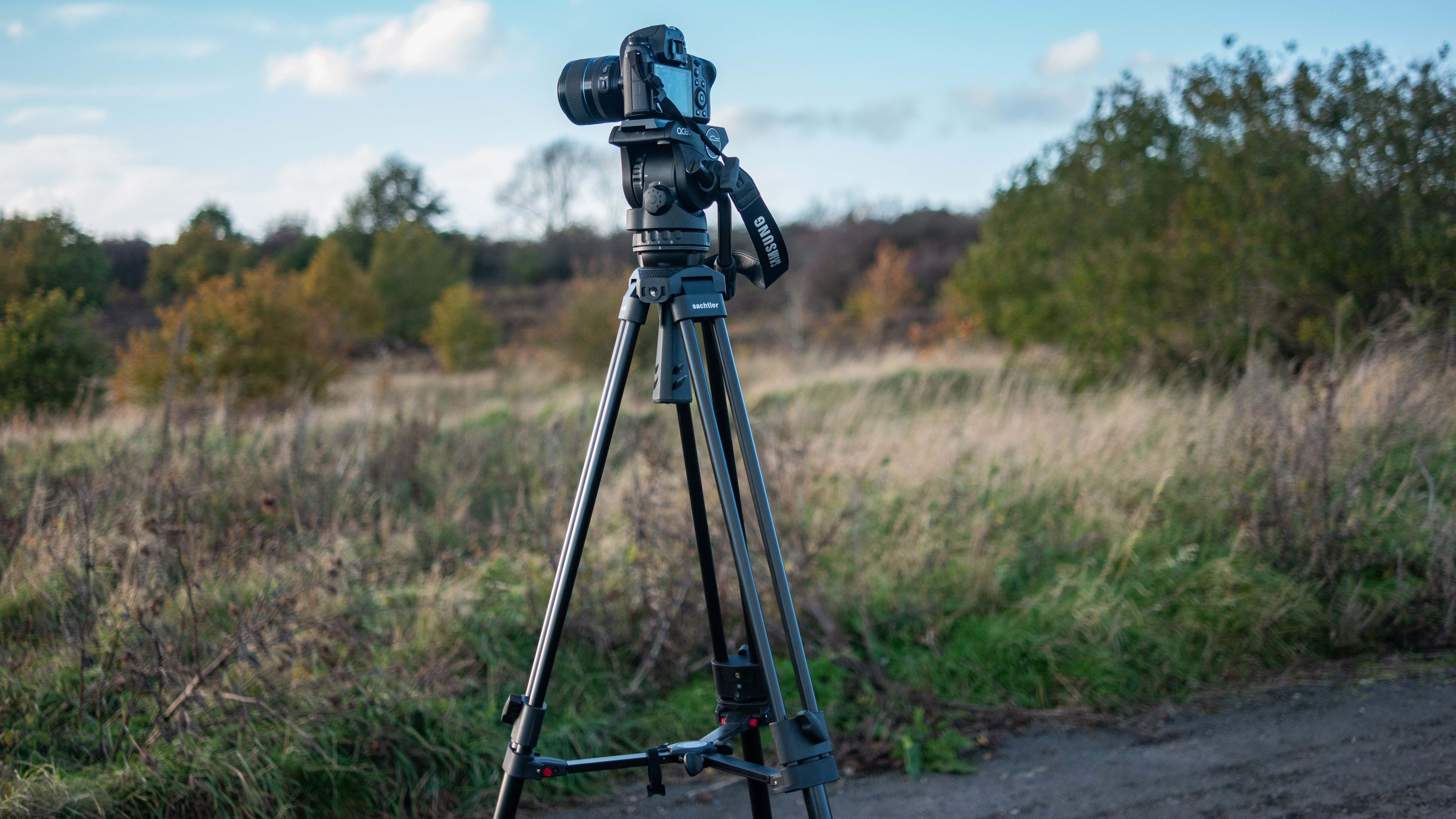
Video models also have a greater provision of accessory attachment points, which allow the user to add audio and lighting equipment, a larger external monitor or teleprompter, for example. The Sachtler Ace M MS Mk II has three 3/8-inch accessory mounting points arranged around the tripod bowl, which not only enables multiple accessories to be added to your system but also allows you to select a position for the optimal balance of the setup.
Speaking of stability and balance, the Ace M MS Mk II features a mid-level spreader to prevent leg creep under the weight of a heavier cine camera system and to ensure that all of the legs are properly spaced. The camera level changing between shots is a pain for photographers, but a potential disaster if it happens mid-video clip. The unit on the Ace M MS Mk II is sturdily constructed, and easily removed when it’s not required.
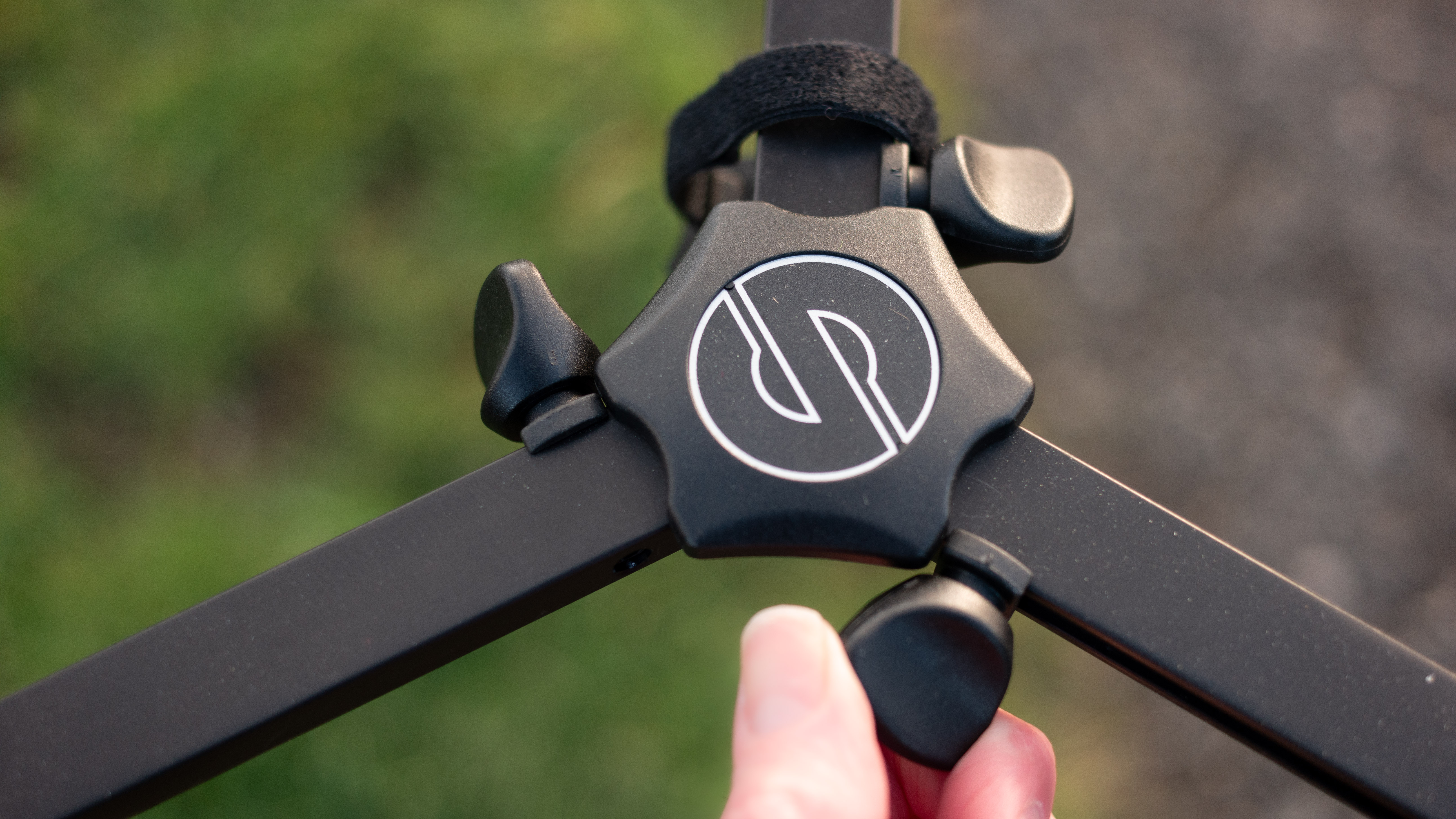
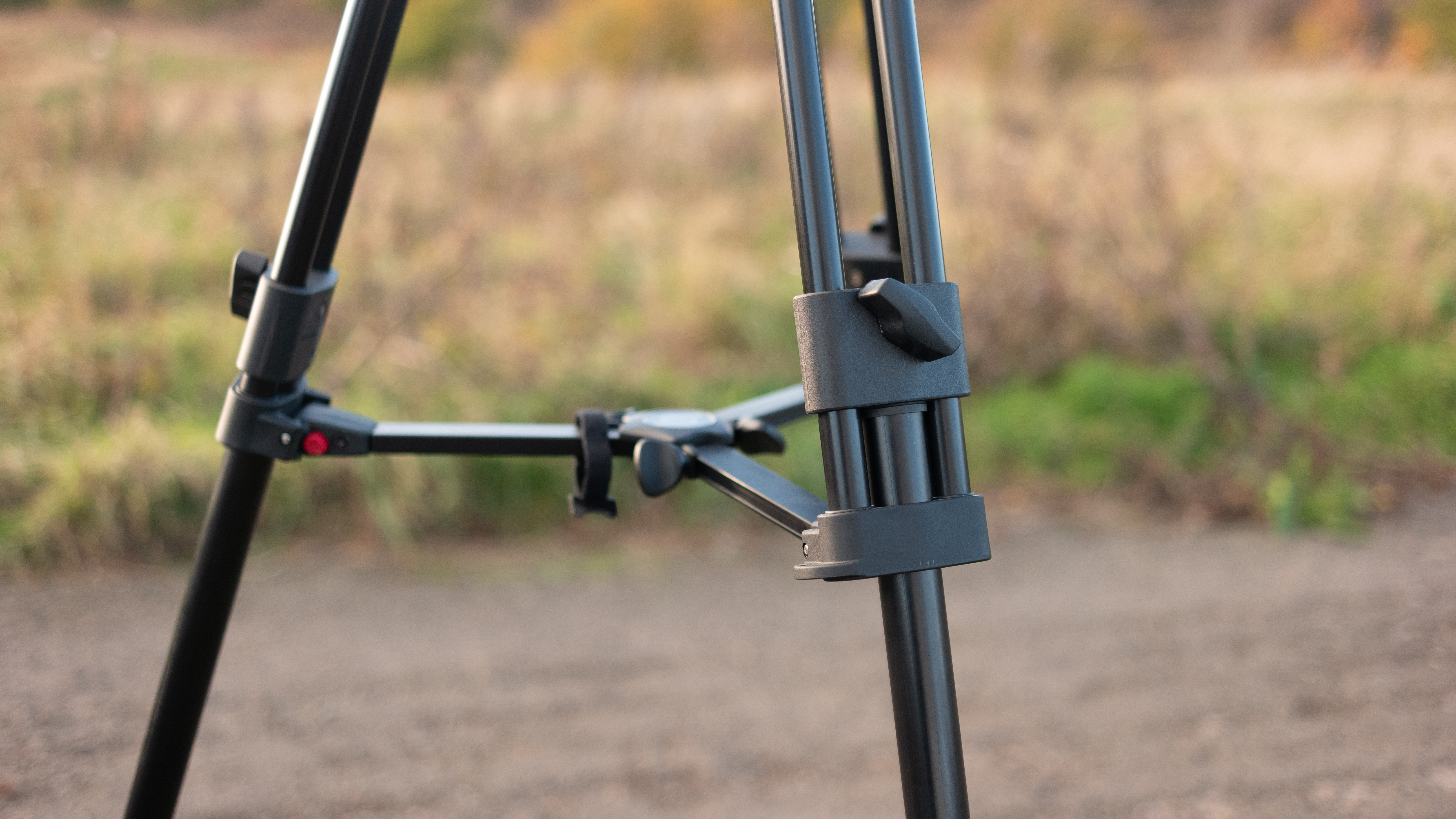
I’ve always preferred a mid-level type, rather than ground-level, which might provide good stability in a studio setting but quickly becomes an obstruction and speed killer when on location. It’s ideal that such a spreader is removable, giving users the stability needed for high payloads, but the flexibility to spread the tripod and capture lower-level shots.
The Ace M MS Mk II an aluminum tripod, rather than carbon fiber, and with an aluminum design there is always going to be a weight penalty. None of Sachtler’s tripods could be described as lightweight, but this is not uncommon for video models; indeed, it’s necessary to provide the proper support for the larger gear they will be paired with.
Yet at 4.4kg, the Ace M MS Mk II is still highly manageable compared to other professional video products. The Manfrotto MVH502A, for example, weighs in at 11.7lbs / 5.3kg while supporting up to a 22lbs / 10kg payload. Meanwhile, the Sirui BCT-3203 matches the Sachtler’s weight exactly despite being made from carbon fiber.
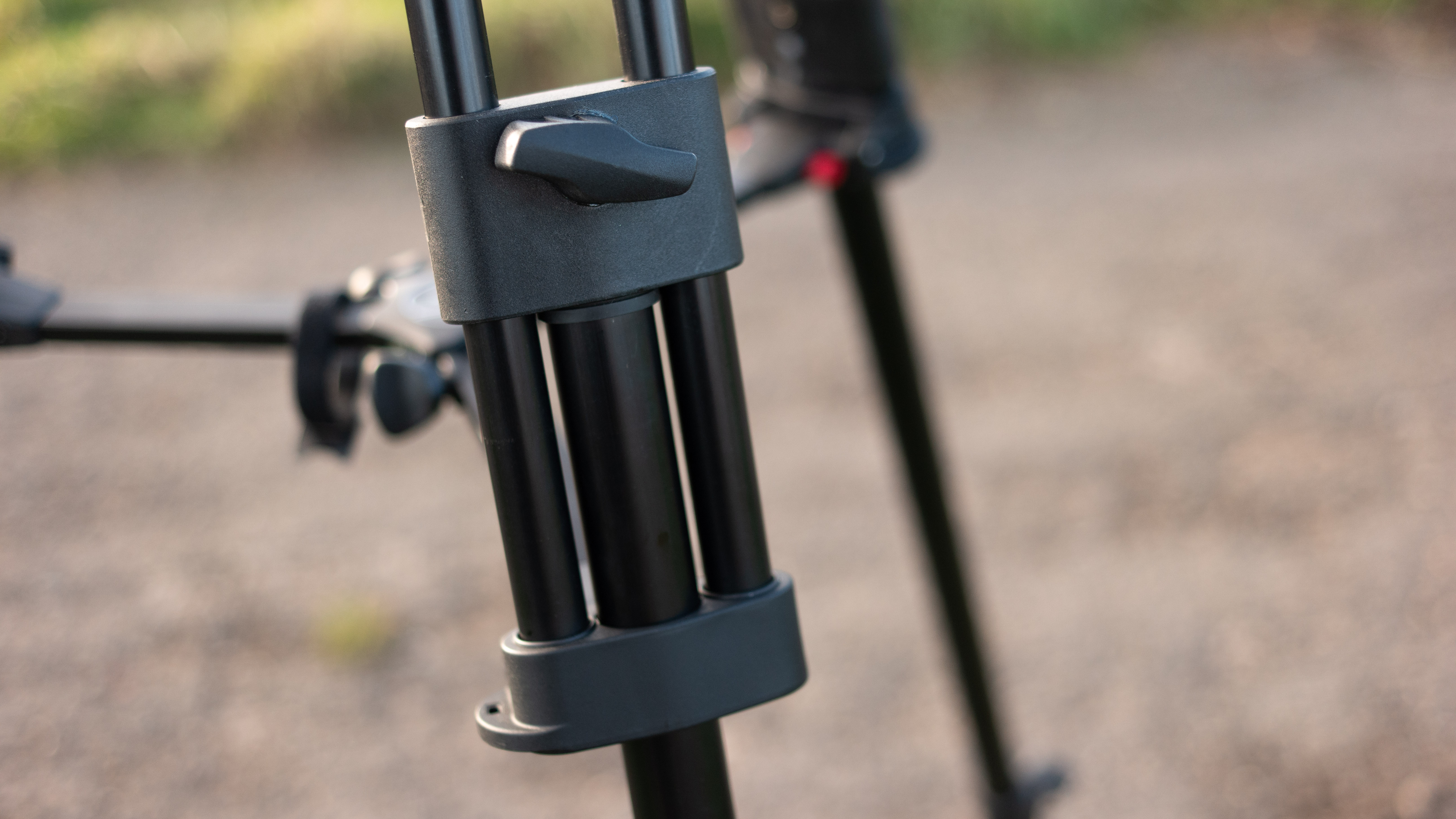
Build quality is impressive throughout, from the aluminum tubes of the legs themselves to the high-impact plastic of the control points and bowl surrounds. All of the materials are solid to the touch, notably the plastic components, which have very little give when depressed. All threads and screws are precisely milled, and didn’t exhibit any sticking or slipping when operated during testing.
I liked that there didn’t seem to be many potential points for moisture and dirt ingress. Unlike the common stacked multi-segment leg design seen in many photo tripods, where one section collapses into the other, possibly taking contaminants with it that can cause seizing over time, most moving components are external and can be accessed on the Ace M MS Mk II. This makes cleaning and maintenance easier, and less likely to be neglected post-shoot.
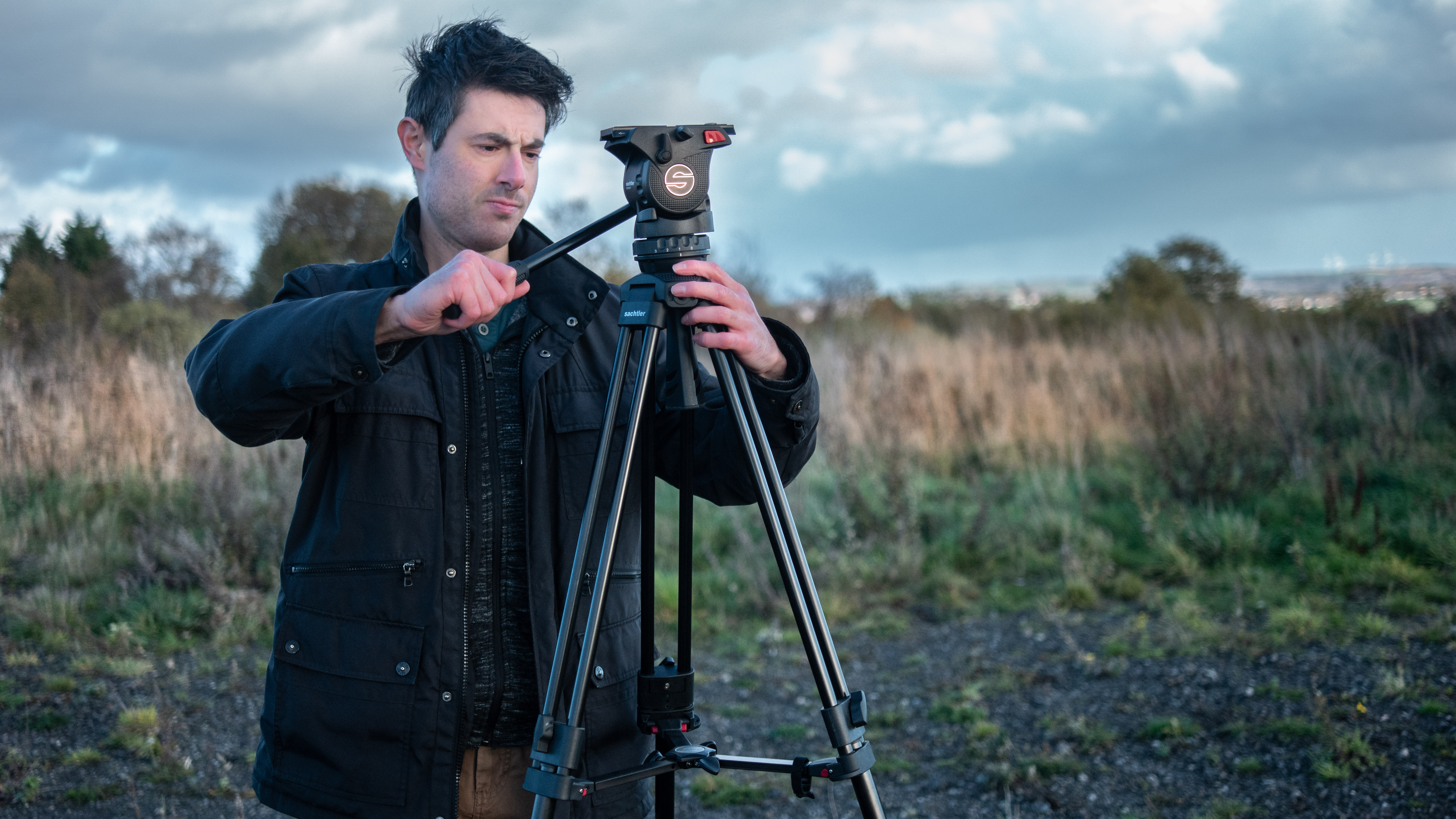
Functionality is also excellent. The many dials, knobs, and locks take some familiarization when you first use the tripod, but every control is smooth and logically placed. The friction controls for both head pitch and pan movements are exceptionally effective, allowing fluid motion in dynamic footage. Meanwhile, when locked, static clips were sharp and generally vibration-free, at least in moderately still air.
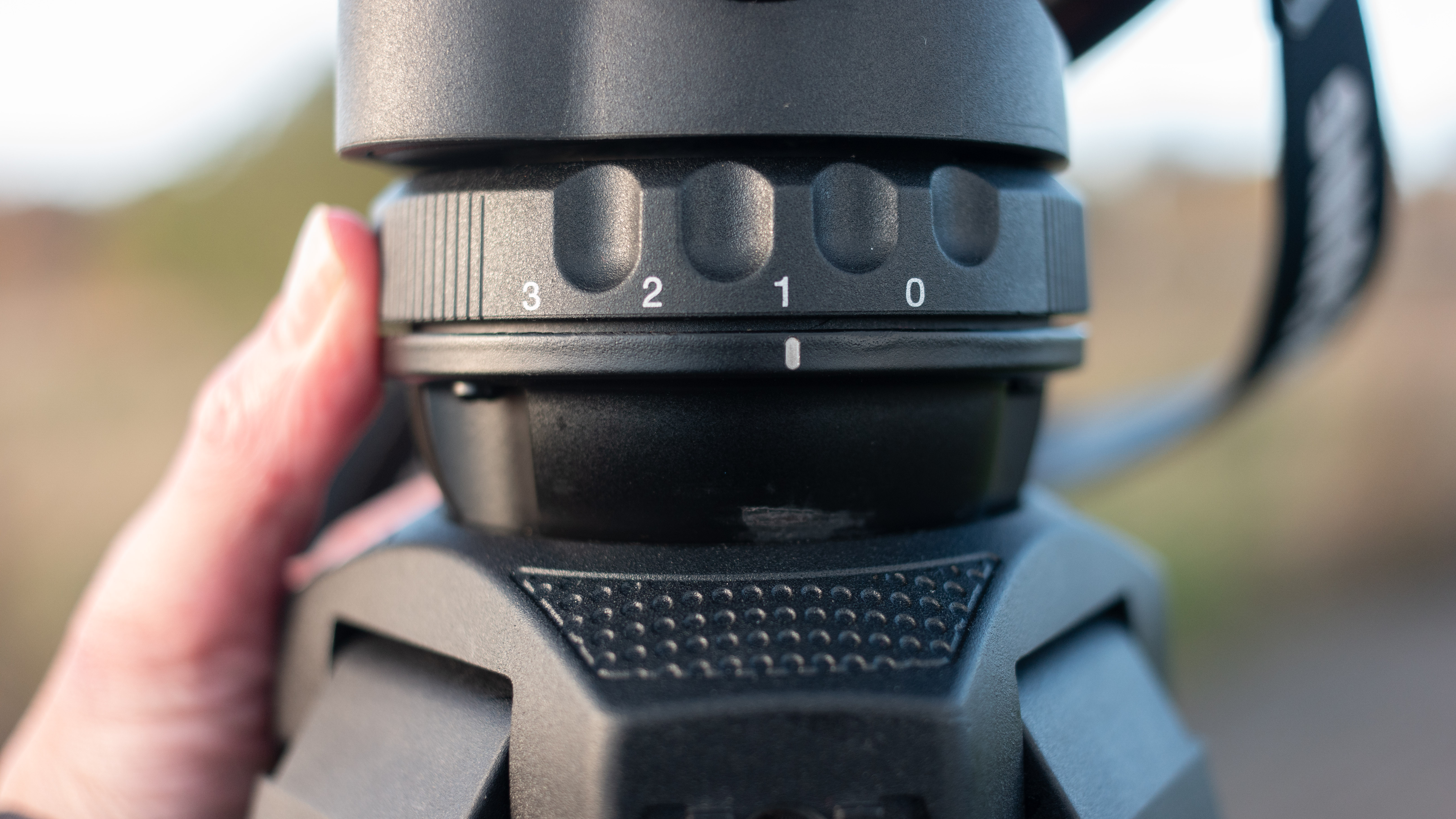
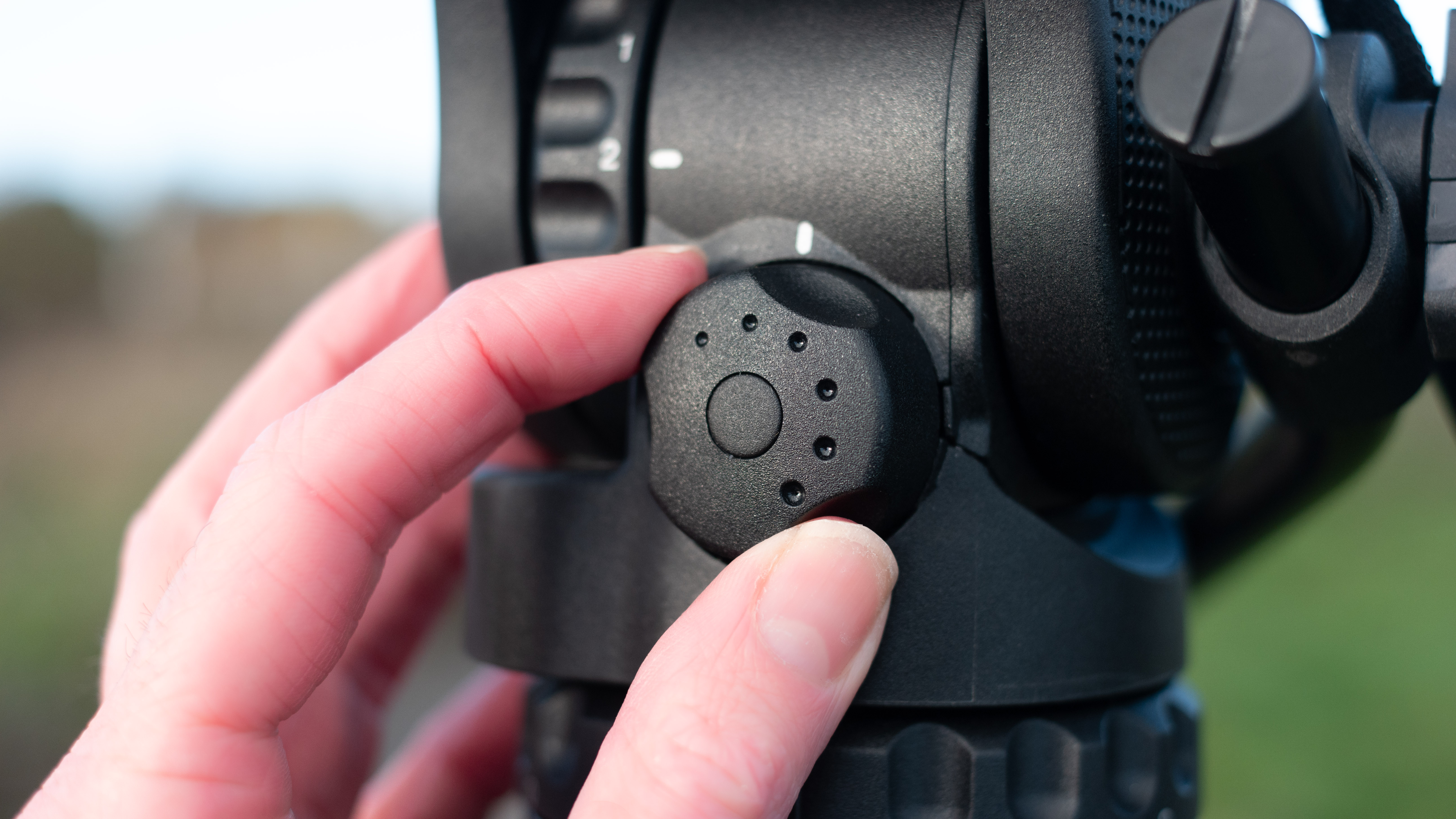
The less rigid microstructure of carbon fiber means it has fewer resonant properties, so it transmits less vibration to the tripod head. Despite this, the overall weight of the aluminum Sachtler Ace M MS Mk II made it more resistant to wind buffeting than my Gitzo carbon tripod, and I was able to capture sharper images once the wind speed increased.
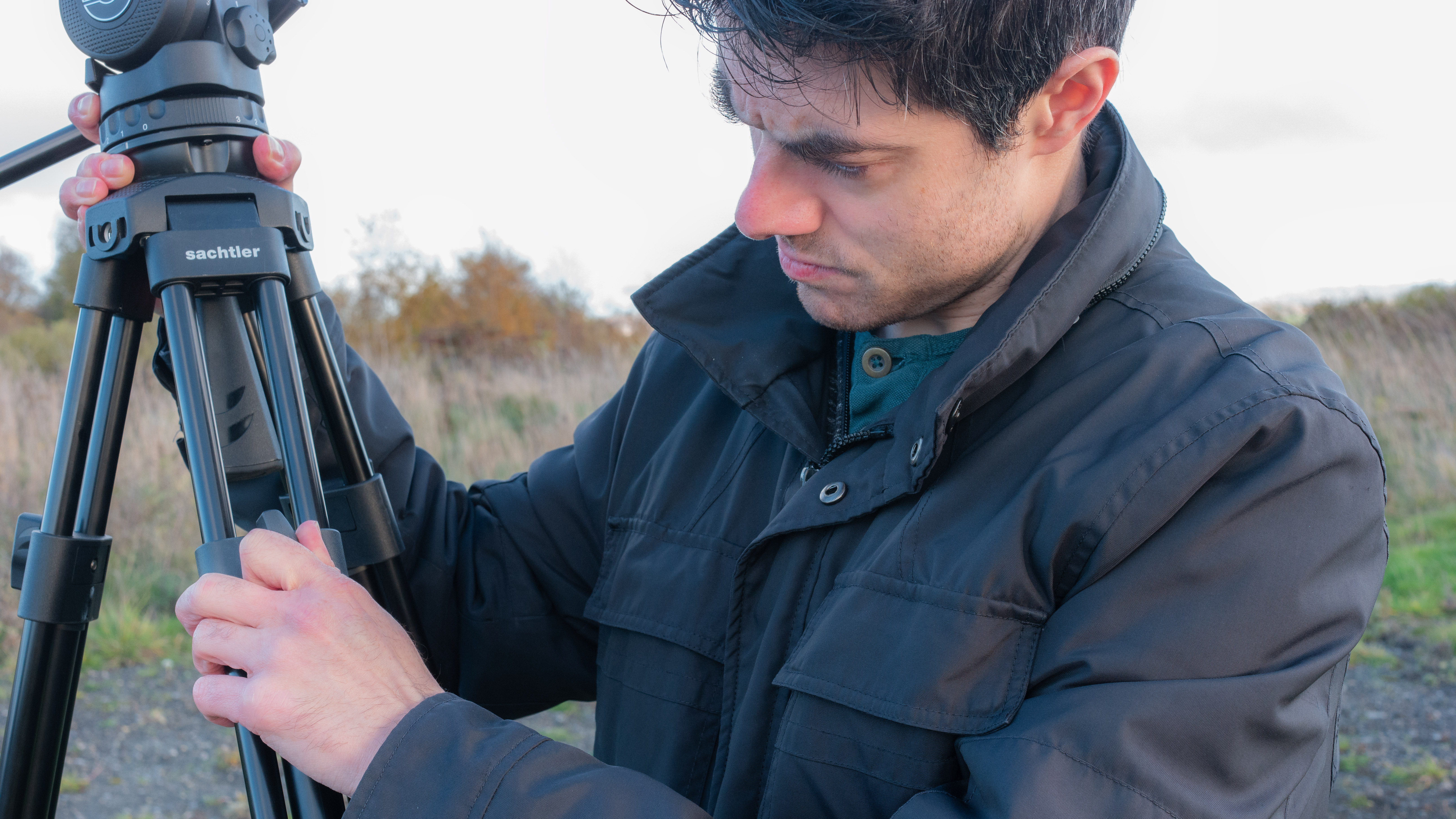
Similar to the excellent Manfrotto One hybrid tripod, the legs of the Ace M MS Mk II can be extended with a reduced number of actions. Rather than having to unlock each leg section individually, unscrewing the mid-level locks raises the head to chest height, and then the lower section can be further extended with the secondary screw locks. It’s not quite as smooth an operation as the Manfrotto One, but it still wins points for speed.
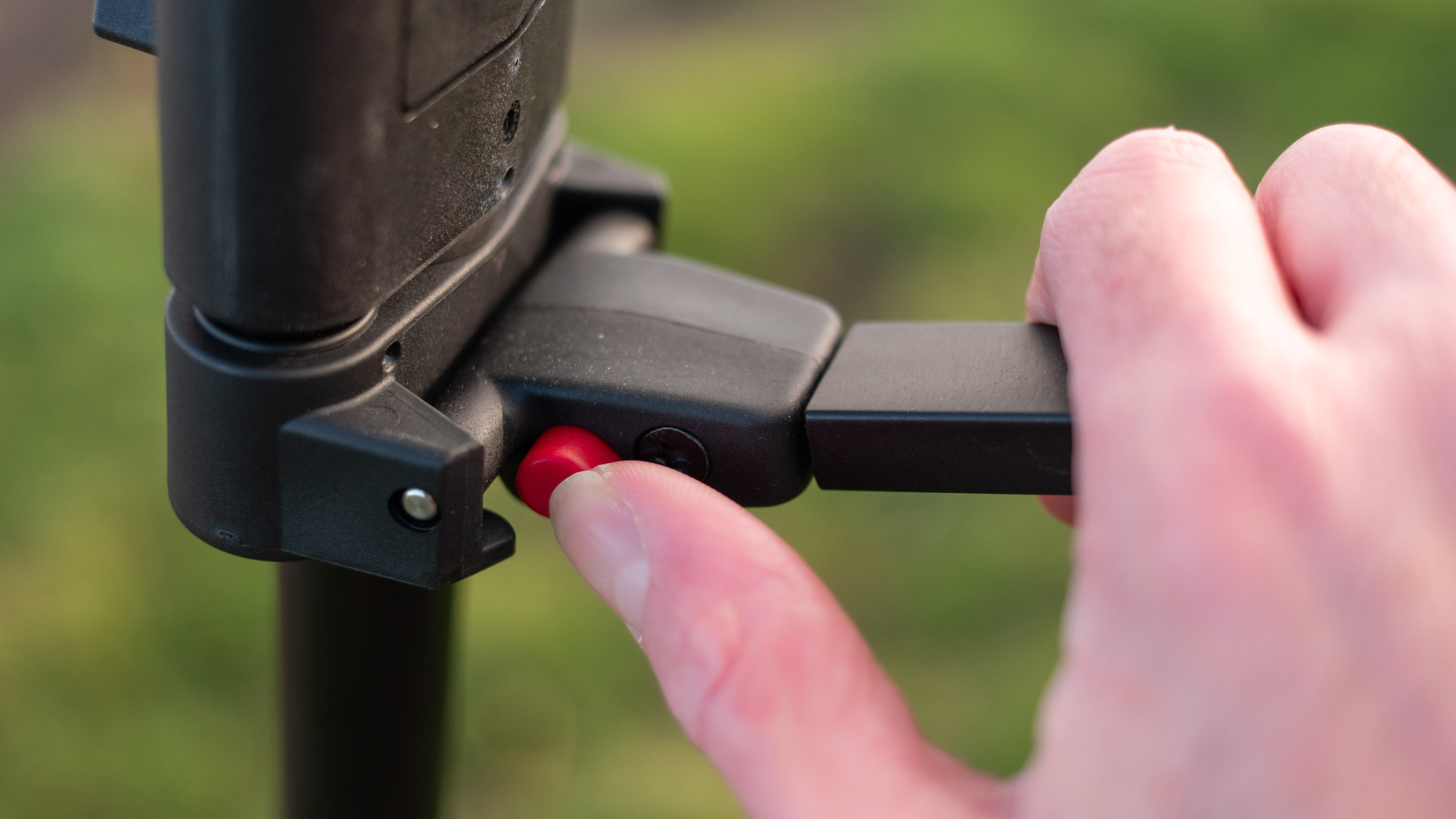
I must also give a mention of the tripod feet, which are both tough and easy to adjust. By simply rotating them on their screw thread, you can reveal or retract the spikes within, depending on the terrain type on which you plan to use the legs. It might sound like a minor point, but I really appreciate that they are also bright red. The weakness of this screw-thread design is that it’s not too difficult to over-loosen a tripod foot, which then detaches, and standard black rubber feet are easy to miss – I’m ashamed to add up how many tripod feet I’ve ‘misplaced’ like this over the years. Perhaps I’m just careless, but in the heat of a rapid shoot, where you're changing locations a lot, the highly visible color is a thoughtful touch.
Sachtler Ace M MS Mk II: key specs
Swipe to scroll horizontally
Maximum height: | 66.5 inches / 169cm |
Closed height: | 30.7 inches / 78cm |
Bowl size: | 75mm |
Materials: | Aluminum |
Max payload: | 8.8lbs / 4kg |
Leg sections: | Two |
Tilt Range: | 90 to -75 degrees |
Attachment points: | 3x 3/8-inch accessory threads |
Weight: | 9.7lbs / 4.4kg |
Sachtler Ace M MS Mk II price and availability
The Sachtler Ace M MS Mk II video tripod was launched in April 2024 and is available from several specialist photographic retailers, bundled with the Ace M Fluid Head and flowtech®75 Mid-level spreader. The cost of the kit is $985 / £858 / AU$1,545.
The tripod is available across major markets, in the USA, UK, and Australia, although as this is a specialist video accessory it can be trickier to find at some mainstream retailers, or it is listed but with limited availability. We sourced examples at Adorama in the United States, WEX in the UK, and Videocraft in Australia.
Sachtler Ace M MS Mk II: Also consider
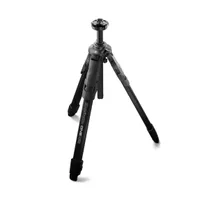
Manfotto One hybrid tripod
The Manfrotto One is probably the best alternative option if you shoot both video content and still photos. It combines several features catered for each type of user. While it lacks a spreader, it does feature a rapid extension system and a balancing center column.
Read our Manfrotto One hybrid tripod review
Should I buy the Sachtler Ace M MS Mk II?
Buy it if...
Video content is your primary focus
The Sachtler Ace M MS Mk II is a video-oriented product from the ground up, so you'll find plenty of tailored features for motion content creation. The included spreader, quick set-up speed, and fluid head are the ideal tools for pro-looking video.
You use a mirrorless camera system
The 4kg payload limit might not be enough if you regularly use a large camcorder or interchangeable lens video camera system. If, however, you make lots of content with your mirrorless system, such as a Canon EOS R5 Mark II, or Sony A7 V, the load-weight balance is perfect.
Don't buy it if...
You don't use lots of accessories
The tripod is designed to support a modular system of accessories, which is in part what you're paying for. If you don't plan on using an external monitor, or a rig such as a Magic Arm, these attachment points will be somewhat wasted on you.
You're a vlogger
While vlogging still requires a good-quality camera support, if you're used to a POV style of filmmaking, you might find the bulk and weight of the Sachtler Ace M MS Mk II more of a hindrance than a help.
How I tested the Sachtler Ace M MS Mk II
- I spent approximately one month testing the tripod in a variety of weather conditions
- I used the tripod to support my camera in various locations, across multiple types of terrain
- I mounted a variety of camera types on the tripod to test stability, from a lightweight mirrorless system to a pro DSLR
To ensure I got a representative idea of the capabilities of the Sachtler Ace M MS Mk II, I took it out on location with me several times over several weeks. These shoots covered landscapes, coastal shots, woodland scenics, and even low-light cityscapes.
I captured video footage and examined frame grabs to assess sharpness in windier conditions or when water was moving around the tripod feet. I also shot some long-exposure still images to get a better picture of the type and direction of vibrations, where present.
I tried using the legs with and without the spreader fitted. I placed the feet on different terrain conditions as a routine part of my test shooting, including waterlogged soil, sand, and concrete. I also used the tripod at various heights to test how stability and vibration absorption changed as the legs were extended.
First reviewed December 2025





 English (US) ·