
Nikon Z 70-200mm f/2.8 VR S II: One-minute review
Hot on the heels of the Nikkor Z 24-70mm f/2.8 S II, Nikon has delivered its second mark II lens for its Z-mount mirrorless cameras — and the Nikon Z 70-200mm f/2.8 VR S II is another 5-star success.
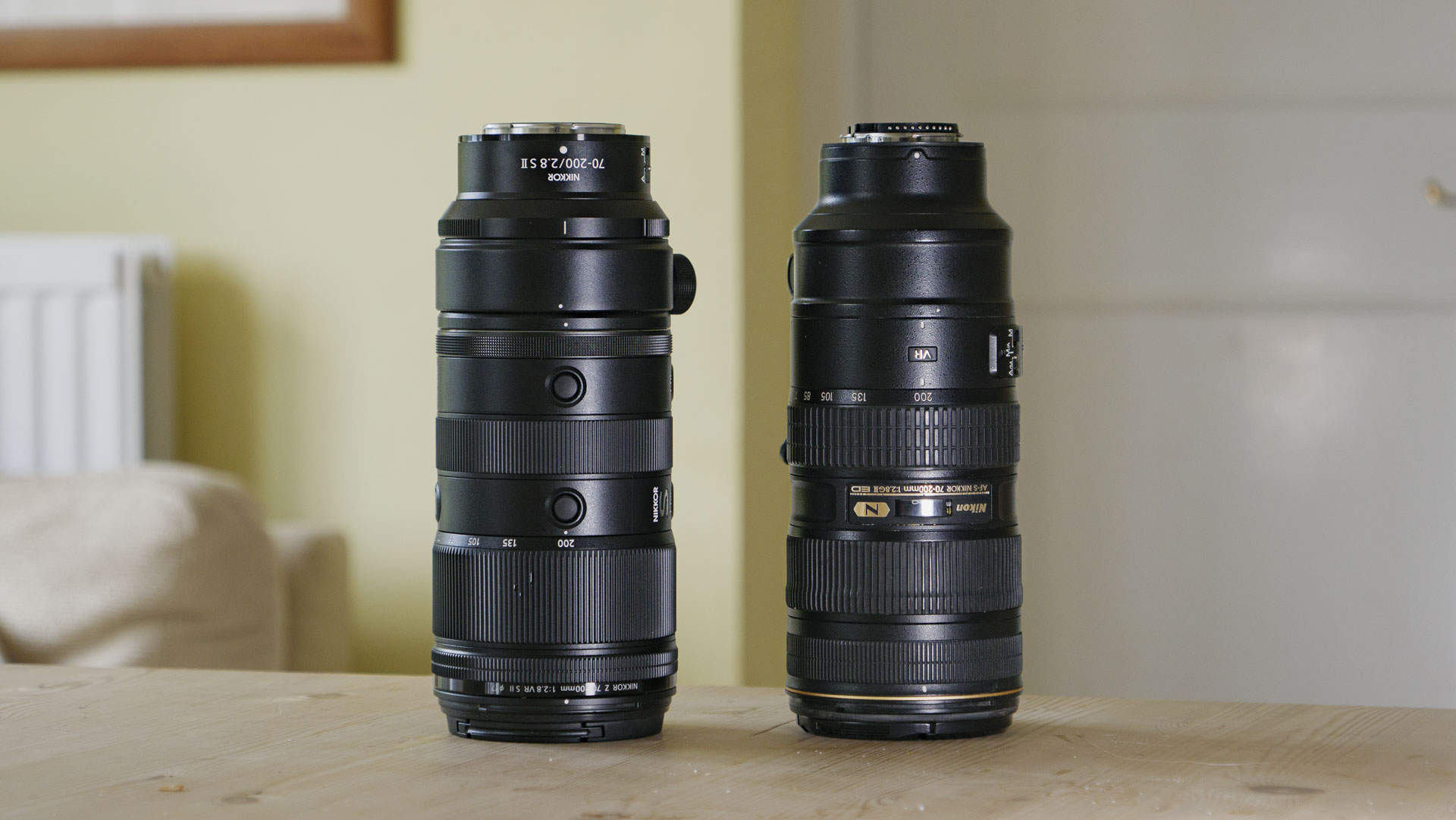
Is the new lens worth the extra? For me, yes. My own 70-200mm f/2.8G ED VR II for Nikon DSLRs was my most-used lens for weddings and portraiture work, and it has paid for itself time and again over its years of heavy use.
When I made the switch from DSLR to mirrorless, I continued using that lens via an adapter, such is its quality and versatility for paid work, until the day I could consider upgrading to its Z-mount successor.
The Nikon Z 70-200mm f/2.8 VR S was enticing, but I didn't see enough of an upgrade over my DSLR lens to make it worth splashing out. The mark II version, with its new optical design and lightweight body, is the upgrade I've been wanting all along, especially for long shoot days.
Nikon has squeezed every bit of quality in can into a lightweight successor to what was already a stellar telephoto zoom, and I expect many pro Nikon photographers to buy, and rely on it for years to come.
Nikon Z 70-200mm f/2.8 VR S II: Price and availability
- Costs $3,199 / £2,999 / AU$5,399
- Two tripod collars and a lens hood included
At $3,199 / £2,999 / AU$5,399, the mark II version costs a lot more than the current price of the original, which is now available for around $2,397 / £2,379 at leading retailers, or closer to $2,100 / £2,100 / AU$4,000 secondhand.
I think the weight savings and improved optical design with better close-focusing are worth the extra outlay, and Nikon lenses often receive healthy price cuts soon after launch, too — for example, the 24-70mm f/2.8 mark II briefly saw a 10% saving, so the 70-200mm's pricing might become a moot point soon enough.
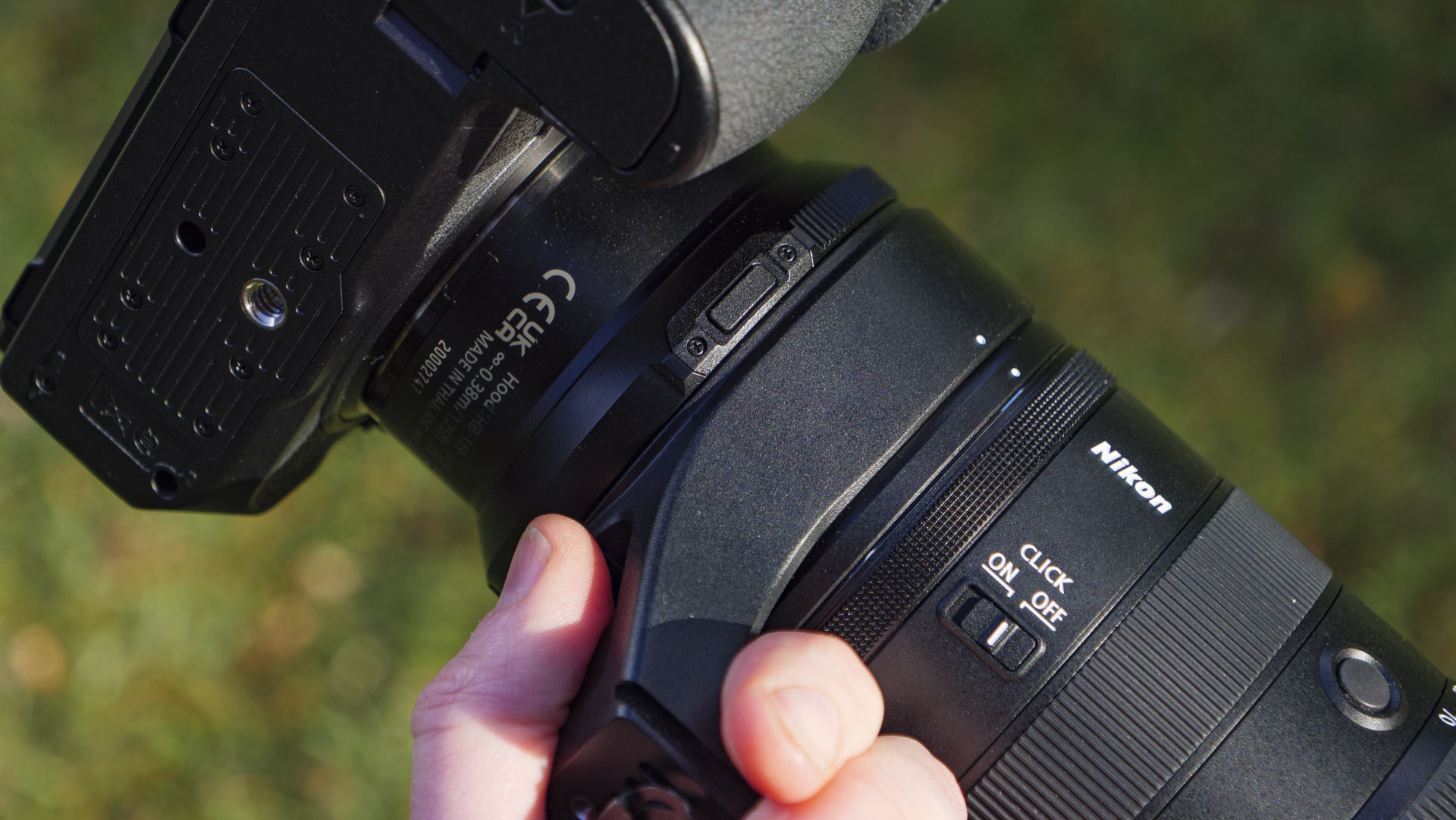
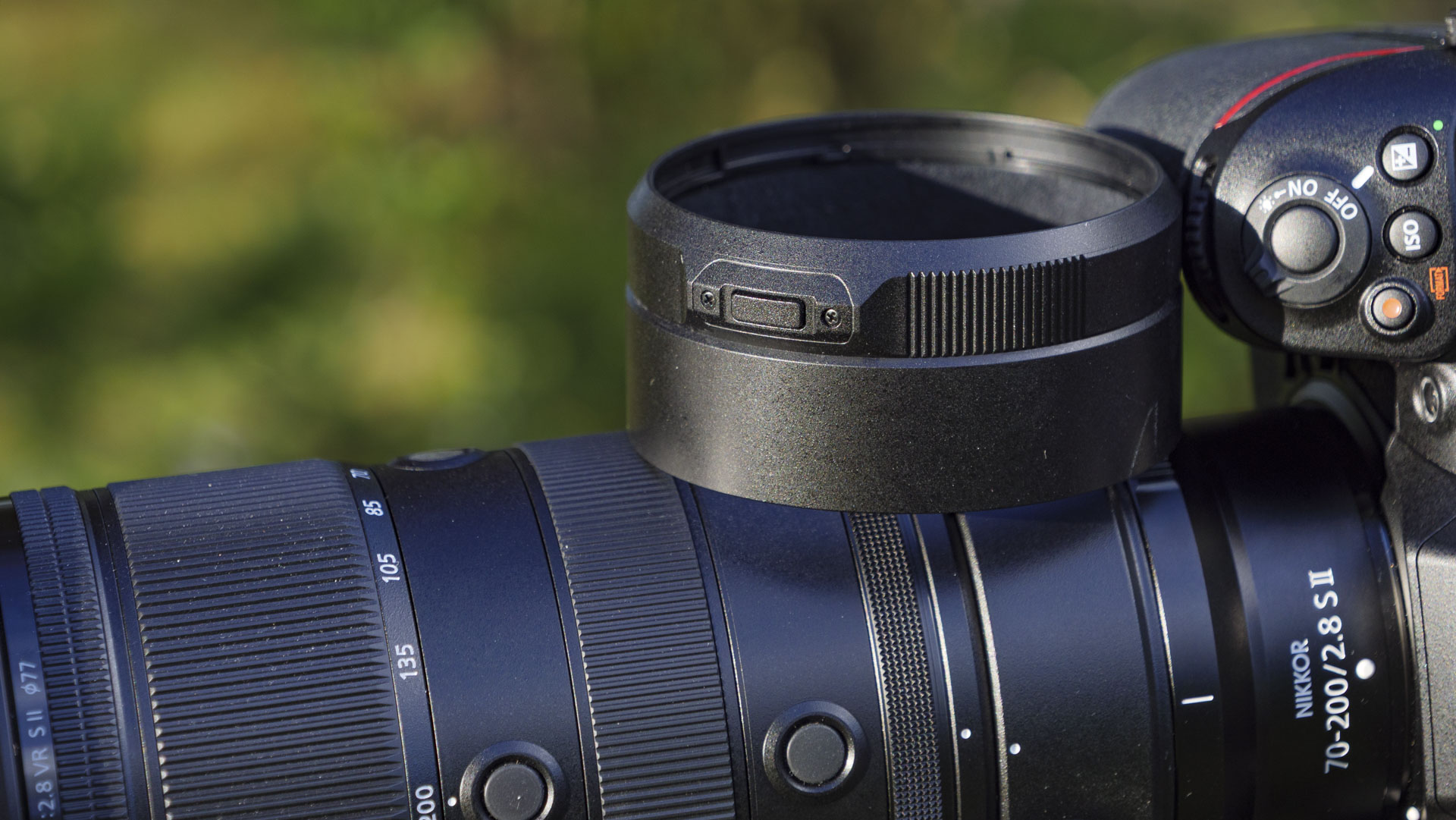
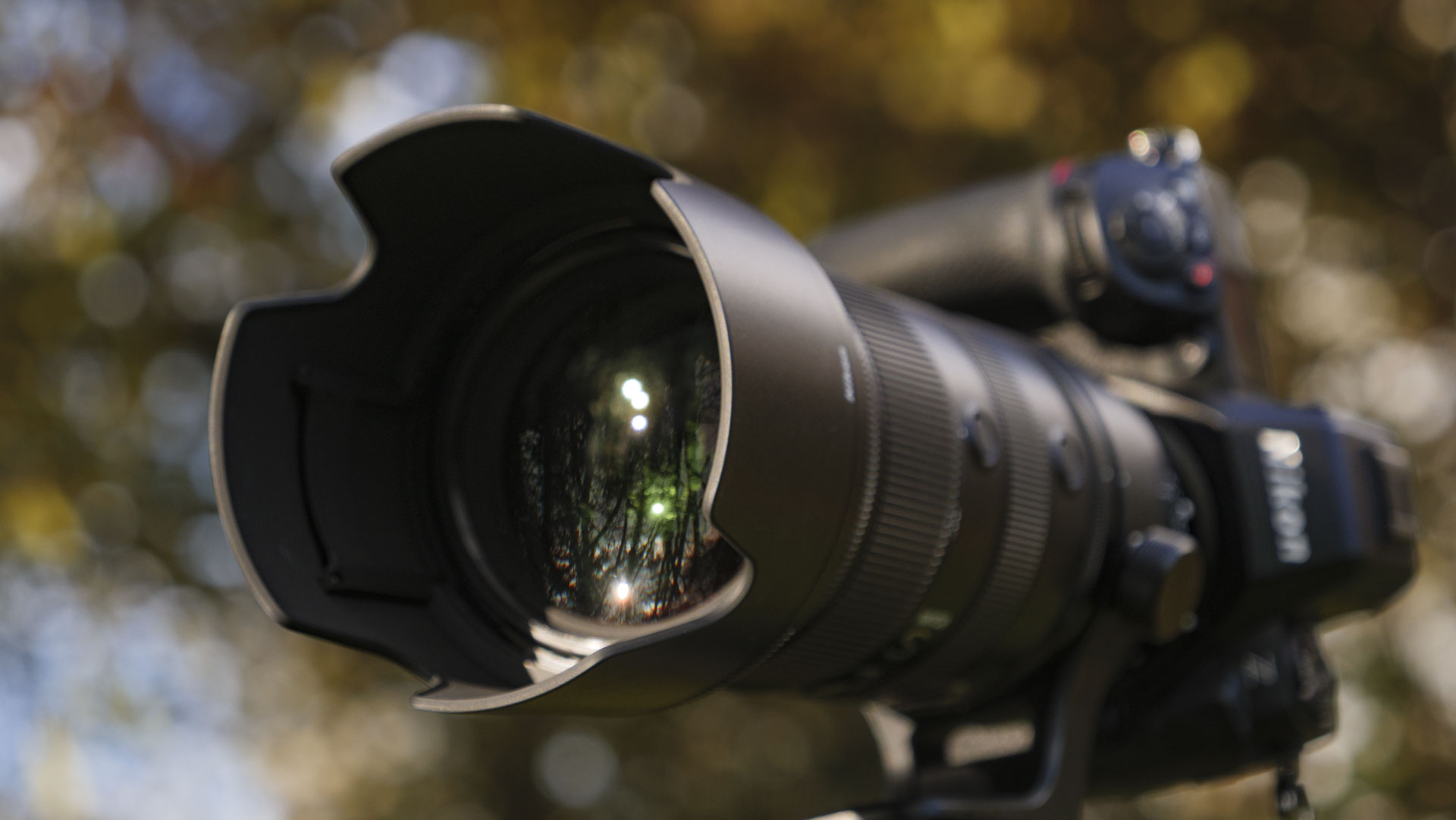
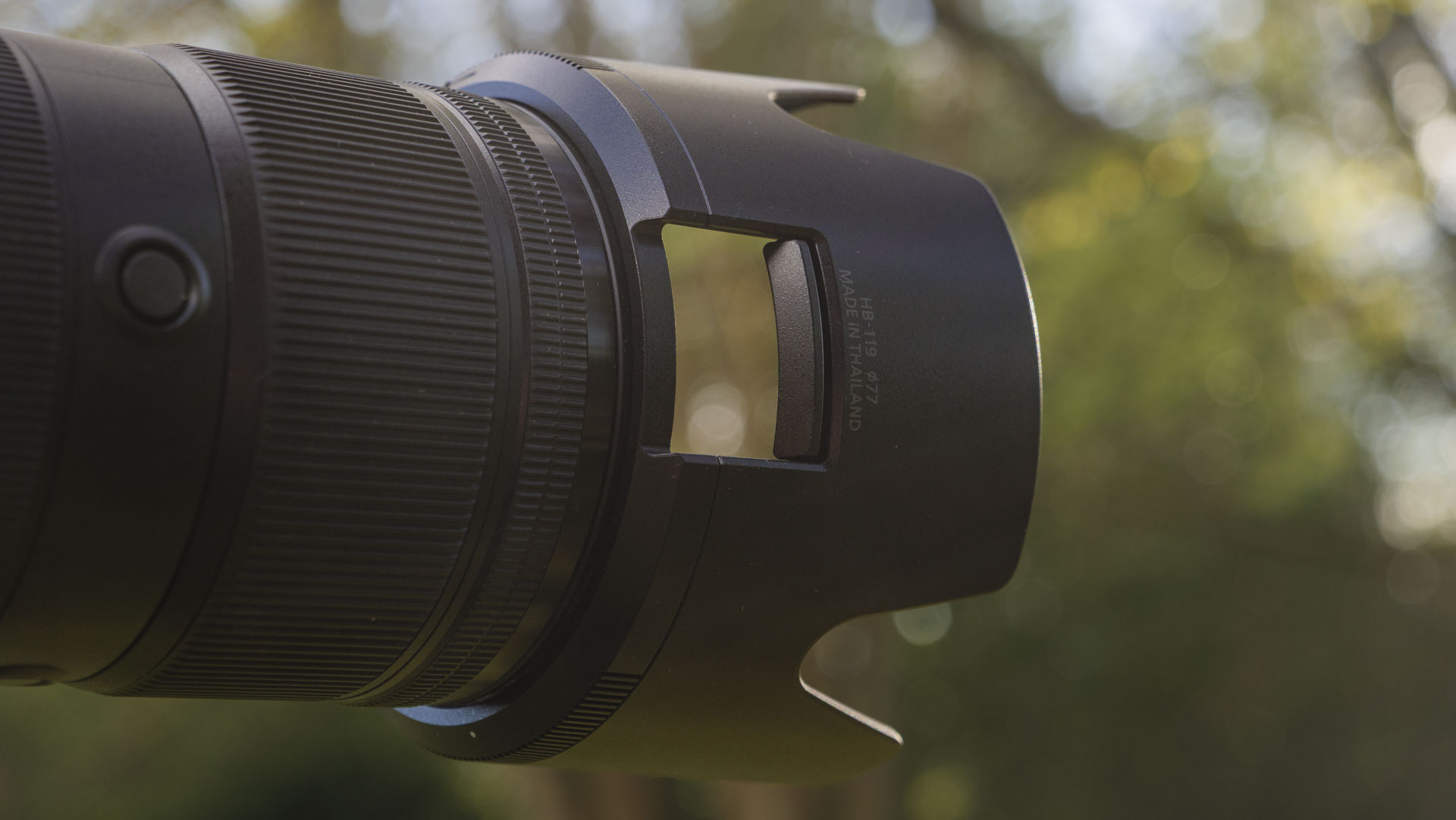
In the box, Nikon includes the (removable) tripod collar, a foot-less collar, plus a lens hood which features a sliding door for easy access to attached filters and adjustments a breeze; the lens accepts 77mm threaded filters.
Nikon Z 70-200mm f/2.8 VR S II: specs
Swipe to scroll horizontally
Type: | Telephoto zoom |
Mount: | Nikon Z |
Sensor: | Full-frame |
Focal length: | 70-200mm |
Max aperture: | f/2.8 |
Minimum focus: | 0.38m (70mm) / 0.8m (200mm), |
Max reproduction | 0.3x at 70mm / 0.25x at 200mm |
Filter size: | 77mm |
Dimensions: | 3.6 x 8.2 inches / 90 x 208mm |
Weight: | 2.2lbs / 998g (or 2.6lbs / 1,180g with the tripod collar attached) |
Nikon Z 70-200mm f/2.8 VR S II: design
- The lightest 70-200mm f/2.8 lens available, weighing just 2.2lbs / 998g
- Tripod collar is fully removable, and you'll save 182g of weight when you don't need it
- Multiple function buttons and a customizable control ring, but no display
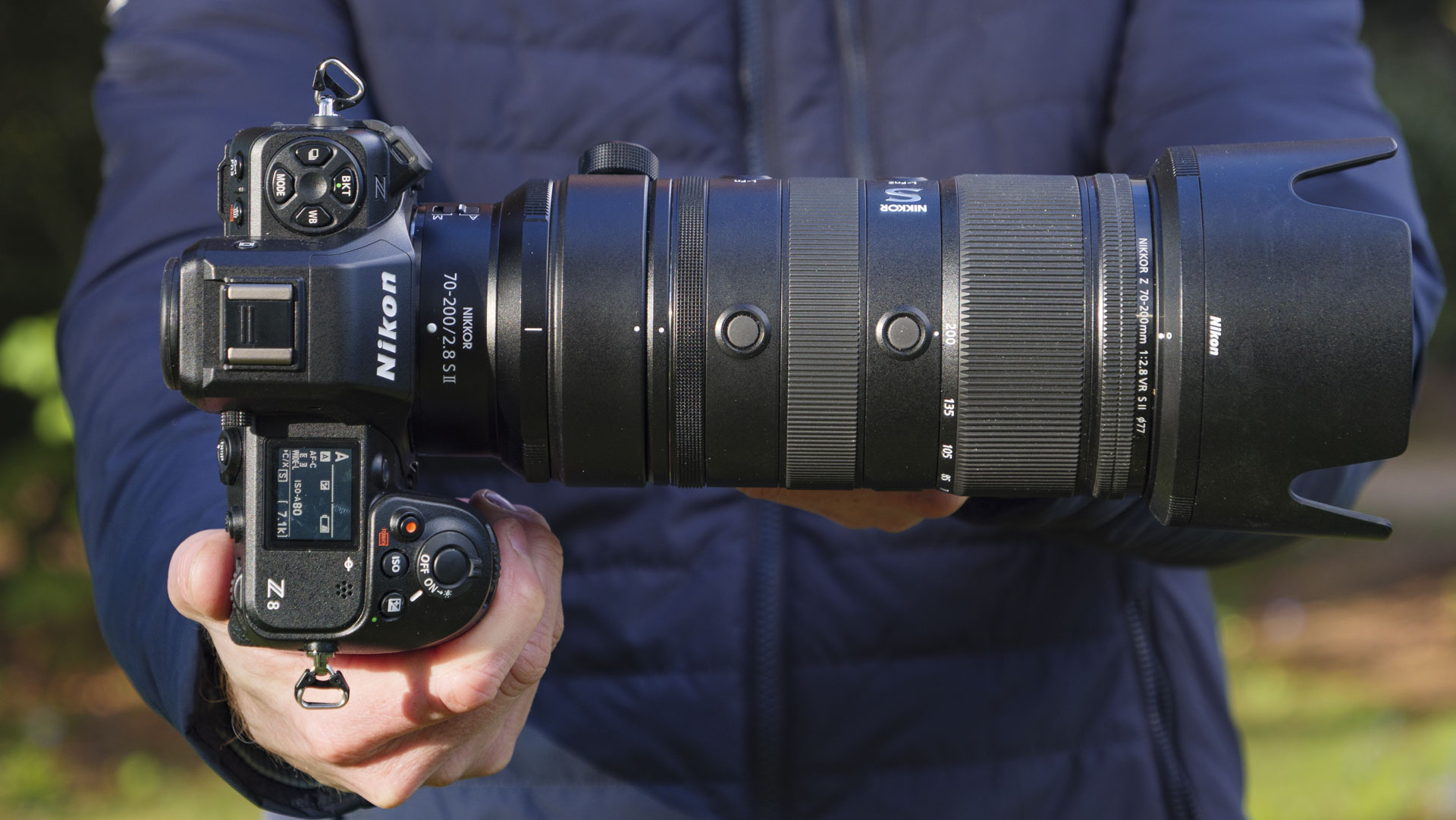
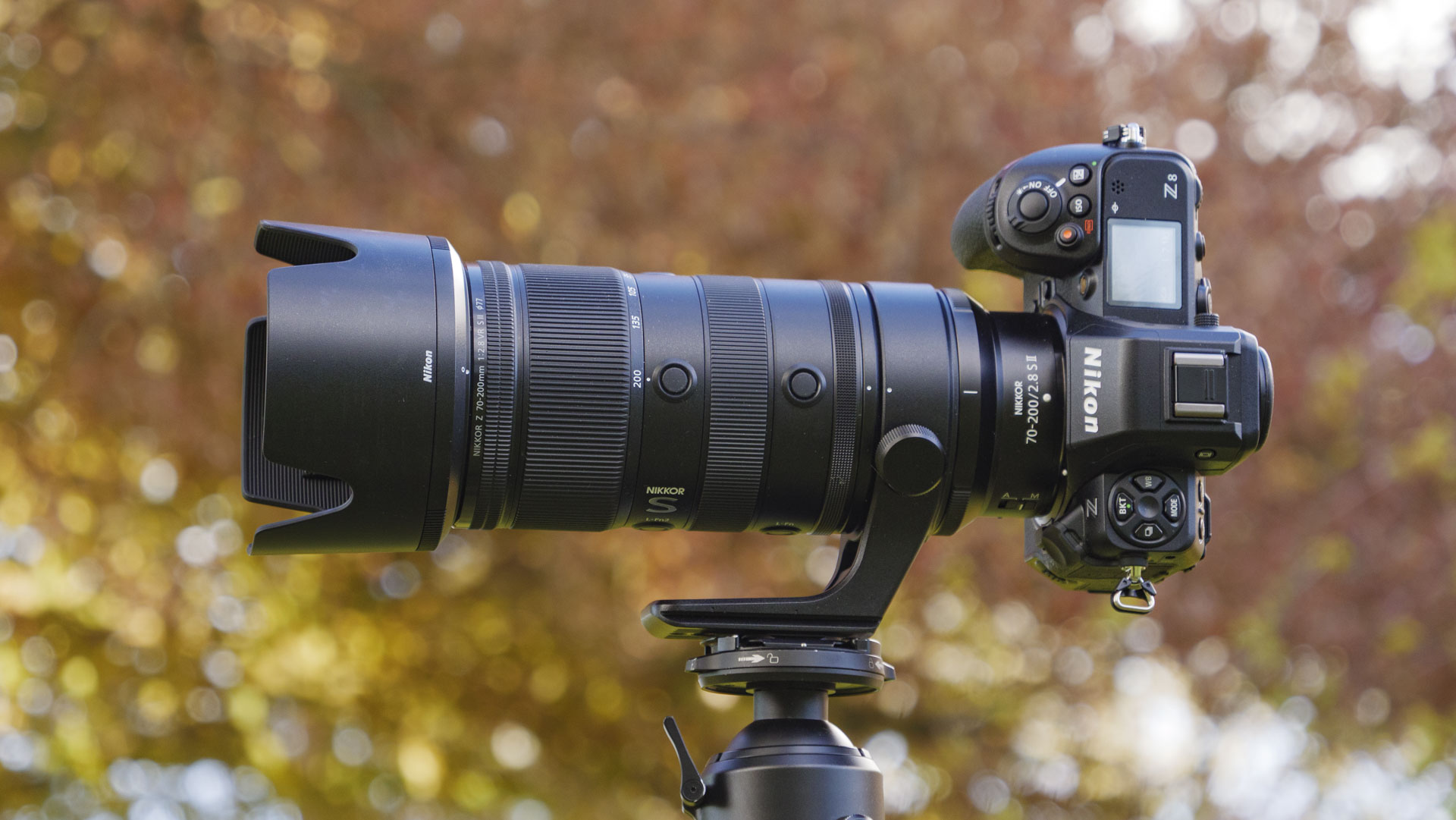
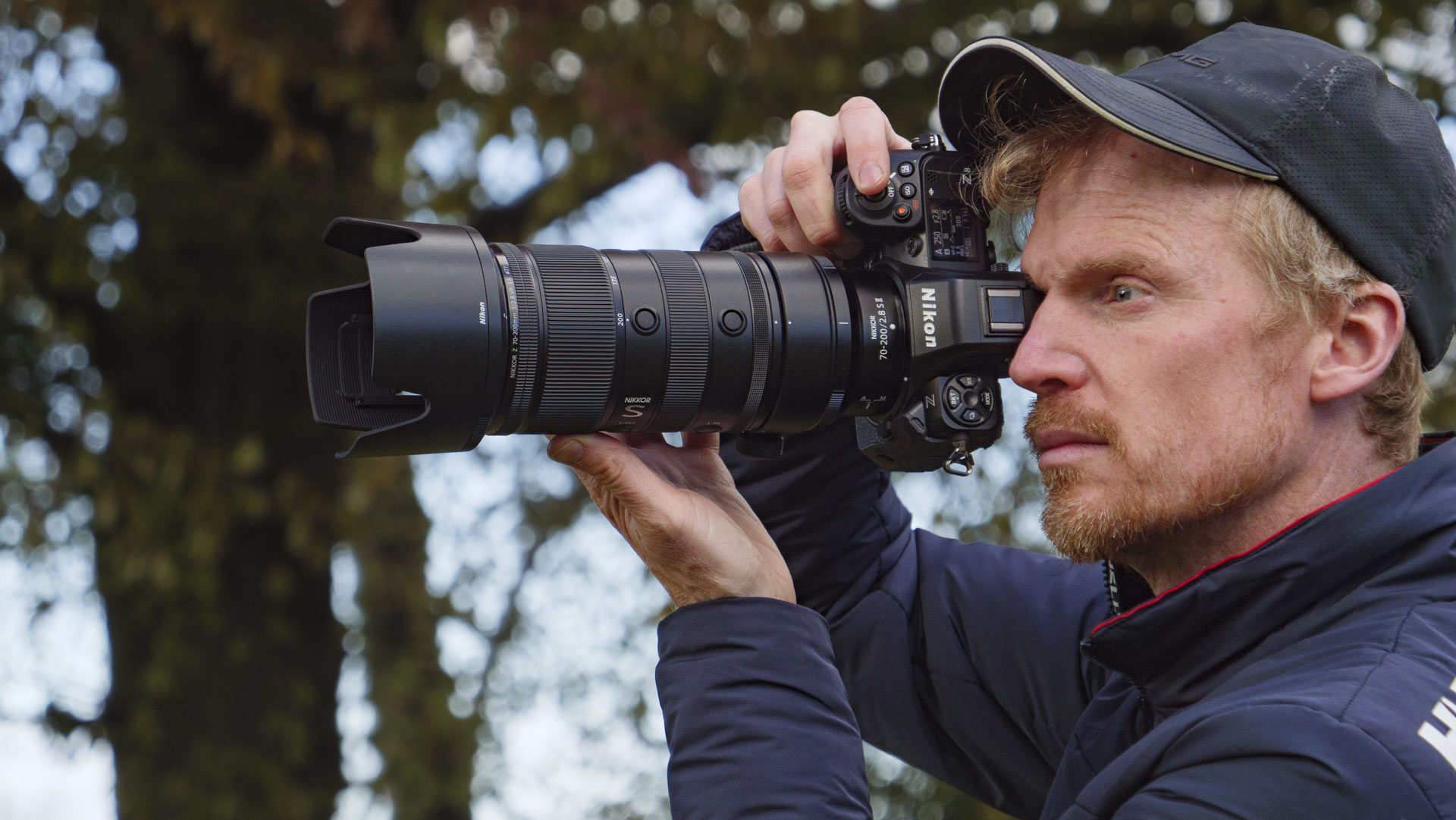
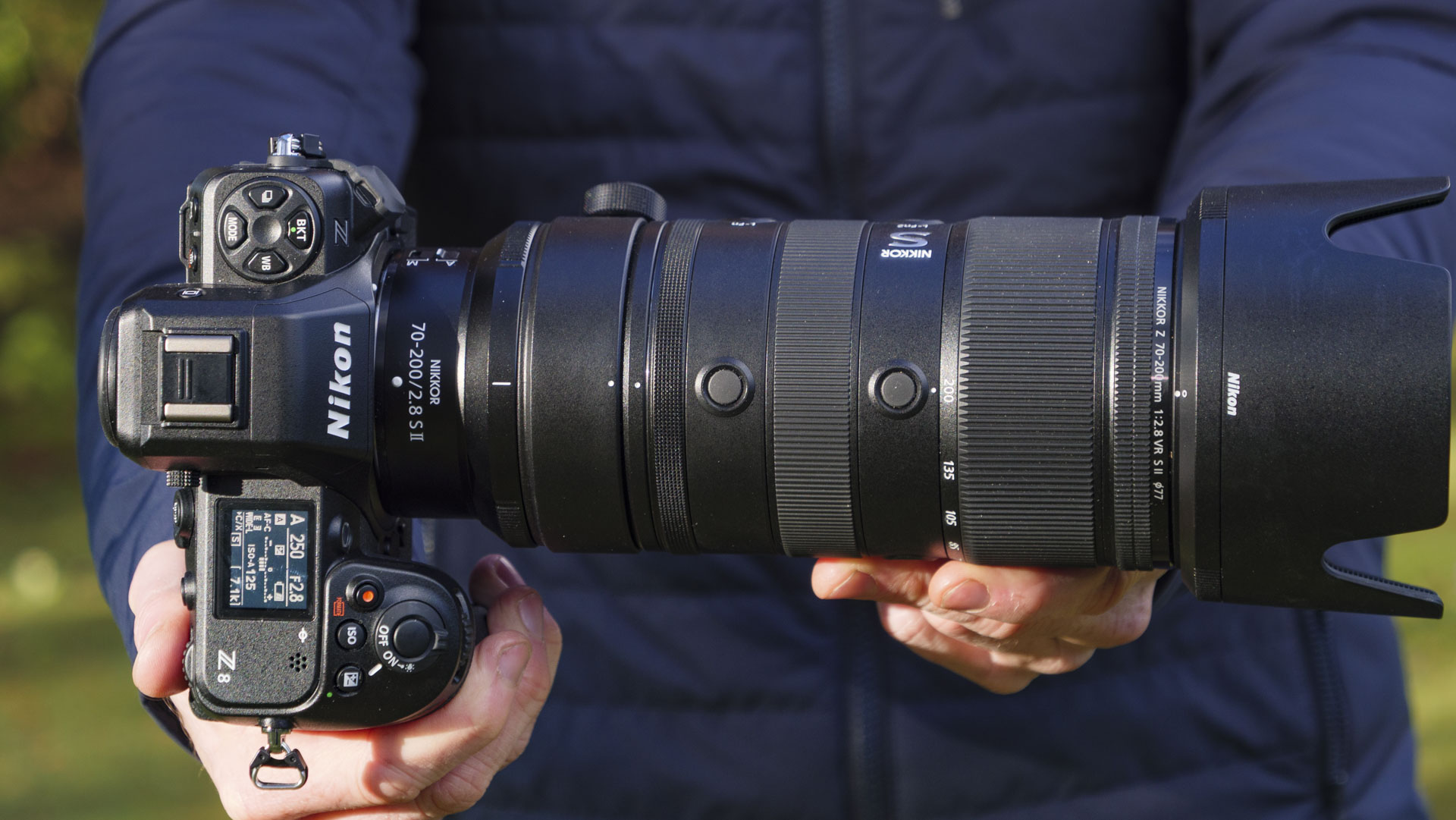
Size-wise, the 70-200mm mark II measures up similarly to Nikon's previous offerings. It's slightly smaller than the mark I for Z-mount, but slightly bigger than the version for DSLRs (see my photo comparison above). However, there is a big weight saving.
The Z 70-200mm f/2.8 VR S II weighs 2.2lbs / 998g, or 2.6lbs / 1,180g with the tripod collar attached — the latter for me is more often how I would set a lens like this up even without using a tripod, because the collar provides an easy hold of the lens between shots. Even factoring in the tripod collar, that's over 25% lighter than other Nikon 70-200mm f/2.8 lenses (the mark I weighs 1,360g without collar and 1,440g with it, while the DLSR version is a fraction heavier again), and the lightest lens of its kind for any lens mount.
The tripod foot is now Arca-Swiss compatible, which is probably the most popular tripod-plate type. Don't need the tripod collar? There's a 182g weight saving to be gained by removing it, and Nikon also supplies a lighter foot-less collar that can go in its place. For shoots when you know you won't be using a tripod, that's a decent weight reduction that will be appreciated over long hours lugging around gear (although, as I said, I prefer keeping the tripod collar attached).
One chief reason for the weight saving is the new optical design. Nikon has done away with three lens elements: the mark II has 18 elements in 16 groups, while the mark I has 21 elements in 18 groups.
With a simpler optical design, you might expect a compromise in terms of image quality, but the opposite is true — I'll talk more about image quality in the performance section below. There are also 11 aperture blades, versus nine blades in the other two 70-200mm lenses, and inevitably, the additional blades will form a more rounded diaphragm for pleasant and smoother bokeh — again more on this below.
Close focusing has been improved too — it's 0.38m at 70mm and 0.8m at 200mm, delivering a 0.3x maximum magnification at 70mm, compared to 0.2x in the mark I. For a telephoto zoom such as this, those are impressive close-focusing skills — not quite in the realm of macro photography, but easily versatile enough to capture little details sharply, such as wedding rings.
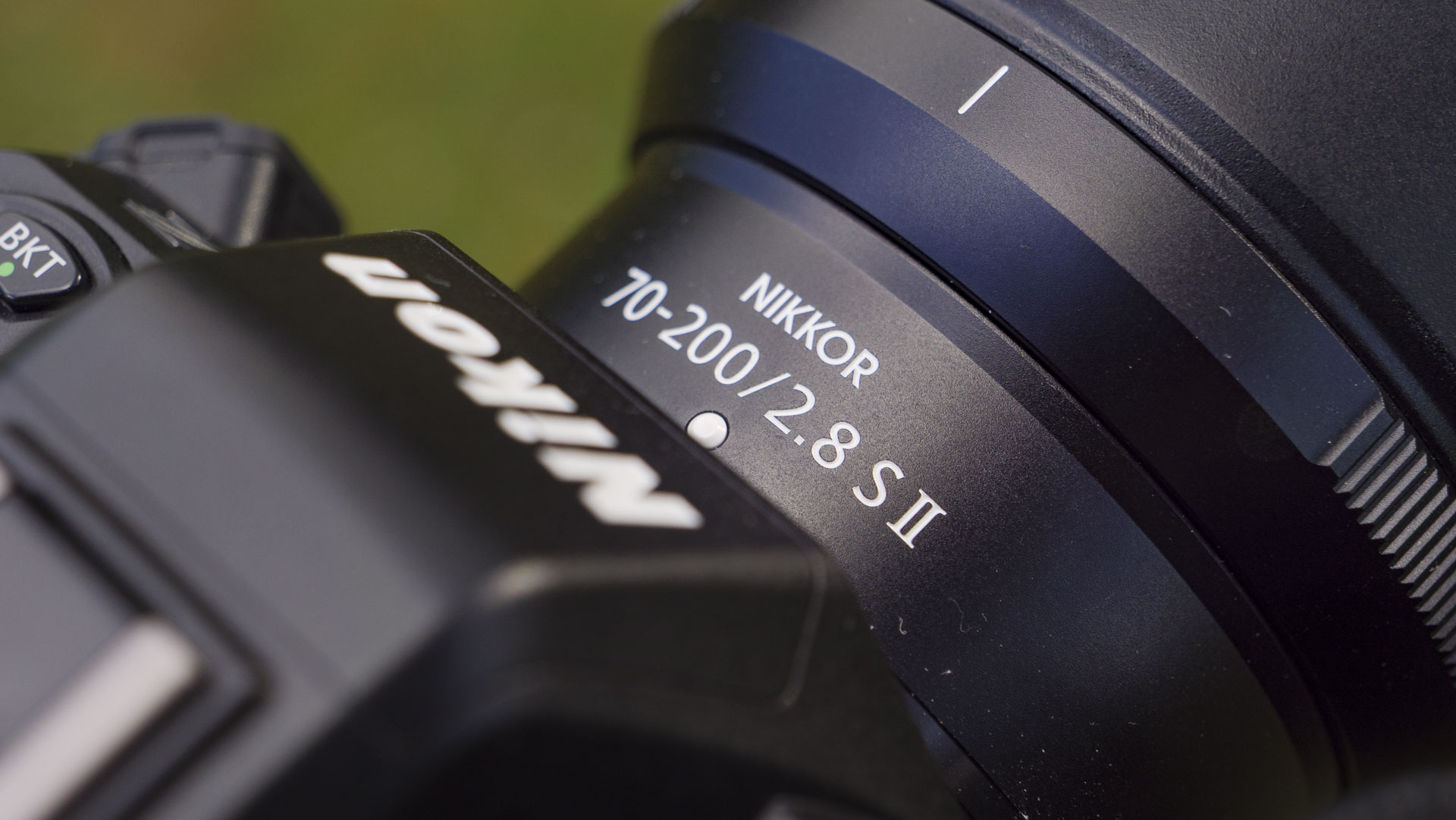
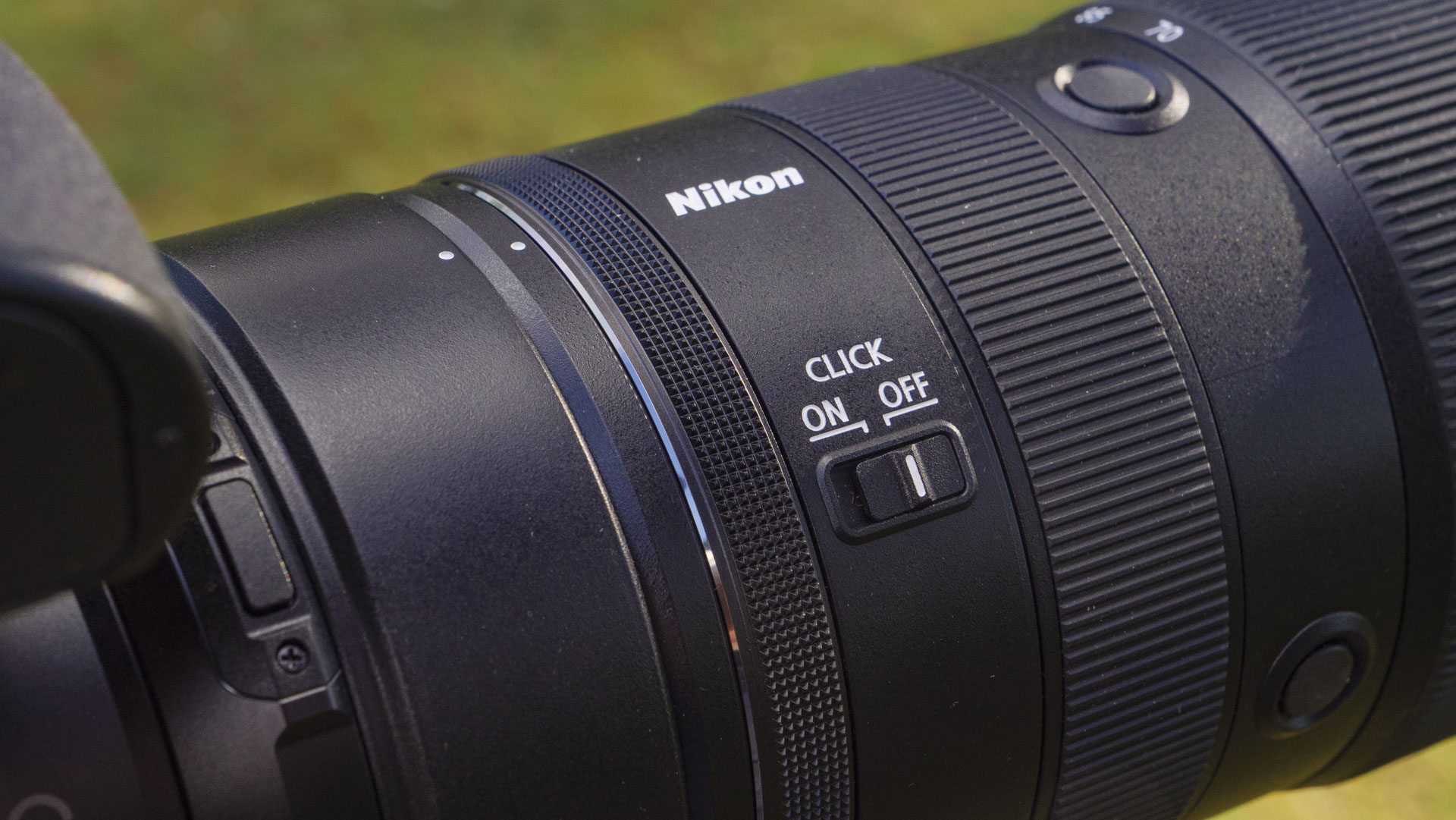
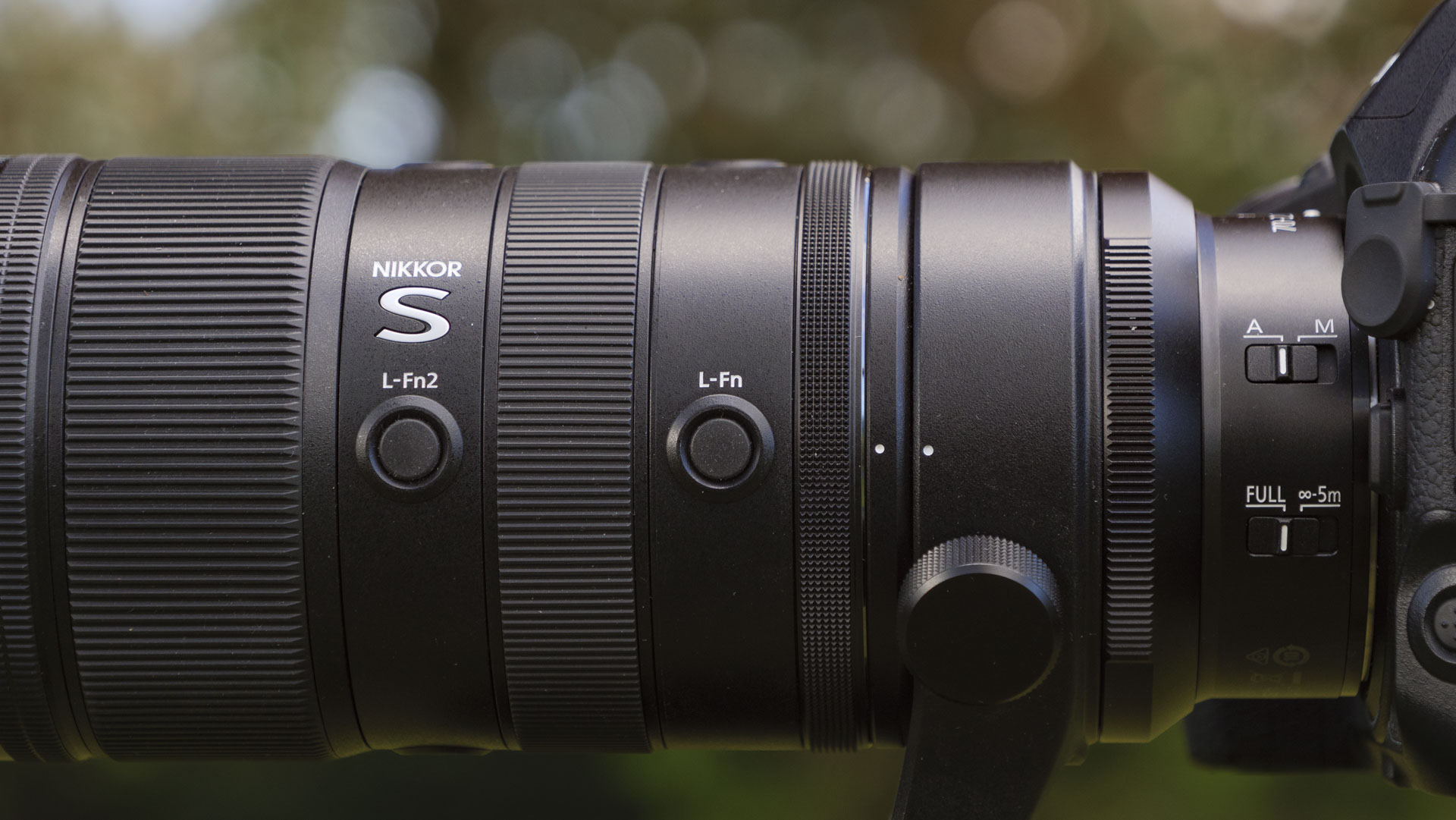
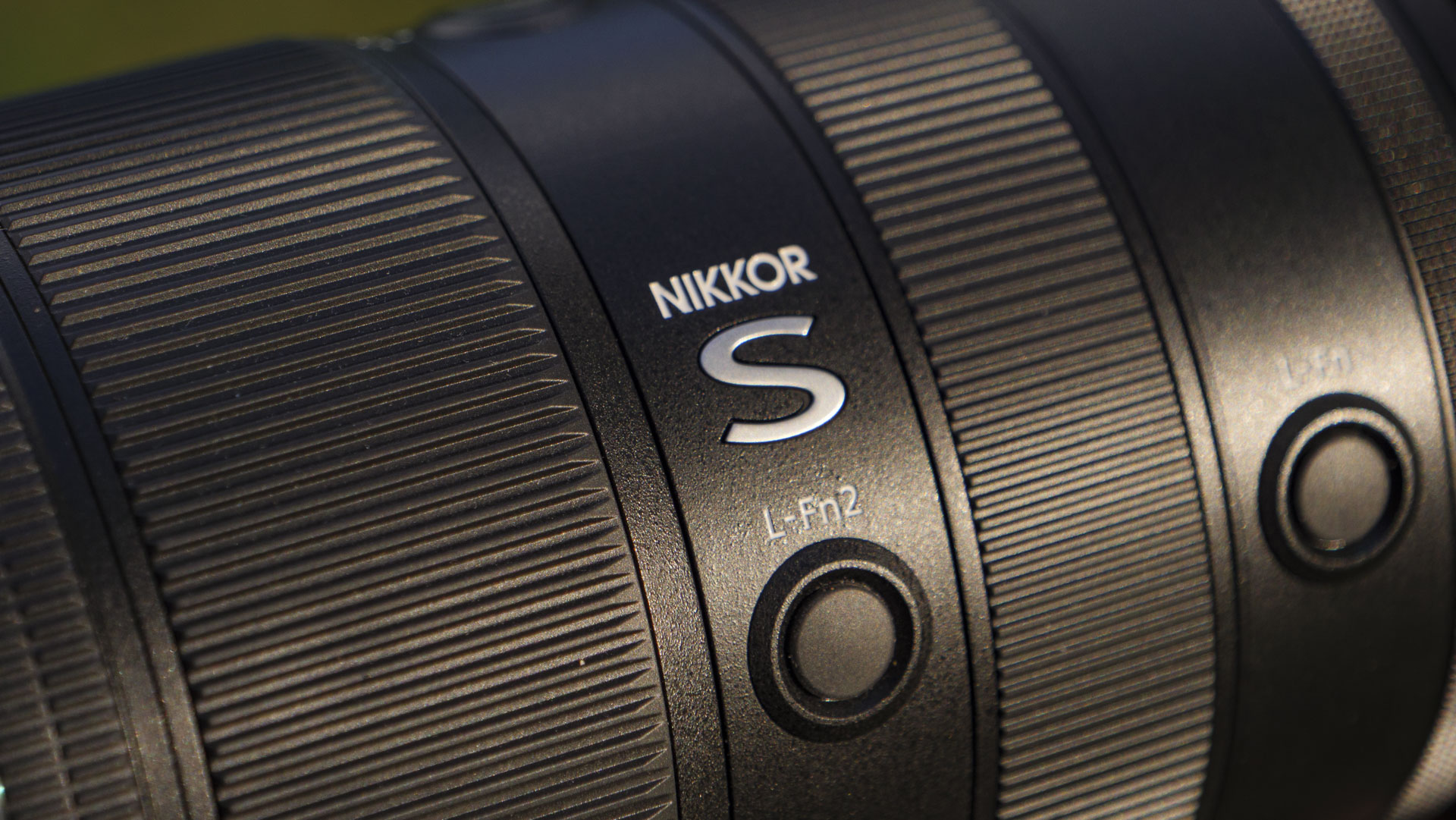
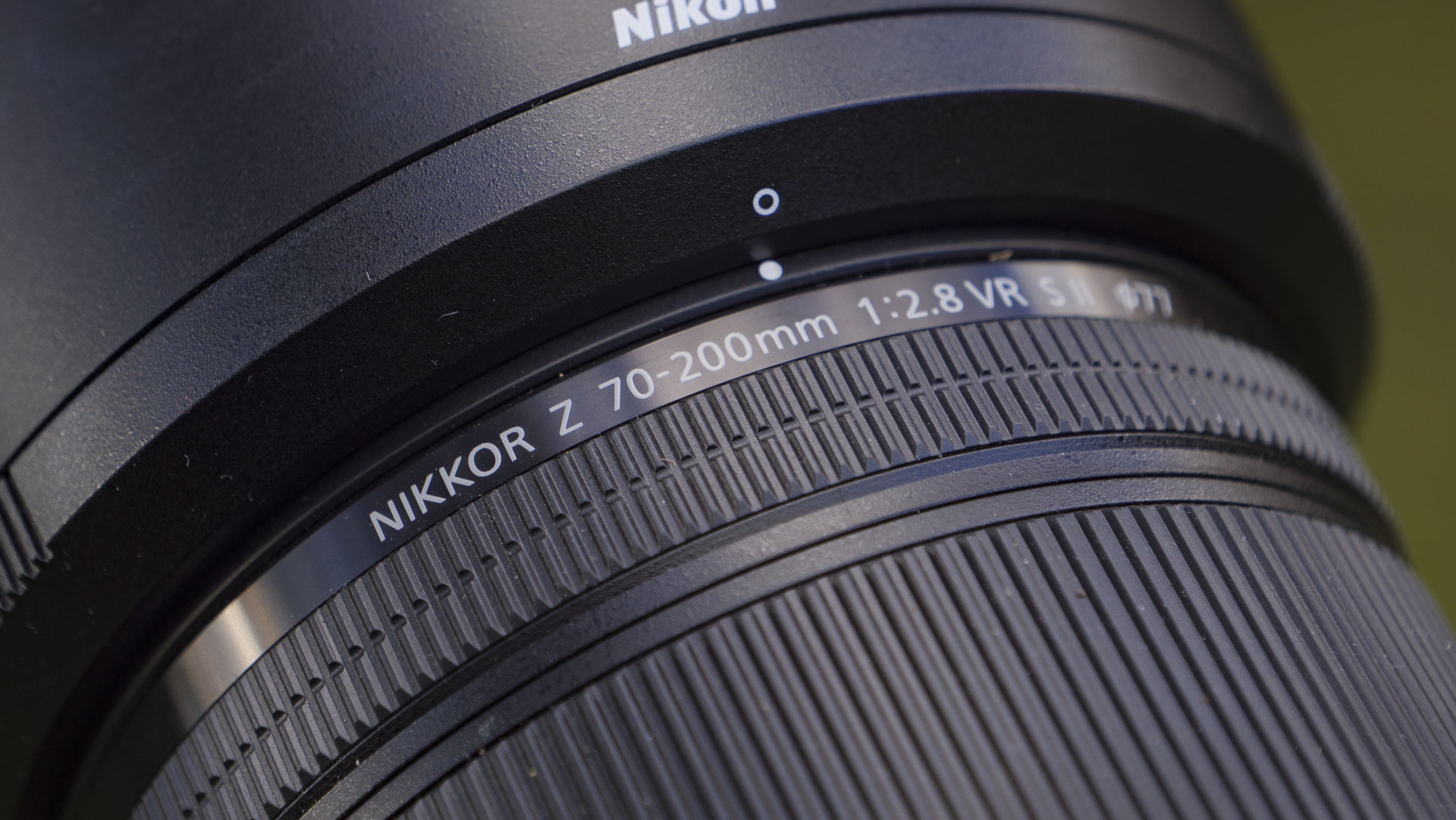
As for build quality, the lens is exactly what you would hope for from a pro optic: it's rugged and weather-resistant, equipped with lightning fast autofocus motors, and packed with a suite of external controls, including clicked aperture control and a customizable control ring.
The supplied lens hood now features a door which slides open for easy access to threaded filters — that's a handy addition for circular polarizer and variable ND filter users, because these (often essential) filters require rotating to adjust strength and you would otherwise have to remove the lens hood to access them.
The only thing that's arguably missing is a digital display for the lens settings, nor are there focus-distance markings, meaning you'll need to check the camera's displays if you need such information. The former could be helpful, but it would add weight to the lens.
Nikon Z 70-200mm f/2.8 VR S II: Performance
- Practically no lens distortions at any focal length or aperture setting
- Dreamy circular bokeh, especially at 200mm
- Speedy and practically silent autofocus





I've tried the lens at every key focal length and aperture setting, and I've struggled to find a single optical weakness; it's pin sharp even at f/2.8, and lens distortions are extremely well controlled.
Take the scene below, with dappled background light. It's a testing scenario for any lens, but chromatic aberration, flare, ghosting and vignetting are all well controlled, even with the aperture set to f/2.8 — the widest aperture, which is typically where lens distortions are most obvious.
Bokeh is dreamy too, especially with the lens set to 200mm. It's more defined (read: smaller) at 70mm — that's to be expected at a wider focal length. Only an even wider maximum aperture at 70mm, say f/2, would make bokeh a similar size to what we get at 200mm. Ultimately, the more you zoom in, the bigger bokeh gets. You can see below how bokeh changes at the wide and telephoto settings as I reduce aperture from f/2.8 to f/4, f/5.6, f/8 and f/11.










I've really appreciated the improved maximum magnification which now goes up to 0.3x, if you make the most of the lens' 0.38m minimum focus distance at 70mm, or up to 0.25x at 200mm. I'm often wanting to photograph little details, and the mark II lens is more versatile than the previous-generation lens for such tasks.
It's also a supremely fast lens for autofocusing — the exotically named Silky Swift VCM (voice coil motors) make light work of the moving 18 lens elements precisely for accurate, lightning quick and practically silent autofocus. Nikon says it's up to 3.5x faster than the previous 70-200mm lens and 50% quieter, plus focus tracking while zooming is 40% more effective.
The lens provides 6-stop vibration reduction image stabilization, which pairs effectively with sensor-based stabilization in pro mirrorless cameras such as the Nikon Z8 (which I paired with the lens for this test). For example, I've been able to get sharp handheld shots at 200mm using shutter speeds as slow as 1/4 sec (though not every time).
Nikon Z 70-200mm f/2.8 VR S II sample images
















Should you buy the Nikon Z 70-200mm f/2.8 VR S II?
Buy it if...
You want the very best and lightest Nikon 70-200mm f/2.8
There's enough reason to upgrade to the mark II from the DSLR equivalent (adapted on mirrorless) or the mark I — it's notably lighter, more versatile, and optically superior.
You regularly shoot weddings and events
For long shoot days, especially event photography, Nikon's 70-200mm mark II feels like an essential for the kit bag.
Don't buy it if...
You don't mind the extra weight of the mark I and cheaper alternatives
The weight saving is a key upgrade, so if you don't consider the mark I too heavy, you might as well stick with it.
You mainly shoot portraiture
Events, weddings, and sports / widlife with a 2x teleconverter are where the 70-200mm f/2.8 mark II excels. If you need a bokeh king for portraits, then a faster-aperture prime, like Nikon's 85mm f/1.2, is the way to go.
How I tested the Nikon Z 70-200mm f/2.8 VR S II
- Nikon loaned me a sample unit for four weeks, and I used it with the Nikon Z8
- I've taken identical photos at 70mm and 200mm, adjusting only aperture throughout the sequence to compare image quality
- I've shot street photography, portraits, landscapes, closeups and more
I was fortunate to get a long review period with the 70-200mm lens, and to be able to use it with Nikon's pro Z8 mirrorless camera. During this time, I had a week-long trip to China where I was able to use the gear in wide-ranging scenarios; at night for street photography, taking portraits and so on.
When I test lenses, I make sure all in-camera lens corrections are turned off. I shoot in RAW & JPEG format and compare files between uncorrected raws and processed JPEGs, which allows me to check for lens distortions, such as vignetting and chromatic aberration.
By taking a sequence of identically composed images at the wide and telephoto settings of the lens, beginning at f/2.8 and cycling through the aperture range in full stops, I can see which settings are best for quality, plus how bokeh looks and changes at various apertures.
First reviewed April 2026







 English (US) ·