
DJI Mic Mini 2: one-minute review
The DJI Mic Mini 2 is DJI's second-generation entry-level wireless microphone system, replacing the late 2024-released Mic Mini, which we previously rated as the best small wireless mic.
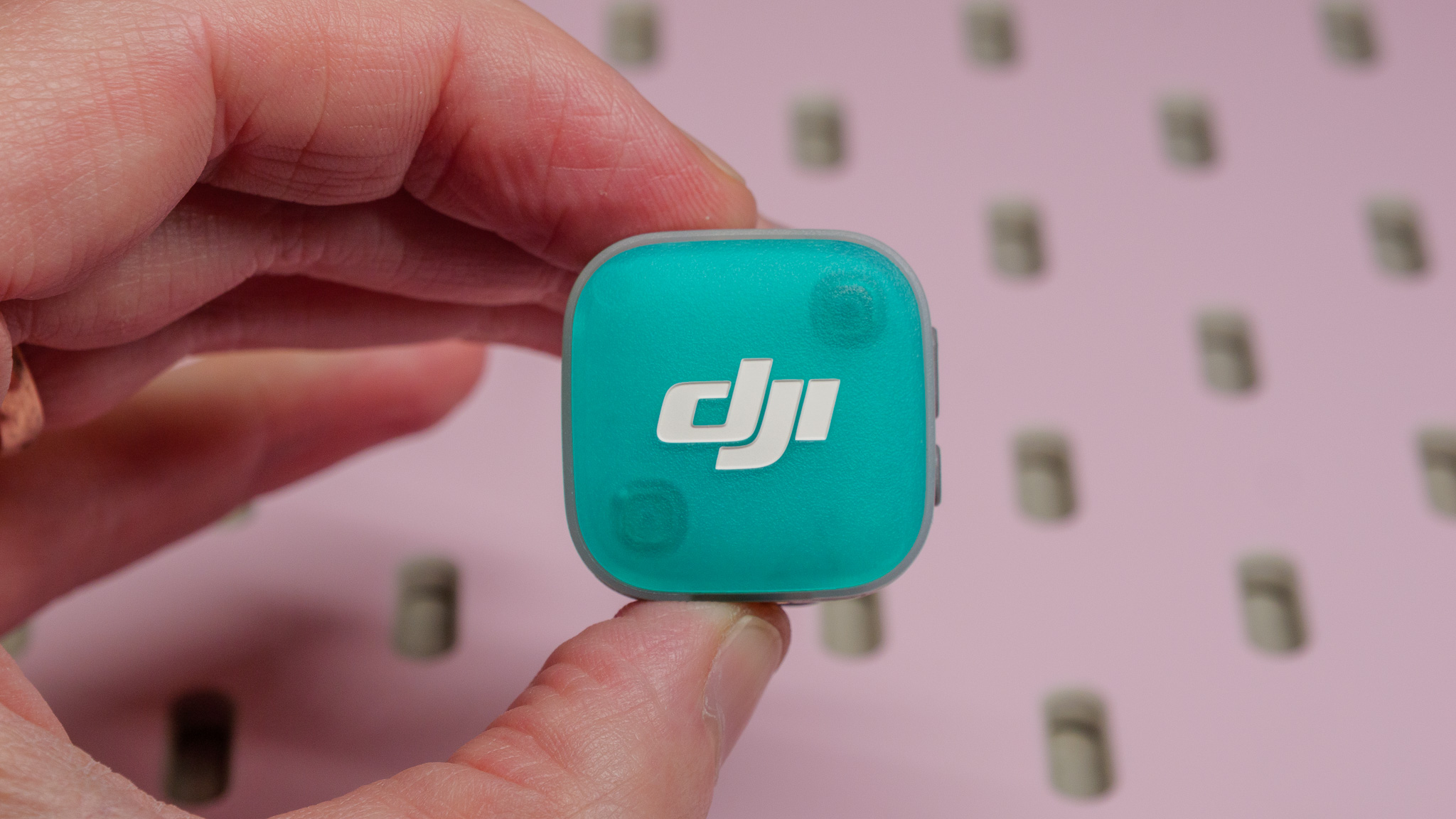
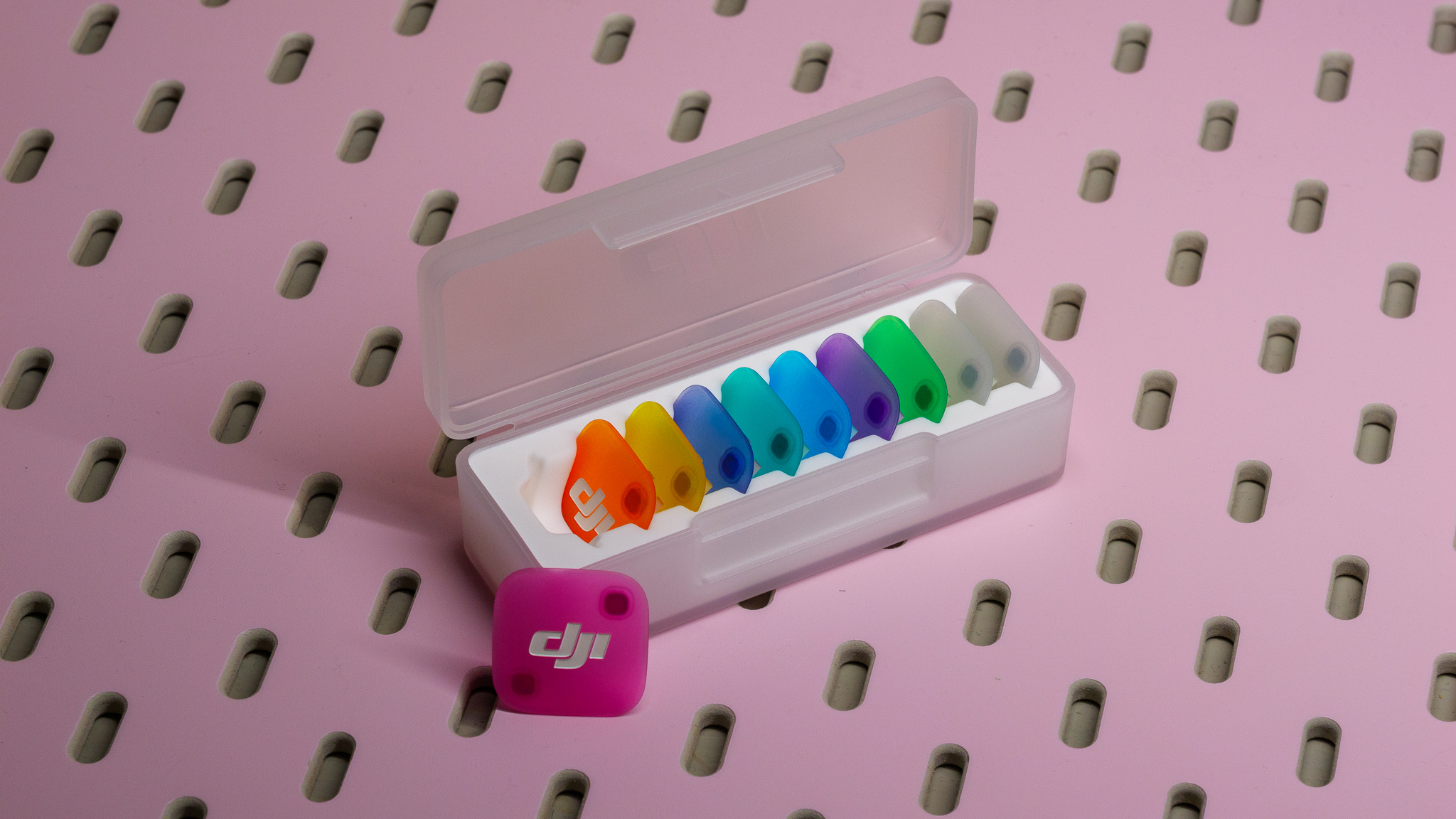
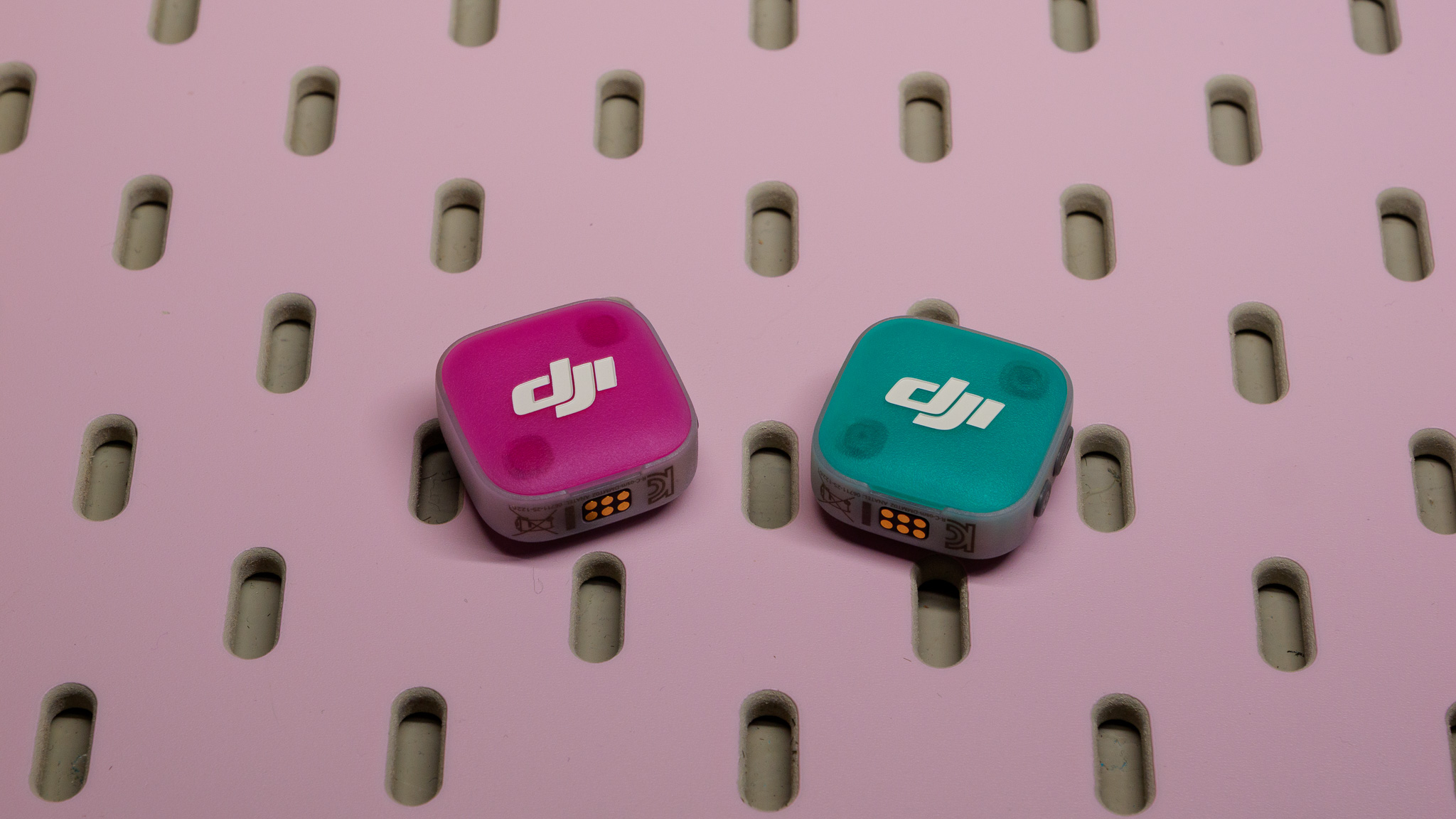
The headline new feature is a set of interchangeable magnetic front covers for the transmitter units, available in colors ranging from white and black to a vivid magenta. Beyond the colorways, the other notable addition over the original Mic Mini is a trio of voice tone presets — Standard, Rich, and Bright — designed to let users subtly shape their vocal recordings.
Everything else will be instantly familiar to anyone who owns the original Mic Mini: the same compact and lightweight transmitter and receiver form factor, the same 24-bit 48kHz audio quality, the same maximum range of 400m with the standard receiver (or 300m with the mobile receiver), and the same claimed battery life of 11.5 hours for the transmitter and 10.5 hours for the receiver, extendable to 48 hours total using the charging case. Two-level active noise canceling is included, and the system is compatible with DJI's OsmoAudio ecosystem, meaning it connects wirelessly without a receiver to devices like the Osmo Action 6 and Osmo 360.
In my testing, audio quality proved crisp and clear, and the active noise canceling did a solid job of taming ambient noise. The voice tone presets, however, were a different story: the differences between Standard, Rich and Bright were so subtle in practice as to be barely worth mentioning, let alone factoring into a buying decision.
That verdict could stand in for the Mic Mini 2 as a whole, really. For buyers new to the world of wireless mics, it's an excellent option: lightweight, affordable, versatile, and easy to use. But for anyone coming from the original Mic Mini, the interchangeable covers and voice presets aren't a compelling reason to upgrade.
Also worth noting: DJI has confirmed that a Mic Mini 2S is coming this summer, bringing with it internal storage for solo recording and support for up to four transmitters simultaneously. If those features matter to you, it's worth sitting tight for now.
The Mic Mini 2 is a fine product sold at a great price. It just happens to be a product that DJI has already announced it will meaningfully improve in a matter of months – which makes it a harder sell than it might otherwise be.
DJI Mic Mini 2: price and release date
- Priced from £49 / AU$89
- Sold in two bundles – but transmitters not available separately
- Available now (except in the USA)
The DJI Mic Mini 2 was released worldwide on April 28 2026 – although, as with all recent DJI products, it will not officially launch in the USA. Not yet, anyway.
DJI offers the Mic Mini 2 in two bundles: the DJI Mic Mini 2 (2 TX + 1 RX + Charging Case) package costs £89 / AU$149 and includes two transmitters, a receiver, a charging case, two windscreens, two white magnetic front covers, two black magnetic front covers, two magnetic clips, two magnets, a carrying pouch, a USB-C mobile phone adapter, a 3.5mm audio cable, a USB-C charging cable and a box of multi-color magnetic front covers (see below).
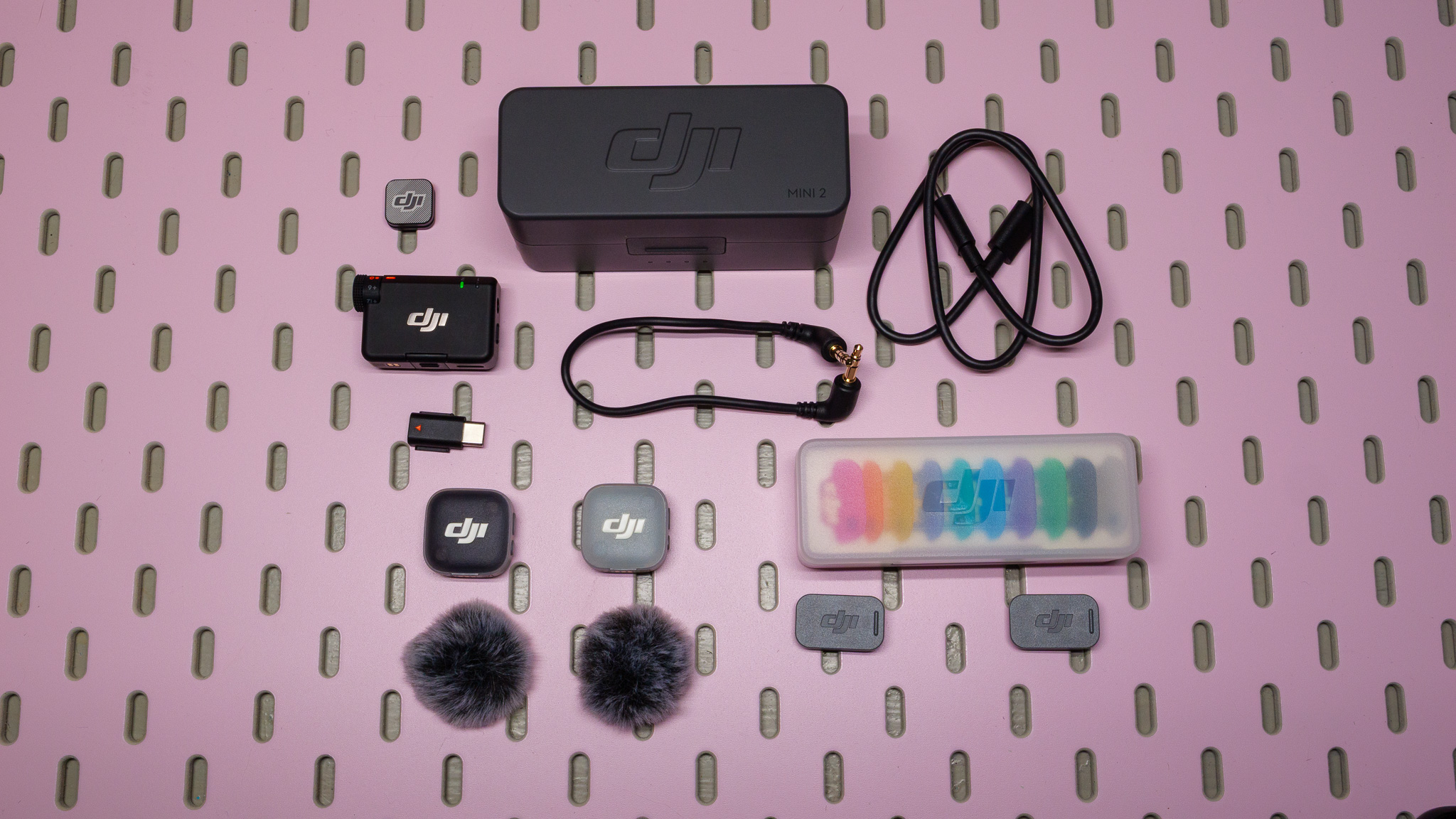
Also available is the DJI Mic Mini 2 (1 TX + 1 Mobile RX + Charging Case) bundle, which includes a single transmitter, a mobile receiver, a small charging case, one windscreen, one black magnetic cover, one white magnetic cover, one magnetic clip, one magnet, one USB-C charging cable and a carrying pouch. It's priced at just £49 / AU$89.
Unlike the original Mic Mini, DJI doesn't appear to be selling Mic Mini 2 transmitters (mics) solo – at least not at launch. That's a shame – for some buyers using the Osmo Audio system or linking the transmitter directly to their phone via Bluetooth, a receiver and charging case may not be necessary.
However, the overall pricing seems much cheaper than the original Mini, which at launch cost £145 / AU$245 for the complete kit and £49 / AU$69 for individual TX units. So in terms of value, I think the Mic Mini 2 has a lot going for it.
DJI Mic Mini: specs
Swipe to scroll horizontally
Dimensions | TX: 28.6 x 28 x 13.5mm / RX: 46.5 x 29.6 x 19.3mm / Mobile RX: 39.3 x 27.3 x 9mm |
Weight | TX: 11g (without clip or magnet) / RX: 17.8g / Mobile RX: 6.5g |
Range | With standard RX: up to 400m / with mobile RX: up to 300m |
Connectivity | RX: USB-C / Lightning, 3.5mm jack |
Bluetooth | Yes |
Battery | 11.5 hours (transmitter), 10.5 hours (receiver), up to 48 hours with fully charged case |
Noise cancelling | Two-level |
DJI Mic Mini 2: Design
- Transmitters support swappable front panels
- Clip or magnetic attachment
- Receiver offers manual audio gain, but no monitoring
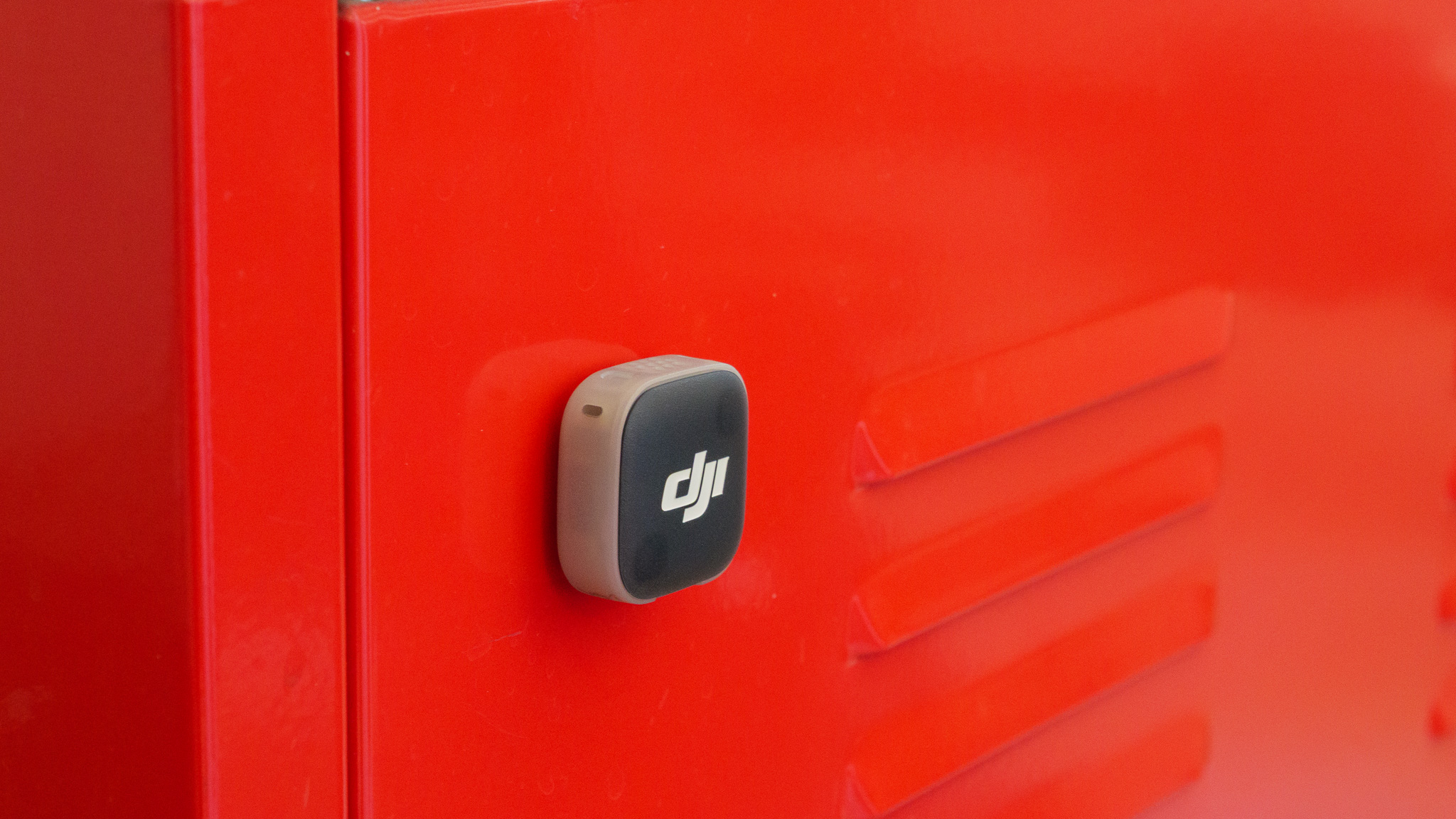
If we're talking transmitters (also known as the TX units), the Mic Mini 2 looks a lot more like the full-size Mic 3 than it does the original Mic Mini. There's one key difference though: the Mini 2 supports swappable magnetic front covers, which can be prised off with a fingernail and replaced with another of a different color.
The DJI Mic Mini 2 (2 TX + 1 RX + Charging Case) bundle I was sent to review features a whole range of covers, from staid white and black to eye-popping magenta. These might come across a little gimmicky on paper, but they're harmless and fun – even if I can't really think of too many practical reasons why you'd need them (DJI markets them for outfit matching).
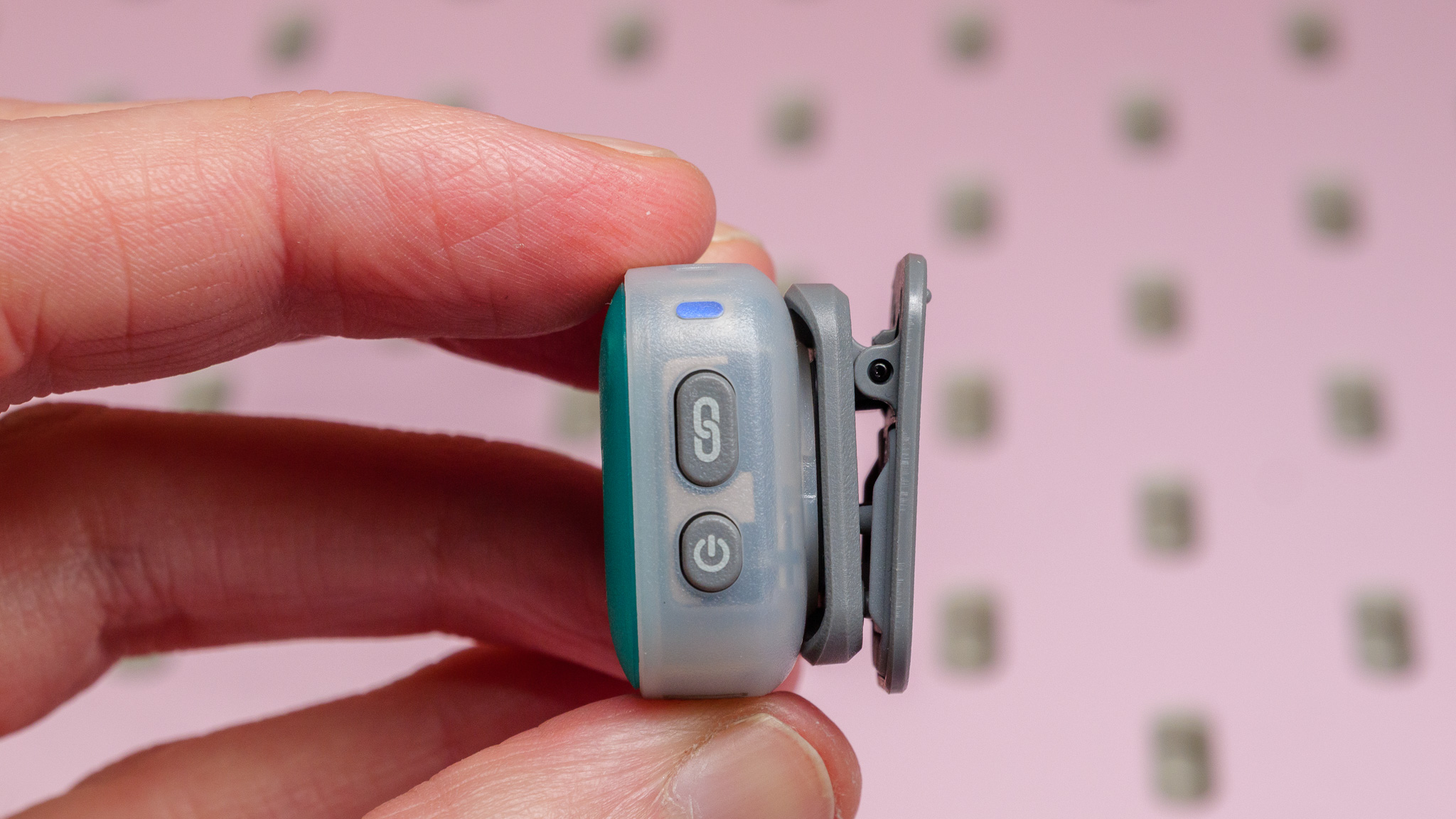
Besides the covers, the TX can be fitted with a clip-on furry windshield for outdoor use, as well as two other magnetic accessories for mounting: a small clip for attaching it to collars, caps and lapels, and a single (but sufficiently strong) magnet for clipping it directly to thinner fabrics. The clip's direction can be selected when attaching it, which is handy.
There's also an indicator light and a couple of buttons for powering on/off and pairing the TX with different devices, but other than that, the TX is pretty simple. It doesn't feature on-board storage and, with no USB-C port, can only be recharged in the charging case.
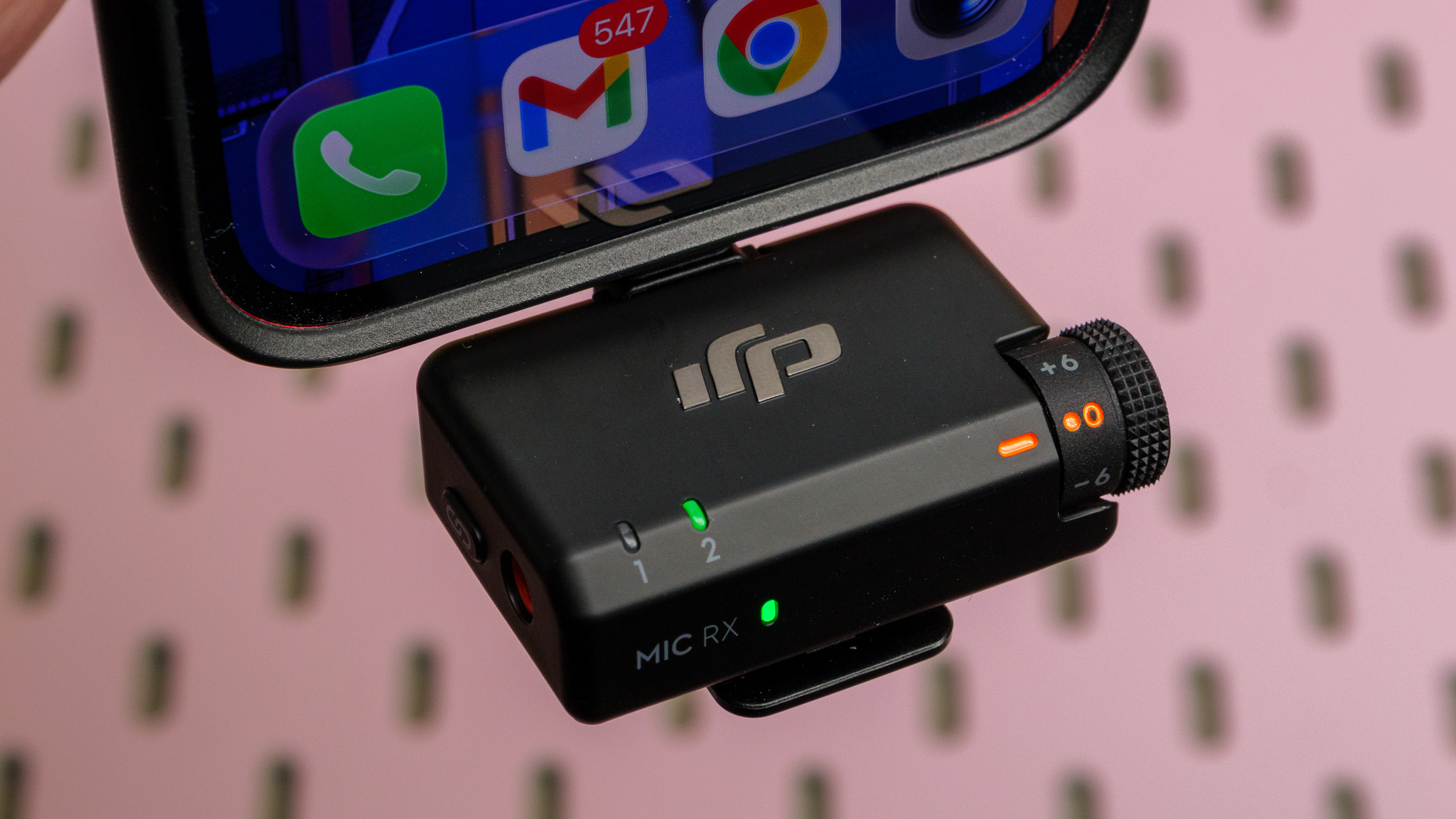
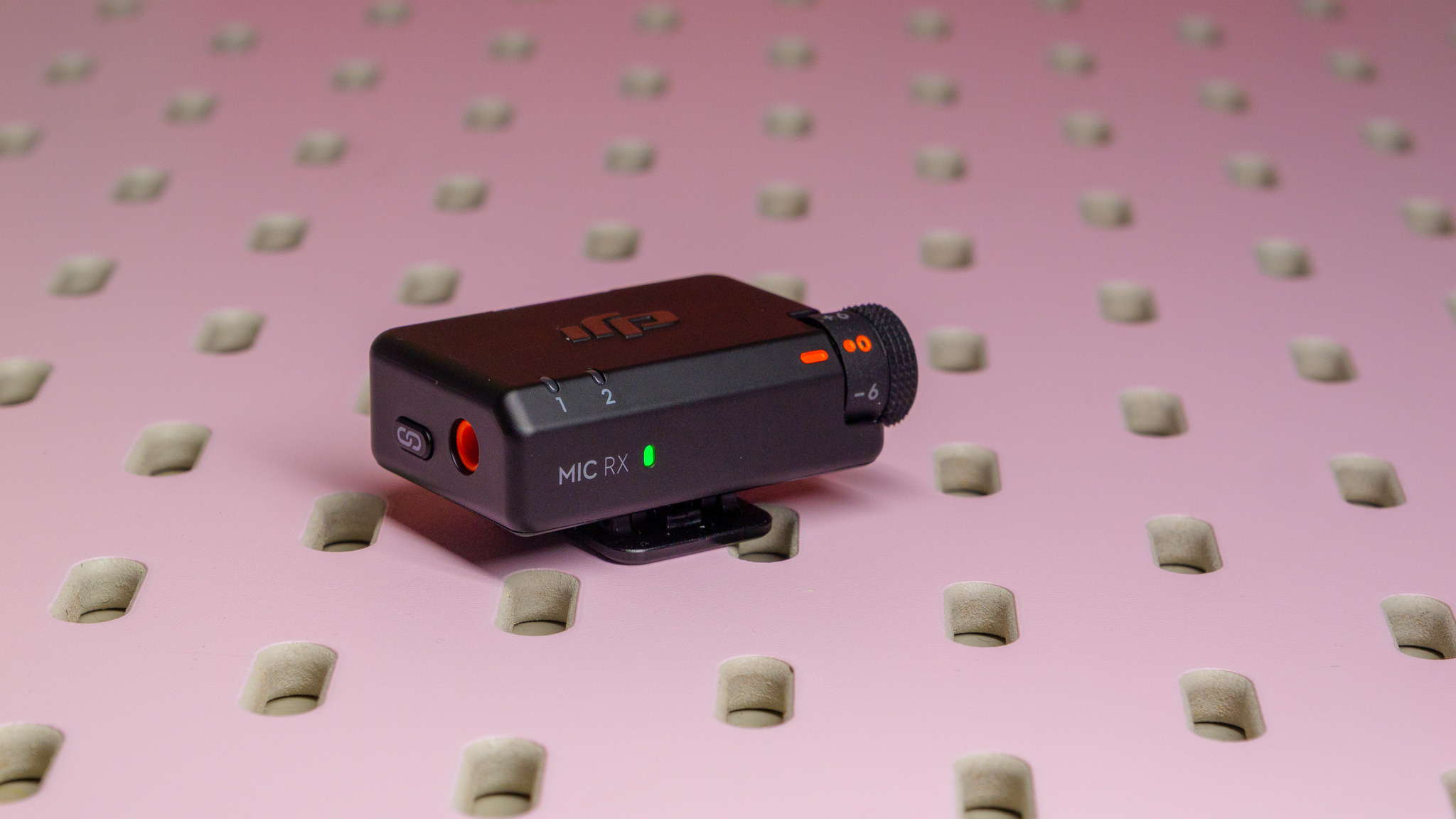
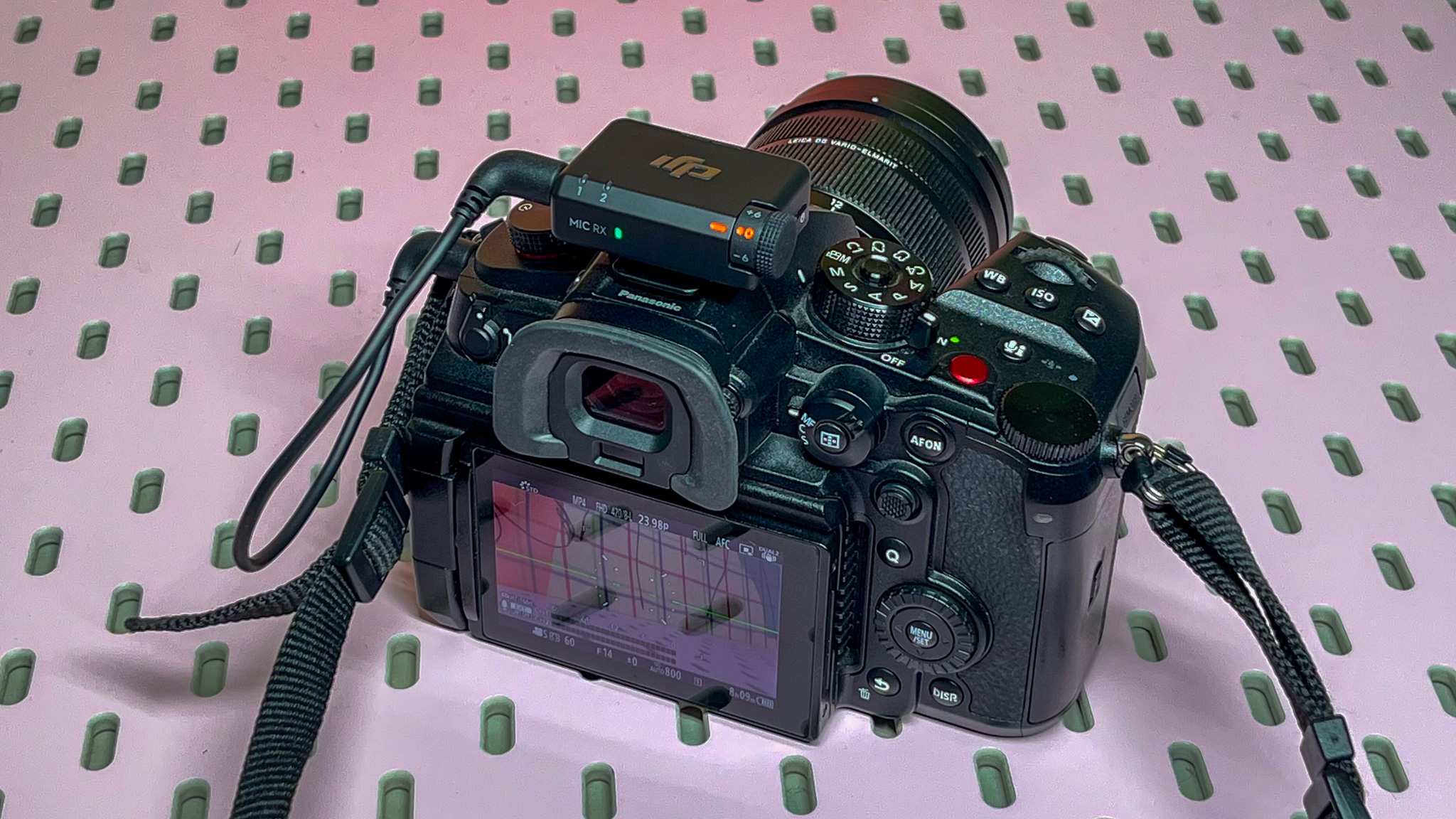
The standard receiver (or RX) looks identical to the original Mic Mini's to my eyes. It suffers from the same drawback, too: with no on-board LCD display, there's no way to monitor levels on the hardware. Still, I suppose that's what the more pro-friendly Mic 3 is for – the Mic Mini 2 is the affordable option, and cuts must be made somewhere. The receiver does have a clip for attaching to clothing, which can also slide onto a camera cold shoe, plus a USB-C adapter for plugging into smartphones (there's a Lightning adapter too, which I used with my iPhone 13, but it's an optional extra rather than included in the box). There's also a 3.5mm jack, dial for adjusting audio levels and power and pairing buttons.
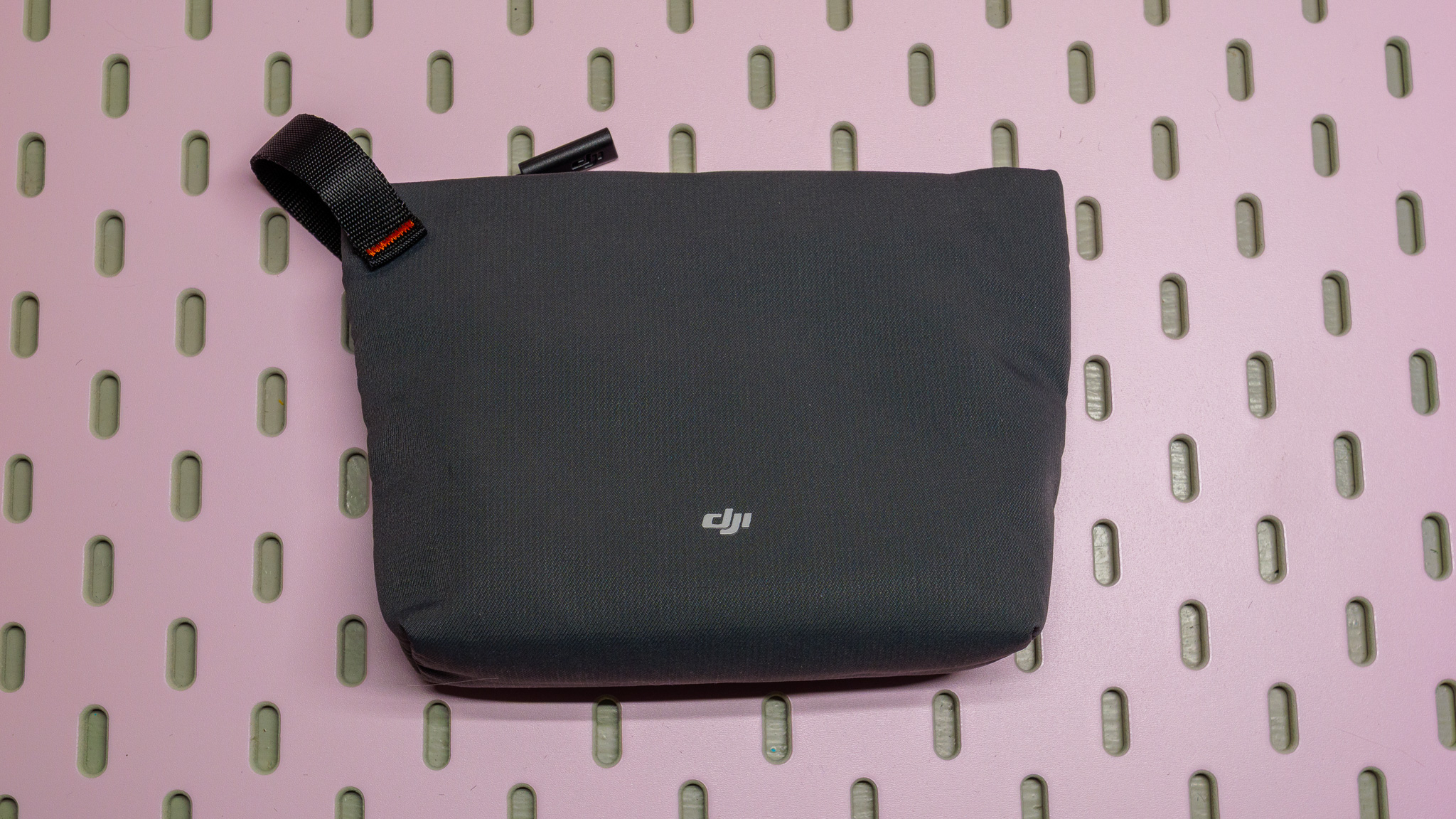
Additionally, the new DJI Mic Mini 2 (1 TX + 1 Mobile RX + Charging Case) bundle comes with a mini receiver unit designed only for attaching to a mobile phone (as with the standard RX, this appears to be the same mobile RX that was available as an accessory for the original Mic Mini). I didn't test this myself (check out our experience with the receiver via the link above) but it's much lighter, smaller and more streamlined than the standard RX, and won't look as awkward when plugged into your handset.
DJI Mic Mini 2: Performance
- 11.5 hours battery life (transmitter), 10.5 hours battery life (receiver)
- Up to 400m range
- Two-level noise reduction and three voice tone presets
The Mic Mini 2 offers 24-bit 48kHz quality audio, just like the original Mic Mini. It's similar in other ways, too: there's a maximum range of 400m between TX and RX; the claimed battery life is the same (11.5 hours for a TX, 10.5 hours for the receiver and a total of 48 hours with the charging case); and there are two levels of active noise cancelling included. Both generations also feature automatic volume limiting to avoid clipping.
And, like the first Mic Mini, it also works seamlessly with OsmoAudio ecosystem products like the DJI Osmo Action 6 and Osmo 360 cameras and Osmo Mobile 8 smartphone stabilizer.
In fact, aside from the changeable covers, the only major difference I could find between this second-gen Mini and the first is the addition of three voice tone presets – Standard, Rich and Bright – which are designed to slightly tweak how vocal recordings sound. In practice, I found the differences between the three settings to be negligible, so I would say that owners of the original Mic Mini have no compelling reason to update to the new model.
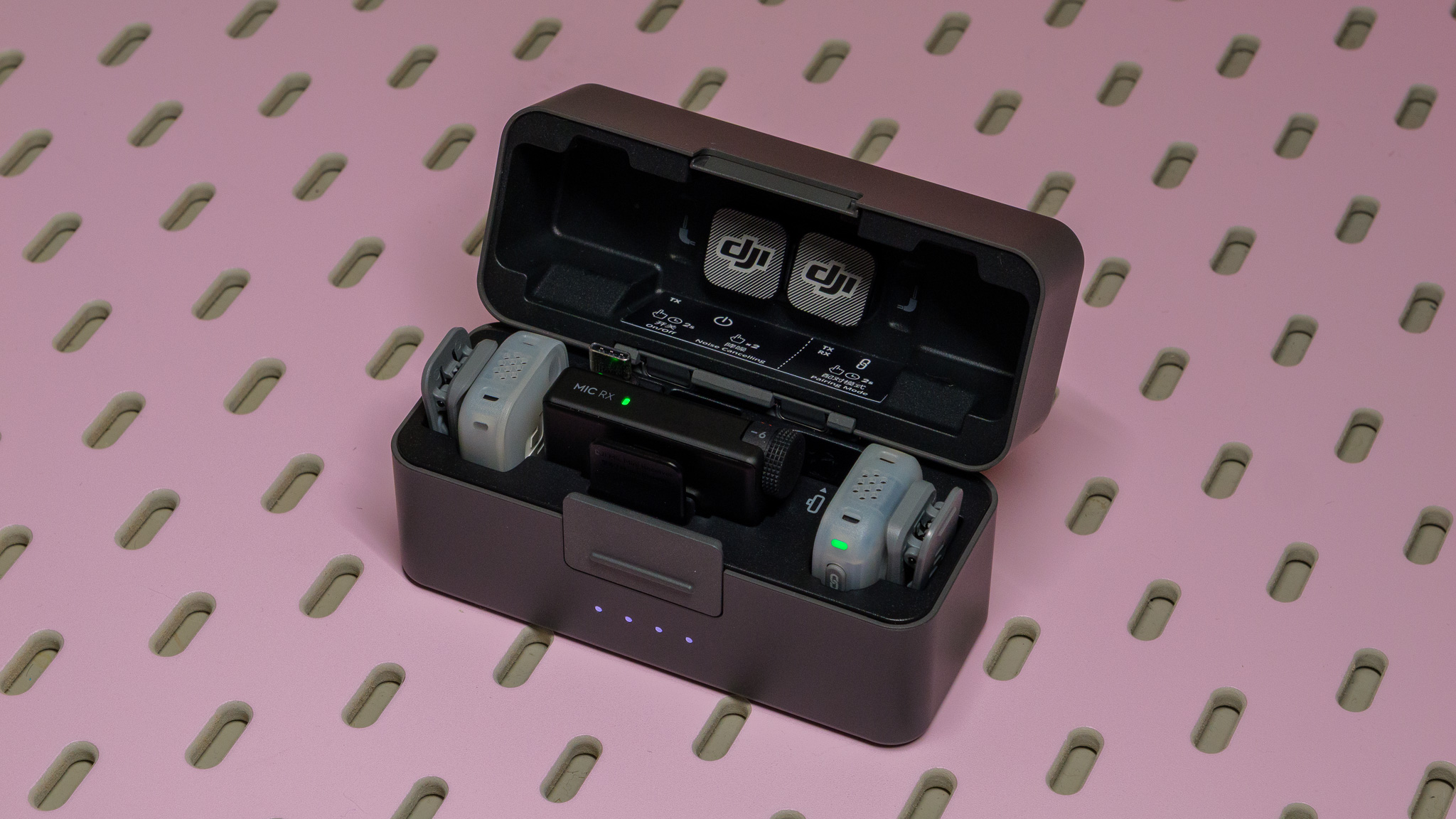
Newcomers looking for a cheap wireless microphone option that performs well will be very happy with what's on offer here, though. I found the Mic Mini 2's quality to be crisp and clear, and a noticeable step up from the built-in mics found in smartphones, vlogging cameras and mirrorless cameras, and the mounting and connectivity options and general ease of use make it a joy to live with. The two-level active noise cancelling works well enough too – I tested it with a fan running in my office and, while it could still be heard whirring away even on the strongest noise cancelling setting, it was reduced enough to prevent it becoming an issue.
Interestingly, DJI tells me that a Mic Mini 2S is coming later in 2026, offering some real upgrades over the original Mic Mini. The Mini 2S's TX units will have internal storage space to support solo recording, and users will be able to connect up to four transmitters to a single receiver. It's launching this summer.
Should I buy the DJI Mic Mini 2?
Buy it if…
You want a cheap mic for multiple devices
Compatible with mirrorless cameras, smartphones and DJI's whole OsmoAudio ecosystem, the Mic Mini 2 is wonderfully versatile for such an affordable microphone.
You want something lightweight and discreet
The DJI Mic 3 isn't large or heavy by any means, but the Mic Mini 2 is even more compact and lightweight – so if size matters, it's worth considering.
Don’t buy it if…
You already own the original Mic Mini
The lack of major upgrades between the first- and second-gen Mic Mini models mean owners of the original Mic Mini should stick with what they've got.
You want 32-bit float or on-board recording
With no internal storage, the Mic Mini 2 doesn't support internal recording or higher quality 32-bit float format audio. However, the upcoming Mini 2S will allow for the former.
DJI Mic Mini 2: also consider
DJI Mic 3
The current gold standard for small wireless mics, DJI's flagship is barely bigger than the Mic Mini 2 but offers better audio quality, more adaptable noise cancelling and pro-friendly features like timecode, built-in storage and support for up to four transmitters.
Read our DJI Mic 3 review
Boya Mini
It's limited to 16-bit and lacks a 3.5mm connection for mirrorless cameras, but if you just need a useable, reliable wireless mic for boosting your smartphone videos, the Boya Mini fits the bill perfectly – and costs next to nothing.
Read our Boya Mini review
How I tested the DJI Mic Mini 2
- Several days of testing indoors and outdoors
- Connected to iPhone 13, DJI Osmo Action 6 and Panasonic Lumix GH6
- Tested with Bluetooth, OsmoAudio and RX
I've not had a huge amount of time to spend with the Mic Mini 2, but in the several days since my sample arrived I've managed to test it both indoors in quiet conditions and outside amongst traffic and wind noise. I've also paired with my iPhone 13, a DJI Osmo Action 6 action camera and my Panasonic Lumix GH6 mirrorless camera, testing it with and without the receiver unit involved.
- First reviewed: April 2026
- Read more about how we test








 English (US) ·