
GoPro Mission 1 Pro ILS: Two-Minute Review
GoPro has built its name on cameras you can strap to anything and forget about. The Mission 1 Pro ILS is pretty much the opposite, requiring you to slow down, think about your settings and focus, and work much harder for the shot you want.
It's the third and quirkiest member of the new Mission 1 family, swapping the fixed lens of its siblings for a Micro Four Thirds mount. It's a major change that drastically reshapes the nature of this camera. Instead of a rugged companion for your next surf session or mountain bike run, it's a creative tool that opens GoPro's superb 1-inch sensor up to hundreds of lenses, from cheap vintage primes to specialist optics that would never fit inside a traditional action cam body.
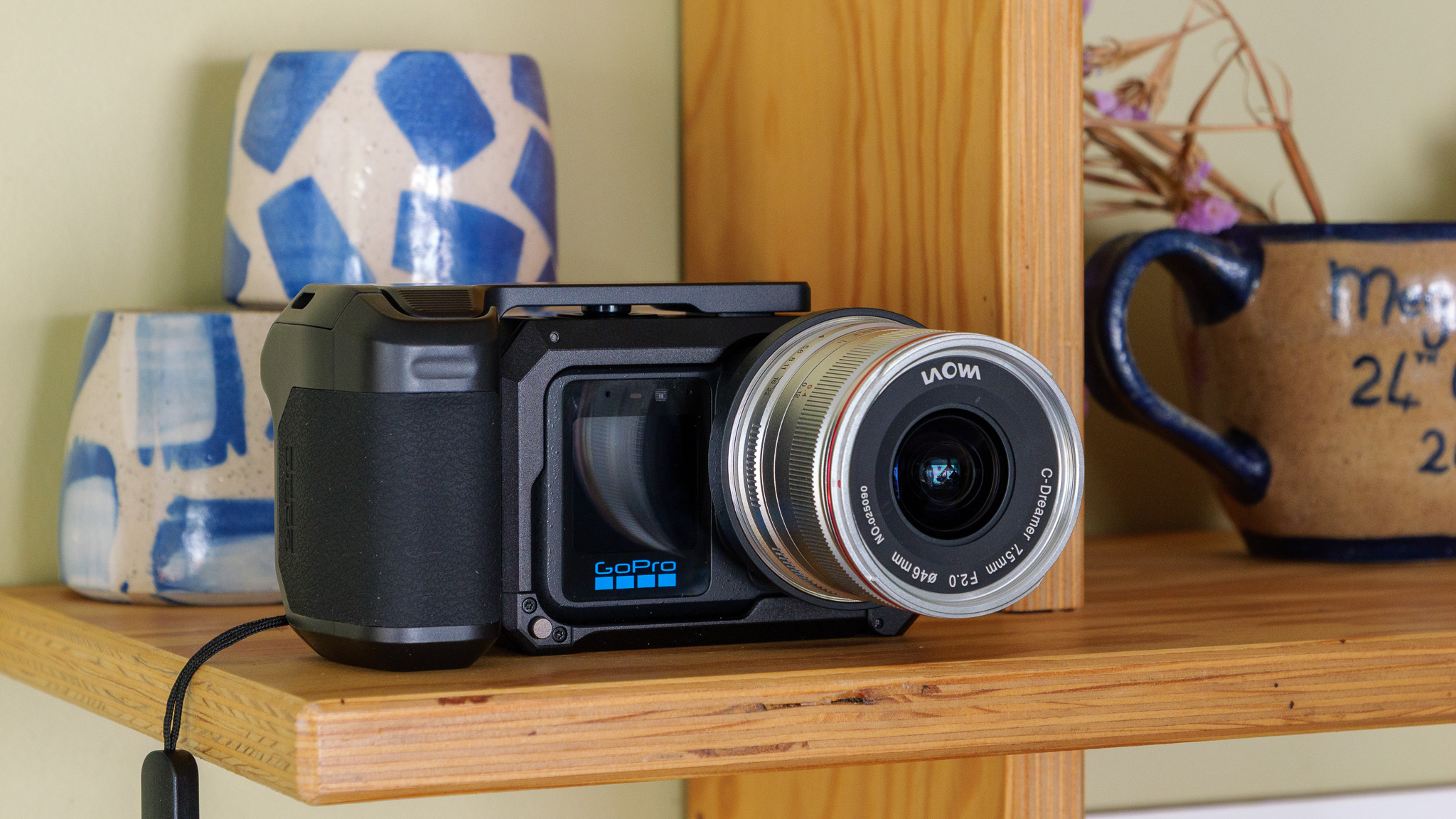
I spent a week shooting with it, mostly paired with a manual Laowa prime, and found it to be a camera that's as rewarding as it is demanding. There's a real skill curve here that longtime GoPro shooters may not be comfortable with, and the payoff — sharper, more considered footage and stills — only arrives once you've put the work in.
Where the ILS earns its keep is its sheer versatility. Want to shoot extreme close-ups a regular GoPro physically can't manage? Fit a close-focusing lens. Chasing a specific look? There's a lens for that too. It's arguably the most flexible camera GoPro has ever made.
That flexibility incurs trade-offs, though — not only is the ILS expensive, it's also less rugged than other GoPro's and lacks autofocus and horizon lock. GoPro's Quik app doesn't make life easier either, constantly nudging you toward a subscription rather than just getting out of the way and letting you shoot. None of that stops the ILS from being a compelling and genuinely different kind of GoPro; it's just one that asks a lot more of you than the ones that came before it.
GoPro Mission 1 Pro ILS: Price and release date
- $699 / £599.99 / AU$1,099.95 (non-member price)
- $599 / £509.99 / AU$949.95 (member price)
- Other models in the series are the Mission 1 and Mission 1 Pro
The GoPro Mission 1 Pro ILS is priced at $699.99 / £599.99 / AU$1,099.95, or $599.99 / £509.99 / AU$949.95 if you're already a GoPro subscriber. That's body-only pricing, of course — you'll need to budget separately for a Micro Four Thirds lens (GoPro doesn't sell any of its own). It's a big chunk of money to spend on a little camera, but at the same time there's not much out there to compare it to, and no direct competitors to undercut it.
It officially launches on September 2 2026, alongside a companion iOS app called Mission Monitor.
Interestingly, the ILS costs exactly what the standard Mission 1 Pro did at launch. But at the time of writing, GoPro has quietly dropped the Mission 1 Pro's price by $100, down to $599.99. That means (for now at least) that you're paying a $100 premium for the ILS's interchangeable lens mount over the Mission 1 Pro that also gets you 20m waterproofing, autofocus and a built-in lens — features the ILS lacks. It's worth considering this trade-off carefully, depending on what you actually plan to shoot.
- Price score: 4/5
GoPro Mission 1 Pro ILS: Specs
Swipe to scroll horizontally
Type: |
Action camera |
Sensor: |
50MP 1-inch type CMOS |
Lens mount: |
Micro Four Thirds |
Displays: |
Front: 1.4-inch LCD Rear: 2.59-inch OLED touchscreen |
Memory: |
No internal storage; supports V30 and Class A2 rated microSD cards |
Video: |
8K Open Gate up to 30fps (no crop) / 8K/60p (cropped) |
ISO range: |
Video: 25-6400 Photo: 100-3200 |
Burst shooting |
60fps |
Processor: |
GP3 SoC |
Connectivity: |
BlueTooth, USB-C, 5GHz Wi-Fi 6 |
Dimensions: |
89.6 x 58.7 x 46.1mm |
Weight: |
197g / 6.94oz (inc. battery but excluding lens) |
GoPro Mission 1 Pro ILS: Design
- Same compact, dual-screened GoPro body, but with a Micro Four Thirds mount up front
- Weatherproof only — loses the standard Mission 1 Pro's 20m waterproofing
- Weighs under 200g before adding a lens
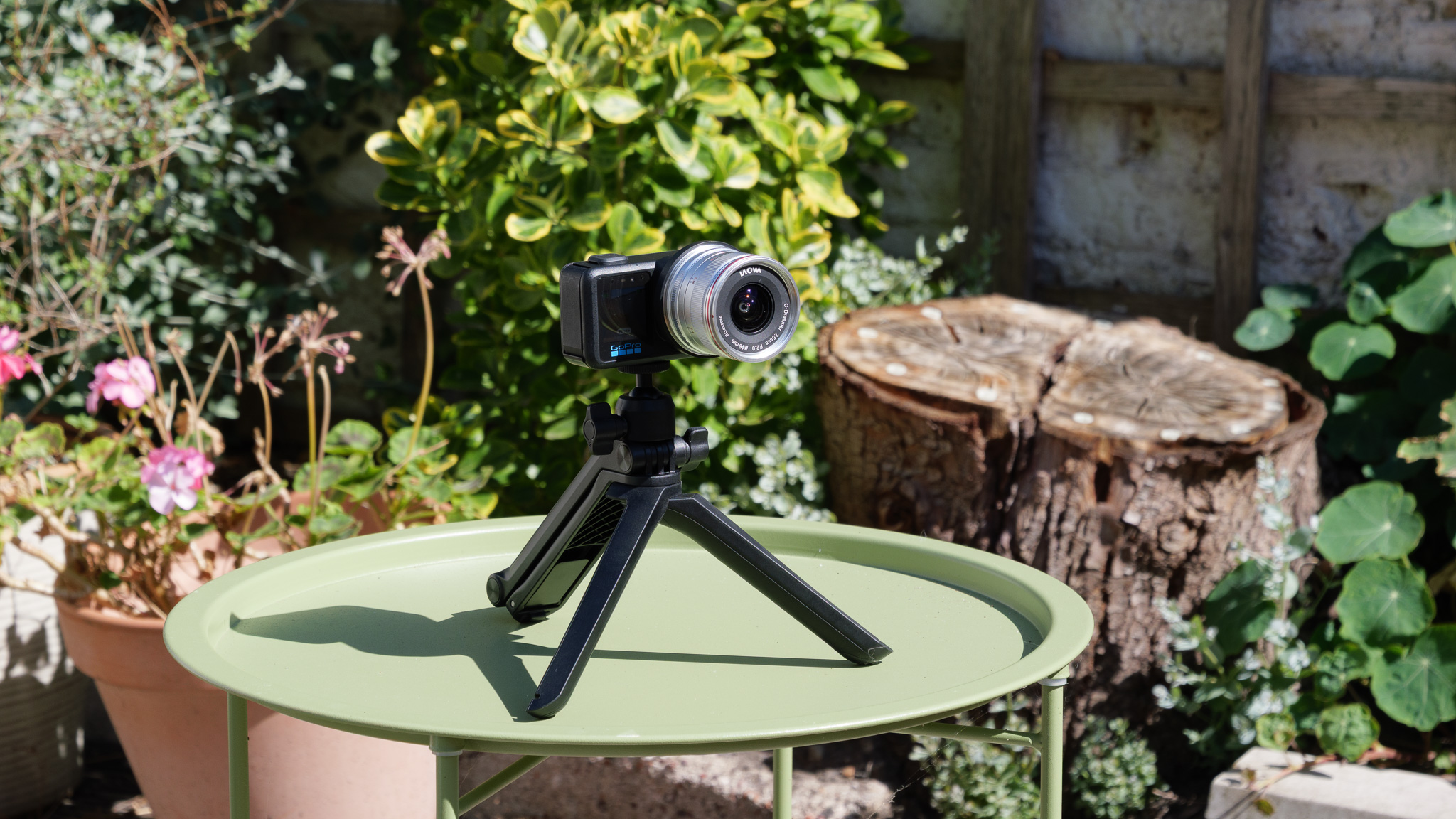
In many ways, you'd struggle to tell the Mission 1 Pro ILS apart from the standard Mission 1 Pro. They have largely the same boxy, dual-screened body, the same 2.59-inch rear OLED touchscreen and 1.4-inch front display, the same big, chunky buttons, the same tripod thread, magnetic clips and mounting fingers on the base (that'll fit any GoPro accessory you already own). GoPro hasn't reinvented the shell here, and given how well the Mission 1 Pro works, that's no bad thing.
What has changed sits right at the front. Instead of the Mission 1 Pro's fixed 14mm lens, the ILS carries a native Micro Four Thirds mount, opening the door to hundreds of compatible lenses — GoPro maintains an official compatibility list if you want to check before you buy, and it already spans everything from fisheyes to vintage manual primes with the right adapter. If you've got a drawer full of old glass, this is the first GoPro that can accommodate it.
Image 1 of 5
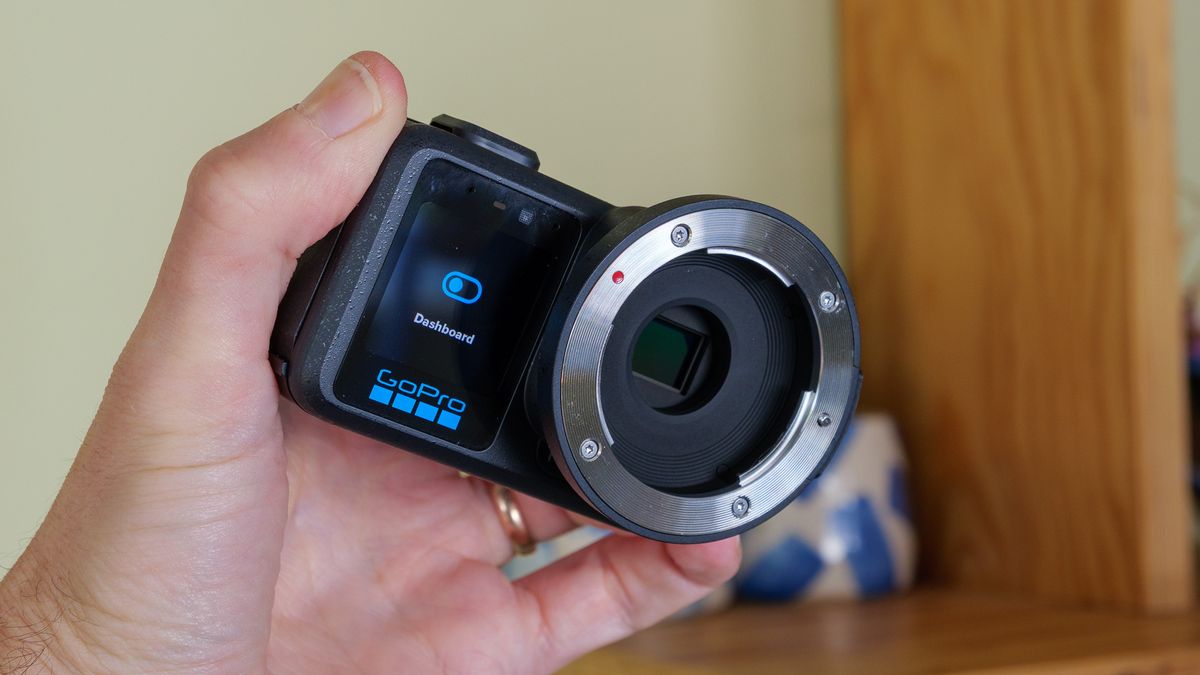
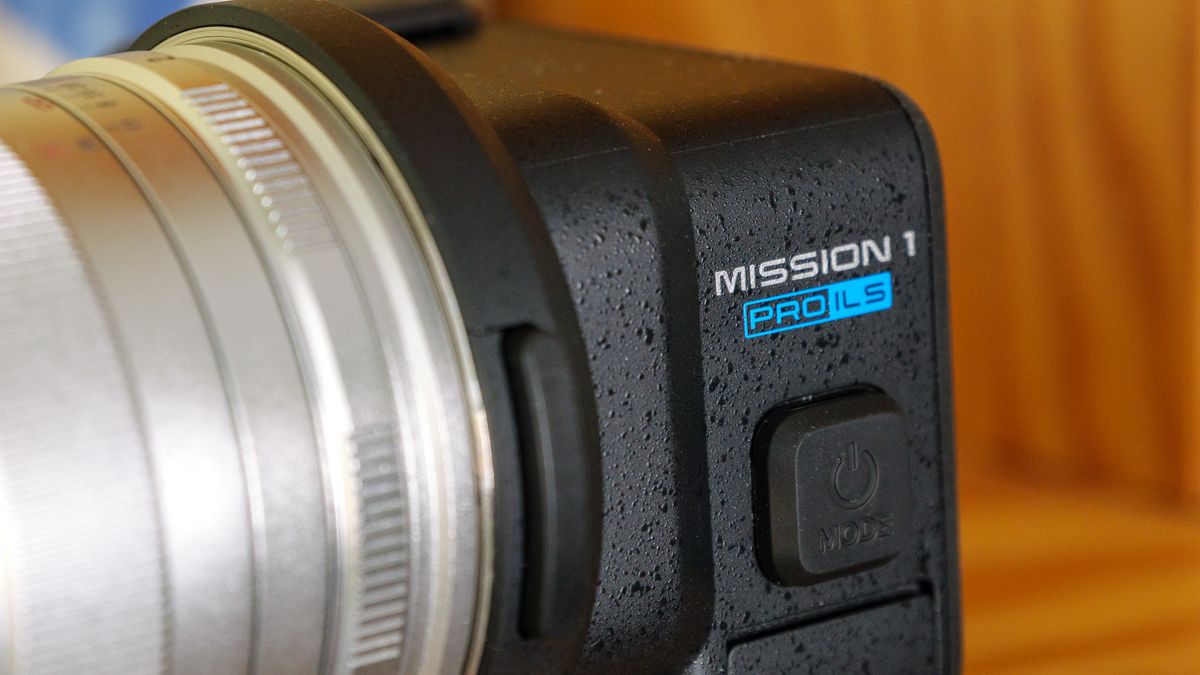
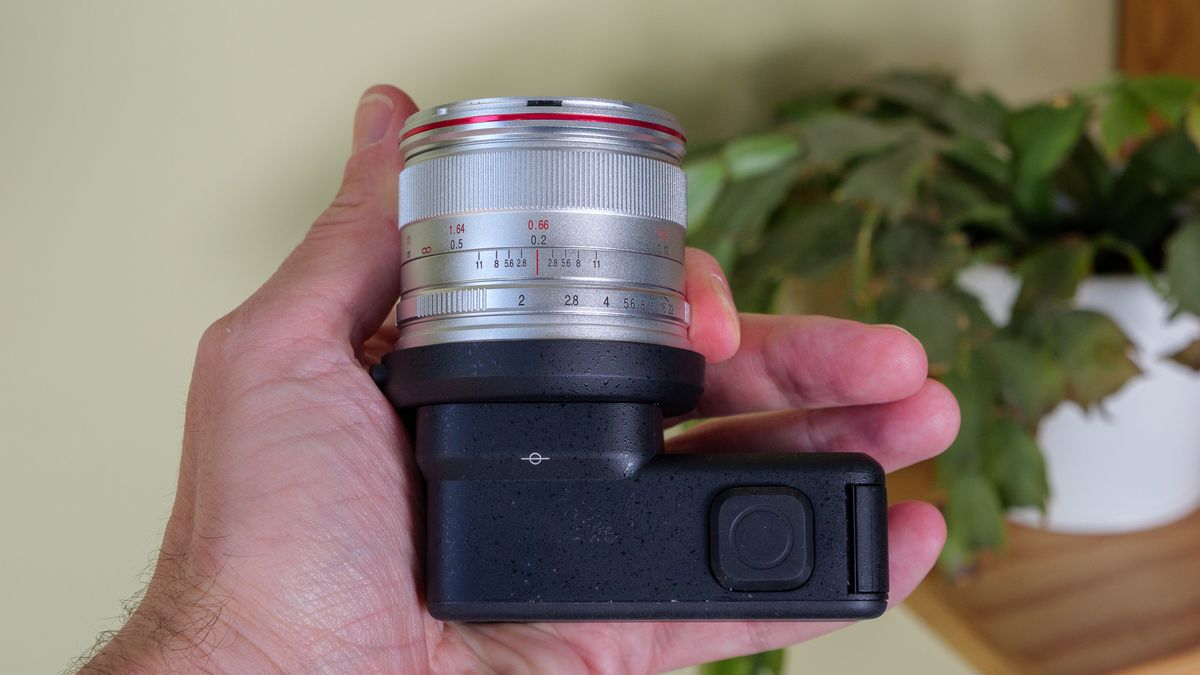
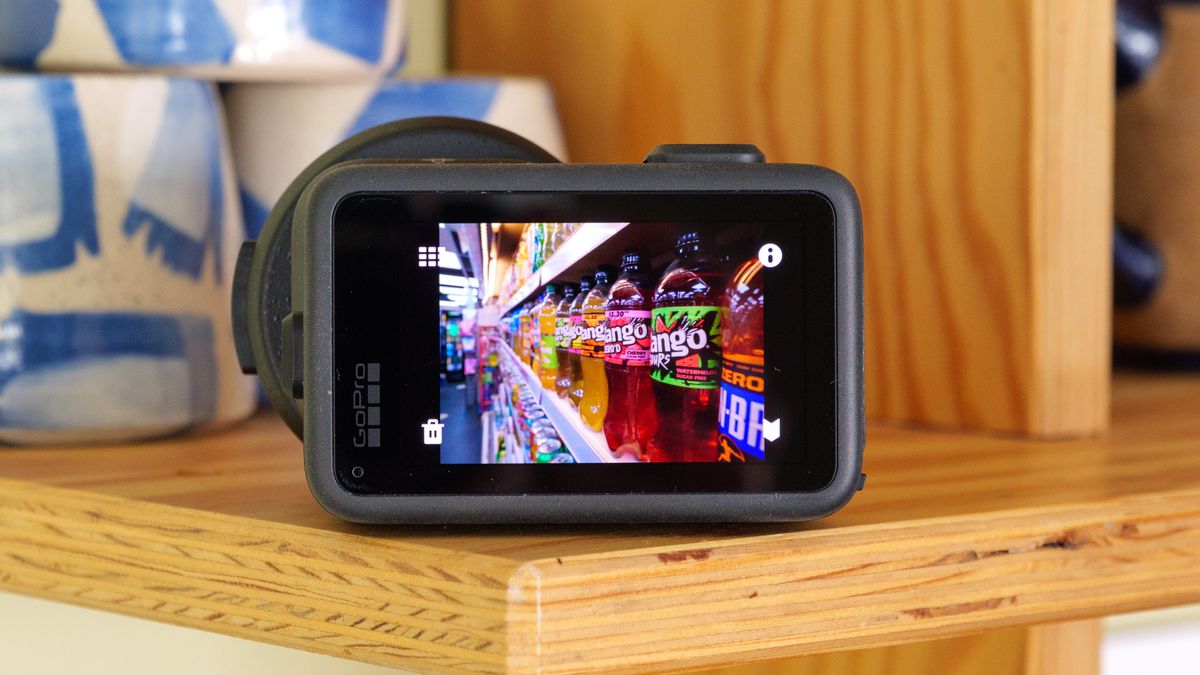
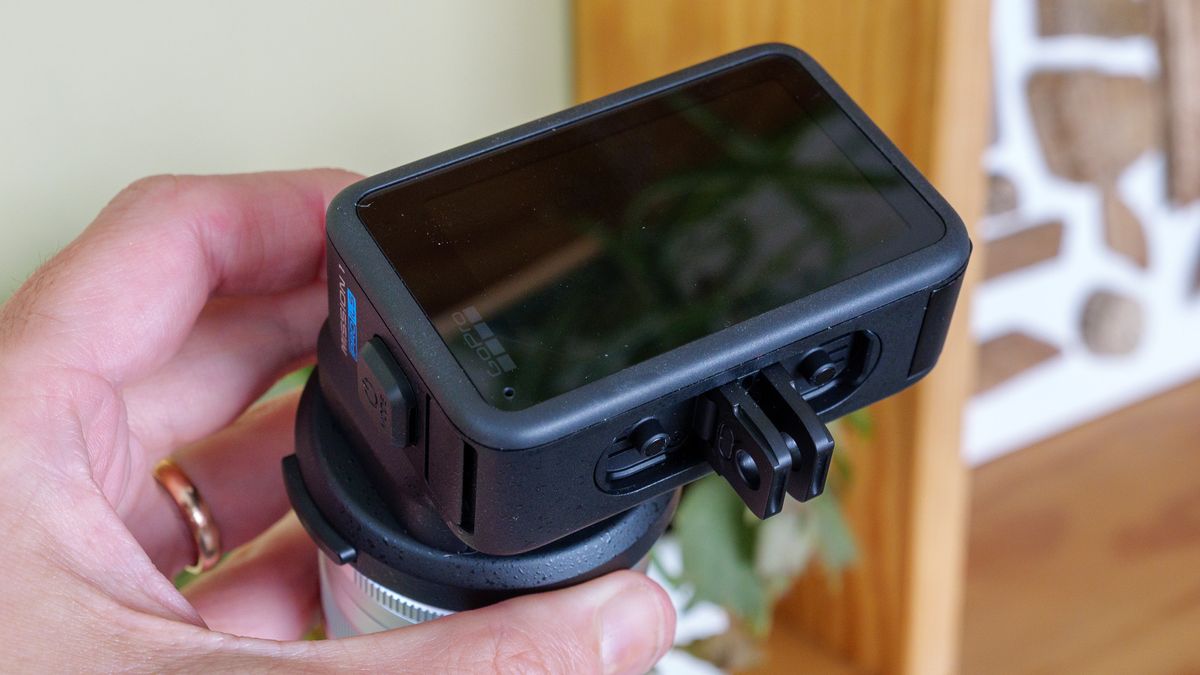
That flexibility comes at a cost to GoPro's trademark ruggedness, though: the ILS is weatherproof rather than waterproof. Unlike the standard Mission 1 Pro's 20m dive-ready housing-free design, you shouldn't be dunking this one in the sea. For a company that made its name letting you bolt or strap a camera to anything and dive into the deep blue, it's quite a shift.
Despite the added complexity of a lens mount, GoPro has kept things impressively compact; at 89.6 x 58.7 x 46.1mm and 197g, it's slightly lighter than the fixed-lens Mission 1 Pro. Of course, you'll have the weight of a lens to add to that. It's a world away from my everyday MFT camera, the lumpen — if lovable — Panasonic Lumix GH6. If you need to wedge an interchangeable lens into a tight spot, the ILS is hard to beat.
- Design score: 4/5
GoPro Mission 1 Pro ILS: Performance
- Manual focus only, with no subject tracking or horizon lock
- Can focus far closer than the standard Mission 1 Pro's 60cm minimum
- Battery life of up to 96 minutes with 8K 4:3 recording
Losing autofocus is the single biggest adjustment coming from a standard Mission 1 Pro. GoPro has equipped the ILS with focus peaking to help you nail manual focus, but on the ILS's small screens I found it a real challenge — my shots weren't always in focus when I thought they were, and I lost a handful of otherwise good clips to softness as a result. Frustratingly, focus peaking doesn't work at all on the front-facing screen, which stings if you're trying to frame up a selfie or vlog shot. I'd like to see GoPro patch that in with a firmware update, since I can't see a technical reason why it wouldn't be possible.
There are better ways to nail focus than squinting at the rear screen, though. GoPro's Quik app offers a focus peaking preview, and there's also the new Mission Monitor app (sadly iOS-only at launch) for a bigger, clearer view. That one requires a wired connection between the camera and your iPhone or iPad, and since I don't own a USB-C to Lightning data cable, I wasn't able to put it through its paces myself. What I could do was hook the ILS up to an external monitor via a USB-C to HDMI adapter, and that worked well as a live-preview solution.
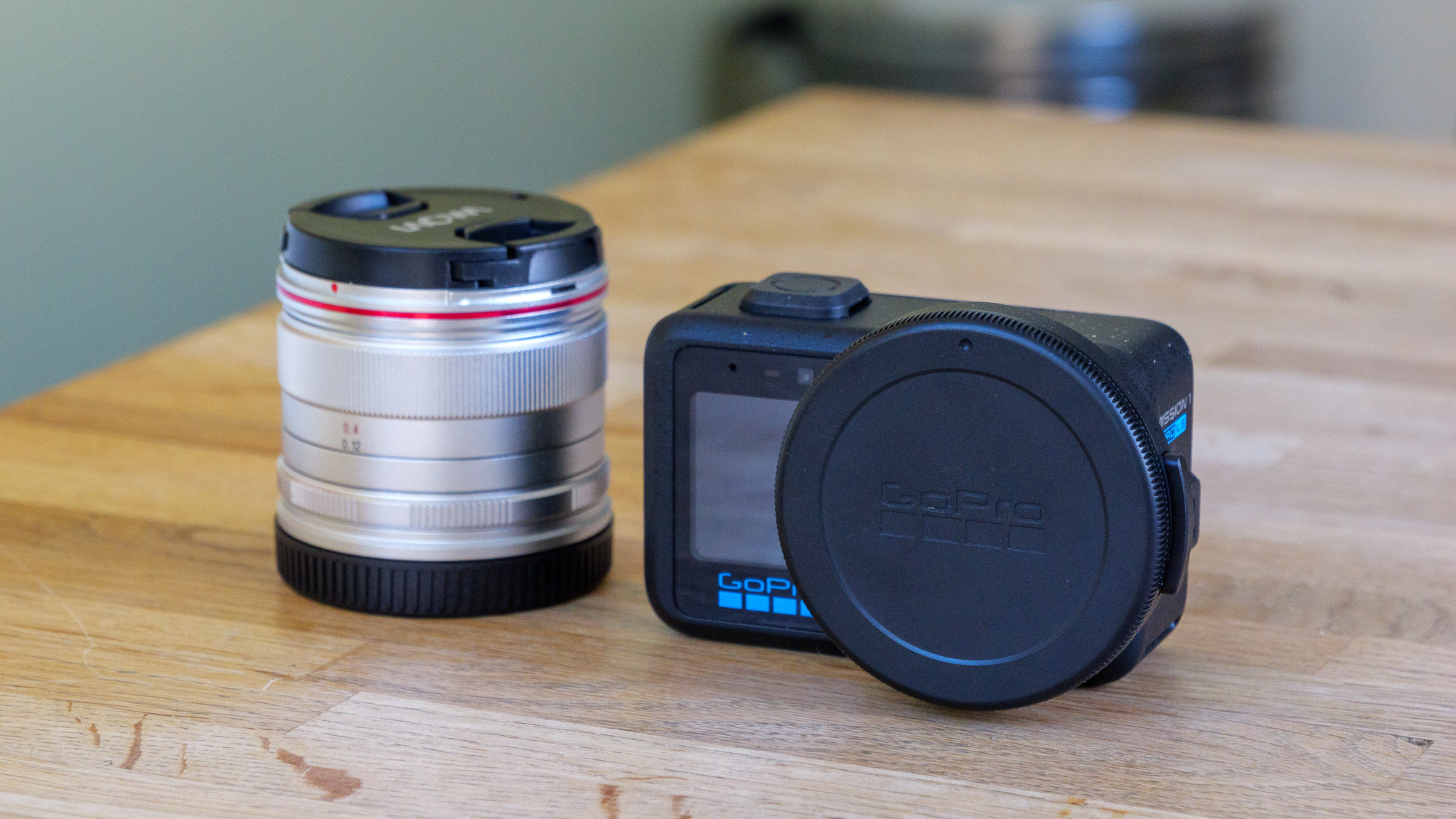
I tested the ILS with two lenses: a Laowa 7.5mm f/2.0 that GoPro loaned to me alongside my review sample, and my own Panasonic 12-60mm zoom. The Laowa — a manual focus, manual aperture prime — is how this camera wants to be used. I couldn't get the Panasonic zoom to focus properly at all. If you've got a stash of vintage manual glass and a MFT adapter, you're in for a good time.
It's important to note that, despite the MFT lens mount, the ILS isn't an MFT camera. Its 1-inch sensor is smaller than an MFT's, which results in a larger crop factor. For example, if you fitted the Laowa 7.5mm lens to a standard MFT camera, MFT's 2x crop means its effective 35mm equivalent focal length is 15mm. The ILS has a 2.7x crop factor, rising to 3x with HyperSmooth stabilization on. So that means the same lens will have a 20.5mm focal length, or 22.5mm with stabilization. Consequently, you'll need a very wide fisheye lens to get the sort of ultra-wide focal length offered by most GoPros, but conversely it's easier to achieve tighter framing for portraits and so on.
I was pleased to discover that the ILS, at least paired with that Laowa lens, could focus far closer than the standard Mission 1 Pro is capable of. The regular Mission 1 Pro has an almost comically long 60cm / 24-inch minimum focus distance that rules out close-up work entirely. The ILS has no such limitation, opening the door to macro-style shots and detail work that's simply off the table on GoPro's fixed-lens model. It's not enough to make me recommend the ILS to vloggers, mind you — the lack of autofocus and subject tracking still counts heavily against it there. The Hero 13 Black with macro Lens Mod is a decent alternative for such uses.
In addition to subject tracking, horizon lock is also unavailable here. Both are present on the standard Mission 1 Pro, and so if you're relying on GoPro's software smarts to keep you level and in frame, you'll need to look at the fixed-lens models instead of the ILS.
Audio quality is solid, if unremarkable — echoing what my colleague Hamish Hector found when testing the Mission 1 Pro's built-in mics, the ILS captures voices and everyday sound clearly, with wind noise capably filtered out of the mix (up to a point).
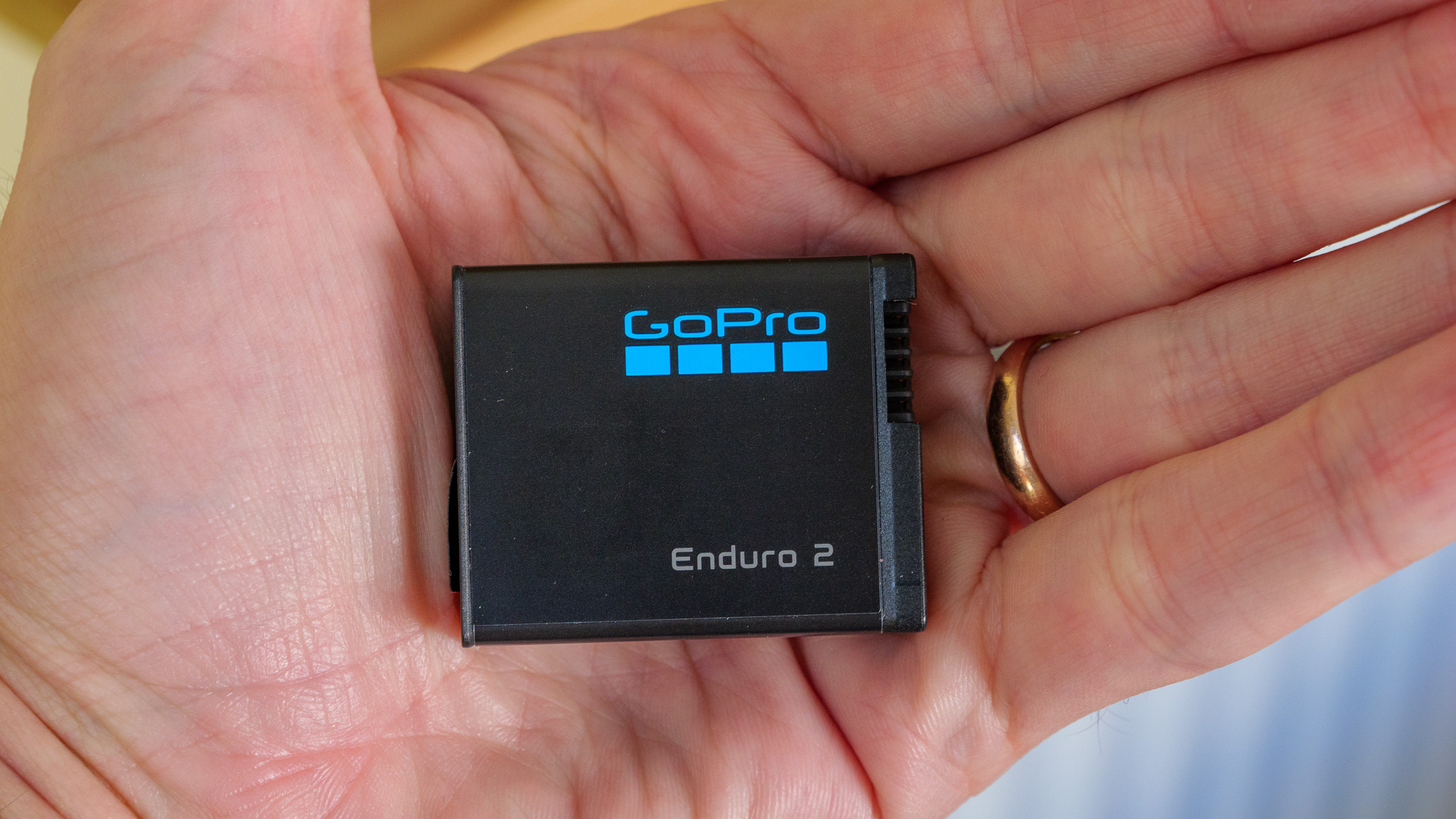
Battery life is very respectable. GoPro rates the included Enduro 2 battery at 96 minutes for 8K Open Gate at 30fps, or 74 minutes for 16:9 8K at 60fps, and my own real-world testing lined up closely with those figures. Thermal management is similarly solid — I only ran into overheating issues when shooting at the top end of the spec sheet (50/60fps in 8K or 200/240fps in 4K), and with decent airflow around the camera you may not experience overheating at all.
There's no built-in storage, as with virtually every GoPro. You'll need a fast V30, Class A2-rated microSD card, and you'll want it to have lots of space too — those 8K Open Gate files are huge.
- Performance score: 4/5
GoPro Mission 1 Pro ILS: Image quality
- Supports 8K video up to 30fps (Open Gate) and 60fps (16:9), plus slo-mo up to 960fps in burst mode
- Maximum bitrate of 300Mbps when using experimental GoPro Labs firmware
- Photos in JPEG and RAW up to 50MP resolution
When I actually managed to nail focus, the results were exactly what you'd hope for from that 1-inch sensor. For video, I shot most of my test footage with the Laowa 7.5mm lens, which plays nicely with GoPro's HyperSmooth stabilization. For anyone planning to color grade their own footage, I'd recommend GoPro's suggested settings — GP-Log2 color profile, 10-bit color depth, and the maximum bitrate available (240Mbps on regular firmware, or 300Mbps if you install the experimental GoPro Labs firmware — less stable than standard firmware but intended for enthusiasts who want to push performance to its limits) — shooting in 16:9 8K at 60fps.
I also tried Open Gate, which is one of the headline features shared with the standard Mission 1 Pro, but found the combination of huge file sizes and a 30fps ceiling too restrictive for how I like to shoot. It's a useful option to have, especially if you want maximum reframing flexibility in post, but it's not where I ended up spending most of my time.
For my main test clip, I mounted the ILS to my car using a single SmallRig suction cup — the camera's light weight meant I didn't need the full triple-cup rig I'd normally reach for, which kept setup quick. I edited the footage by applying one of GoPro's official LUTs before fine-tuning the color in DaVinci Resolve, and I'm really pleased with how it turned out. I'm no post-production expert, but anyone who is will have a field day pairing this sensor with the right glass.
Stills tell a similarly promising story, with caveats. I took the ILS out with the Laowa lens and GoPro's Point-and-Shoot Grip for a photo walk along the coast, shooting in RAW format at 50MP and, in lower light, 12MP. Editing in Adobe Lightroom afterward, the RAW files gave me a huge amount of latitude to shape the final look — much more than I'm used to getting out of an action camera. The Laowa itself let the side down slightly, with softness and a tendency to flare, but that's a lens characteristic rather than anything to do with the camera; pair the ILS with sharper glass and I'd expect noticeably cleaner results.
Image 1 of 9

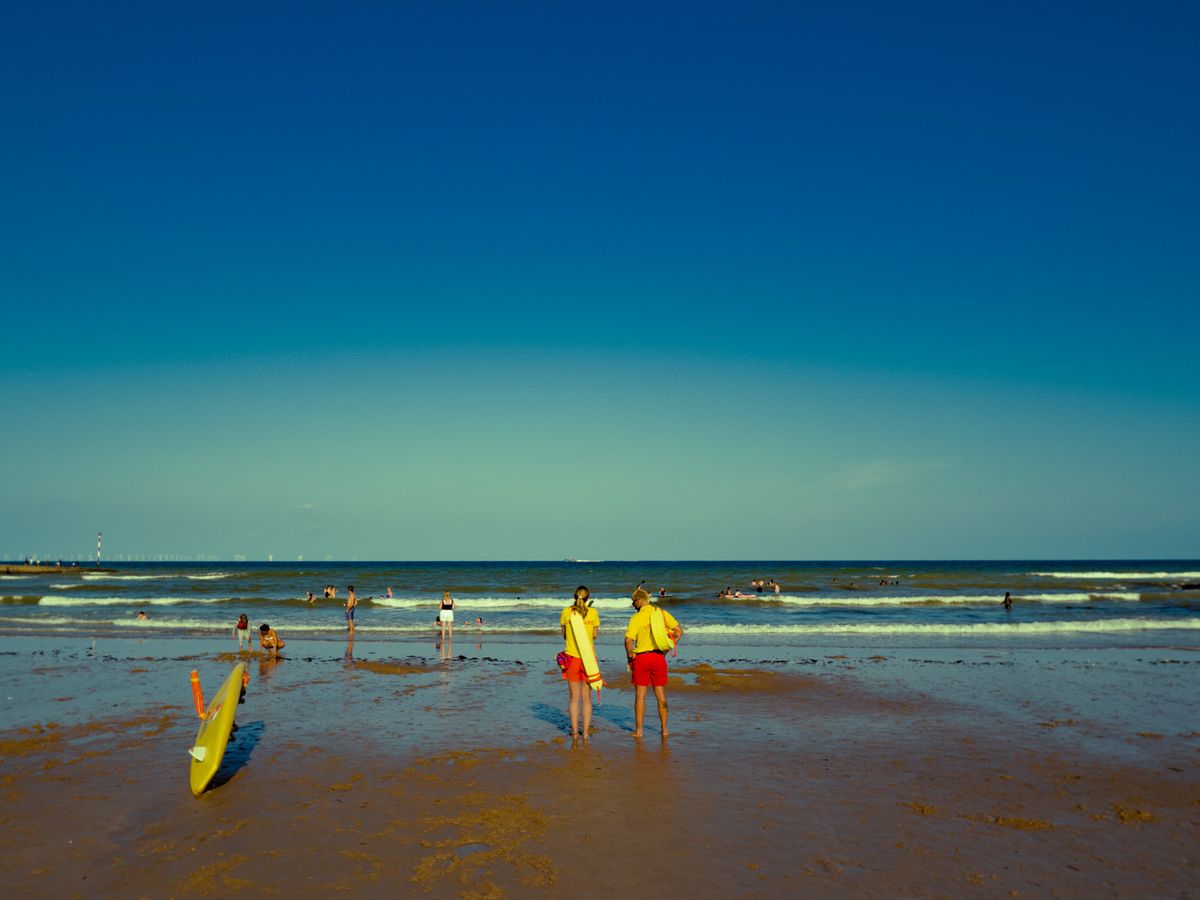
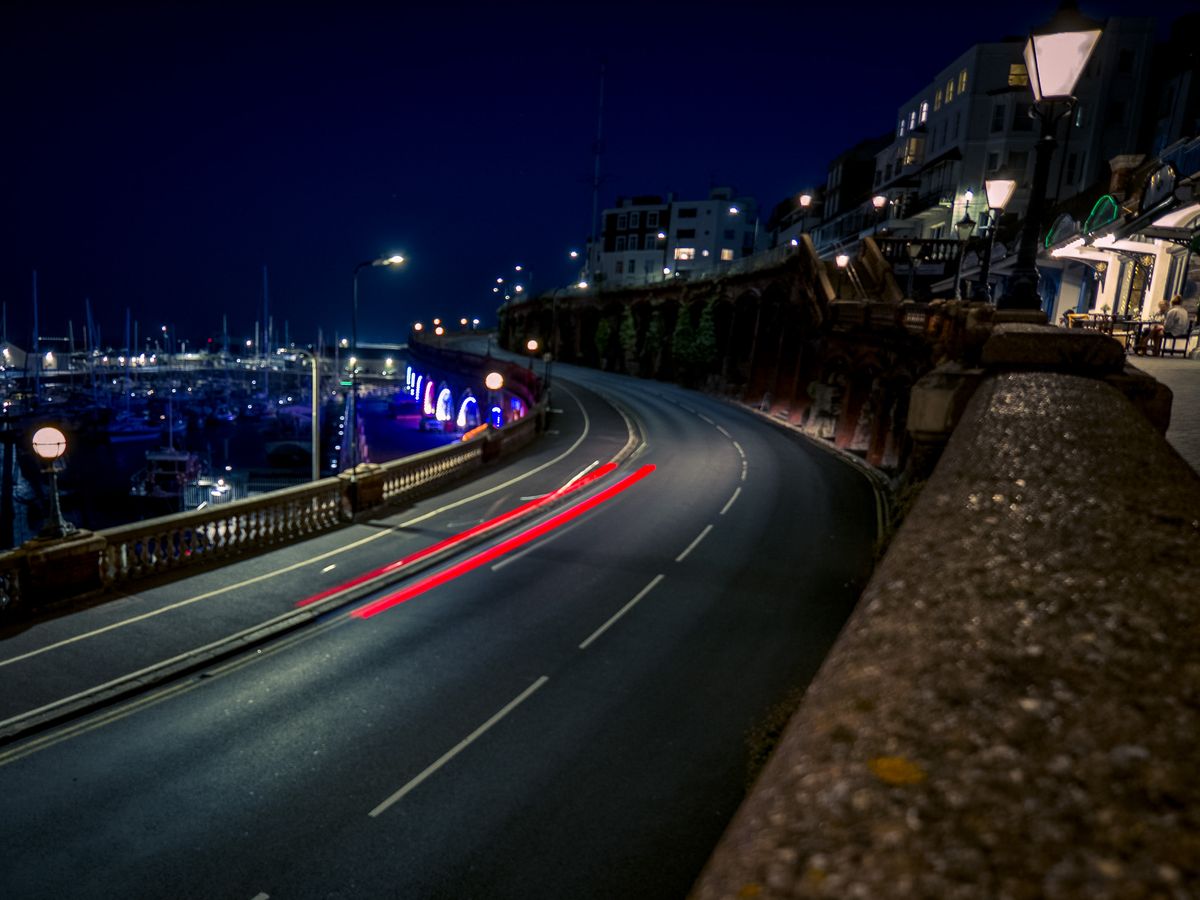
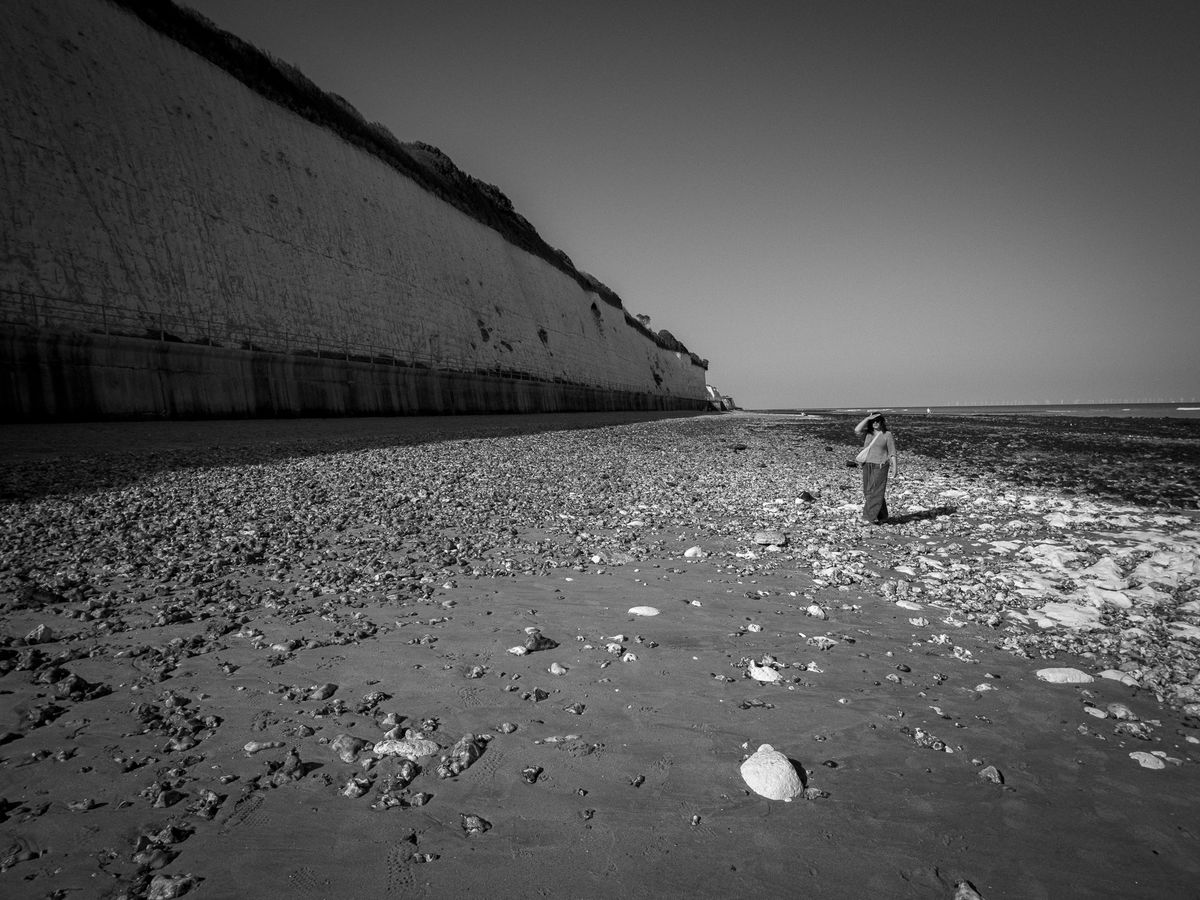
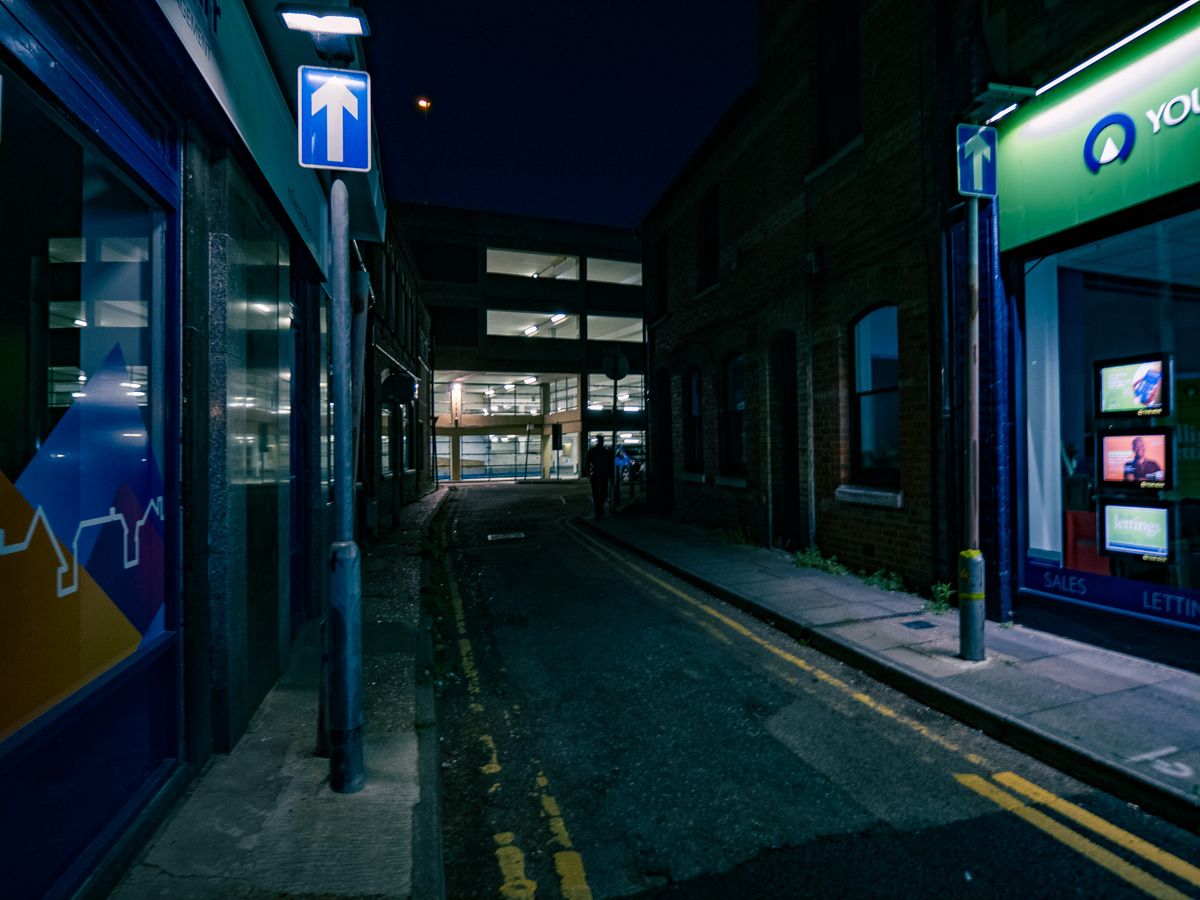
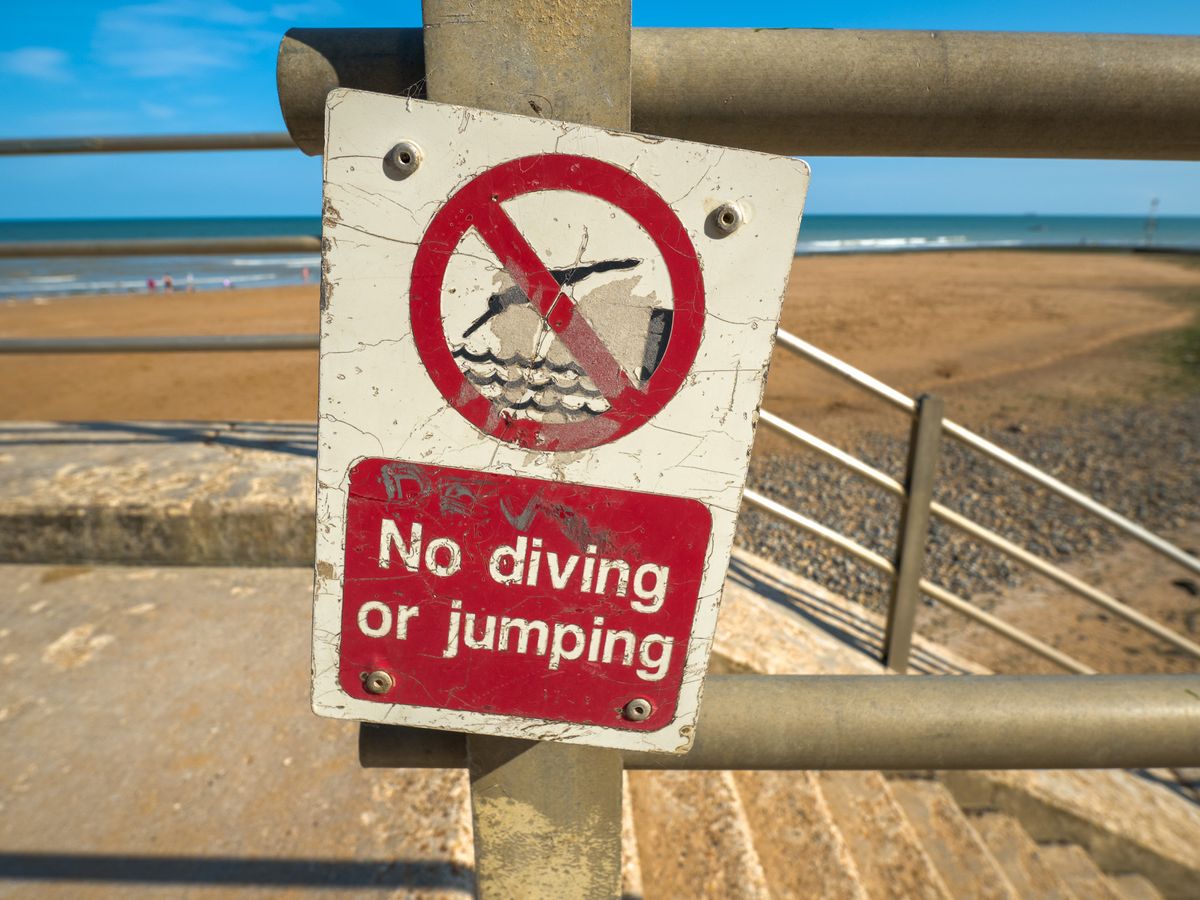
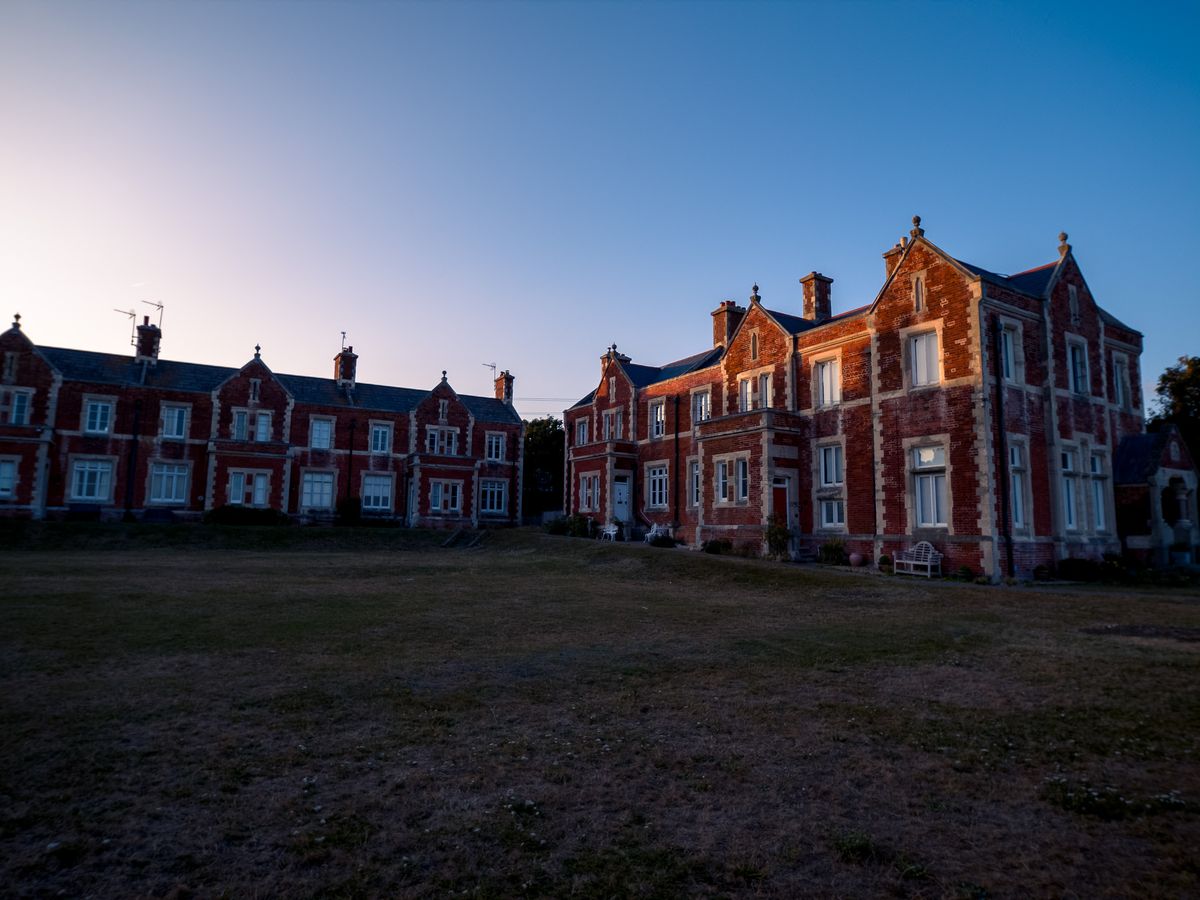
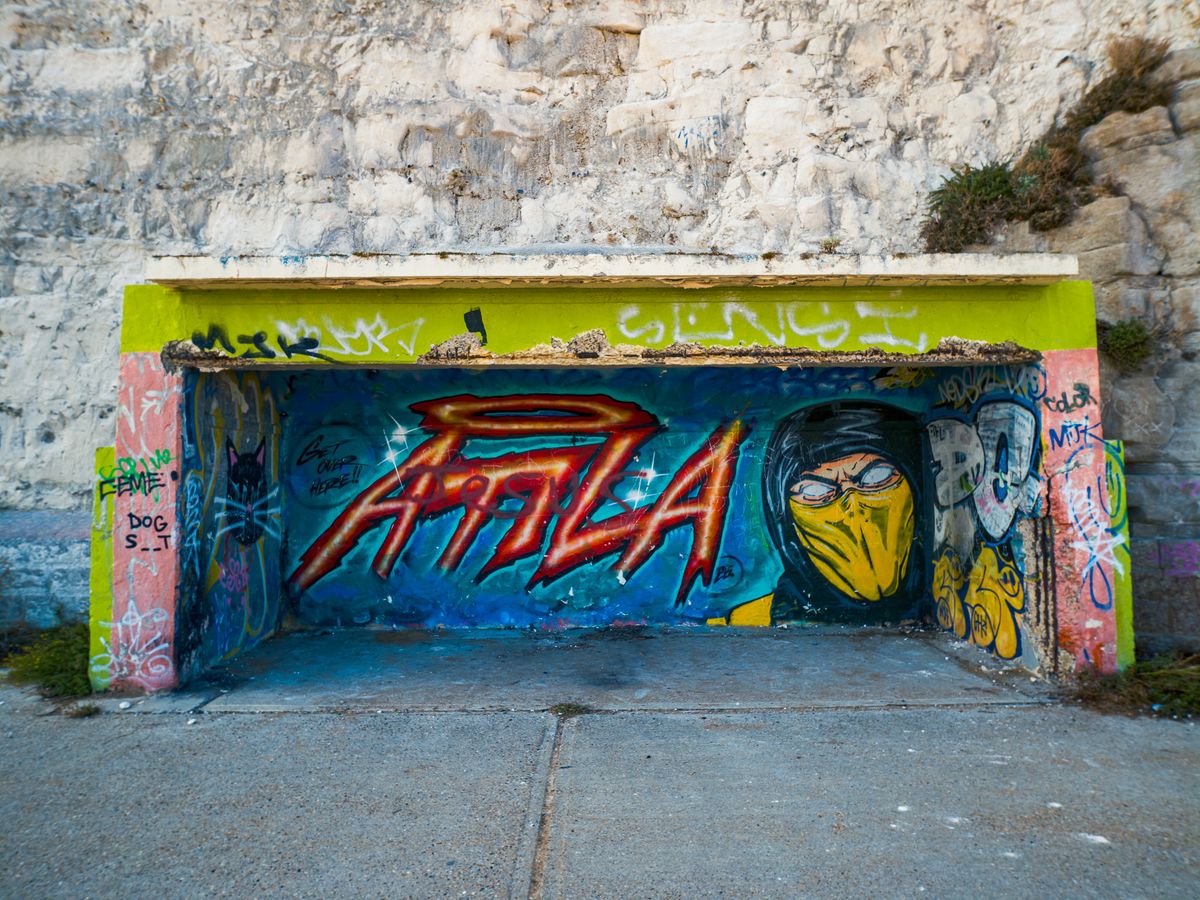
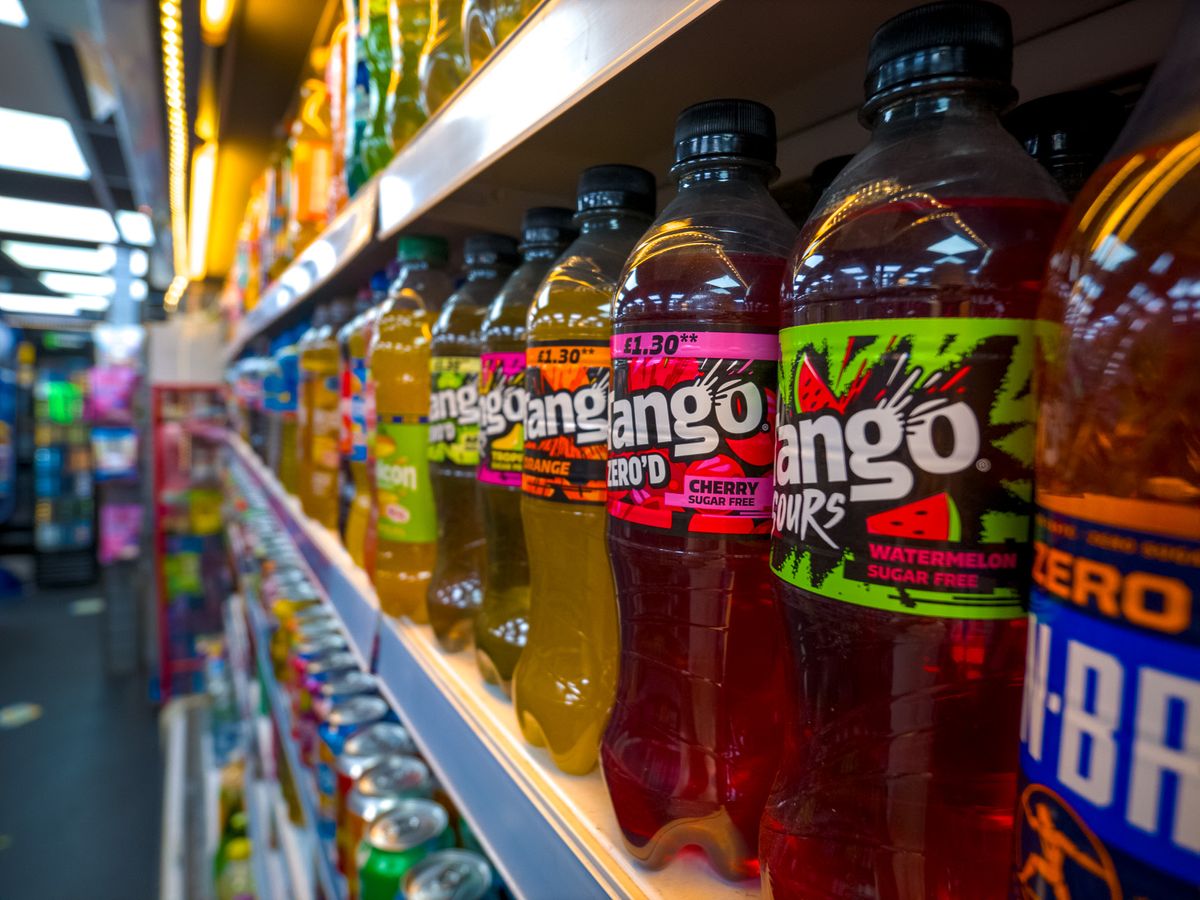
Low-light performance carries over the big step up we saw on the standard Mission 1 Pro, the 1-inch sensor being a huge differentiator over GoPro's Hero Black range. As ever with an interchangeable-lens setup, the lens you choose plays a big part in how far that advantage stretches: wide-aperture glass will get you noticeably further after dark than anything narrower.
- Image quality score: 5/5
Testing Scorecard
Swipe to scroll horizontally
Attribute |
Notes |
Score |
Price |
A premium over the standard Mission 1 Pro, but there's nothing else like this on the market. |
4/5 |
Design |
Familiar, compact GoPro build with a Micro Four Thirds mount bolted on, but weatherproof rather than waterproof. |
4/5 |
Performance |
Manual focus is a genuine hurdle, but closer focusing than the Pro is a strong compensation. Battery life is excellent. |
4/5 |
Image quality |
Superb once in focus, with the 1-inch sensor delivering strong video and raw stills, though results depend heavily on the lens you pair it with. |
5/5 |
Should I buy the GoPro Mission 1 Pro ILS?
Buy it if…
You want to pair MFT glass with GoPro's best-ever sensor
The Mission 1 Pro ILS finally lets you put real lenses in front of GoPro's excellent 1-inch sensor, opening up creative options that no fixed-lens GoPro can match.
You need close-up focusing an action camera normally can't do
Where the standard Mission 1 Pro tops out at an awkward 60cm minimum focus distance, the right lens on the ILS lets you get close to your subject, opening the door to macro-style shooting.
You're a cinematographer who wants manual control over convenience
If you're used to pulling focus and dialing in aperture by hand, the ILS's manual approach will feel like a feature rather than a limitation. It rewards that kind of deliberate, considered shooting.
Don’t buy it if…
You want an underwater-ready action camera
The ILS loses the standard Mission 1 Pro's 20m waterproofing. If diving or watersports are on the agenda, the regular Mission 1 Pro is the one to get.
You want simple point-and-shoot ease
There's no autofocus, no horizon lock, and no subject tracking here — all things the standard Mission 1 Pro handles automatically. The ILS demands more effort for every shot.
You're budget-conscious
At $699.99, the ILS costs $100 more than the standard Mission 1 Pro, before you've even bought a lens. If you're watching your spending, GoPro's Hero13 Black remains a far cheaper way into the ecosystem.
Also consider
Nikon ZR
If you want a "real" compact cinema camera rather than an action cam with a lens mount bolted on, the Nikon ZR is a strong alternative. It packs a full-frame sensor, 6K RAW recording, and RED color profiles into a body that's still remarkably compact and weather-resistant, undercutting most of its rivals on price in the process. It lacks the ILS's tiny size and mounting versatility, but for serious filmmaking it's a far more complete, if pricier, cinema tool.
Read our Nikon ZR review
GoPro Mission 1 Pro
If you want everything the ILS offers minus the lens-swapping hassle, the standard Mission 1 Pro is worth a close look. You get the same 50MP 1-inch sensor and GP3 processor, plus 20m of housing-free waterproofing, autofocus and horizon lock, all wrapped around a fixed ultra-wide lens. It's the easier camera to live with day to day, but you're trading away the ILS's lens flexibility.
Read our GoPro Mission 1 Pro review
How I tested the GoPro Mission 1 Pro ILS
- One week of testing with a Laowa 7.5mm F/2.0 C-Dreamer prime lens
- Real-world video shot mounted to a car, plus a coastal stills photo walk
- Battery life and thermal performance checked across the camera's most demanding modes
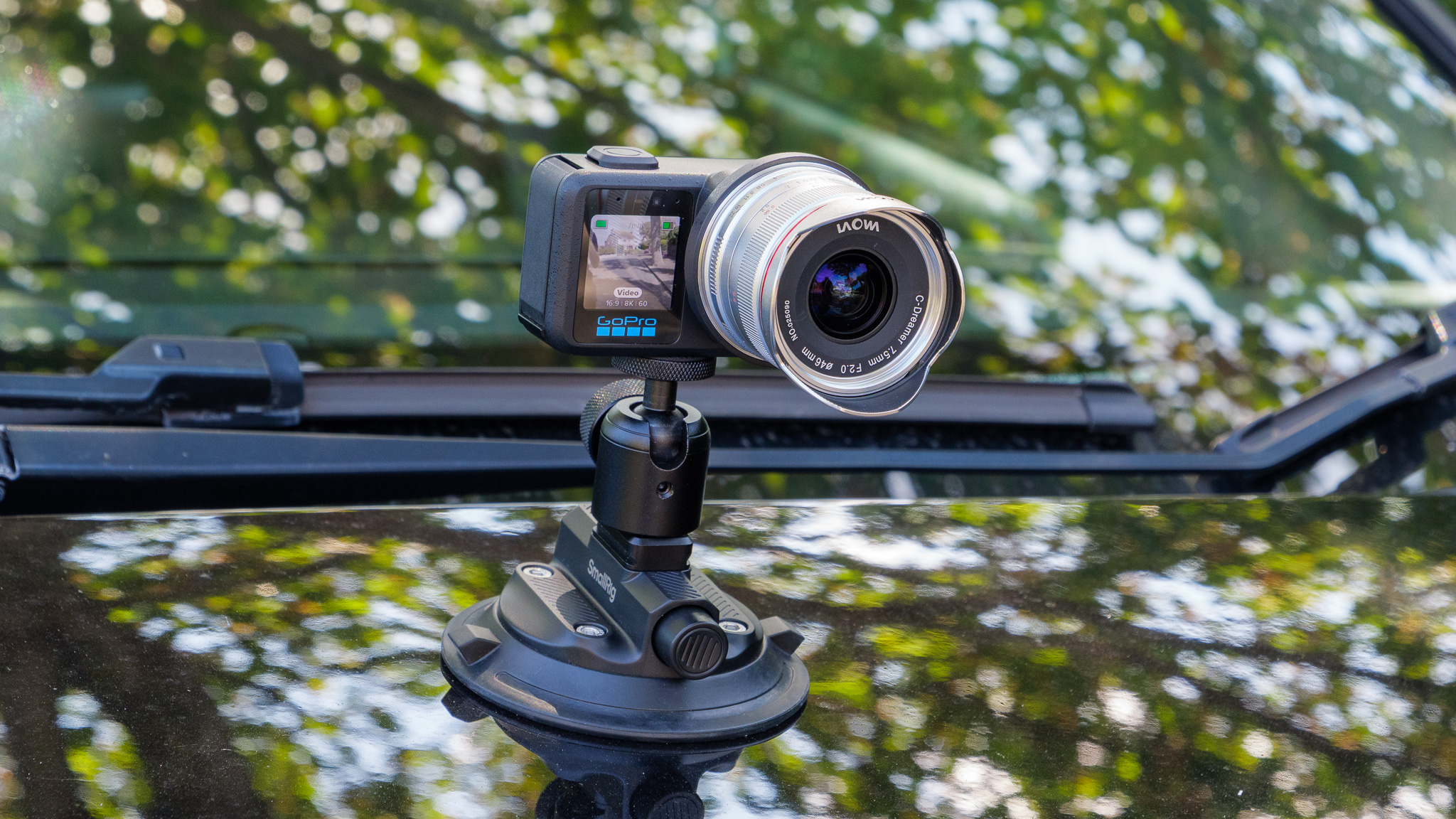
I spent a week with the Mission 1 Pro ILS, shooting with a Laowa 7.5mm f/2.0 lens that GoPro loaned me for the review.
Video testing included mounting the ILS to my car for real-world stabilization footage, shot largely in 16:9 8K at 60fps using GoPro's recommended color-grading settings, plus a run through Open Gate to see how it held up for reframing flexibility. I edited footage in DaVinci Resolve, applying an official GoPro LUT before making my own color adjustments.
For stills, I took the ILS out on a Sunday photo walk along the coast near where I live, shooting raw at both 50MP and 12MP resolutions with GoPro's Point-and-Shoot Grip attached, and edited the results in Adobe Lightroom.
I also tested the camera's monitoring options, connecting it to an external monitor via a USB-C to HDMI adapter, though I wasn't able to test the iOS-only Mission Monitor app myself, lacking the necessary USB-C to Lightning data cable. Battery life and thermal performance were assessed through everyday use across a range of resolutions and frame rates, including the highest-demand 8K/60fps and 4K/240fps modes.
First reviewed: August 2026






 English (US) ·