
 4 weeks ago
18
4 weeks ago
18
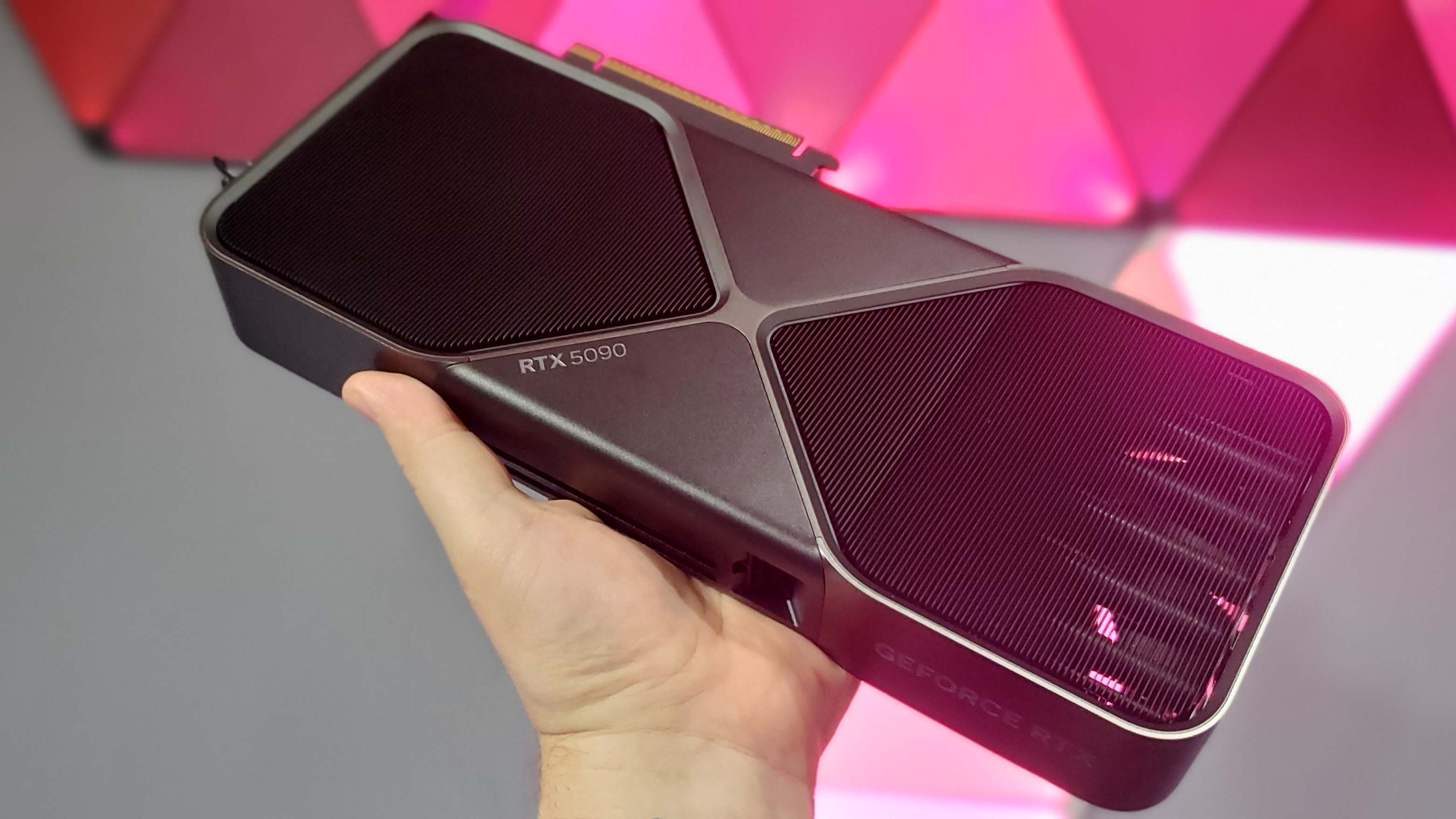
As far as the memory shortage is concerned, we're yet to see much light at the end of the tunnel. Case in point, there's mutterings about yet another hardware price spike, and this time it may mean the already pretty expensive Nvidia RTX 5090 GPU could go up in price by as much as $300.
To be clear, no consumer-facing increase has yet been announced. However, a source on Board Channels reports that add-in-card (AIC) partners in China have been warned of a 2,000 RMB (or $300) price increase. If true, this increase will likely trickle down into a sharp uptick that PC gamers will feel as well. Reportedly, the price increase affects both the RTX 5090 and its China-exclusive RTX 5090D V2 variant, which enjoys 24GB of GDDR7 memory (via VideoCardz).
Current pricing for the RTX 5090 isn't really in the ballpark of affordable to begin with. If you've been keeping up with Nick's graphics card price watch, you'll note that a reasonably priced RTX 5090 hasn't featured in some time. You may also have seen Best Buy asking for an eye-watering $5090 for the high-end GPU. That's a particularly egregious example, though the MSRP $1,999 card has been venturing closer to the $3,500 mark since the start of the year.
Still, if you've been looking to upgrade your rig recently, then you don't need me to tell you how much the memory supply crisis has impacted component pricing—though, those still a little unclear on the situation should give our Jacob's RAMpocalypse explainer a read.
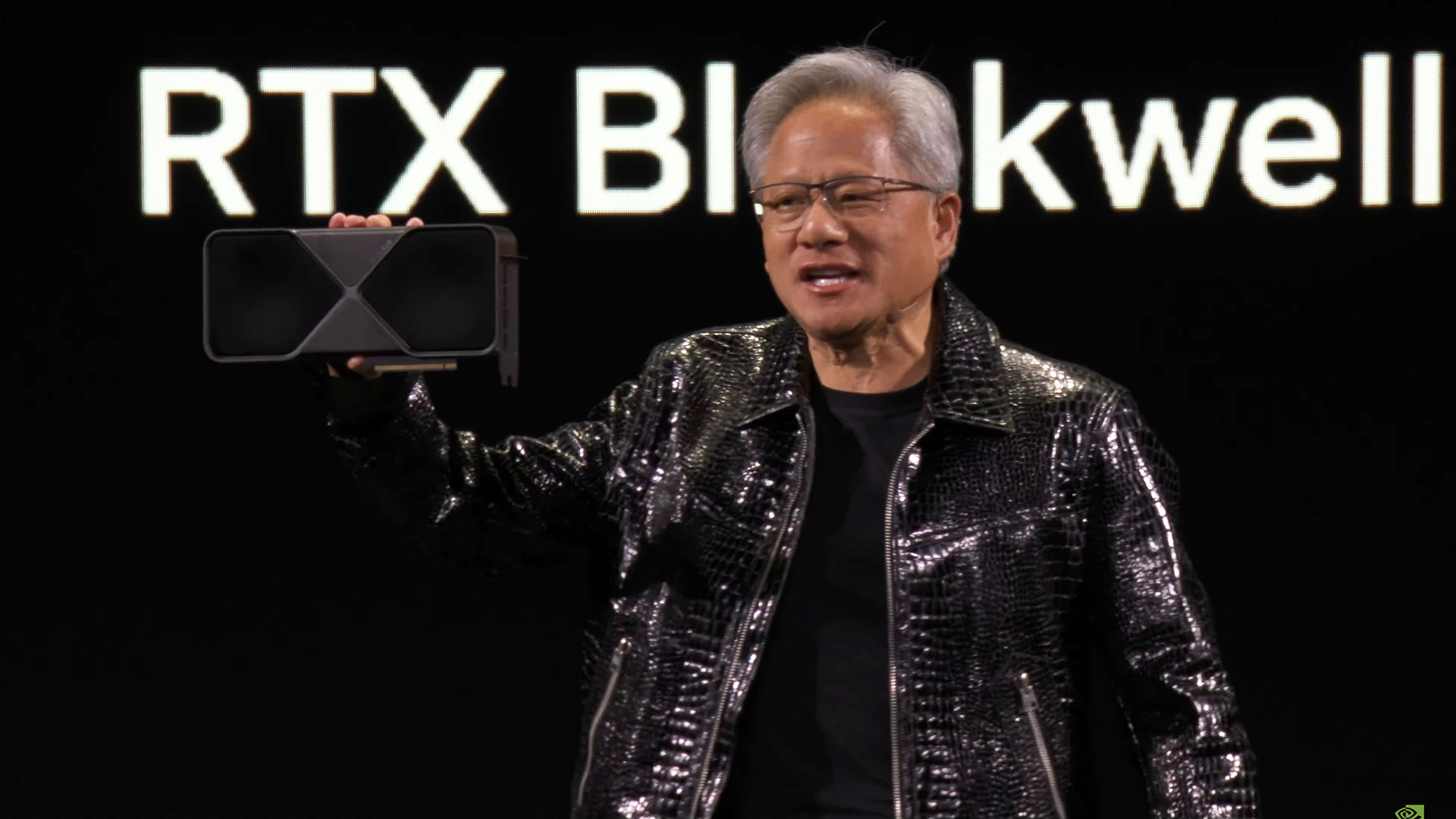
The short version is that the AI industry is hungry for memory chips, causing an outsized demand that leaves the capacity of even major memory manufacturers like SK hynix at 'essentially zero right now'. Like many other major players, SK hynix has various capacity-expanding projects in the works, though these likely won't have a meaningful impact on supply until 2028 at the earliest.
Limited supply means higher prices, with HP recently warning that memory now makes up around 35% of the cost of its PCs. Worse still, the limited supply situation has also given rise to pretty convincing counterfeit DDR5 modules as well. Alas, running a gaming PC without RAM or a GPU isn't really an option—unless playing Snake in the BIOS is your idea of a good time.








 English (US) ·