
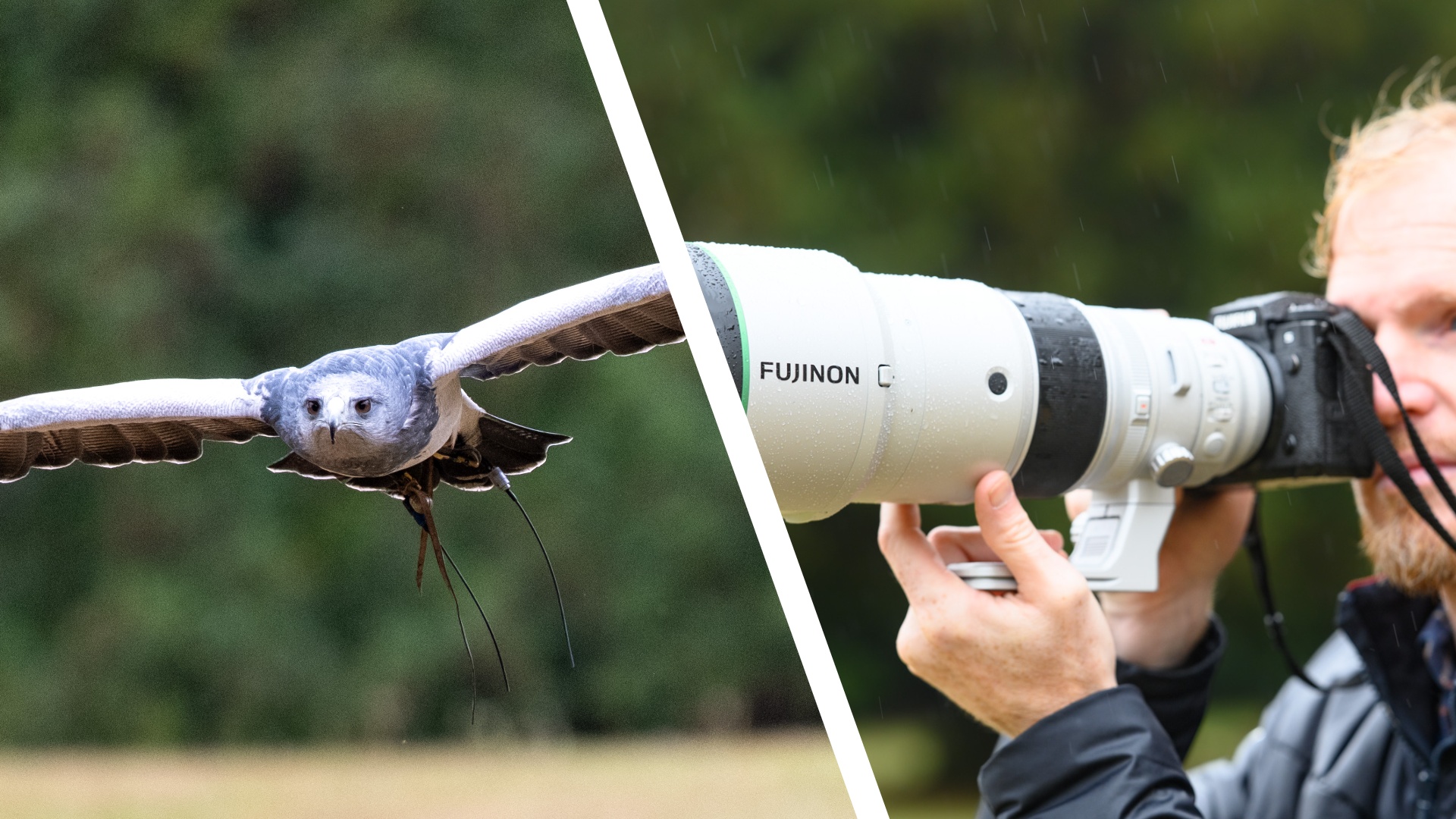
- Fujifilm unveils XF 400mm F4.5 R LM OIS WR telephoto prime lens
- It's equivalent 609mm focal length is ideal for bird photography
- The lens is weather-sealed, weighs 1.2kg and costs $3,200 / £2,499
Fujifilm camera gear is better known for its retro looks than its wildlife and sports photography prowess, but the company is looking to close the gap with Sony, Canon and Nikon through the launch of a new super telephoto prime lens — the new XF 400mm F4.5 R OIS LM WR lens.
It's designed for the Fujifilm X series of crop-sensor (APS-C) cameras, such as the X-T5 and X-H2S, and has an equivalent focal length of 609mm and bright maximum aperture that make it a prime candidate for bird photography.
I had a special hands-on session with the lens ahead of its September 4 announcement, pairing it with Fujifilm's speediest mirrorless camera, the X-H2S, to photograph birds of prey in the grounds of a stately home in the UK. Could the camera and lens surprise me? You bet!
Image 1 of 3
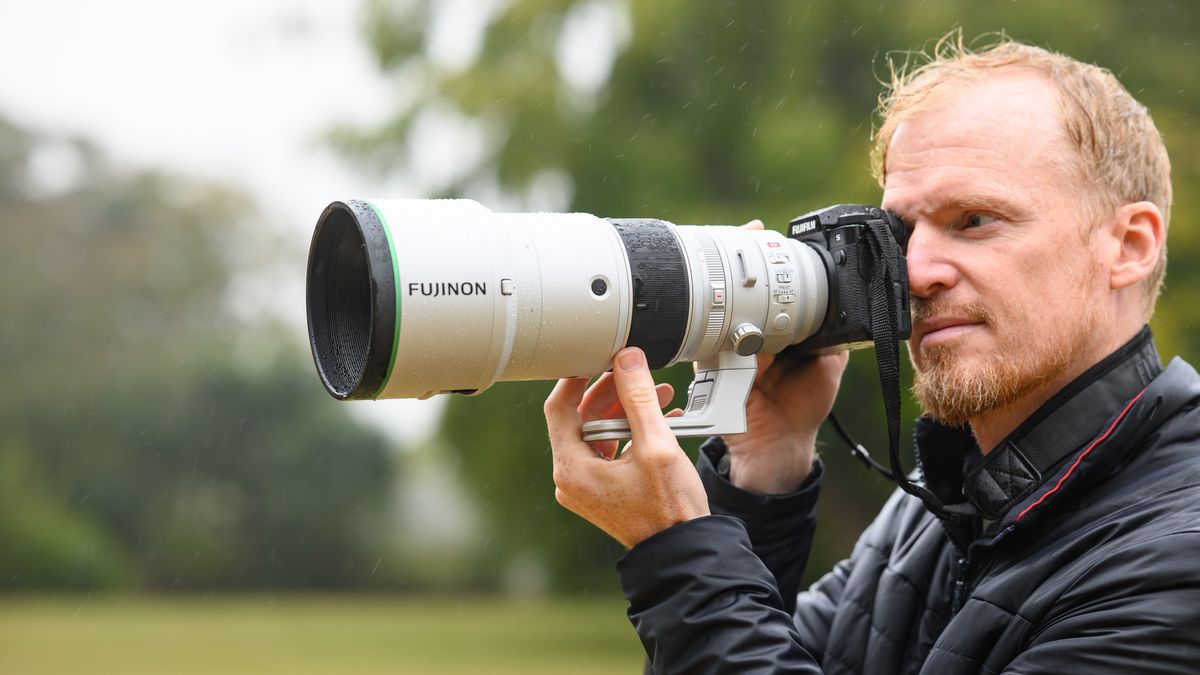
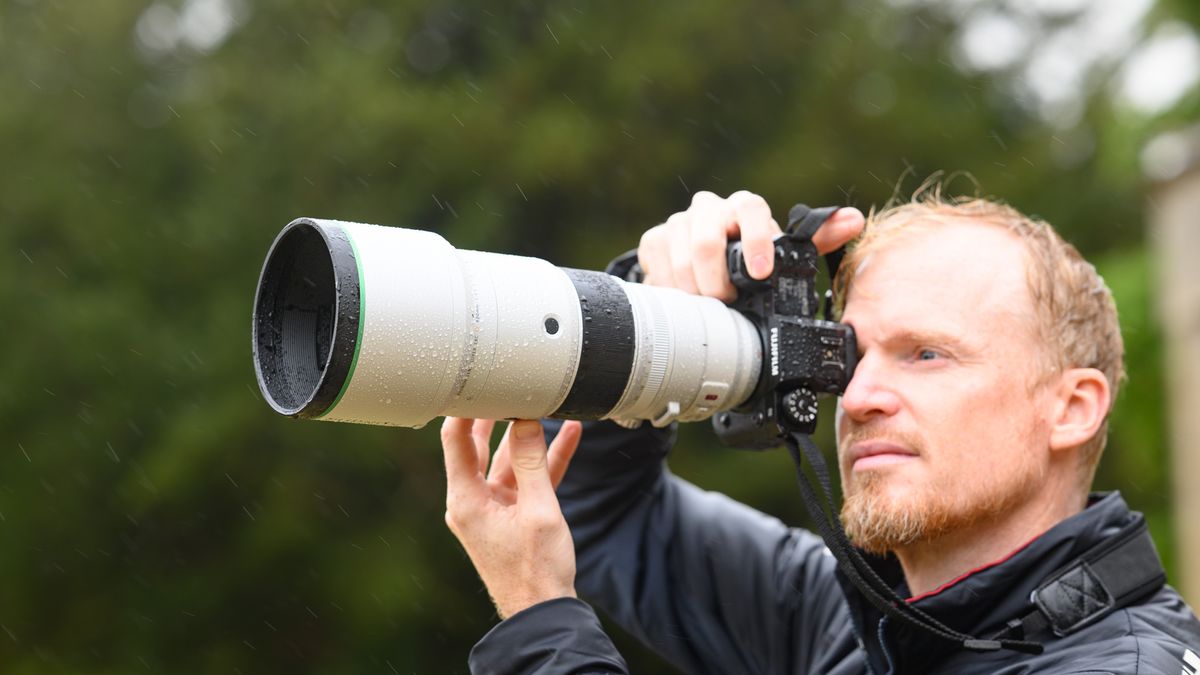
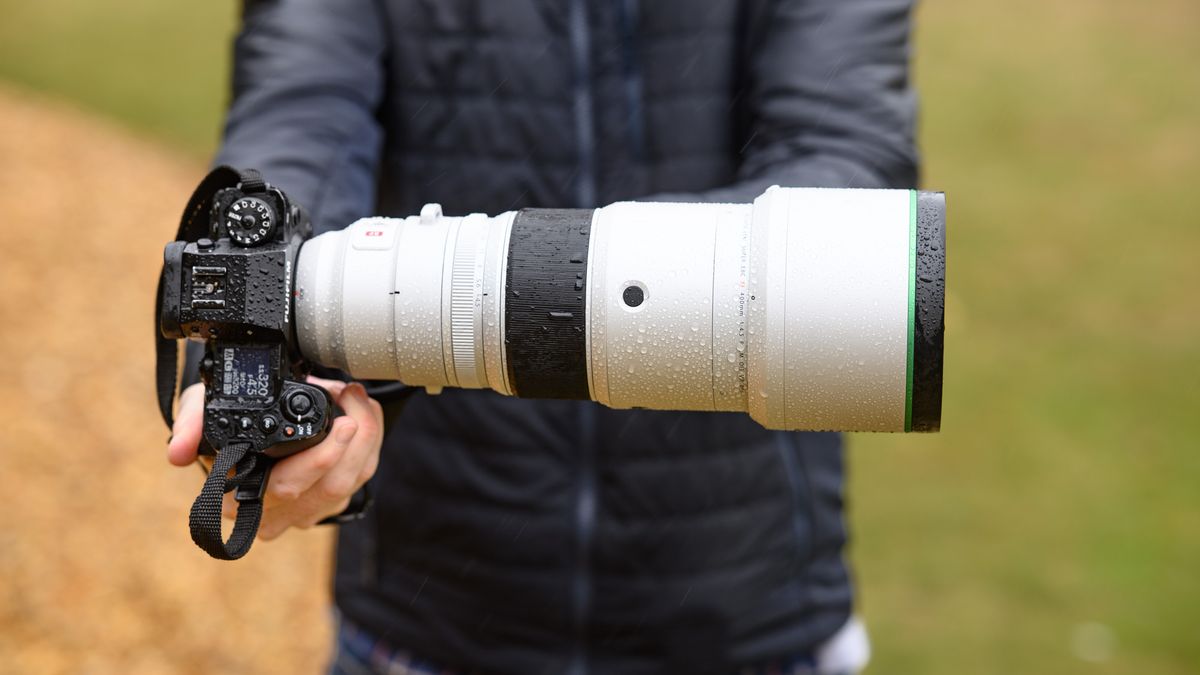
About the Fujifilm XF 400mm F4.5 R OIS LM WR lens
The new 400mm F4.5 lens isn't actually the longest in Fujifilm's XF range — that accolade goes to the 500mm F5.6 R LM OIS WR (equivalent 762mm focal length). However, it's arguably the one that Fujifilm bird photographers have been waiting for, and it's compatible with the company's 1.4x and 2.0x teleconverters which can extend that reach (at the cost of reduced maximum aperture).
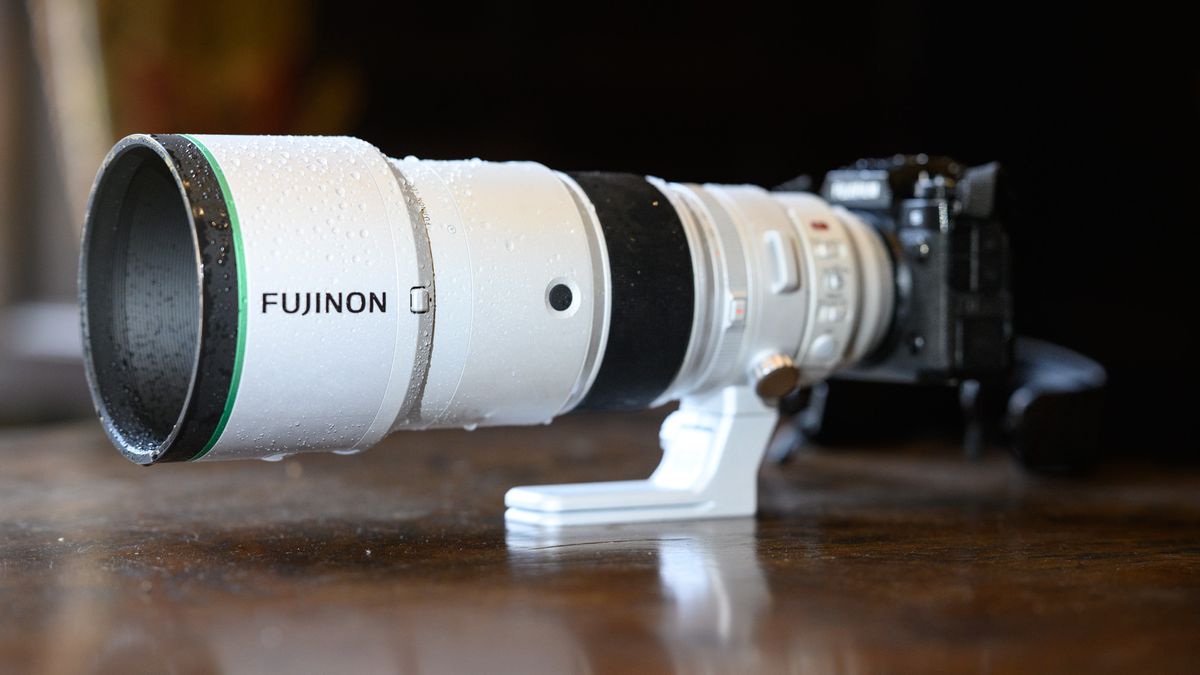
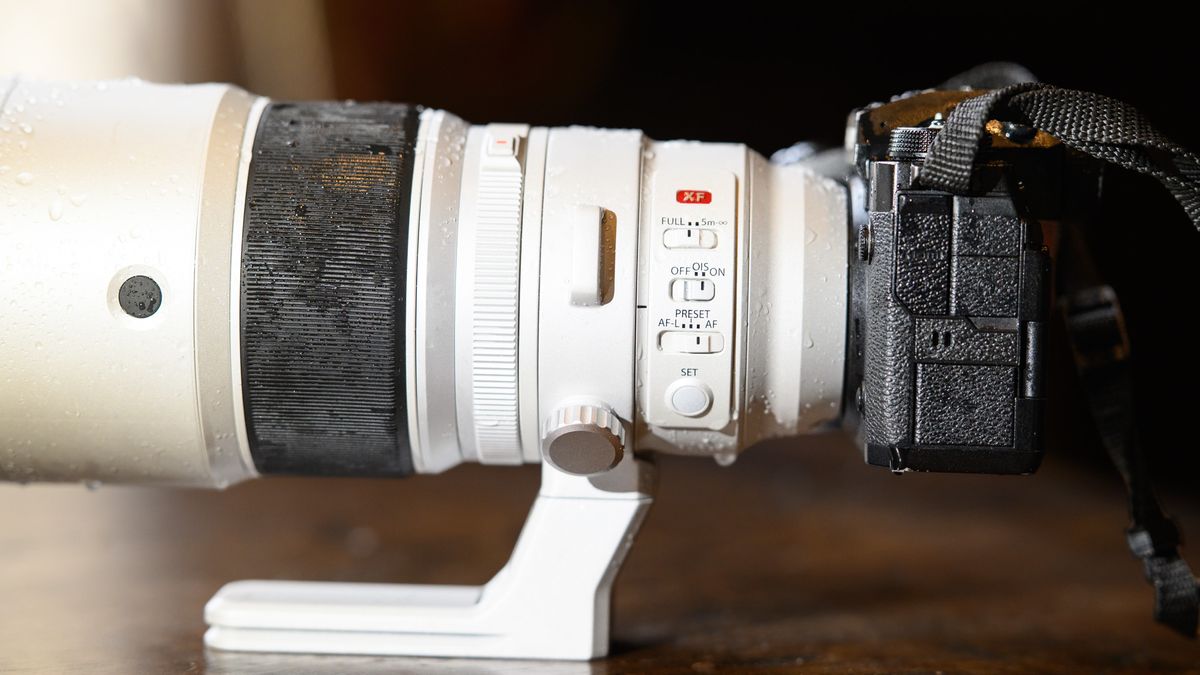
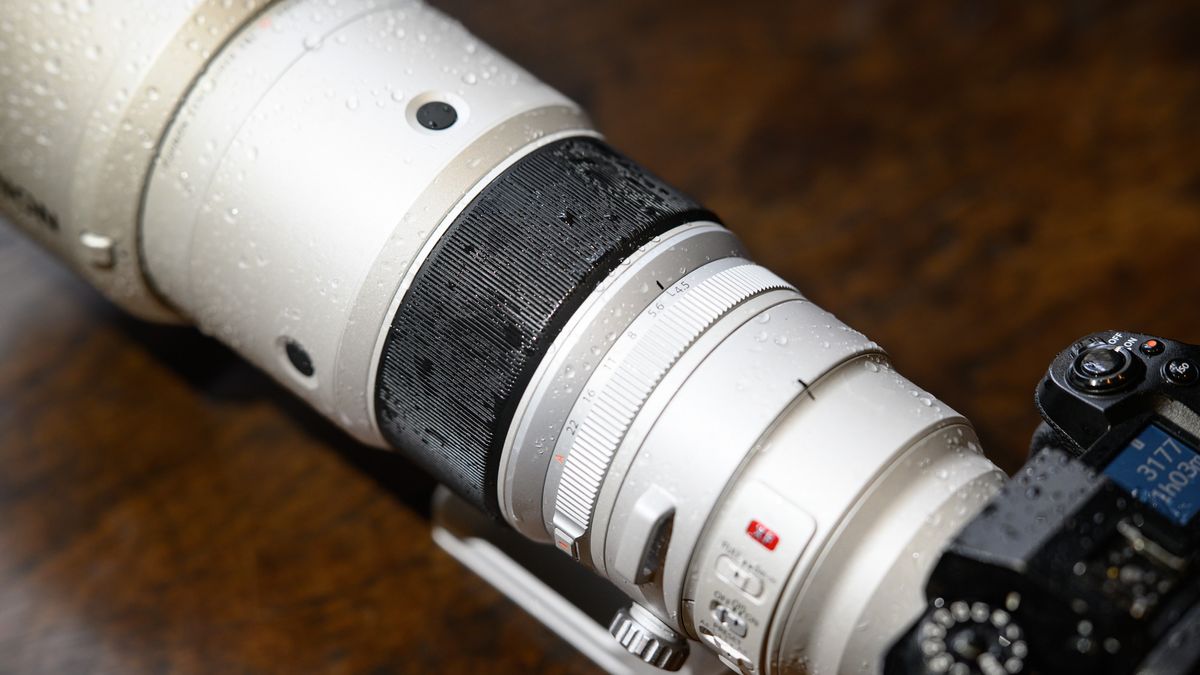
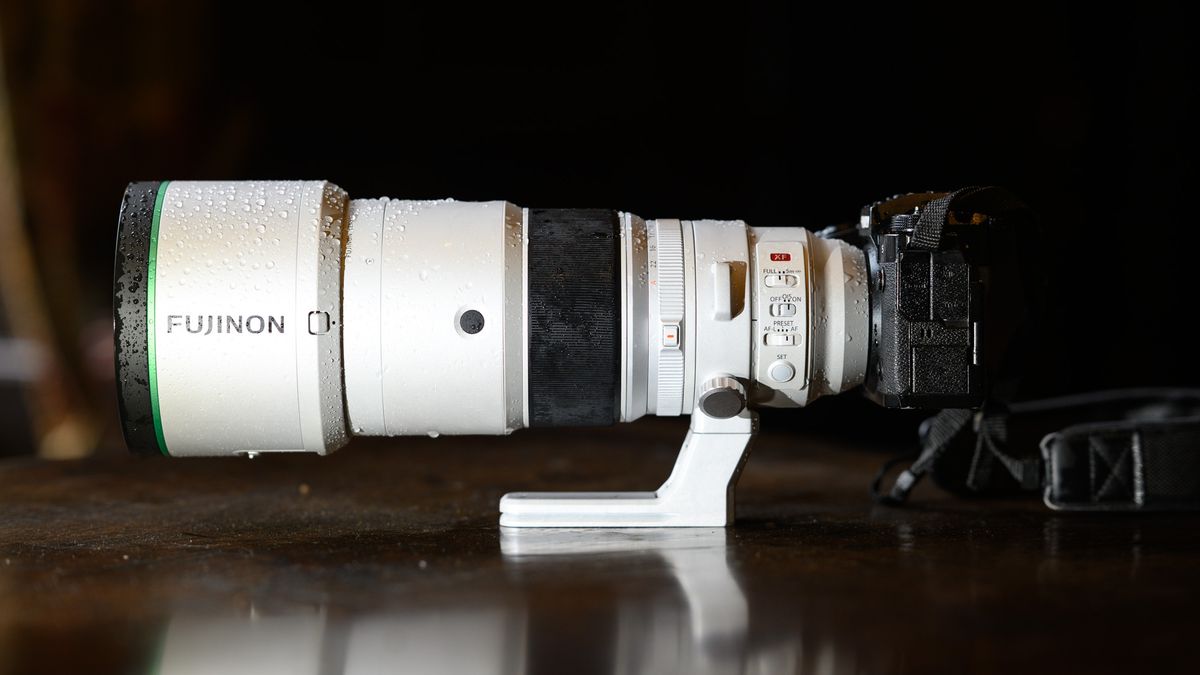
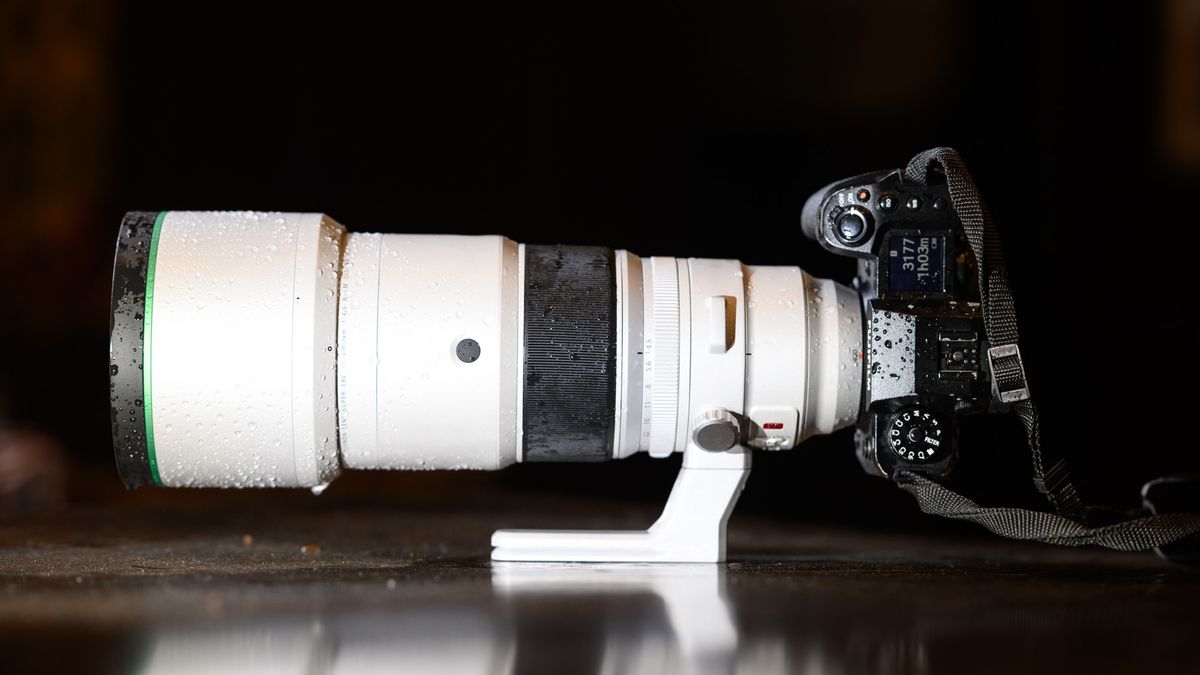
Fujifilm had both lenses at the event it was hosting for the 400mm lens hands-on, and the design of the two optics is strikingly similar, as hinted by the nomenclature. 'R' denotes an aperture ring is present, 'LM' that autofocus is powered by a linear motor, OIS that they're optically stabilized (the 400mm is rated at providing 5.5EV of stabiliztion) and 'WR' tells us that the lenses are weather resistant.
Boy, did I need that weather resistance — there was incessant, light, sideways rain for much of the photography experience, and the 400mm stood up to the task just fine (better than the birds did).
It's also equipped with a focus limiter with Full or 7m to infinity options — using the latter improved my hit ratio of in-focus shots of the birds in flight, because it removes the minimum 2.75m focus distance up to 7m from the range the linear motors scan for.
The lenses are similar in size and in weight too, but by weighing 1,245g and measuring 240mm in length, the 400mm F4.5 is slightly smaller and lighter — impressively so for a lens of this focal length and maximum aperture.
It also comes with a tripod collar, a loop to securely attach a strap, plus a mighty lens hood — all features I'd hope for in a serious super-telephoto prime.
Image 1 of 5
The shooting experience
I'll be the first to admit it, but I struggled getting a single usable photo at the start of the session. Changing a few camera and lens settings helped; using the focus limiter, selecting a wide autofocus area and the bird detection autofocus mode, and then shutter priority (set to a minimum 1/1250sec) with auto ISO.
The bottom line is that tracking birds in flight requires true skill, real understanding of the subject (and a slice of luck), especially if you're new to it. This proved to be one of the toughest photography tests, and for the first 30 minutes I had nothing to show for my efforts.
Image 1 of 6
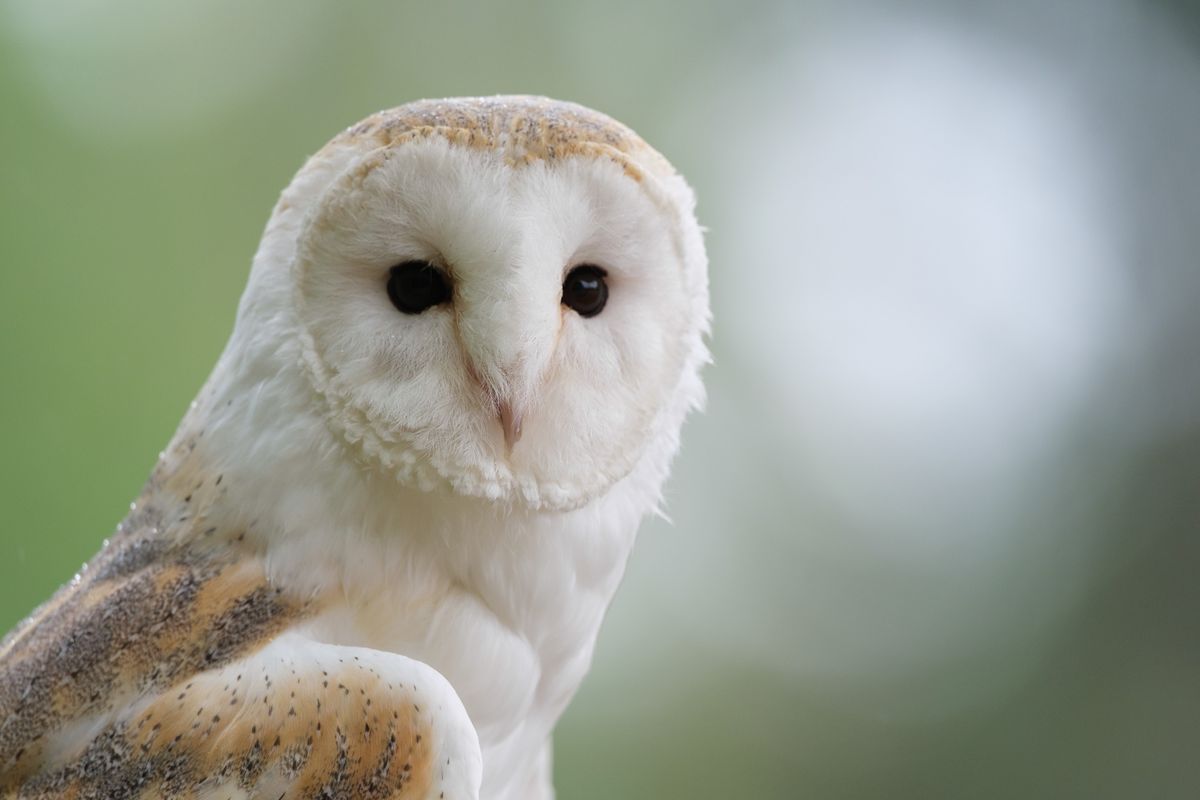
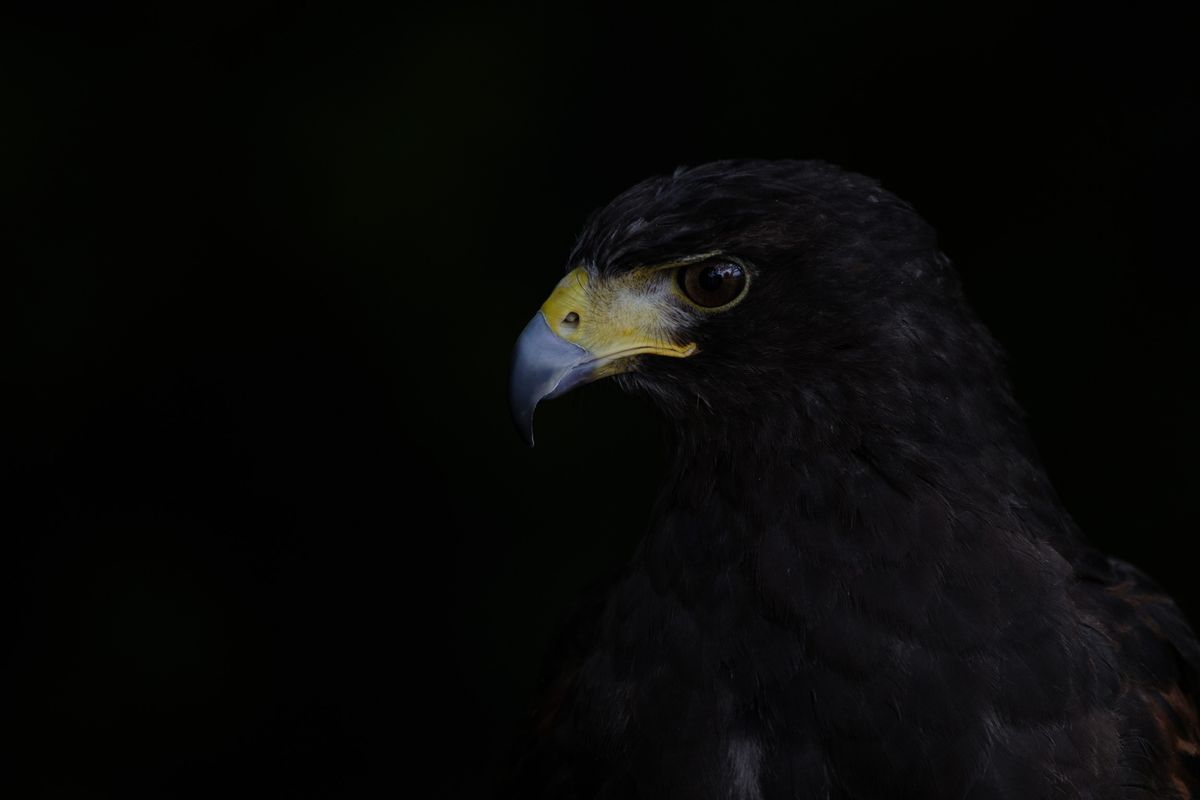
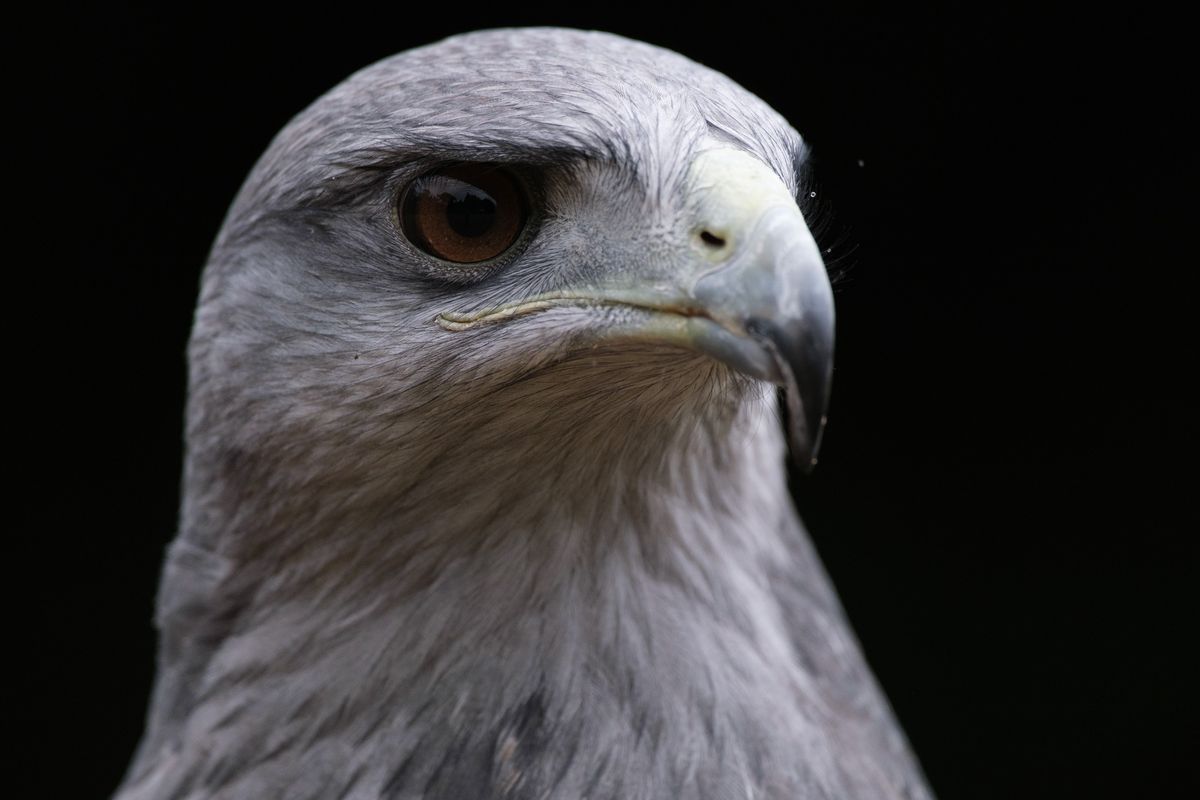
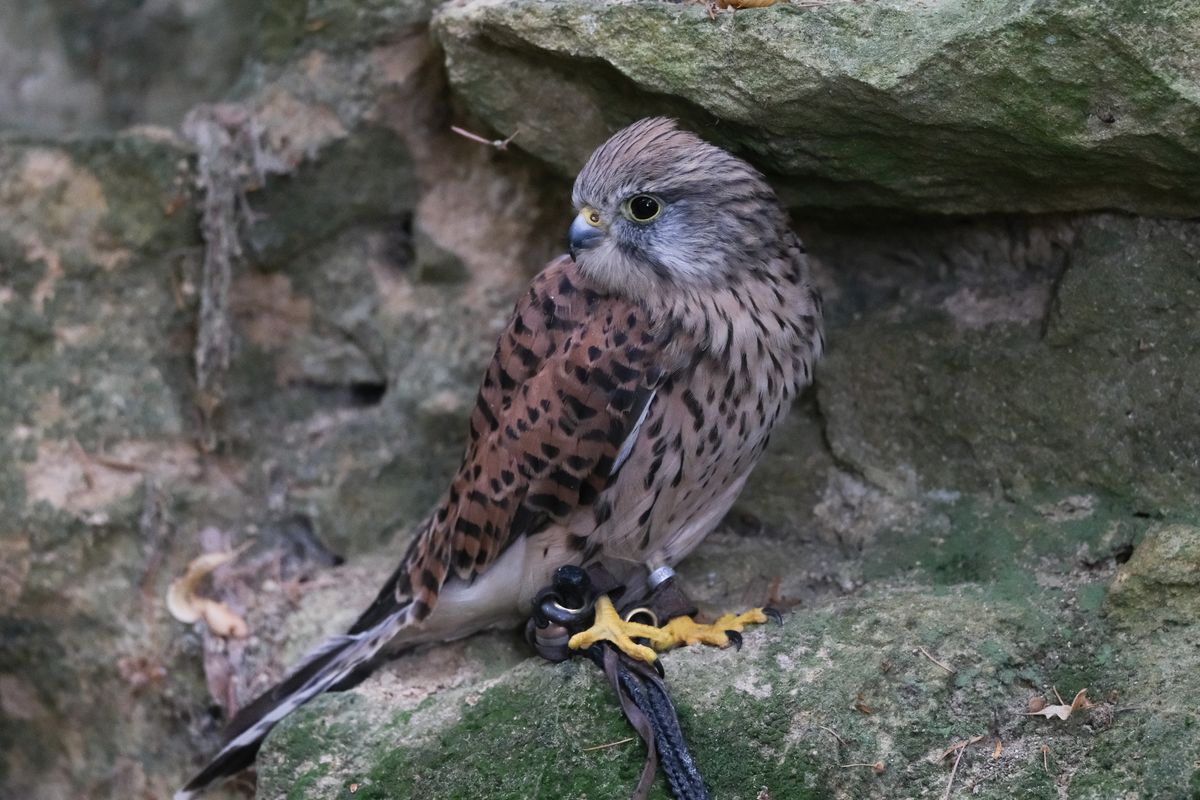
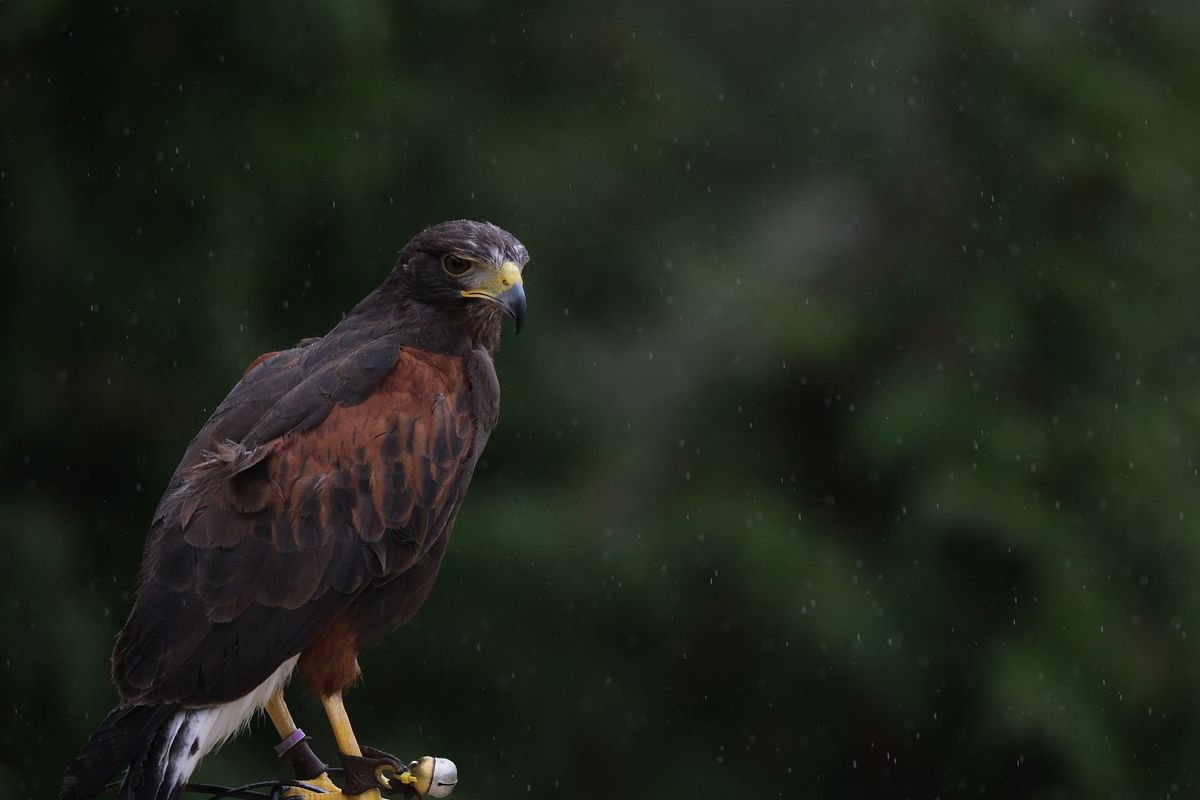
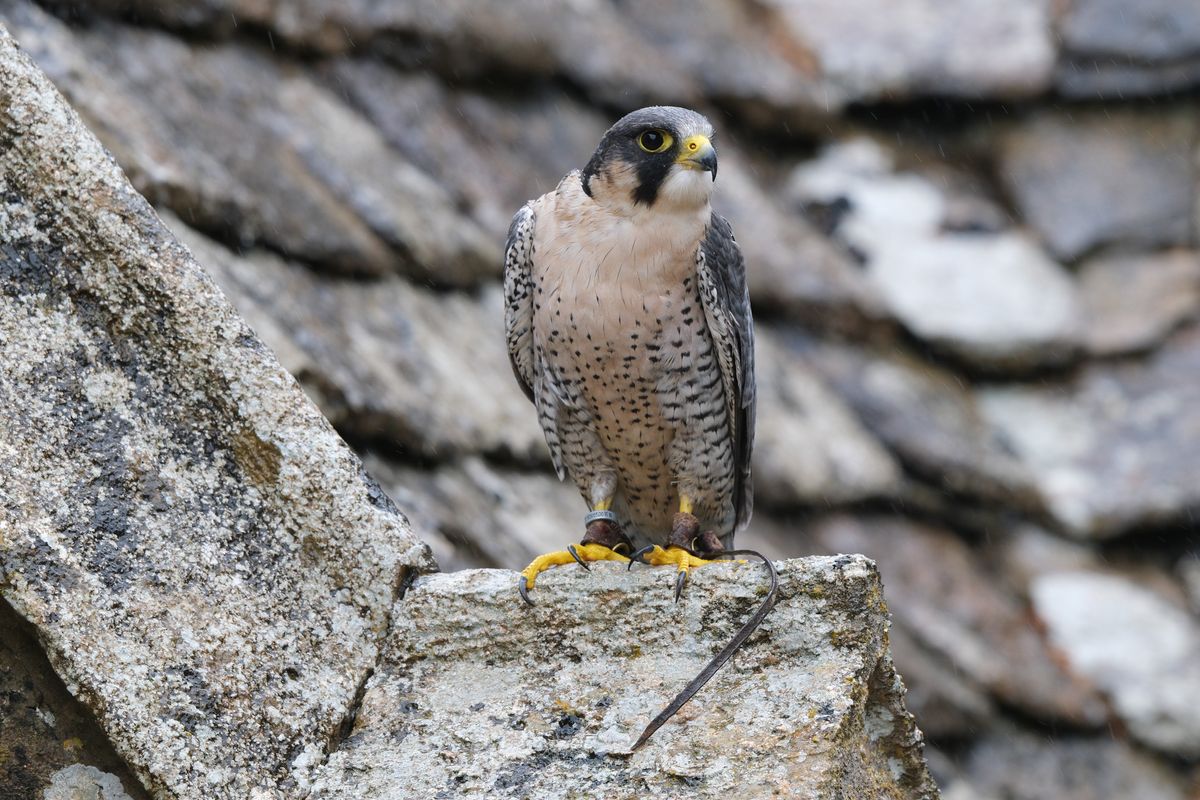
We switched to some portraits of the birds which gave me the chance to get close up, and to take comparison shots at the various aperture settings (which proved to me how sharp the lens is even at its maximum f/4.5 aperture). Then I suggested to the Walks and Hawks group hosting the session that we started the birds off from a longer distance, giving more room in the frame to begin with as the birds took to flight towards us, making them easier to track.
This new approach made the task much more manageable, and yielded plenty of keepers that I'm really happy with. The lens's autofocus was essentially silent and lighting fast, and the camera's autofocus tracked the subject and, provided I kept the bird in the frame, gave me an impressively high hit rate (see the originals of some of my favorites below, which can easily be cropped tighter).
Image 1 of 3
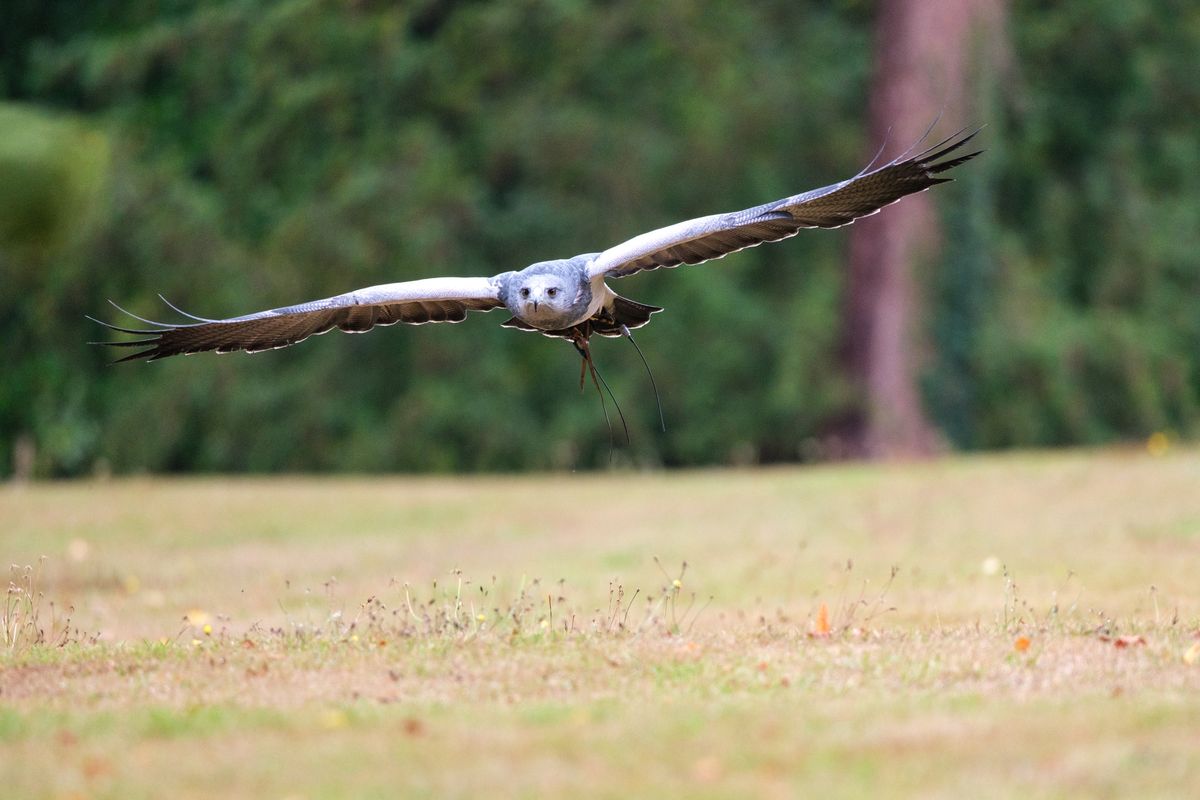
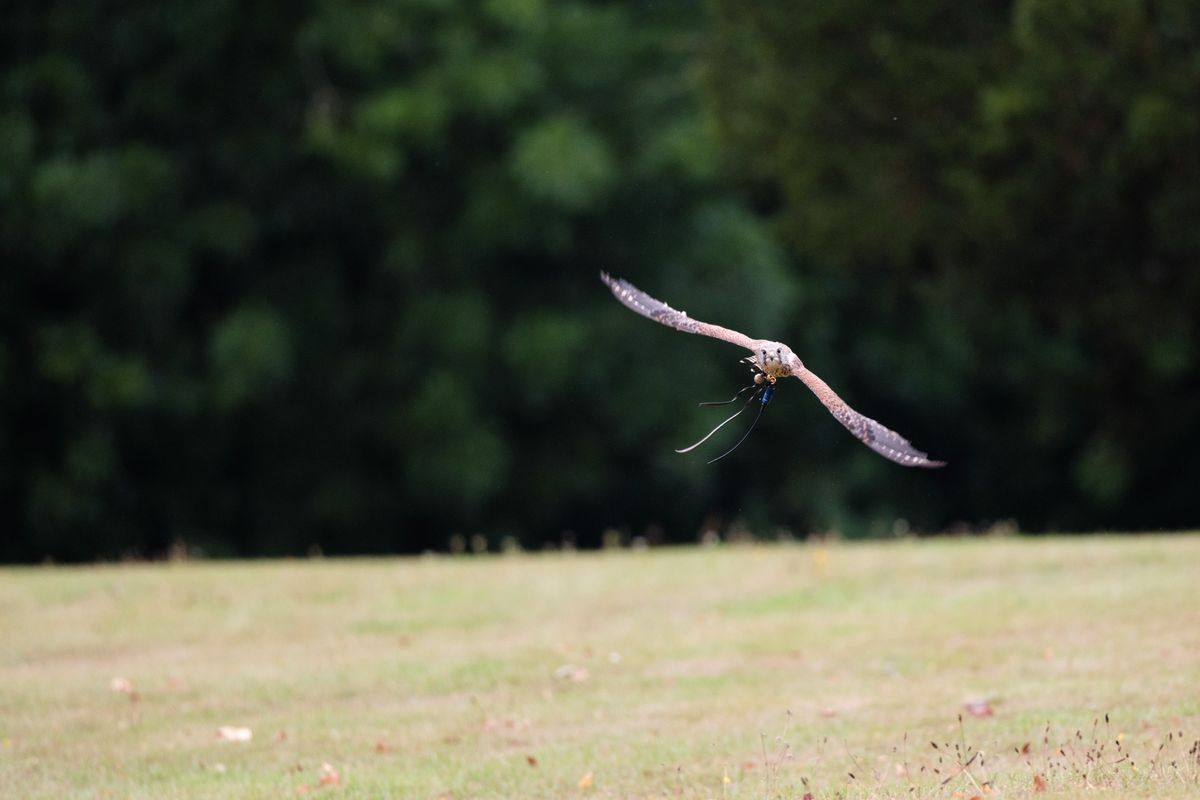
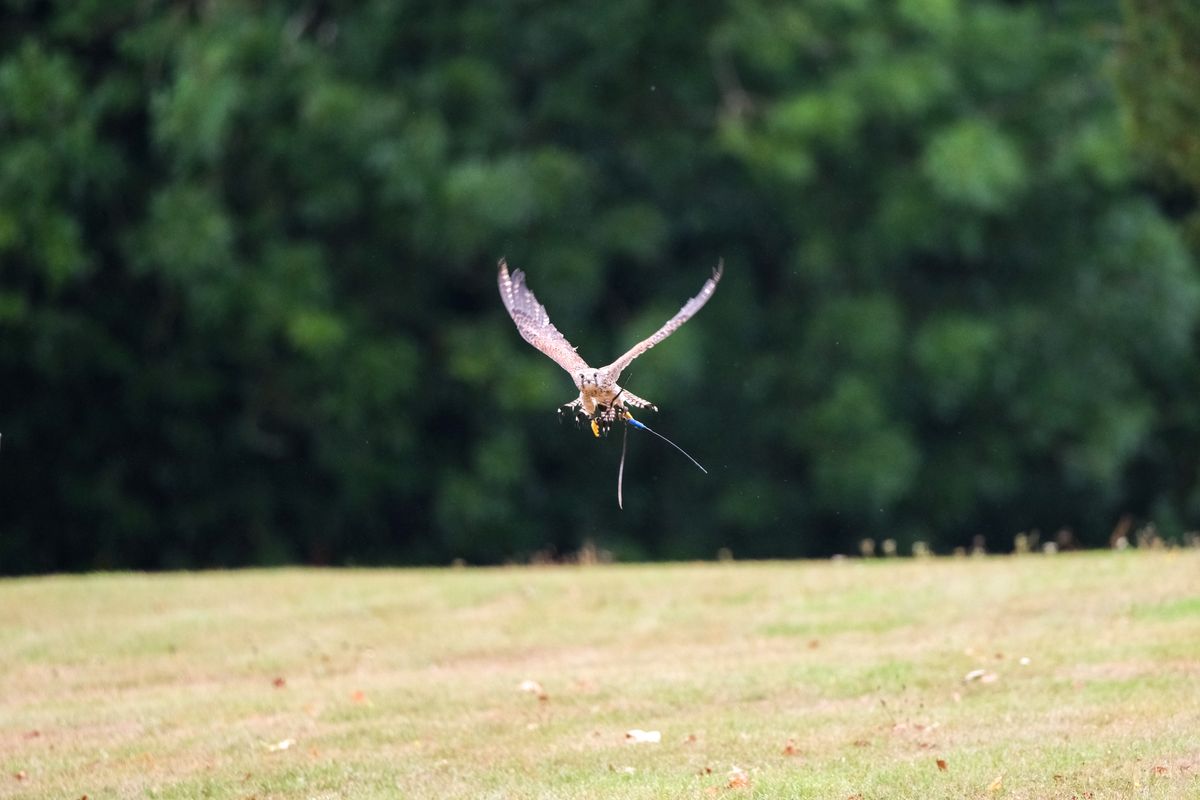
Fujifilm for wildlife, then?
Incidentally, I also had some high-end full-frame Sony gear, including a super-telephoto zoom with the same focal length as the Fujifilm, and I used it later on that day in my local nature reserve. For me, that setup still felt snappier than Fujifilm.
As things stand, Fujifilm remains a couple of paces behind regarding autofocus performance. Emphasis on as things stand — the camera I was using is a few years old, and the entire range is built on a processor and autofocus system introduced in the X-T5 in 2022. Even back then, autofocus performance was perceived as a weakness.
We can expect the next generation Fujifilm processor soon, presumably through the rumored X-T6, which could result in speedier cameras and refined autofocus performance.
Even until then, Fujifilm is better at wildlife photography than the comments sections make out. And it just future proofed the genre with this incredibly good 400mm F4.5 lens, available from the end of September for $3,200 / £2,499 (Australia price TBC).
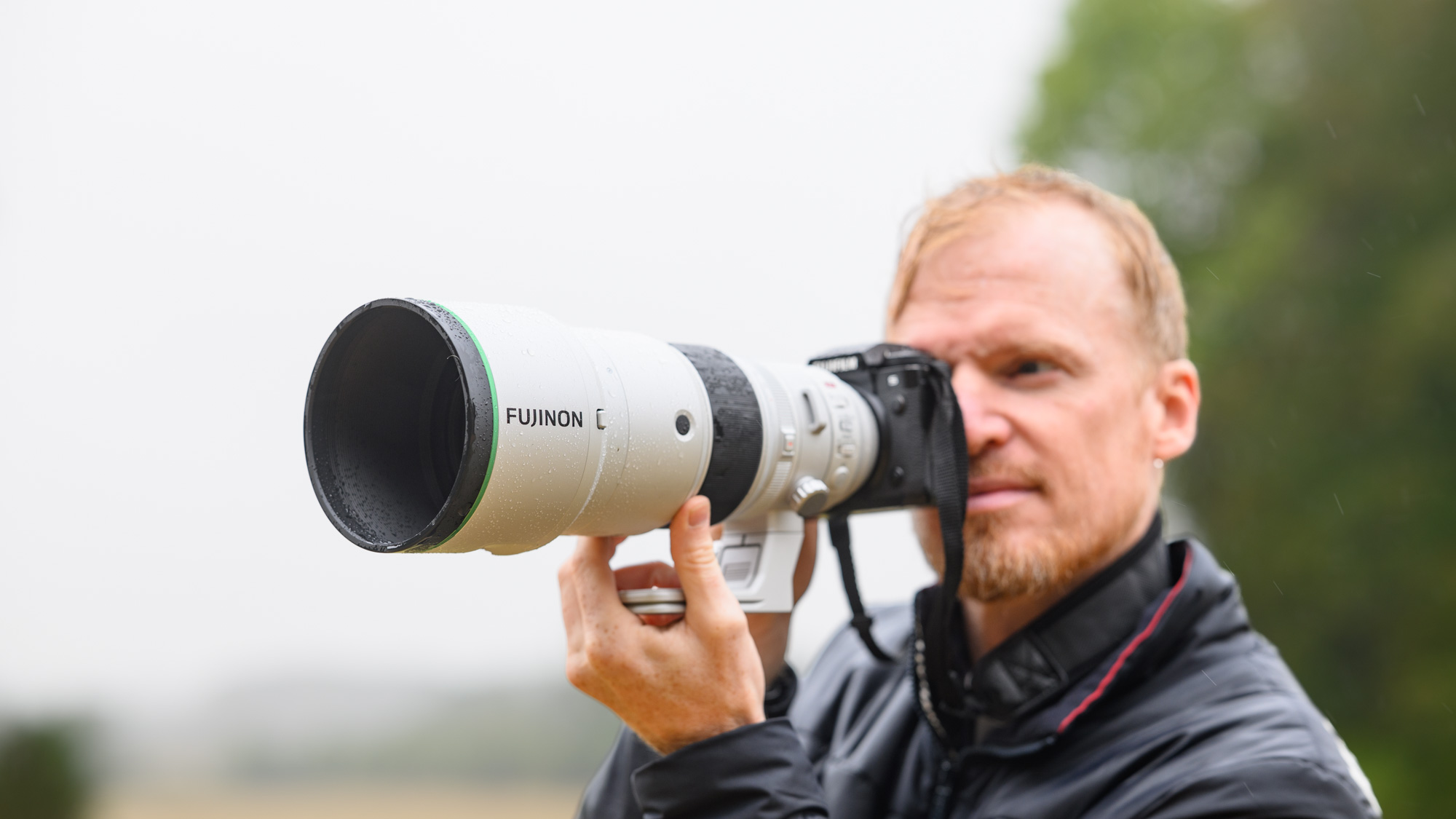

Follow TechRadar on Google News and add us as a preferred source to get our expert news, reviews, and opinion in your feeds.







 English (US) ·