
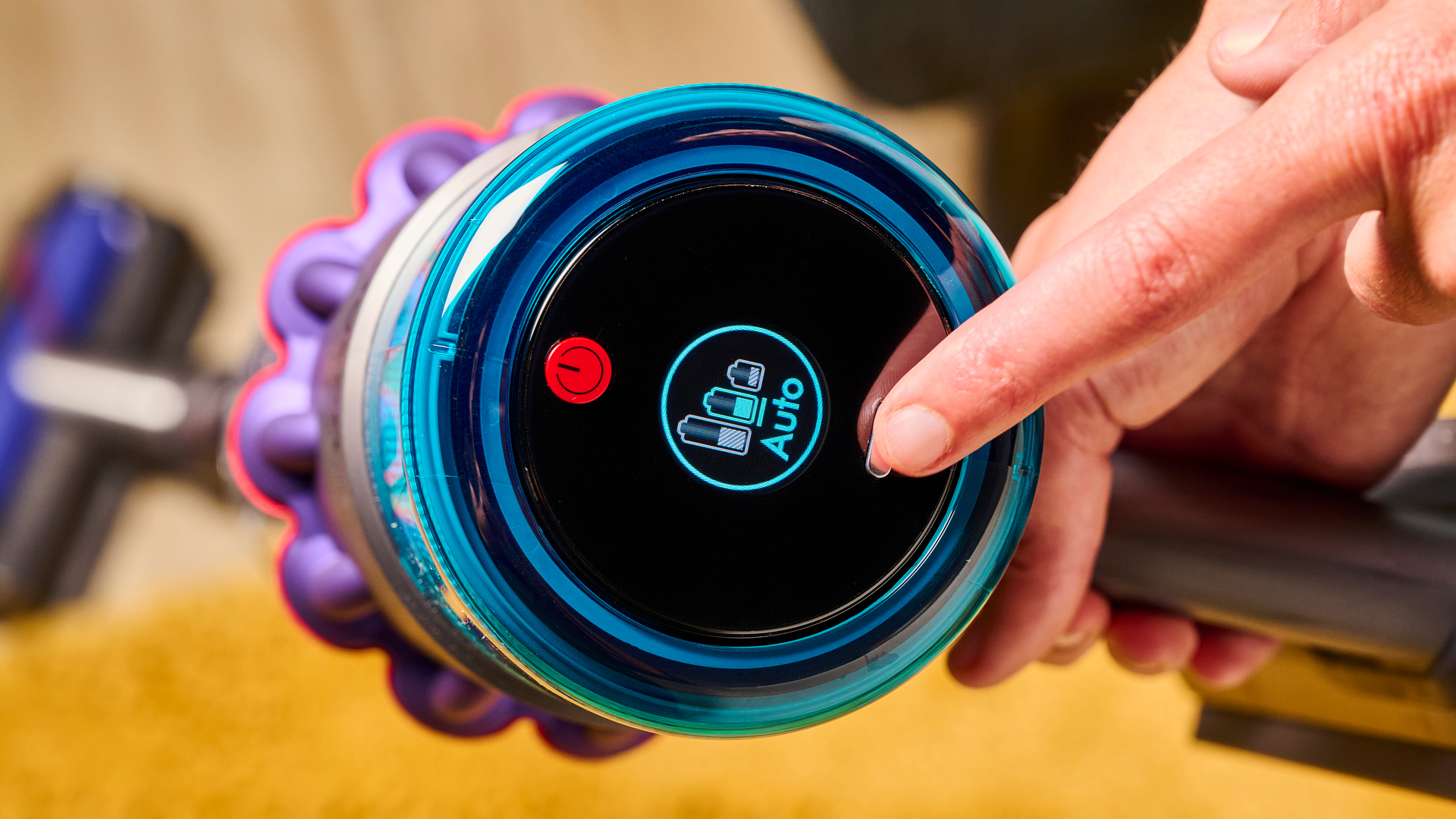
It used to be that vacuum cleaners had one suction setting, plus perhaps a Boost mode that you activated manually when you needed to clear really tricky, ingrained dirt. Nowadays, it's increasingly common to see an 'auto' mode, where the vacuum itself decides exactly how much suction is required for any given area, and adjusts accordingly.
As the author of TechRadar's best cordless vacuums guide, I've tested numerous options – from models with no automation to speak of right up to vacuums that can detect a whole range of different environmental factors. So is automatic suction adjustment worth it? Here's my take...
What kind of automation do you mean?
At the simplest level, a vacuum might be able to distinguish between carpet and hard flooring. This is a useful automation, because carpet (where the dirt is settled within the fibers) always needs a bit more suction than a hard floor (where it just sits on top of the surface).
At the next level is dirt detection. Some vacuums can tell how clean the floor is, and amp up suction when they detect more particles in need of cleaning up. The best Dyson vacuums go a step further and also measure the size of said particles.
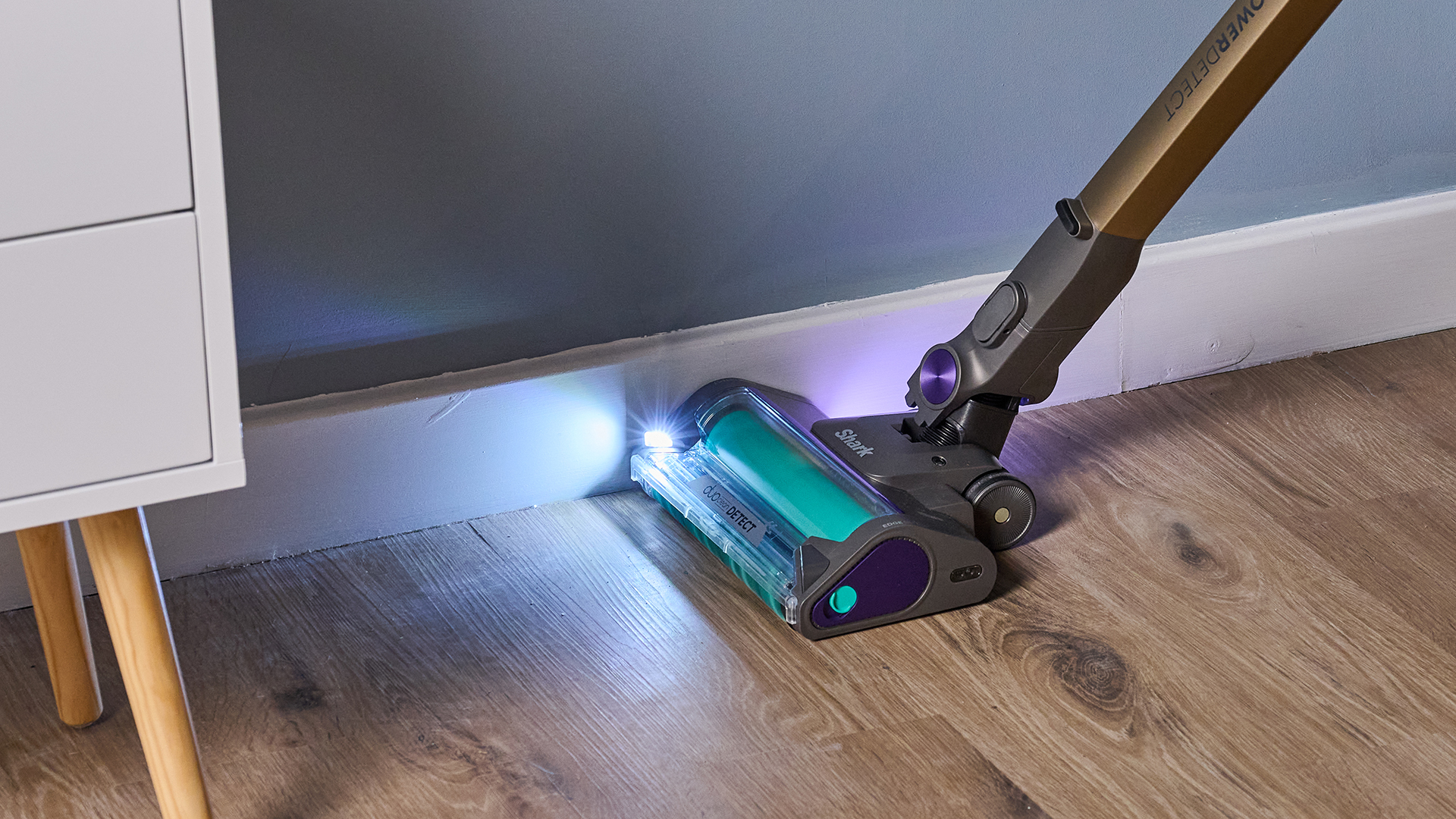
There are further brand-specific offerings. Some Shark vacuums have the ability to sense when they're approaching the edge of a room – a typical hotspot for dust. They'll then amp up suction to clear any particles that have gathered there.
Some high-end Samsung vacuums go in deeper on floor type, and can apparently sense everything from carpet, hard floor, and mats, to long-pile carpet and corners. They'll then adjust both brushroll speed and suction power for an efficient clean.
Does it actually work?
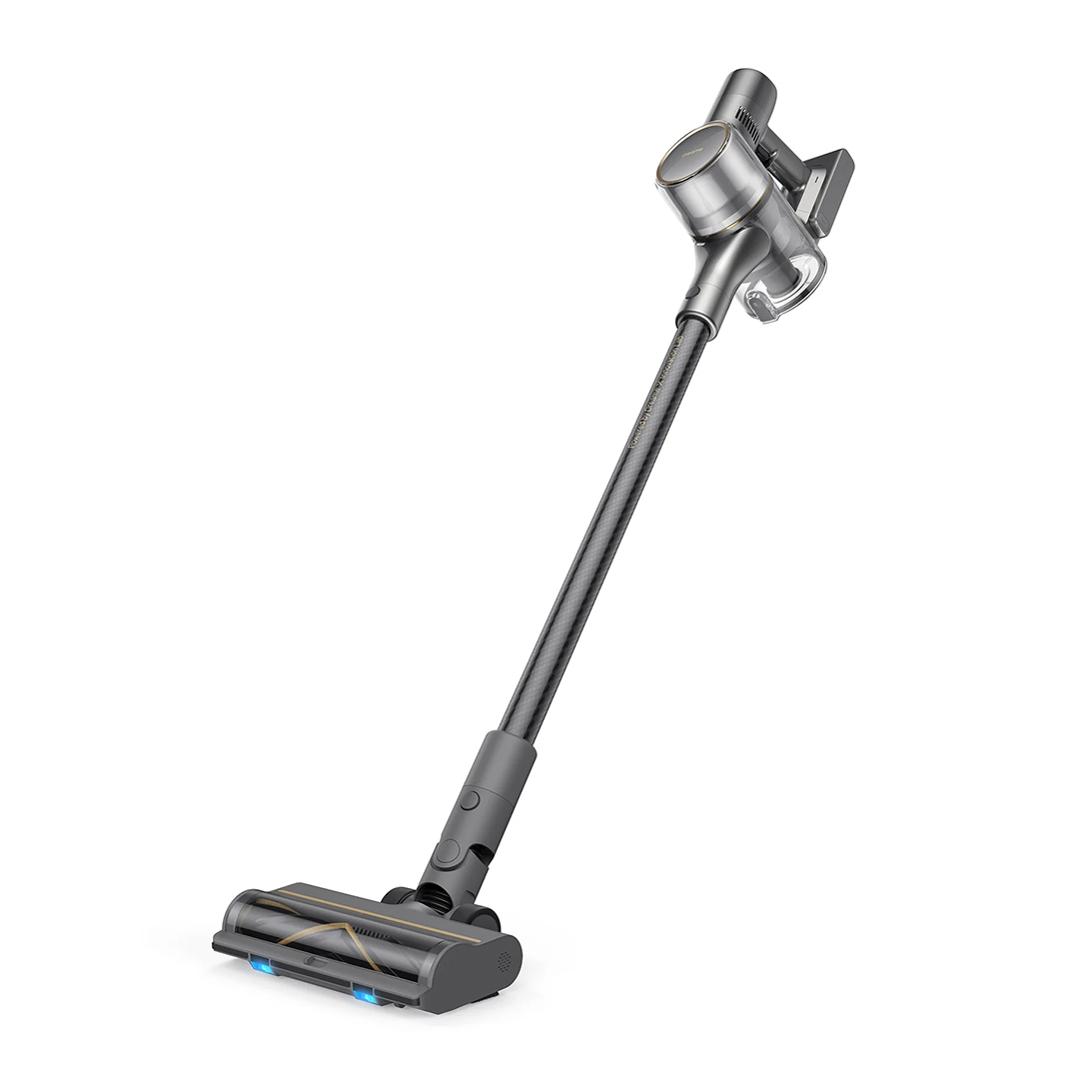
Yes, to a greater or lesser extent. On every vacuum I've tested that has an Auto mode – even cheap models like the Dreame R20 – I've been able to hear the suction amping up and down when I've driven the vacuum from a carpeted area to a hard floor area, or into a pile of tea or oats as part of a suction test. If there's a pool of debris I've placed there, I have noticed it might take a second for the resulting suction boost to kick in.
How precise the dirt sensing is, is another thing. In general use the dirt isn't visible, so I'm just taking it on good faith that any ramp up in suction power is indeed the result of more dust on the floor.
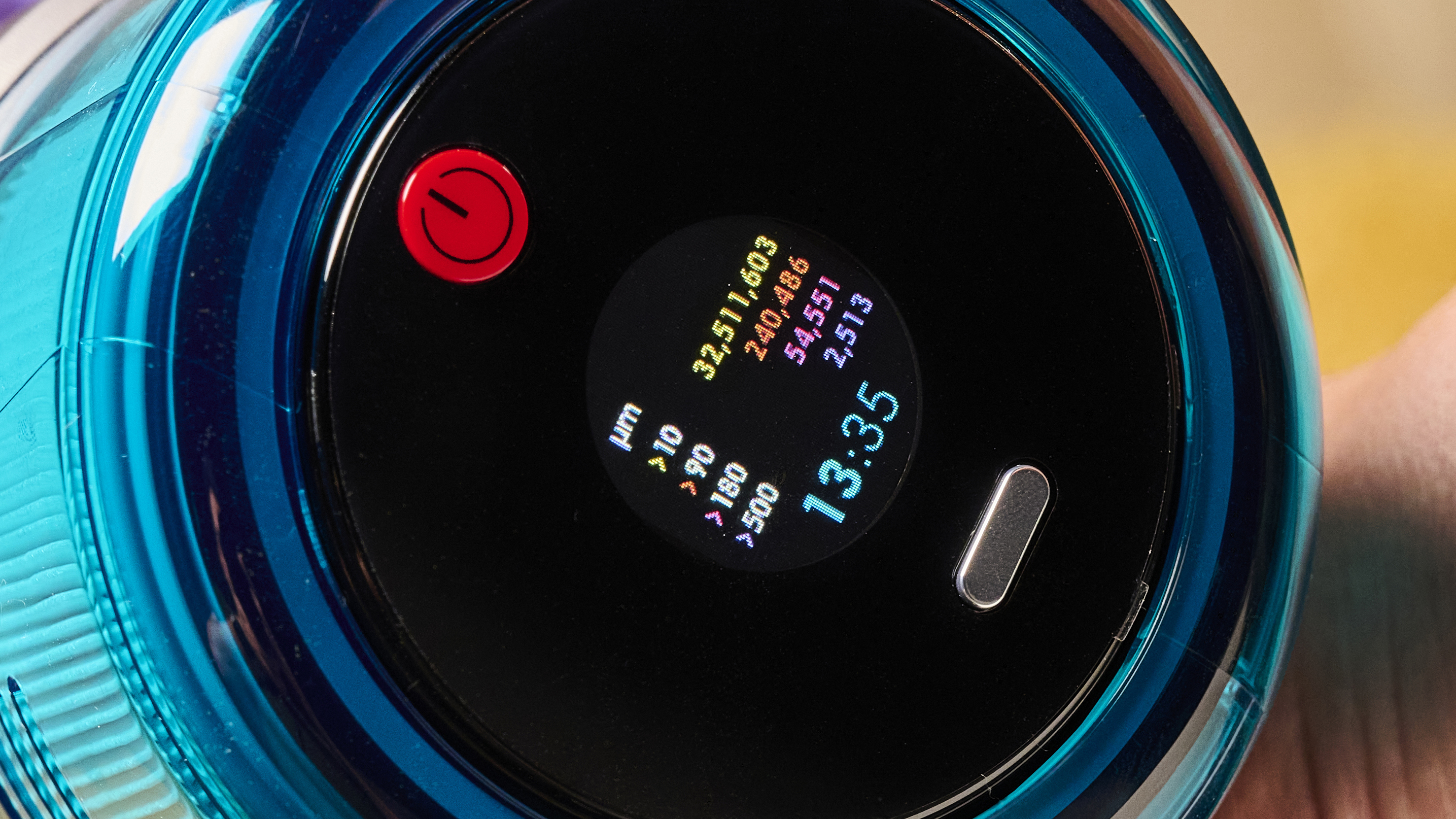
The brand I'm most convinced by is Dyson. The Dyson vacuums with auto-adjustment also have a screen that displays, in real time via a colorful moving bar graph on screen, the number and size of particles being sucked up by the wand. It'll then give you a little summary at the end. That feels like the closest thing to proof of accuracy in this area.
Other brands tend to use a color-changing ring or icons to announce they've spotted some dirt, but nothing more precise than that. In fact, sometimes making sense of the color-coding is a riddle in itself, but that's another article.
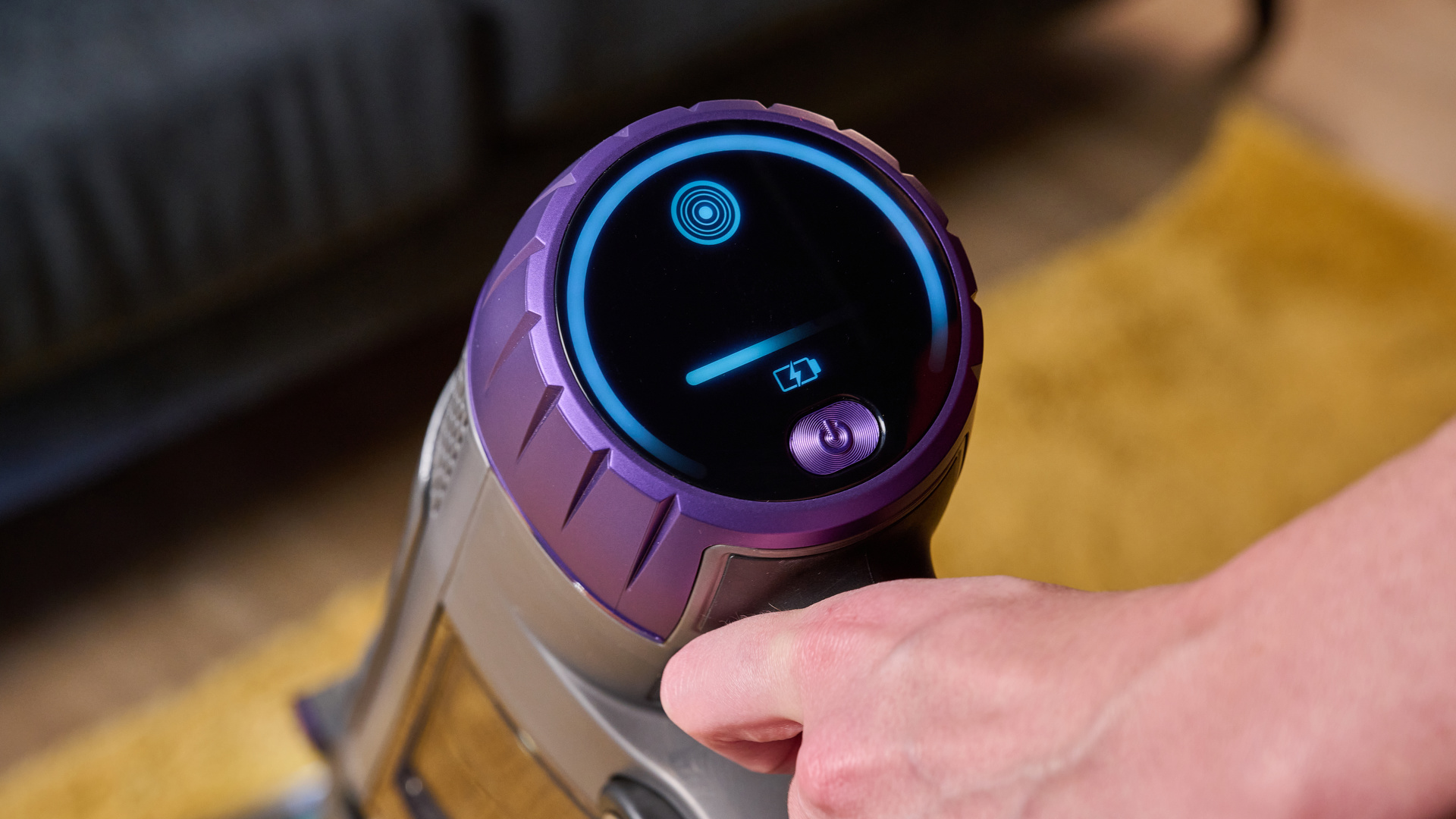
Aside from dirt detection, I will say that Shark's edge-detecting on models has been reliable in my experience, but Samsung's AI-powered specific environment sensing has been more hit-and-miss (see my Samsung Bespoke AI Jet Ultra review for more on that).
It's worth noting, too, that these vacuums will also typically have a Min mode and a Max mode alongside the Auto option. That might just be to satisfy customer expectations, but if you're confident in your Auto performance, surely that's the only mode anyone would ever need?
Will it make my floors cleaner?
On its own, I'm not sure it will. Things like outright suction power and floorhead design are far more important in determining how well a vacuum will clean.
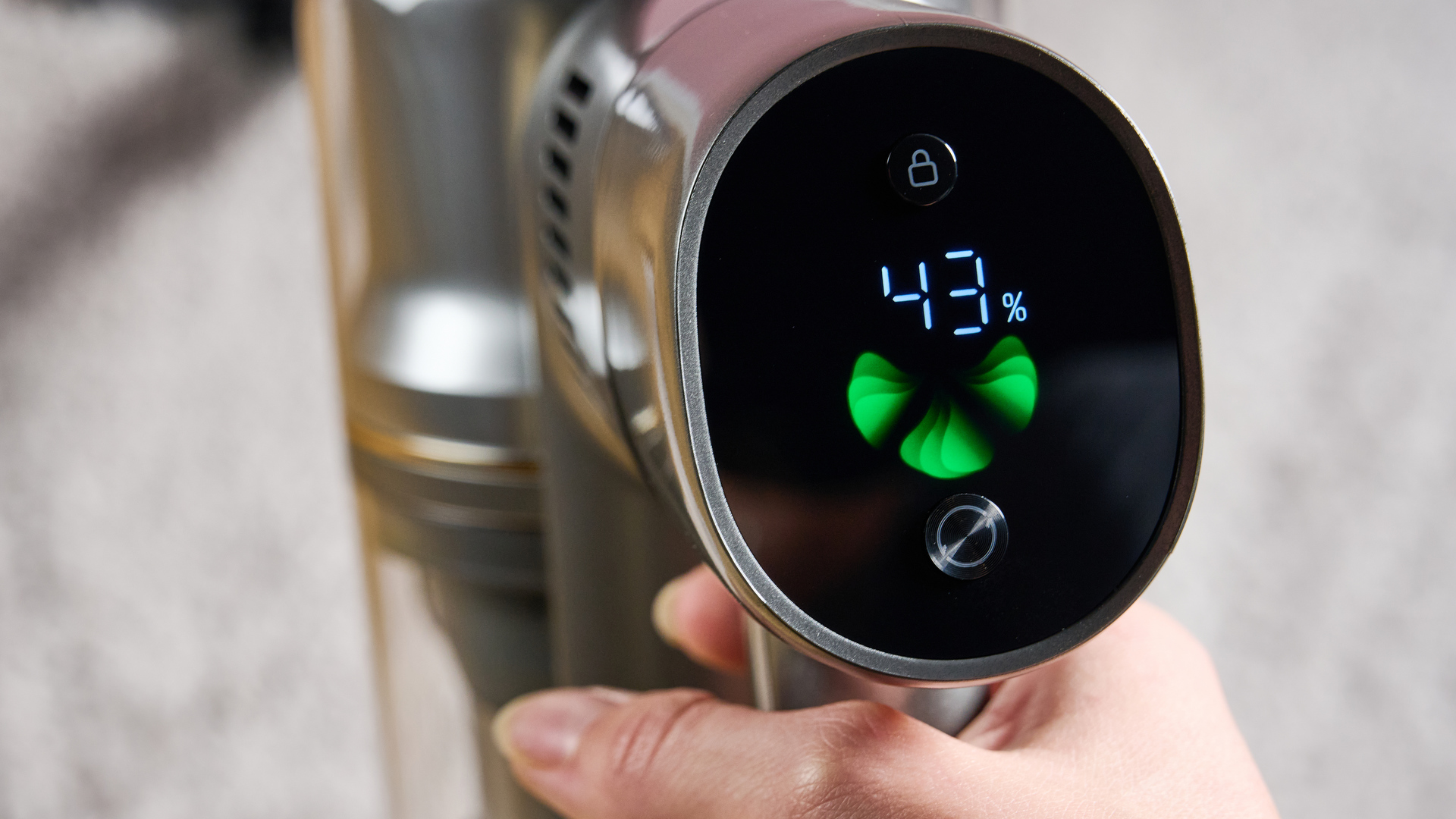
I recently ran a group test of a whole load of cordless vacuums, using each model's Medium or Auto mode as the default for the cleaning tests. The top scorer in terms of cleaning was the Shark PowerDetect Cordless, followed by the Dyson Gen5detect (both of which have Auto modes), but the Dyson V8 Cyclone (which has no Auto mode) came a close third. Plus, the three least effective cleaners also had Auto modes.
Based on my experiences, a great Med suction mode can clean just as effectively as an Auto mode, or sometimes even better. But that's not to say automatic adjustment doesn't have its benefits...
So what are the benefits?
Benefit #1 is ease of use. Having the vacuum switch modes for you just makes the cleaning process that bit smoother – and especially if your home has a mix of hard floor and carpet (as most people's do). Now I'm used to vacuums with Auto modes, having to manually adjust suction feels complicated and annoying.
Generally, I'll default to just cleaning with the Med mode most of the time, which is what I'm willing to bet most people are also doing. In that case, maybe you aren't ending up with the most thorough clean, because there will be situations where Boost is needed, and it's not being deployed.
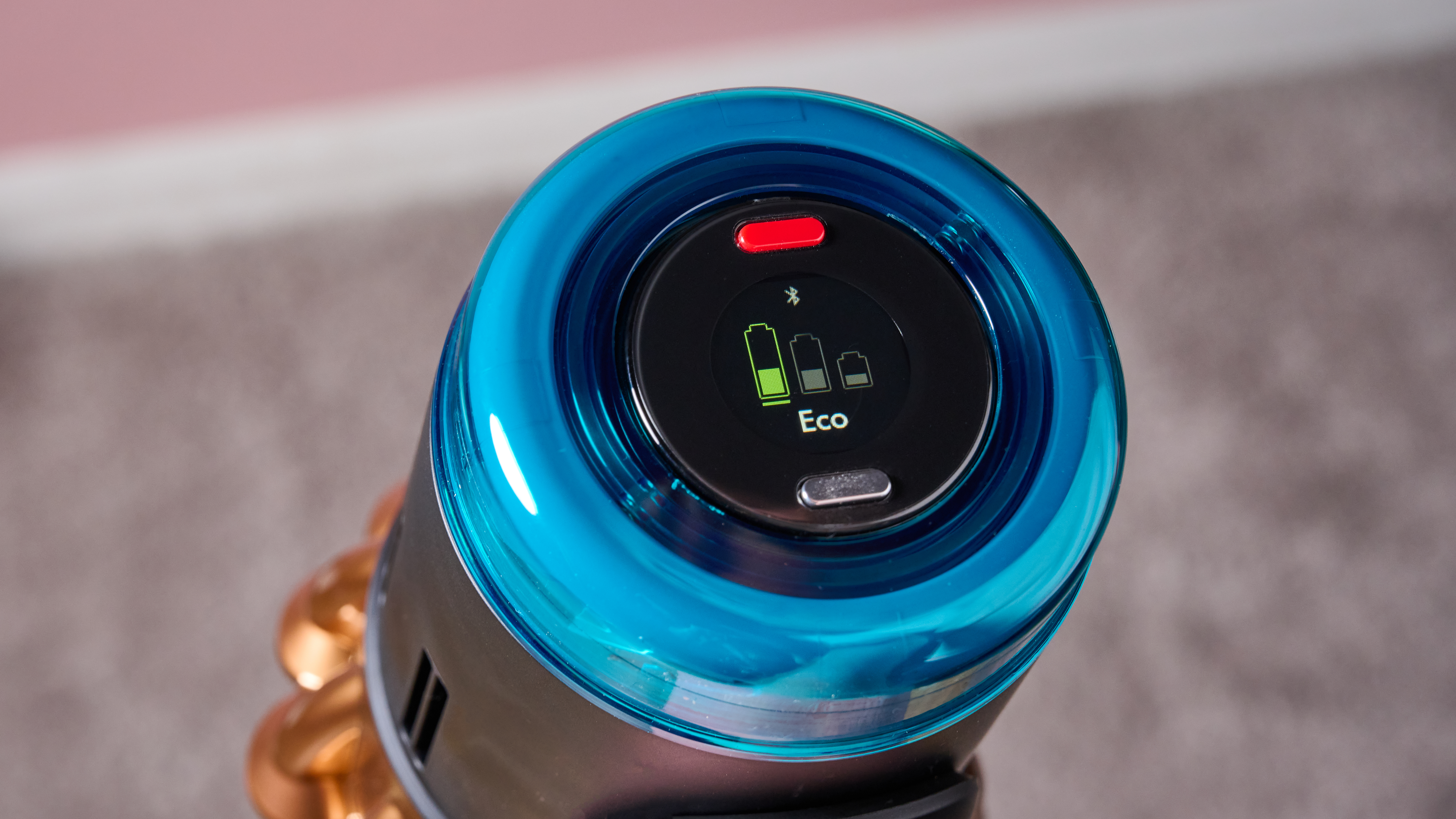
Benefit #2 is battery maximization. By only using extra suction when it's strictly needed, you'll eke more runtime out of your machine. That's less of an issue these days, where battery capacities are higher and runtimes generally quite generous, but it's still good to make the most of it.







 English (US) ·