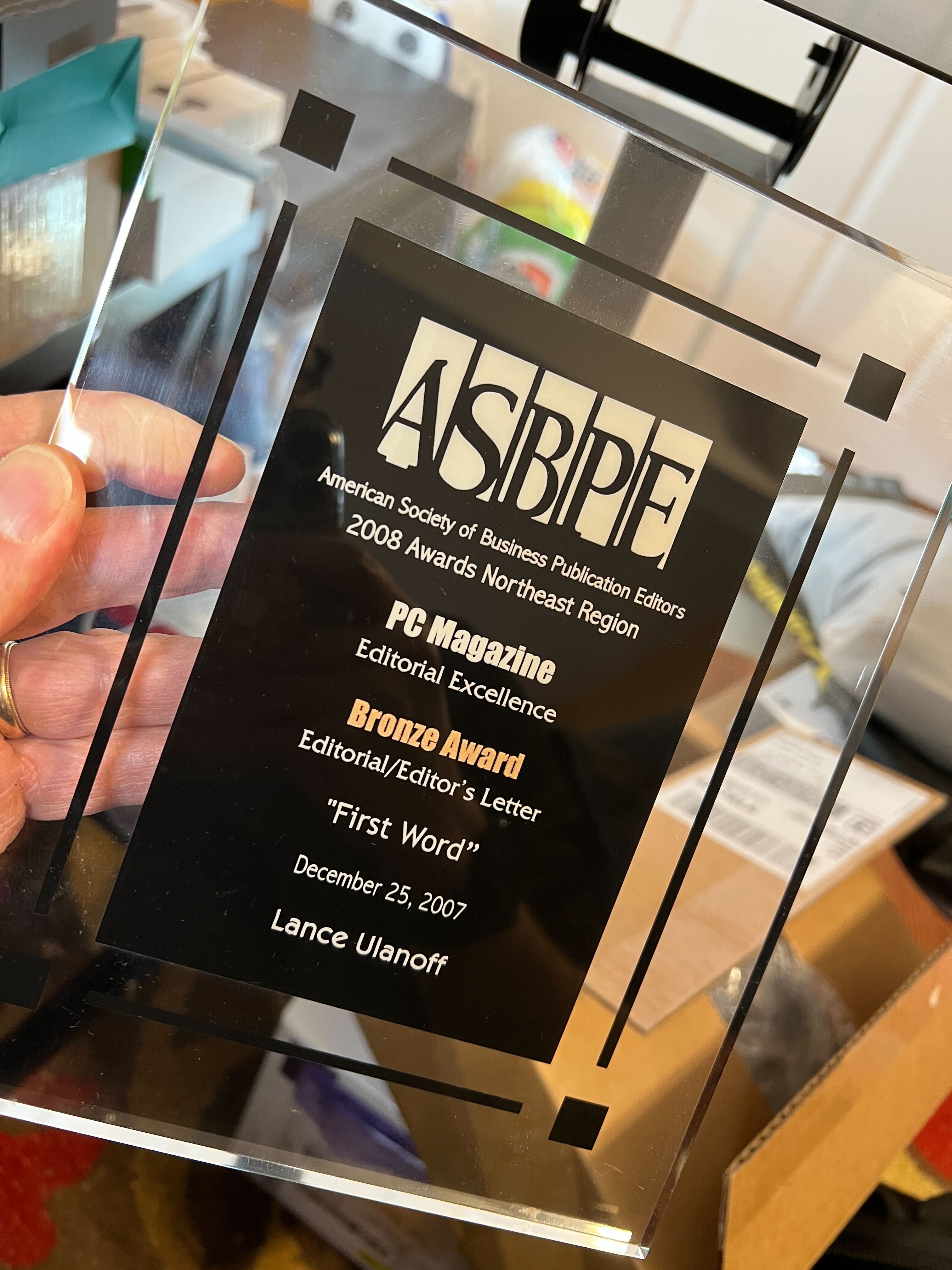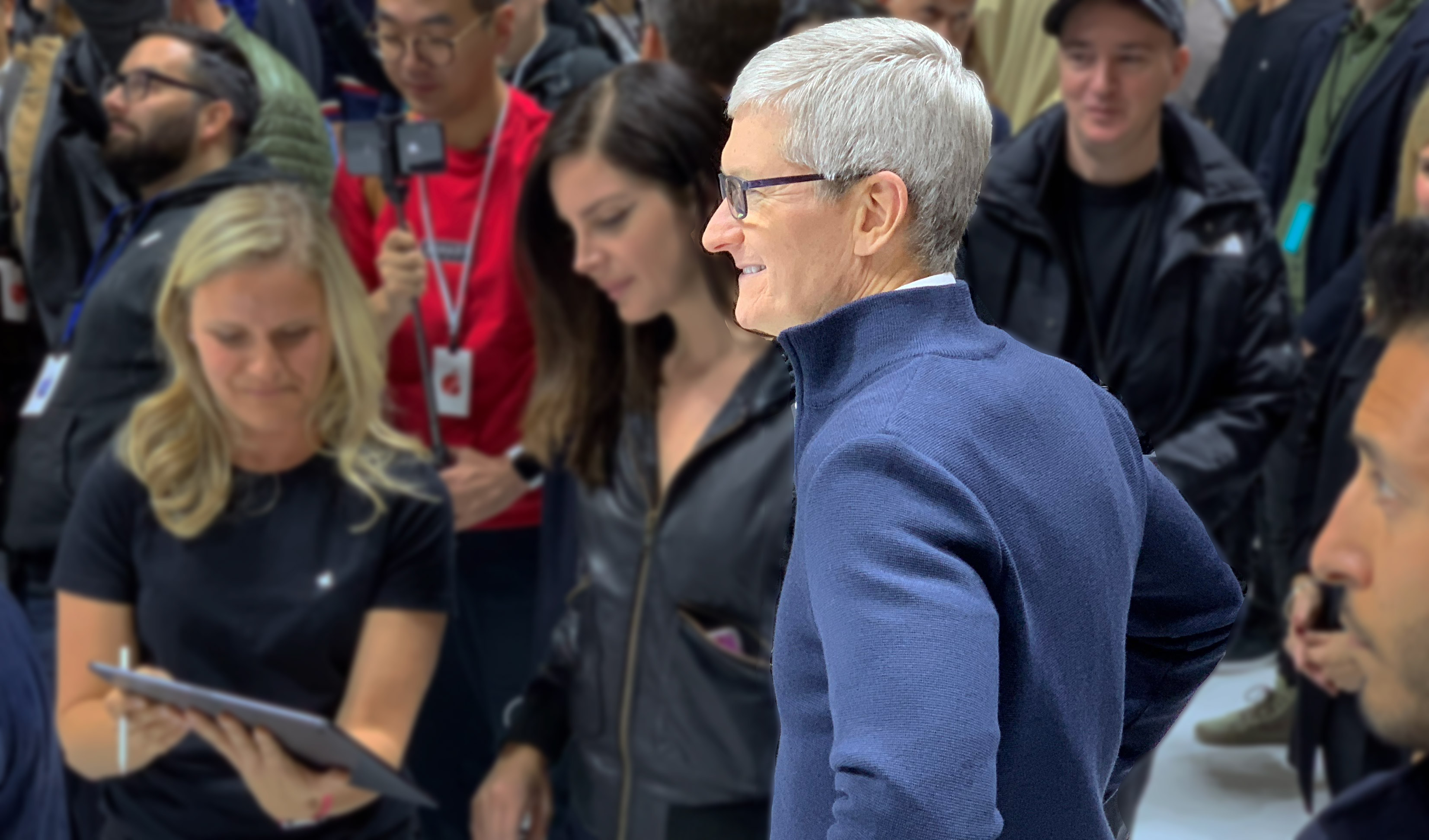
As Tim Cook prepares to vacate his role as Apple CEO on September 1st and John Ternus assumes control, people have asked me what Cook is like and how he compares to Ternus. I can't say I know either man well, but I do know them and have, over the years, had the opportunity to speak to each of them.
In due time, both will be part of a very small club: men who have stepped into running one of the biggest and most important tech companies on the planet. When Cook took over, it was shortly before one of Apple's most important launches: the iPhone 4S and, not coincidentally, Siri (yes, the original Siri). 15 years later, Ternus becomes Apple CEO at another pivotal moment: the launch of the first folding iPhone (maybe called the iPhone Ultra) and the full release of Siri AI.
How Cook in his day and Ternus next month deal with consequential moments is surely tied to their personalities. Leaving aside the scripted moments and the strategic imperatives that drive such days, it's who these men are that define the events. I'm not sure I ascribe to the idea that a company reorients itself in the image of its CEO, but it's hard to argue with the notion that who a person is does impact products, partnerships, and corporate culture. Even relationships with people like me (media journalists) will vary depending on leadership.
Cook and his Apple legacy
I thought about all of this as I watched Cook struggle a bit this week with a question from CBS News Correspondent Jo Ling Kent, who was interviewing the outgoing Apple CEO at the opening of a new Mac Mini plant in Houston, Texas, the first such US plant in ages to build consumer-grade Macs on US soil.
Kent reminded Cook that he once said Apple co-founder and former CEO Steve Jobs' legacy was innovation and wondered what his would be.
Anyone who knows Cook or has spoken to him even a little bit would know that he's not the self-aggrandizing type and is not obviously introspective. In my conversations, I found a genial and extremely polite man who could be a bit guarded (though he is far more approachable than Steve Jobs ever was). He's quick with a handshake and smile, but not one to slap you on the back and share a joke or a secret.
I somehow knew that Cook would not be defining his own legacy. Instead, he told Kent that should be left to others, but he hoped that "people say I was a good and decent man, then I feel like I will have achieved something."
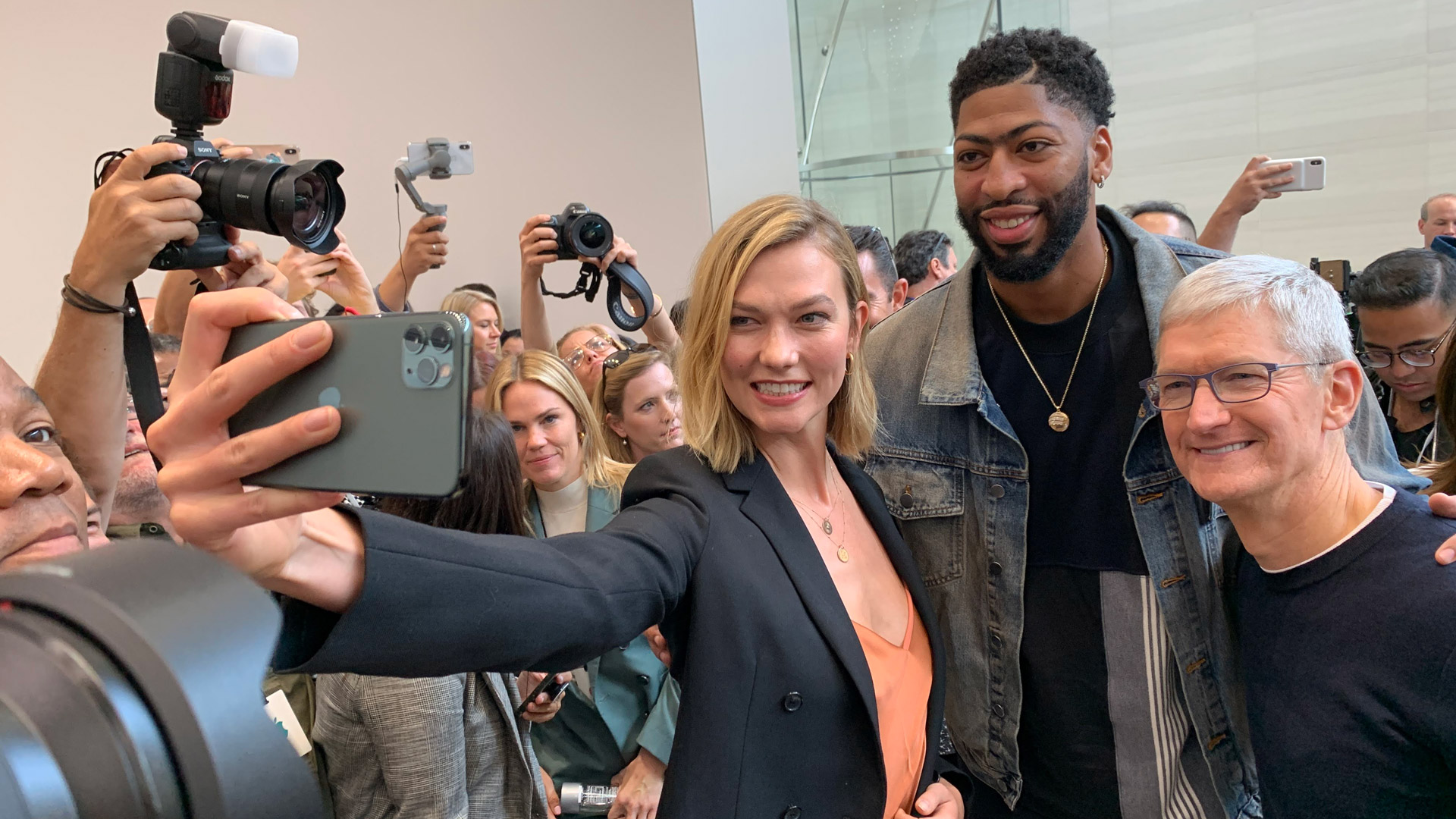
In direct interactions and for much of his Apple tenure, I think Cook's basic decency was on display. Far more so than his predecessor, Cook spoke about Apple as a force for good, helping people, protecting the environment, and adding DEI principles to Apple's corporate policies that remain in place to this day.
Cook's reputation for goodness and decency may have taken a hit in public discourse when he appeared to align himself and Apple with divisive US President Donald Trump. The work has mostly been part of an effort to bring manufacturing back to the US, though some might argue Apple was strong-armed into it by Trump's threat of exorbitant tariffs. In fact, the completion of the Mac Mini plant is a direct result of the promises Cook made to Trump.
The complication of legacy and compromise
I, like many others, have struggled to reconcile the Cook I know with the man I saw handing Trump a golden trophy. Cook has since said the trophy was not a political statement and later told Esquire, "I’ve interacted with governments all around the world, some that I have very different views on. But I think until you engage, you never know — you never understand — where somebody else is coming from. And you have no influence at all."
This statement dovetails neatly with Cook's southern personality, which is focused on politeness and compromise, but also an iron will that allows you to ride the middle while still getting things done.
Cook would never tell you what he thinks of Trump, certainly not now or even when he becomes Executive Chairman on September 1, though I doubt Cook would be surprised if he heard Trump say he's unconcerned if people think he's been a good and decent man.
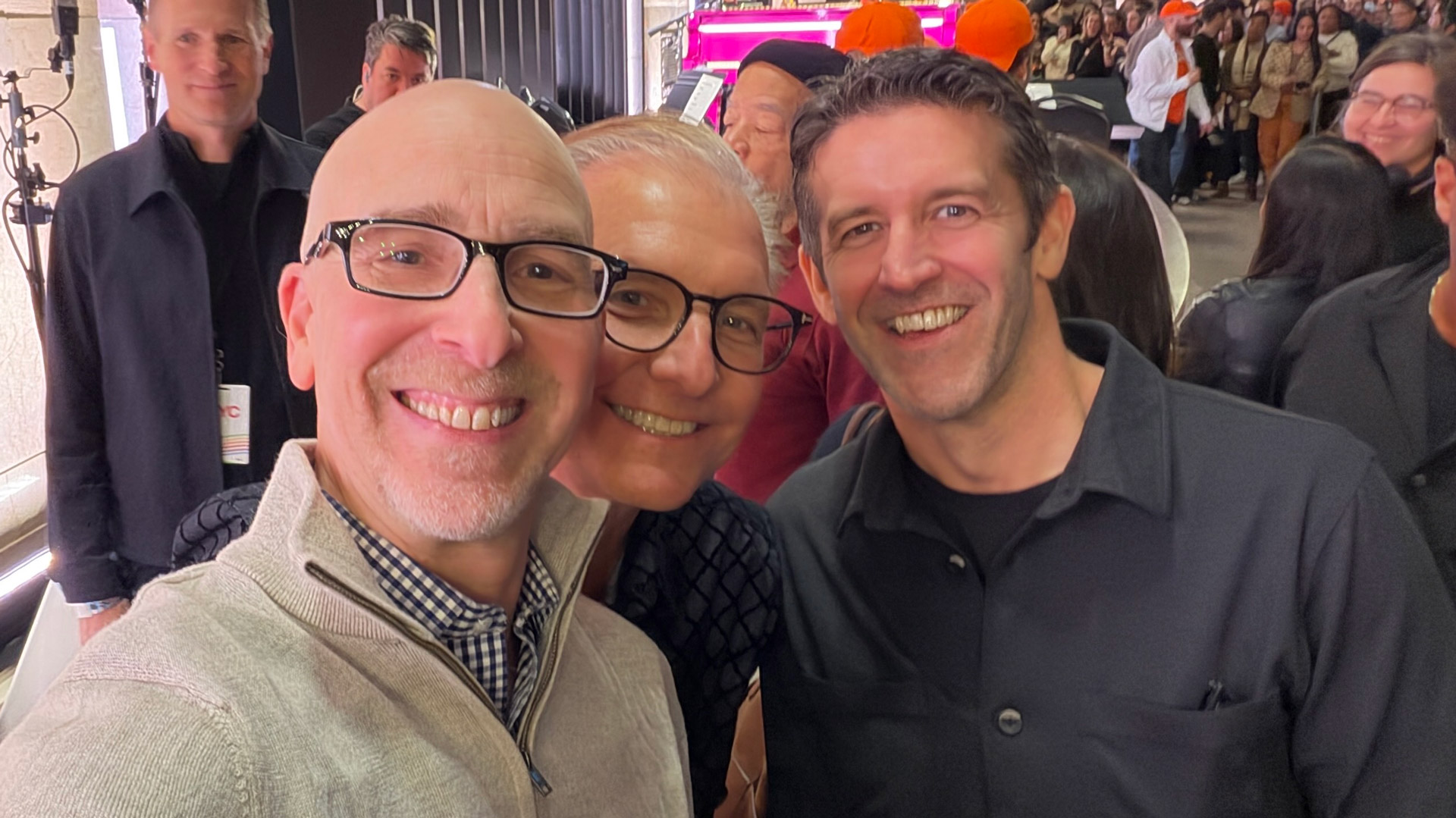
Which brings me to Ternus. Over the years, I've spoken to him mostly about products and technology, but have had a few moments where we just chatted (briefly), and I could immediately see how different he is from Cook. Ternus seems quicker to laugh, joke, and is maybe a little less guarded and focused on politeness. Perhaps it's his bi-coastal background (born in California, schooled in Pennsylvania), but there's no southern gentility here.
Apple CEO is not, fundamentally, a personality-driven role, not since Jobs, a true iconoclast, died. Cook has ultimately been more of a traditional CEO whose personality came second to the job. Ternus will surely be no different.
Whatever Cook's true legacy (services, health, Apple Watch, a trillion-dollar valuation), it'll soon be Ternus's time, and his moment to start building his own legacy, one that will also be judged and declared by others.

Follow TechRadar on Google News and add us as a preferred source to get our expert news, reviews, and opinion in your feeds.




 English (US) ·