
Doogee S200 Ultra: 30-second review
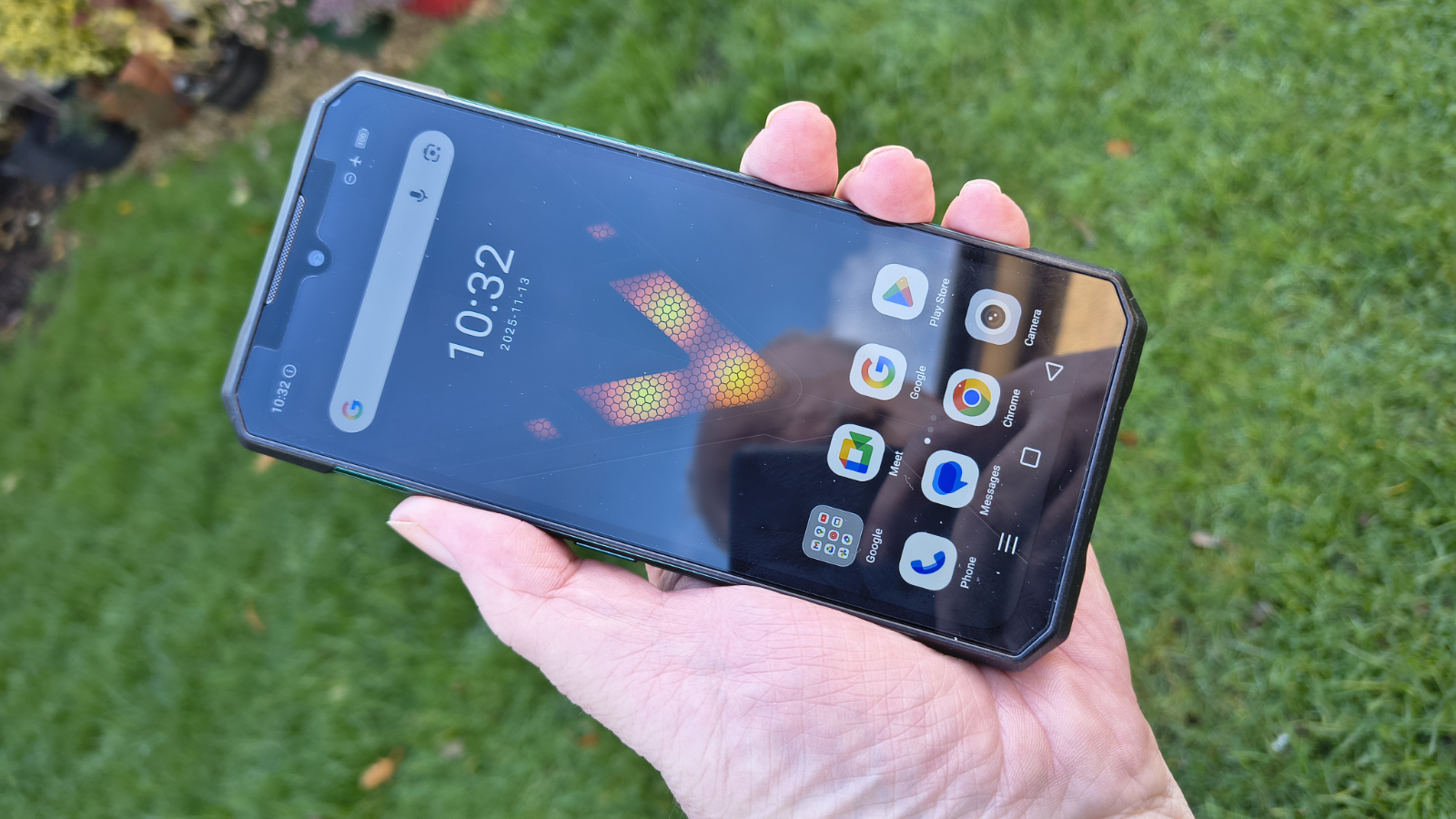
Doogee first launched the S200 series in late 2024, and since then, we’ve seen the S200 X, S200 Plus and now the S200 Ultra and S200 Max.
Whereas the S200 and S200 X both used older 6nm SoCs, the S200 Plus had a more modern Mediatek Dimensity 7300 (4nm), and the Ultra has now bumped that up to a Dimensity 7400.
What the S200 Ultra has retained is the same pseudo-mech styling, a 100MP primary camera, the polycarbonate, TPU, metal, and titanium construction, and 5G comms. Also, all the first three S200 designs were Android 14, and this one is Android 15, not that it makes a huge difference.
It still gets 12GB of RAM, but storage can be the 512GB that previous designs got, or, in the case of the review hardware, it comes with a whopping 1TB of internal storage. You can use a Micro SD card with this phone, so the amount of data you can carry is substantial.
In short, the differences between this and, especially, the S200 Plus are modest, except for storage capacity, but the price difference is $100, with the Ultra coming in at $550 direct from Doogee. It can be found cheaper elsewhere, and while not especially inexpensive, the inclusion of dual OLED displays and a 24-month warranty helps sweeten this deal. But the high-ish price point is certainly what could stop this from being the best rugged phone choice for many.
Doogee S200 Ultra: price and availability
- How much does it cost? $550/£600/€600
- When is it out? Available now
- Where can you get it? You can get it in most regions directly from Doogee or from many online retailers.
Doogee sells its phones directly and via online retailers like Amazon and AliExpress.
In the USA, the S200 Ultra sells for $549.99 directly, or you can get it on Amazon.com for $549 with faster delivery.
Those keen to wait for AliExpress delivery can get it for as little as $439, for the global version of this phone, should that work with their provider.
However, Doogee is currently offering a deal where if you buy the phone from them, you get a bundled Bluetooth speaker and headphones, which are allegedly worth another $180.
In the UK, the official Doogee store price on Amazon.co.uk is £519.99, but at the time of review, ticking the voucher box knocks an impressive £100 off, bringing the price to only £419.99.
The EU price is €629.99, but again on Amazon.de a voucher reduces this by €150, making the cost only €479.99.
Overall, possibly due to import tariffs in the USA, the S200 Ultra is a better deal in Europe than it is stateside.
To my knowledge, the only other rugged phone that uses the same Dimesnity 7400 platform is the Ulefone Armor 29 Pro. That is a remarkably similar spec, having the same dual display aspect, but a much larger battery. But it's also much cheaper in the UK, being just £369.99 on Amazon, but even more expensive in the USA, at $599.99.
Therefore, if you are in the USA, then the Doogee S200 Ultra might be the better deal, whereas elsewhere the Ulefone Armor 29 Pro might be considered better value. But considering this product spec is a little niche, it's probably priced at least $50 more than it should be.
- Value score: 3.5/5
Doogee S200 Ultra: Specs
Swipe to scroll horizontally
CPU: | MediaTek Dimensity 7400 |
GPU: | ARM Mali-G615 MC2 |
NPU: | MediaTek APU 655 |
RAM: | 12GB |
Storage: | 1TB |
Screen: | 6.72 inch FHD IPS, 1.32-inch rear OLED |
Resolution: | 1080 x 2400 OLED 120Hz |
SIM: | 2x Nano SIM + TF (all three can be used) |
Weight: | 383 grams alone |
Dimensions: | 179.5 x 82.5 x 16 mm |
Rugged Spec: | IP68 IP69K dust/water resistant (up to 2m for 24 hours), MIL-STD-810H Certification |
Rear cameras: | 100MP AI Main Camera + 20 MP Night Vision Camera + 2MP Macro Camera |
Front camera: | 32MP |
Networking: | WiFi 6E, Bluetooth 5.4 |
Audio: | 1216Q Super Linear Speaker System |
OS: | Android 15 |
Battery: | 11000 mAh (Max 66W wired, 10W reverse) |
Colours: | Mystic Black, Dazzling Yellow, Forest Green |
Doogee S200 Ultra: design
- Design
- Practical size and shape
- Terrific displays
The new S200 Ultra is the latest refresh of the original S200, which appeared in September of 2024. The fact that Doogee has released five models now, if you include the Max, is a testament to how many of these they’ve shipped, presumably.
Like so many rugged phone makers, Doogee quotes IP68, IP69K, and MIL-STD-810H as robustness credentials, but I noticed a significant difference between what that translates to and what the S200 base model offered.
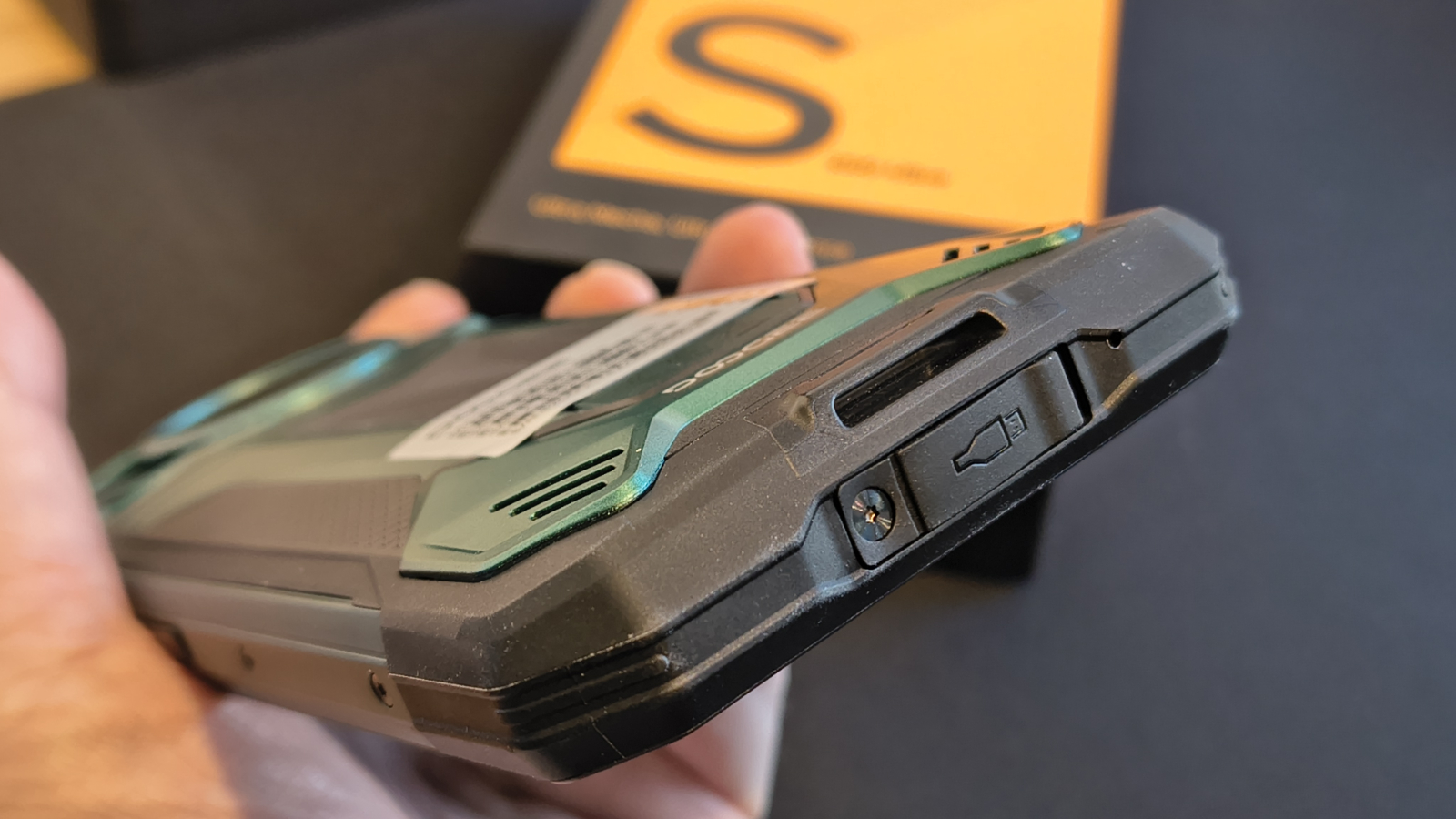
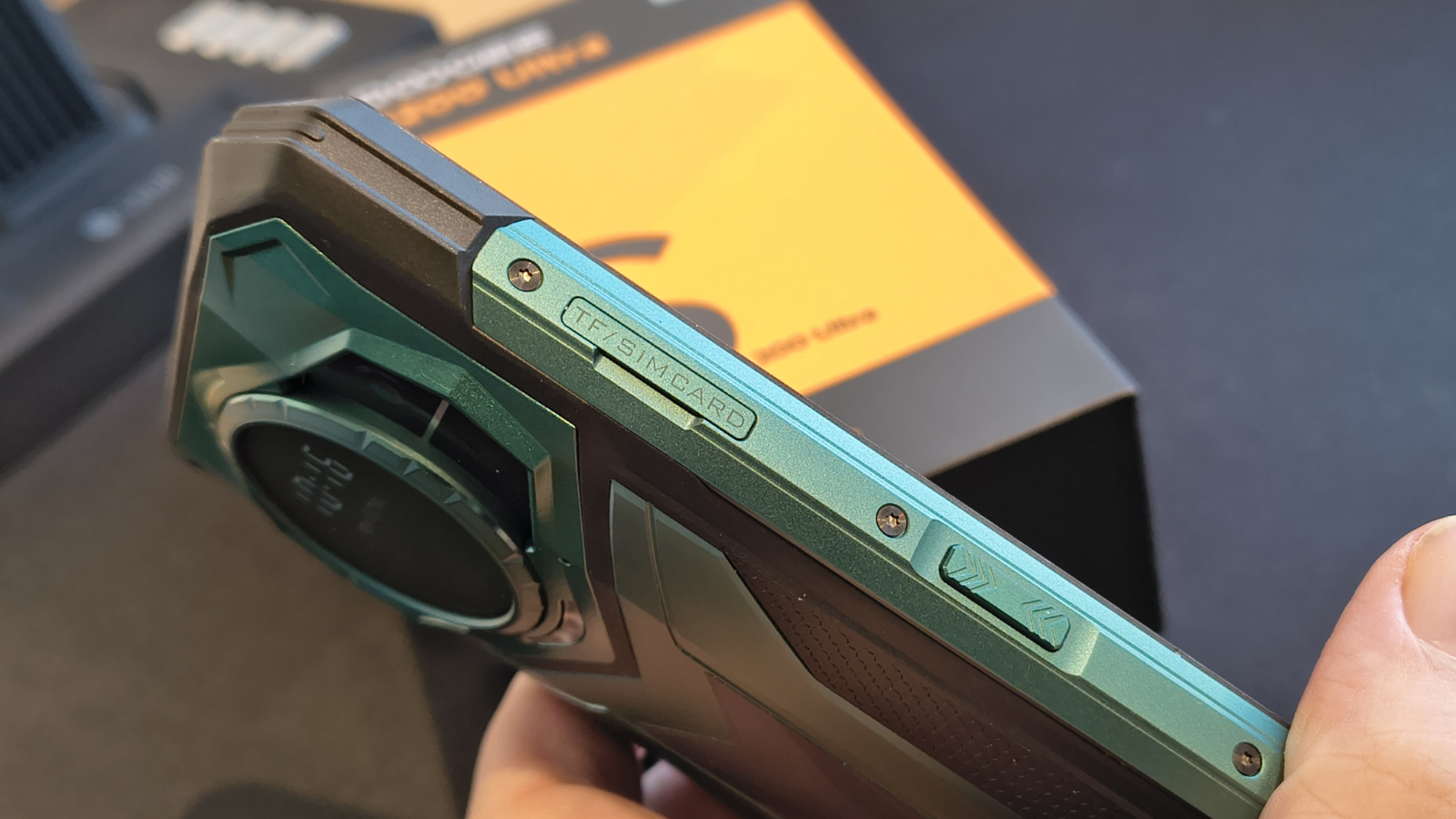
The S200 had a rubber plug that needed to be in place to be waterproof, and was rated for 30 minutes submerged at a depth of 1.5 m. The S200 Ultra still has the slightly annoying rubber plug, but now it should keep water out of the phone down to 2M and for up to 24 hours. Personally, I still wince when phone makers put underwater photo modes in the camera settings, but the S200 Ultra tries harder than most to make the dream a reality.
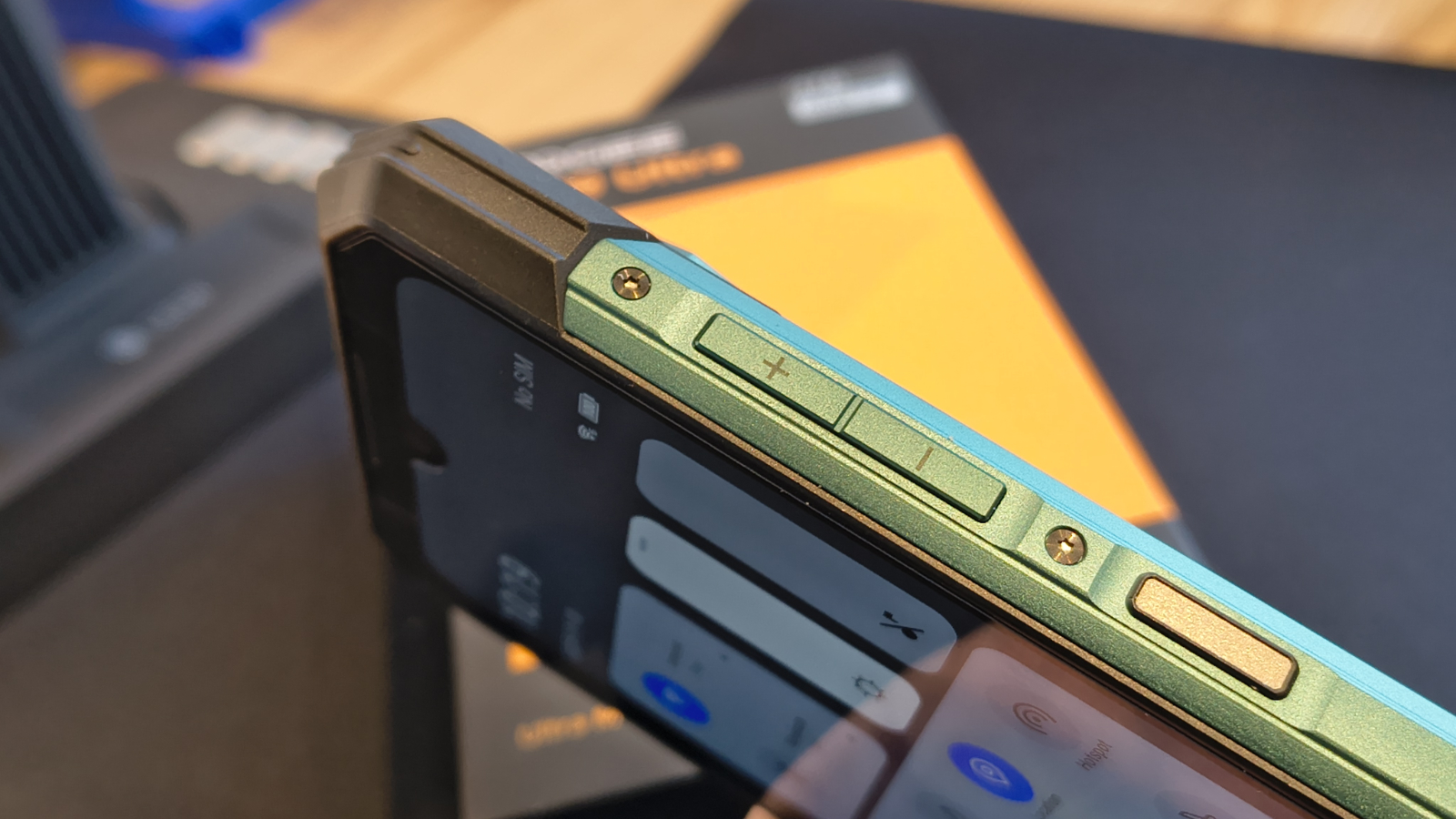
Like many current Android designs, Doogee included a user-customizable button to launch apps, configure the hardware or capture the screen. The button layout for this device is as generic as they come, and it avoids the need to learn new things for those familiar with it.
The S200 Ultra provides a robust platform with a clean Android experience, avoiding the pitfalls of substituting Google apps for lesser alternatives. It includes some handy features, like a Game Mode that minimises interruptions from calls, an Easy Launcher, an FM Radio, and a collection of useful tools. The intention appears to be catering to users who appreciate a straightforward transition from similar devices while sticking to a pure Android interface.
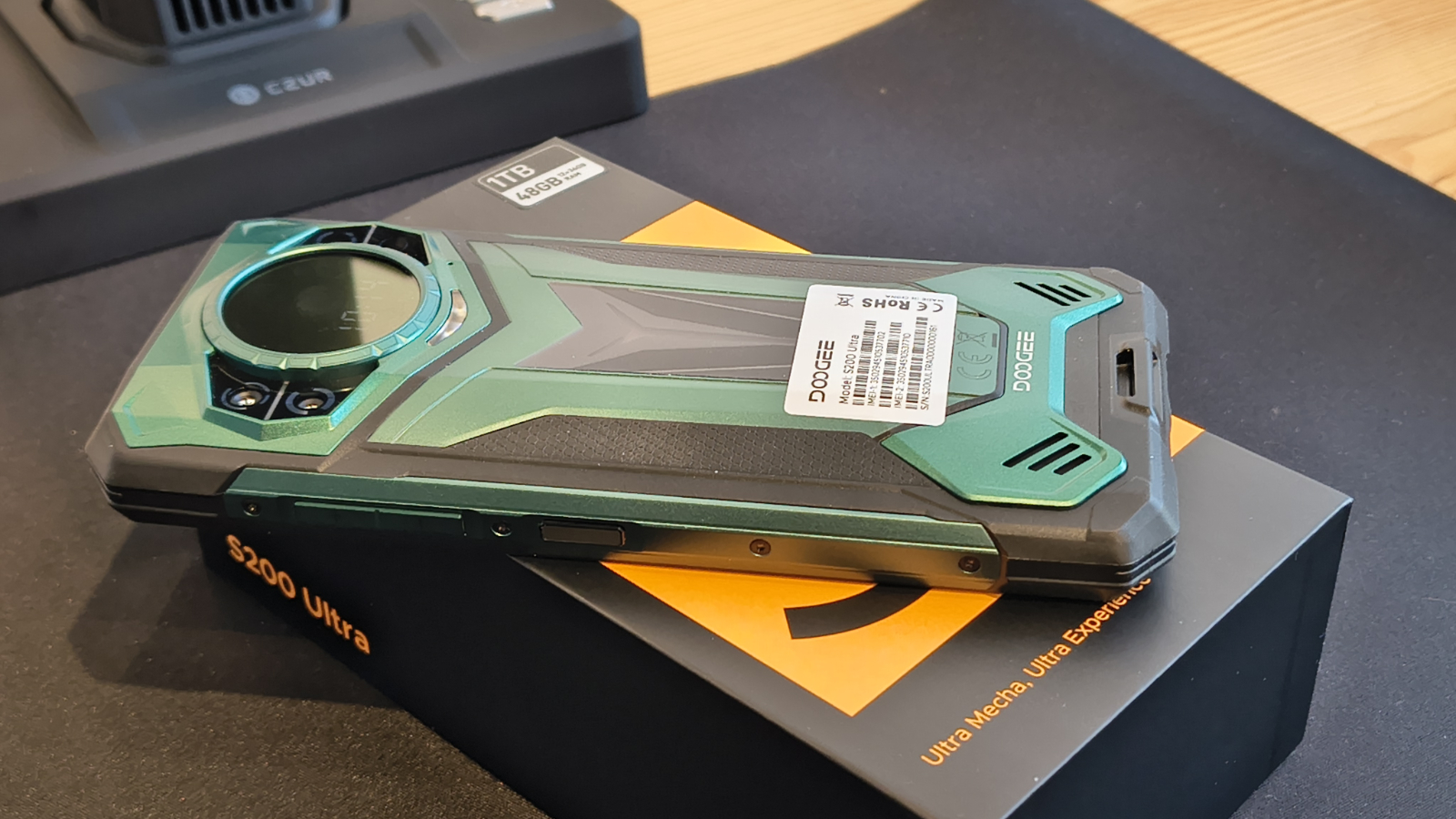
One thing that annoyed me about the original S200, Doogee left out of the Ultra, thankfully. That machine had an NFC motif on the back that seemed, to me, to imply that it could wirelessly charge. It couldn’t, and neither can the Ultra model, sadly, but the back is a continuation of the future-tech styling instead of that potentially misleading graphic.
There are two design aspects to this phone that sell it most, I believe, and that’s the practical form factor and the quality of the OLED displays.
At nearly 18cm long, this isn’t a small phone, but it's not impractically large or heavy, which is a rabbit hole that many rugged designs end up going down. Therefore, I can see this being an everyday phone for someone who works outdoors or in a challenging environment.
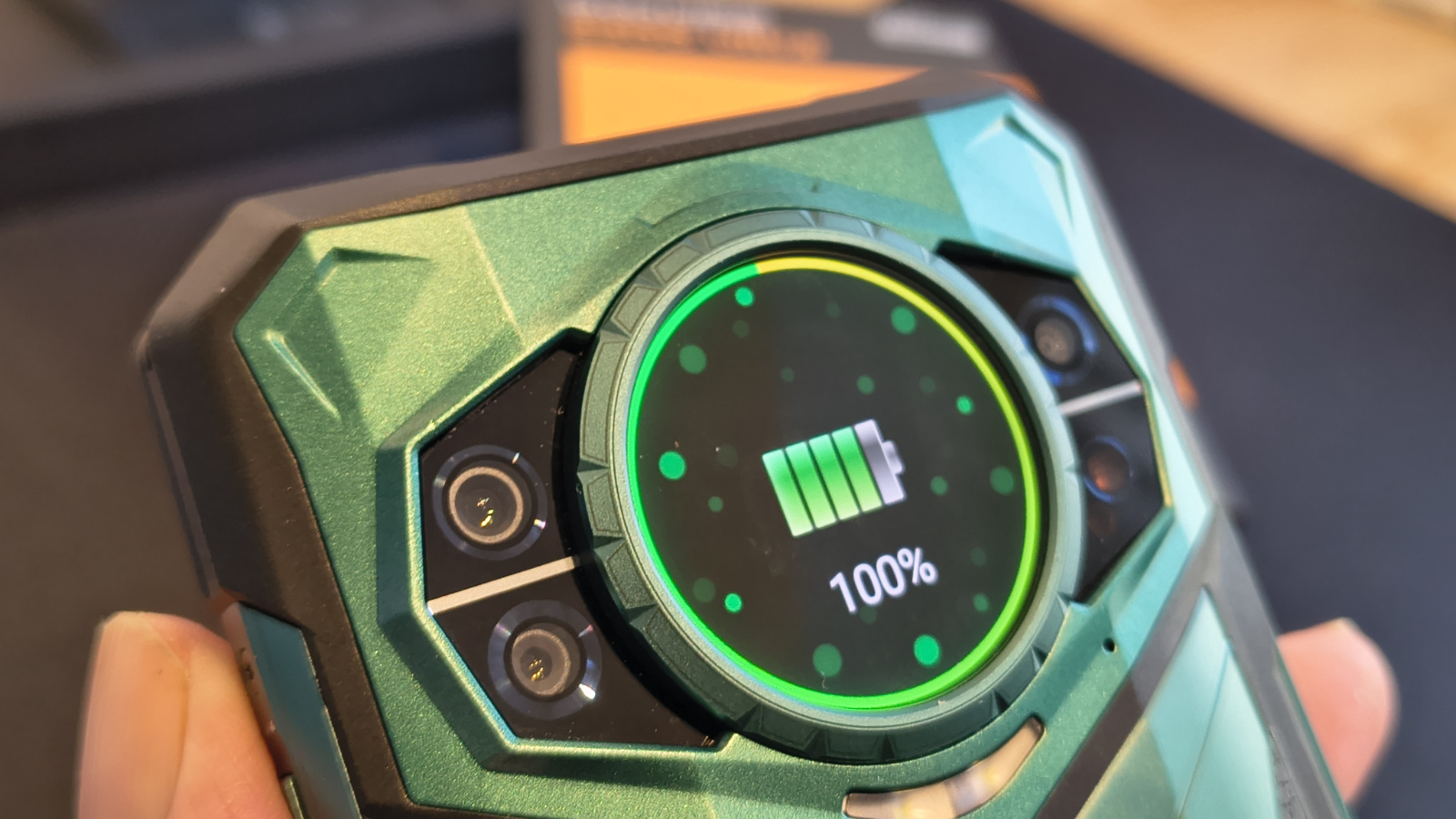
The other standout feature that is Doogee’s only defence for the cost of the S200 Ultra is the two decent displays, with the 6.72-inch 1080 x 2400 IPS main display on the front and another 1.32-inch circular OLED display on the rear.
These are both good quality displays, and the rear is spectacular at presenting the amazing colour gamut that OLED offers, and is super-sharp. Rear display. to my mind. tend to be something of a gimmick. Because surely if you needed to see some information, the time, whatever, then you should just pick up the phone.
But Doogee did pack the rear display on the S200 Ultra with enough useful features that I could imagine people using it, but how useful that might be to you is admittedly subjective.
The only downside to each of these displays is that they have a glossy finish, a drawback, especially if you're planning to work outdoors. I’m sure that anti-glare film is available for the S200 series, and both displays are bright enough to work through that, so that might be worth considering.
Overall, the S200 Ultra doesn’t diverge by a massive amount from the original S200, S200 X and S200 Plus, but then these were generally solid designs that don’t need much tinkering.
Design score: 4/5
Doogee S200 Ultra: hardware
- MediaTek Dimensity 7400
- 11000 mAh battery
- Faster Charging
- 1TB of storage
The MediaTek Dimensity 7400 is a modern 4nm octa-core processor designed for smartphones and embedded devices. It features strong power efficiency, advanced AI processing (APU 655), and supports high-end camera capabilities up to 200MP and 4K HDR video. The chip enables smooth multitasking, gaming, and imaging, balancing performance and battery life. While not the most powerful, it’s well-suited for demanding environments and offers robust connectivity with 5G, WiFi 6E, and Bluetooth 5.4.
In the context of the S200 Ultra, it delivers a solid but slightly unspectacular SoC that has more than enough computing punch for general applications and Android 15, although the associated ARM Mali-G615 MC2 GPU isn’t as powerful as the graphics engines that the SnapDragon 8 series can muster.
However, with the direction that Doogee took the S200 series, it's perfectly positioned to work in conjunction with the 11000 mAh battery to give the maximum amount of operating time without making the phone excessively big and heavy.
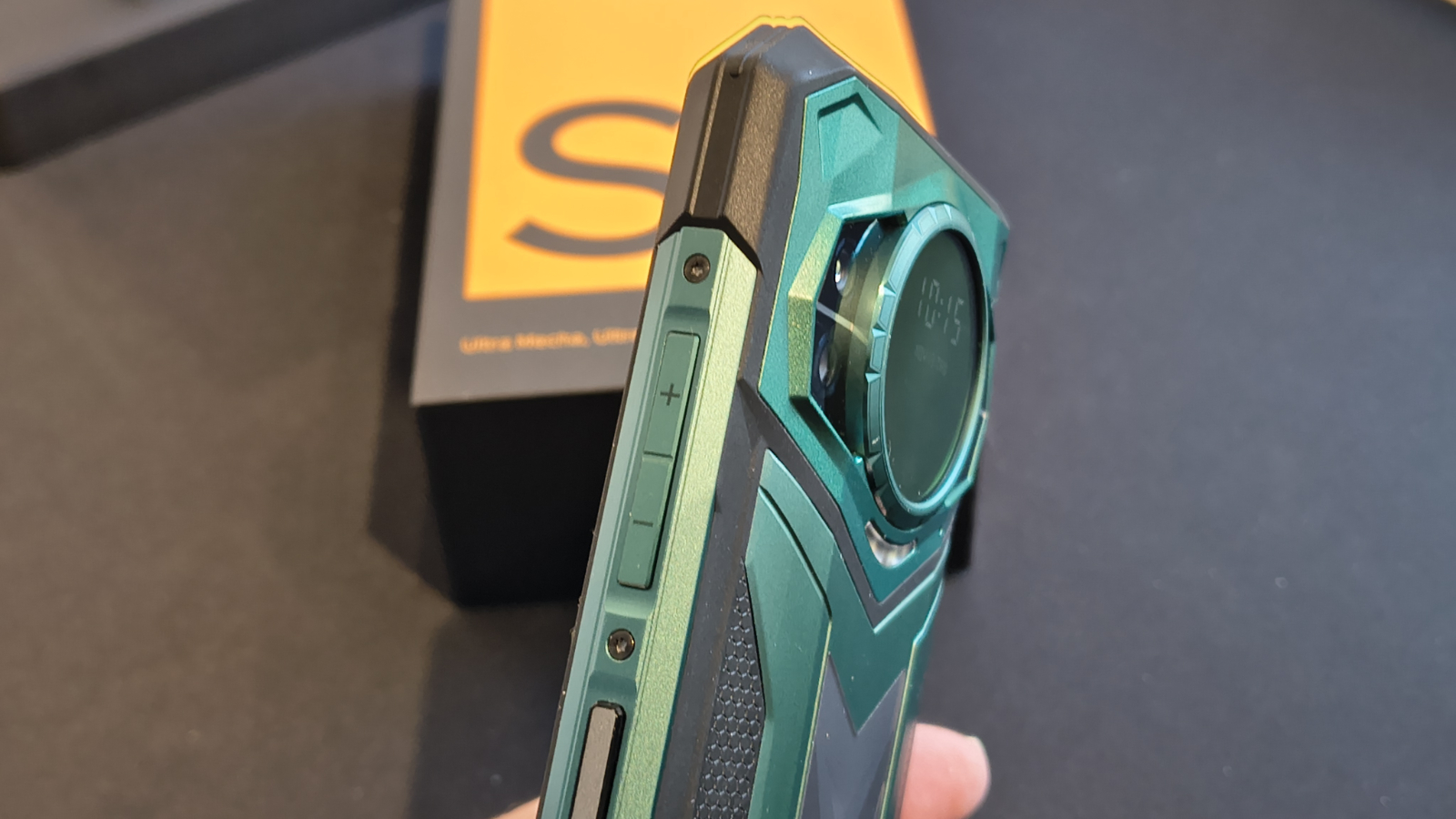
It’s interesting to note that the S200 designs that came before this, excluding the Max, all had 10100mAh batteries, and this one magically managed to squeeze another 900mAh inside, by some engineering alchemy.
Those also had a maximum charging rate of 45W, but are quoted at 66W, which means they have a little more battery but shorter charging times than their predecessors.
It can also reverse-charge other devices at 10W, a feature that phone makers appear to love but this reviewer thinks is often silly, because some power is always lost to efficiency in the transfer.
Another irritation is that Doogee emblazons 1TB and 48GB on the box, and then next to the 48GB RAM size in small letters, “12+36GB” for clarification. I know phone makers are genetically predisposed to exaggerate, but this phone has 12GB of RAM, and stealing 36GB from the 1TB to make it appear like it has 48GB won’t actually make it run like it had 48GB of actual memory. Surely, having 1TB of storage is an impressive thing here?
- Hardware score: 4/5
Doogee S200 Ultra: cameras
- Rear camera: 100MP OmniVision OVA0B40 primary camera, 20MP Sony IMX350 Night Vision Camera, 2MP Omnivision OV02A10 Macro Camera
- Front camera: 32MP Samsung S5GD1
In many current Doogee designs, the phones feature a primary sensor from Samsung, a night-vision camera from Sony, and a front camera from Samsung or Sony.
The S200 Ultra breaks slightly from those traditions, with a 100MP AI primary sensor using the OmniVision OVA0B40, alongside a 20MP Sony IMX350 and a 2MP OmniVision OV02A10 macro sensor. And the front camera is a 32MP Samsung ISOCELL, which is probably overkill for selfies.
I’ve seen a few people suggesting that the front-facing camera has a depth-sensing 2MP sensor, but there's little evidence of this on the phone.
While 100MP main sensors might seem less impressive to those with 200MP cameras on their phones, the OmniVision OVA0B40 delivers a generally good experience. You can take 100MP images, although typically it takes that 100MP of RAW data and pixel bins it to deliver a 12MP image with better contrast, colour accuracy and less grain to save.
The 20MP Sony IMX350 is a stalwart of night vision sensors, and with the invisible-to-humans IR illumination of the phone, it's possible to see in complete darkness and photograph what is there. The less said about the macro sensor, the better.
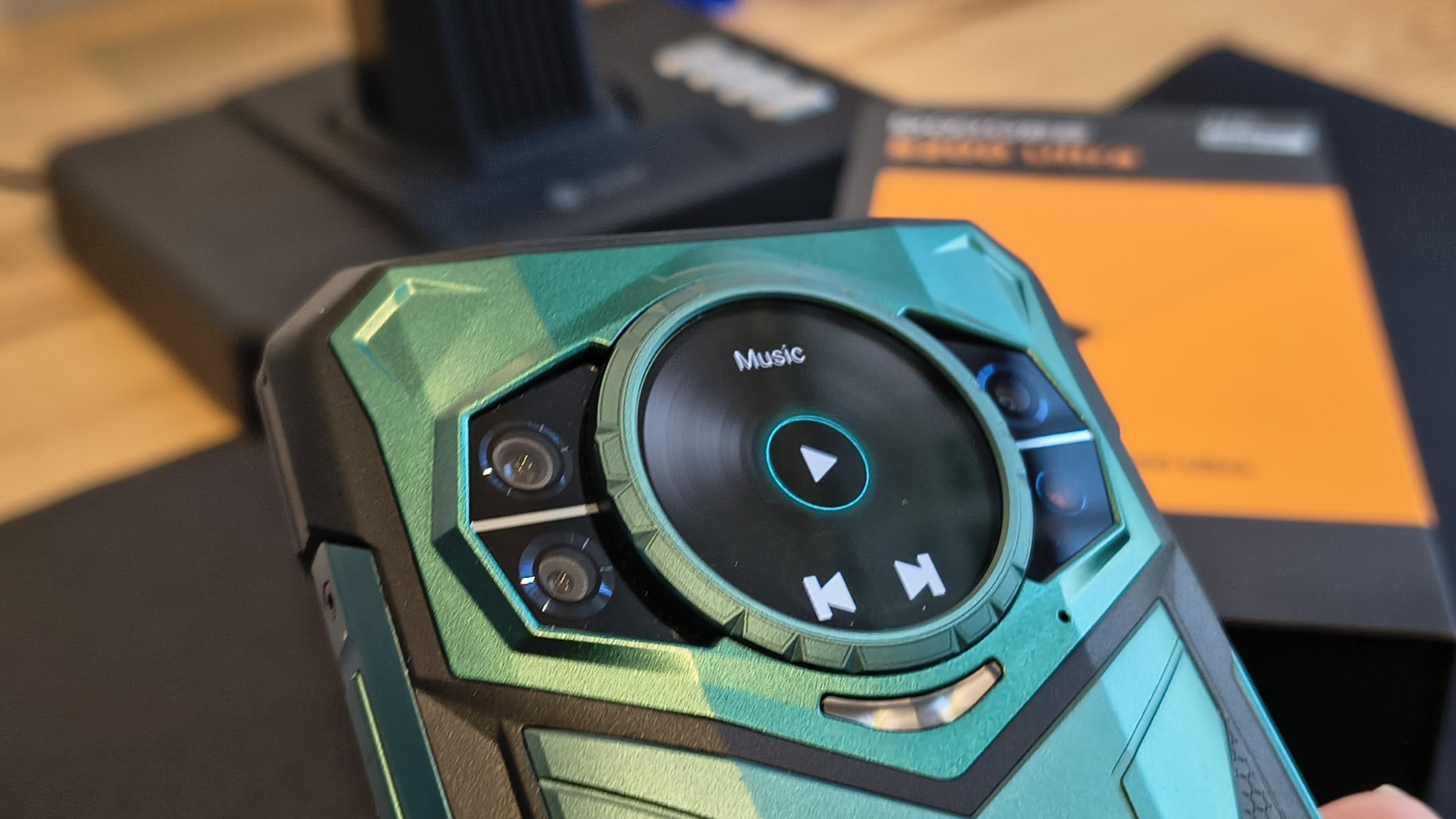
If I’m critical, at this price point, I’d have expected a Samsung ISOCELL HP2 main sensor and an 8MP ultrawide and macro sensor in the support role, but that’s not what Doogee gave the S200 Ultra.
However, it does record video in 4K, has multi-frame noise reduction, and integrates AI to identify what’s in images, turn people into cartoons, remove unwanted people, and change backgrounds. Not sure if these are what people want to do, but this camera can do that, and also generate animated AI versions of people.
Obviously, AI is a big thing in Android 15, so the camera isn’t the only part of the S200 Ultra that is blessed with dubious content-creating capabilities.
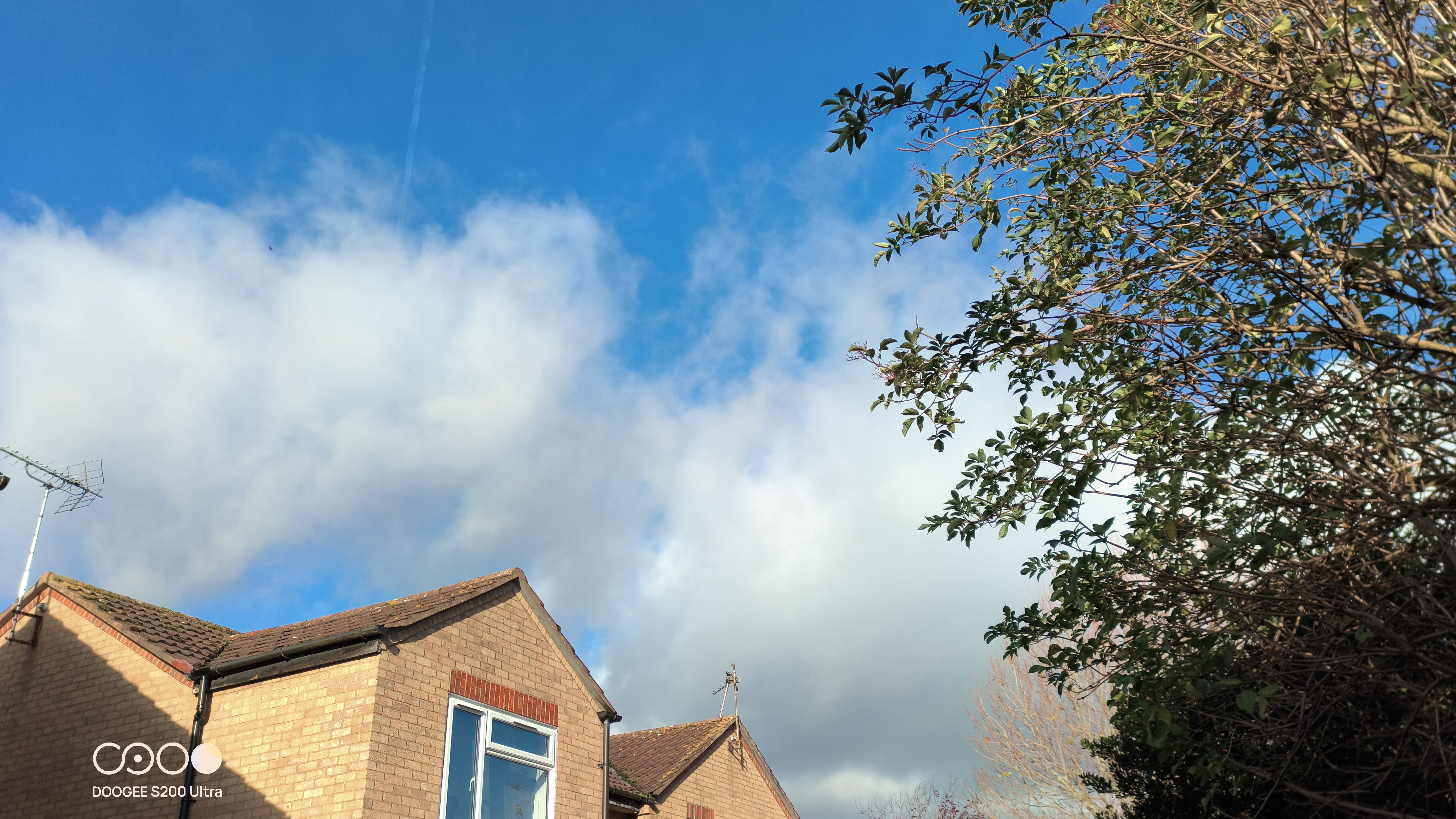
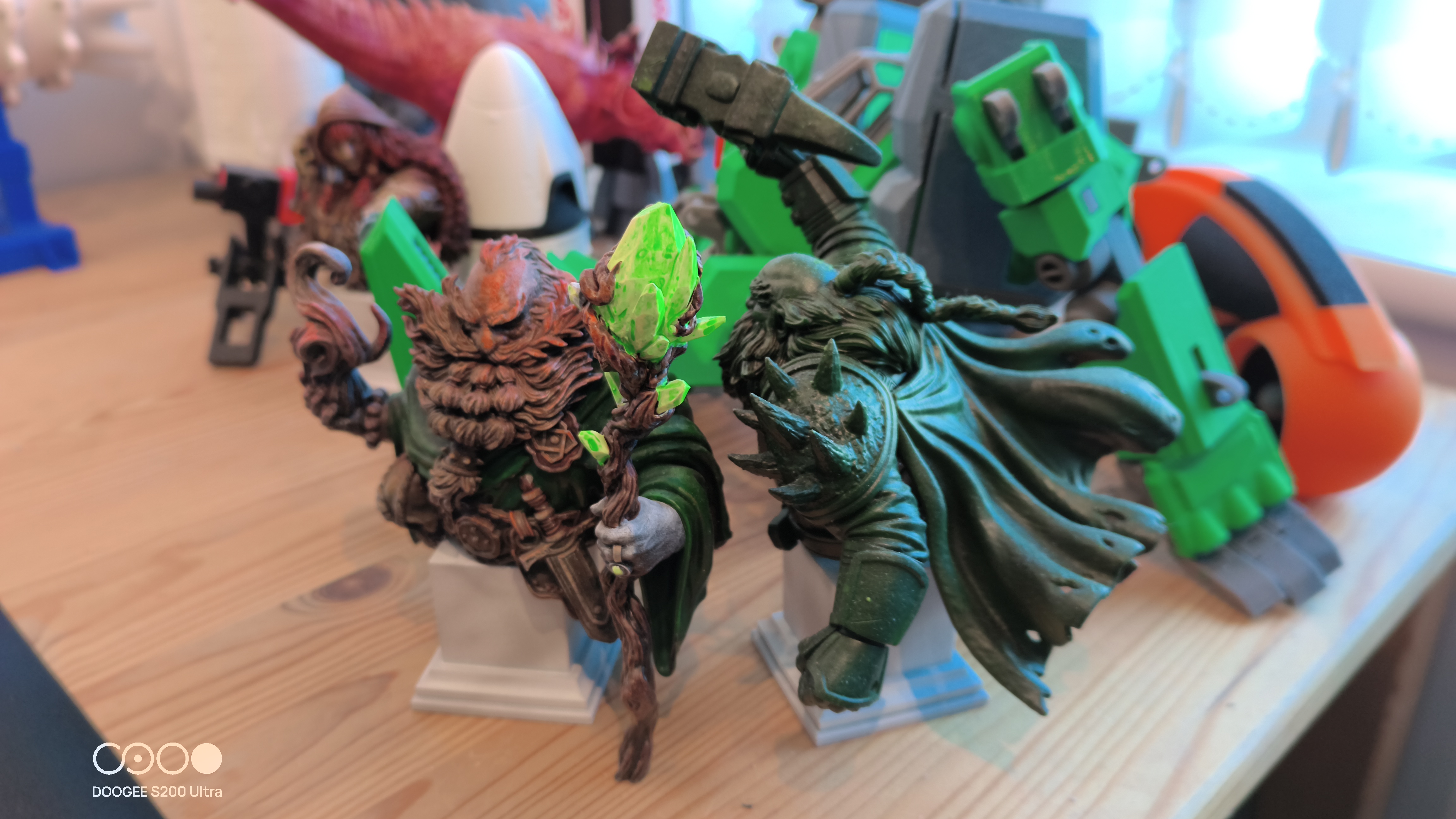
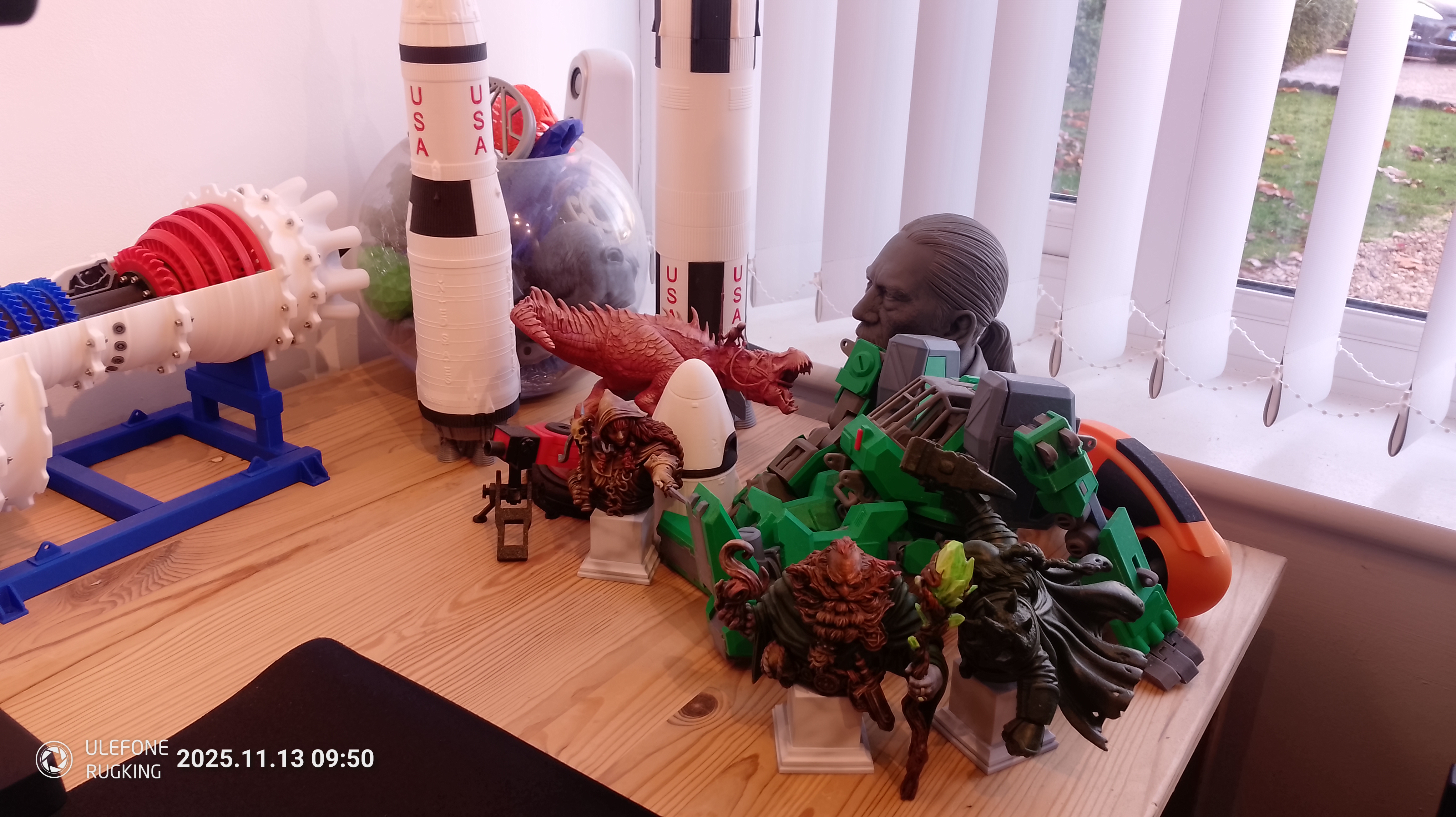
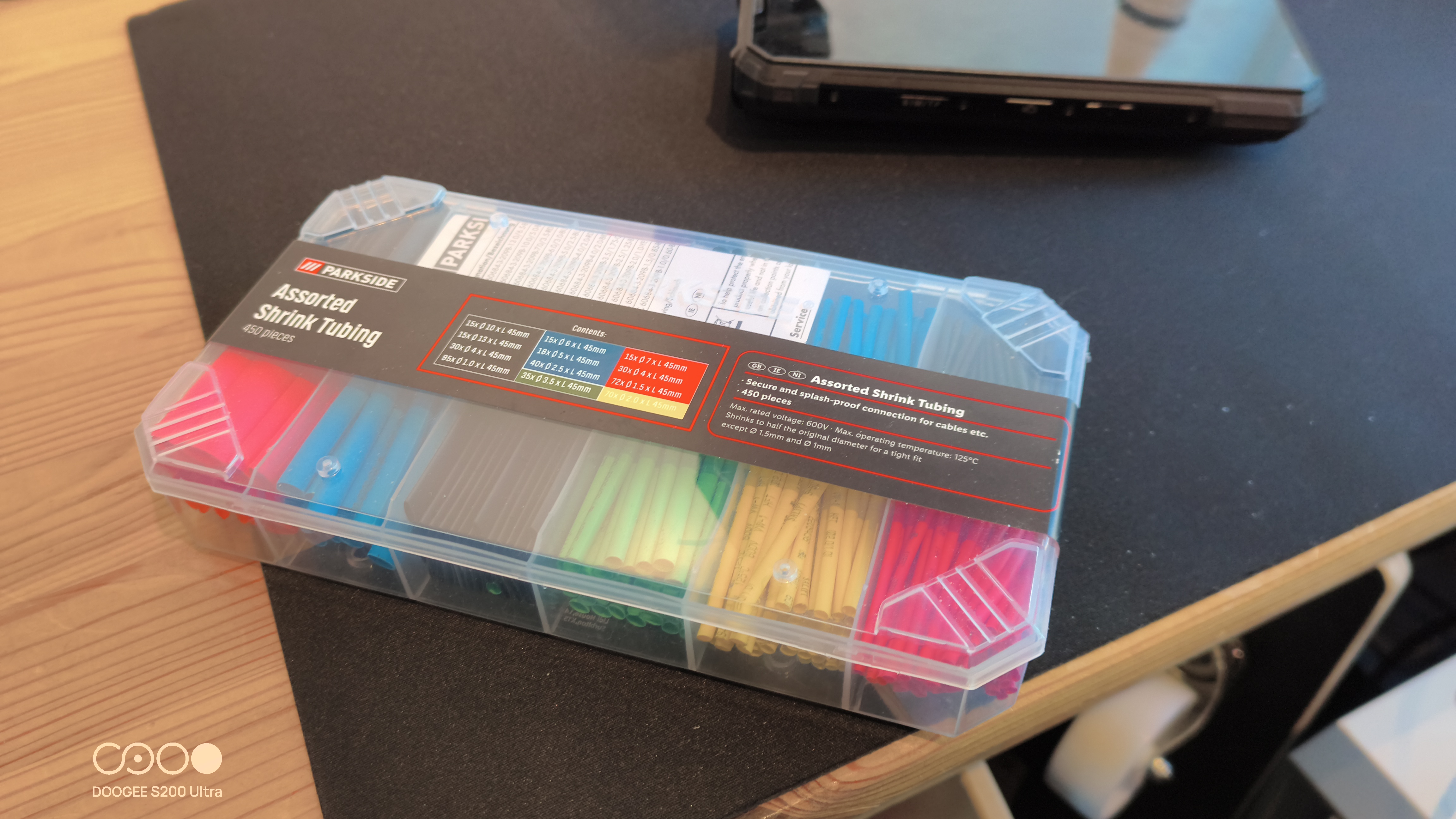
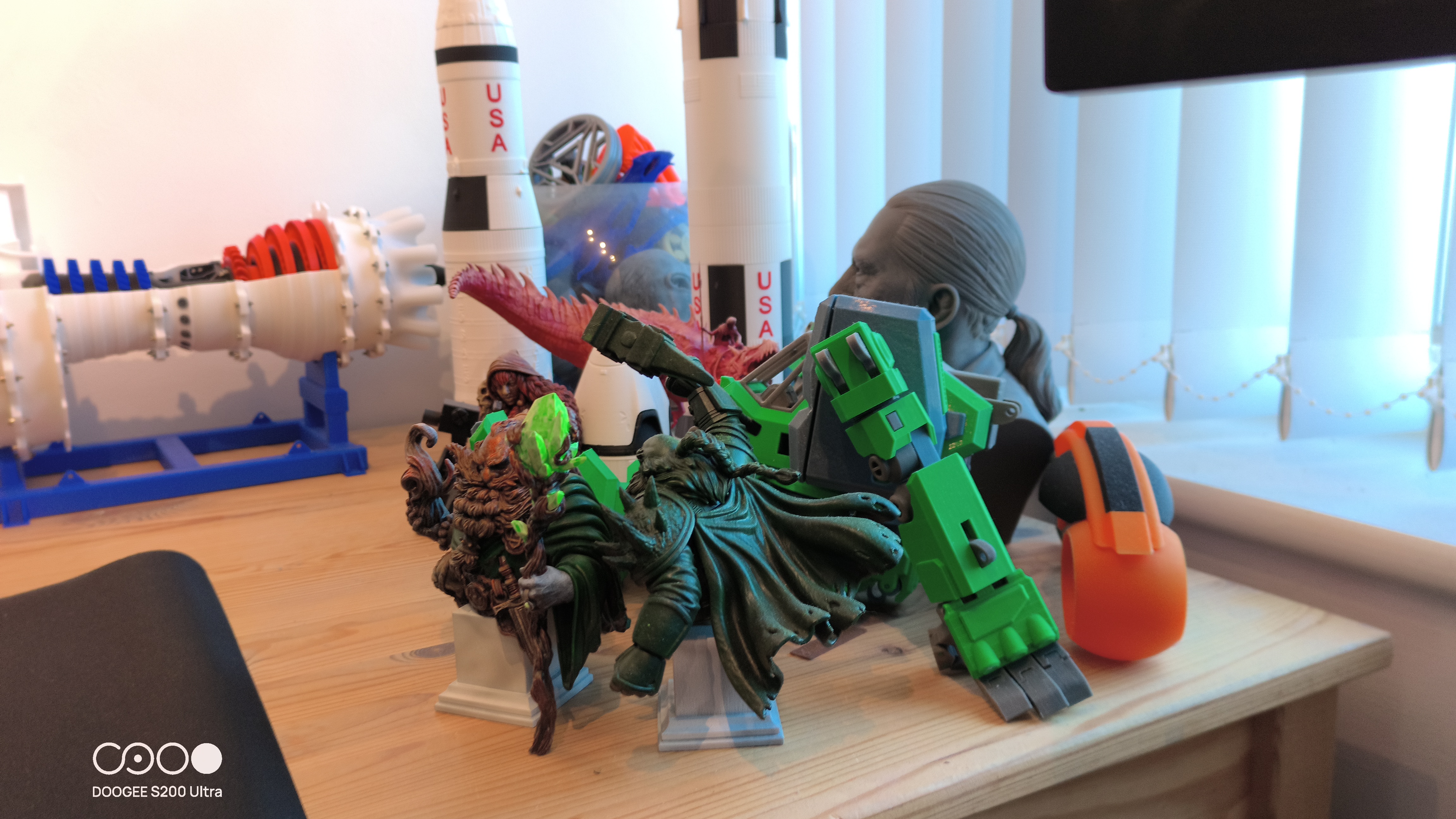
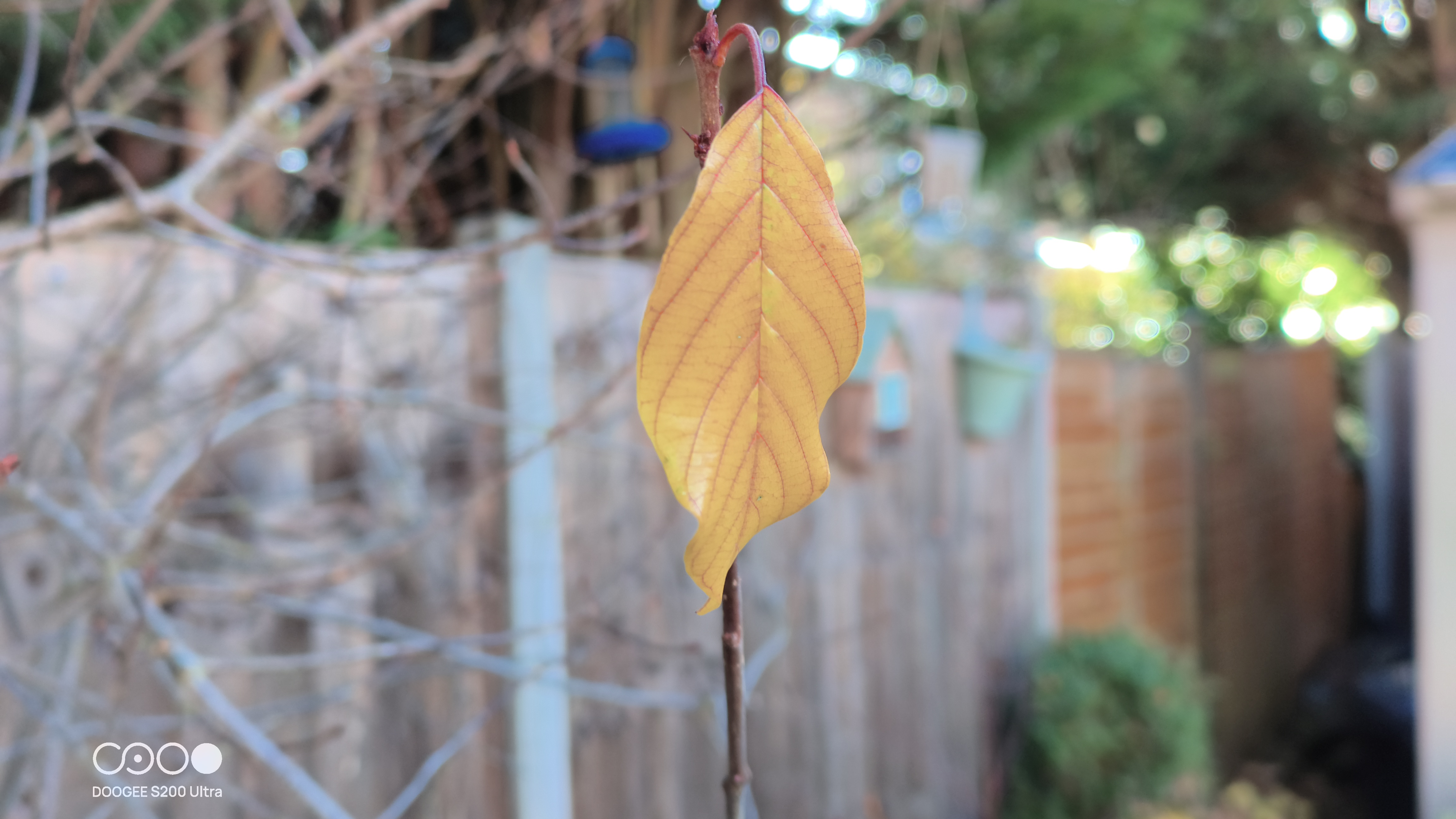
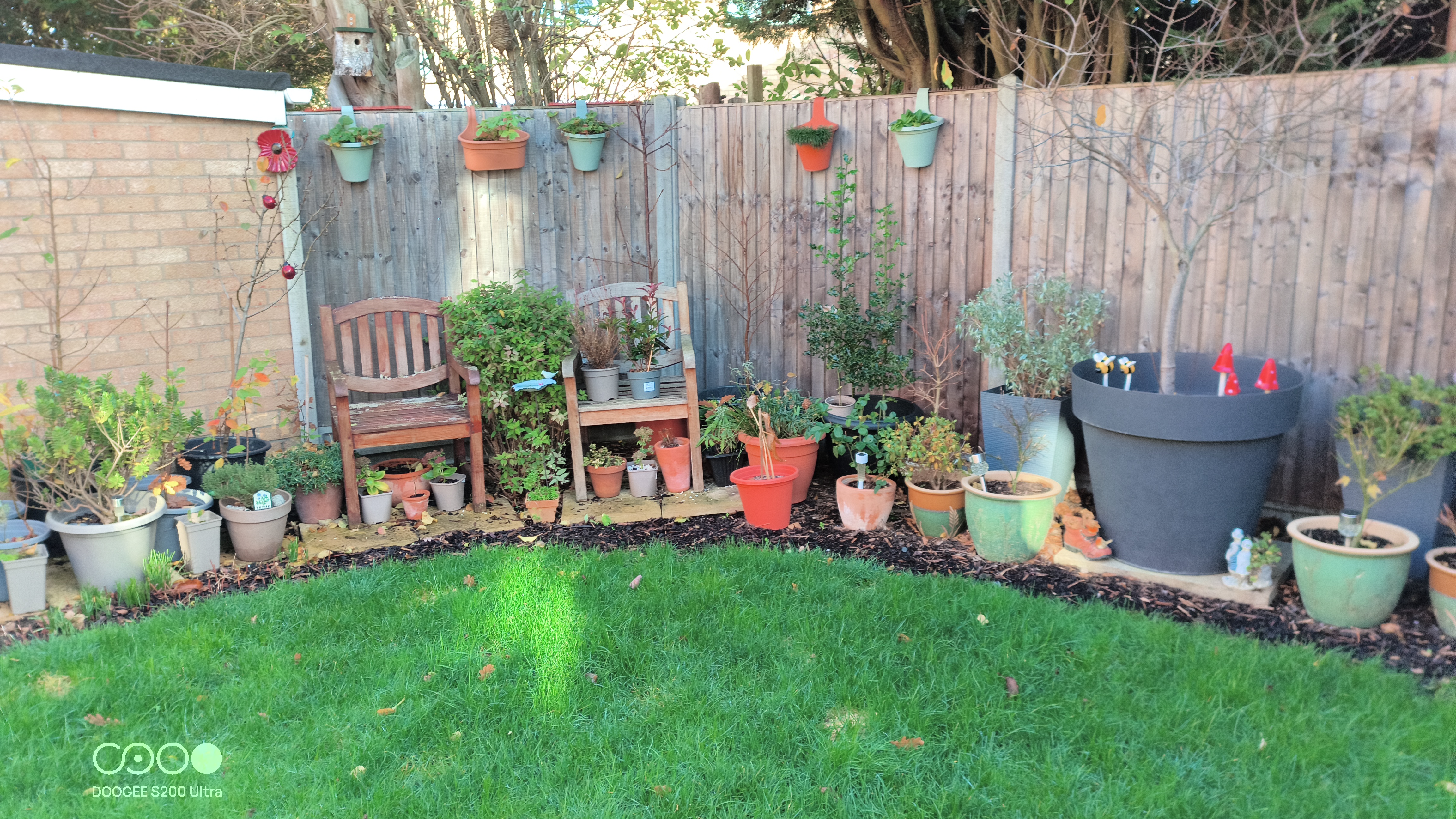
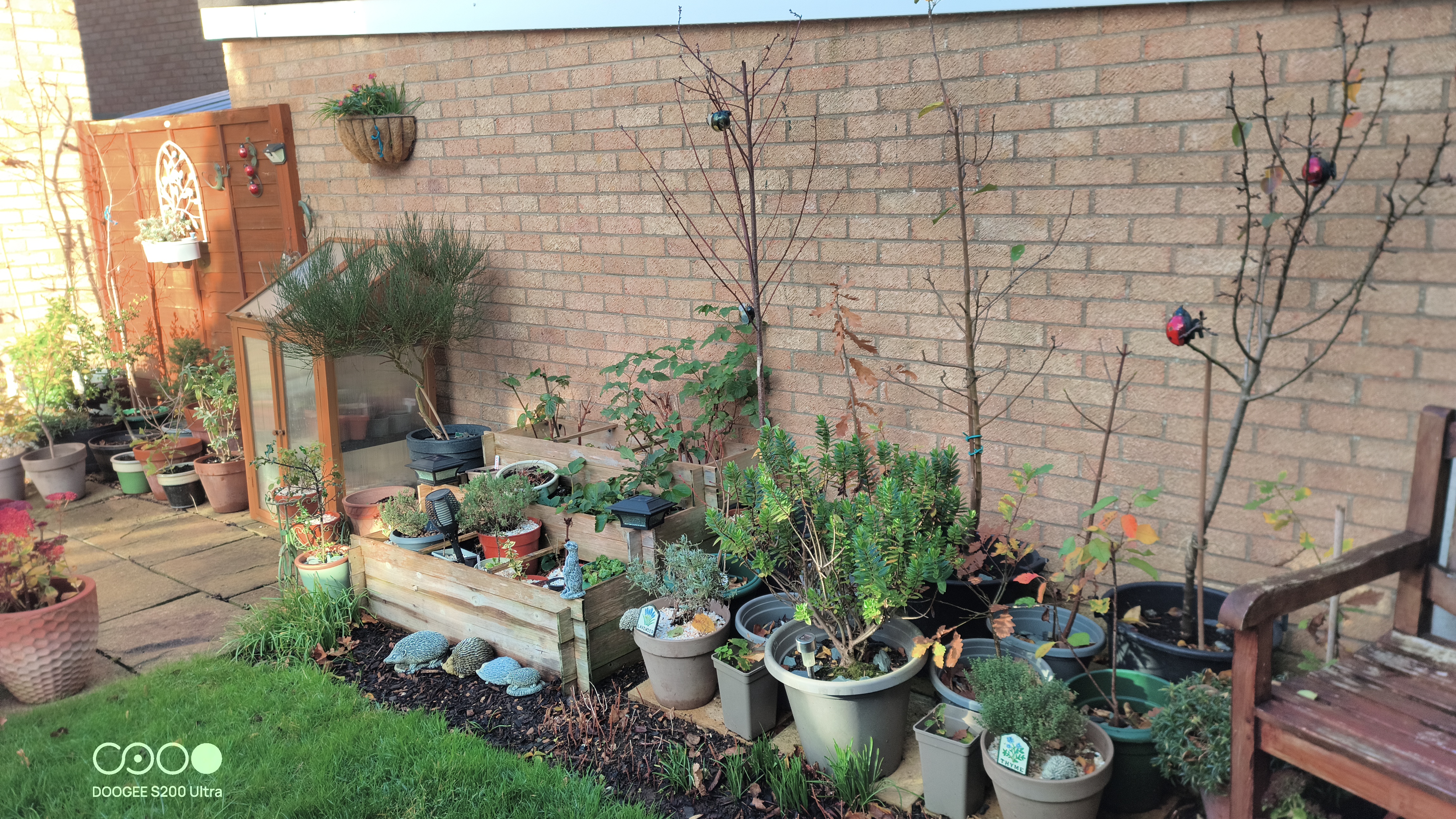
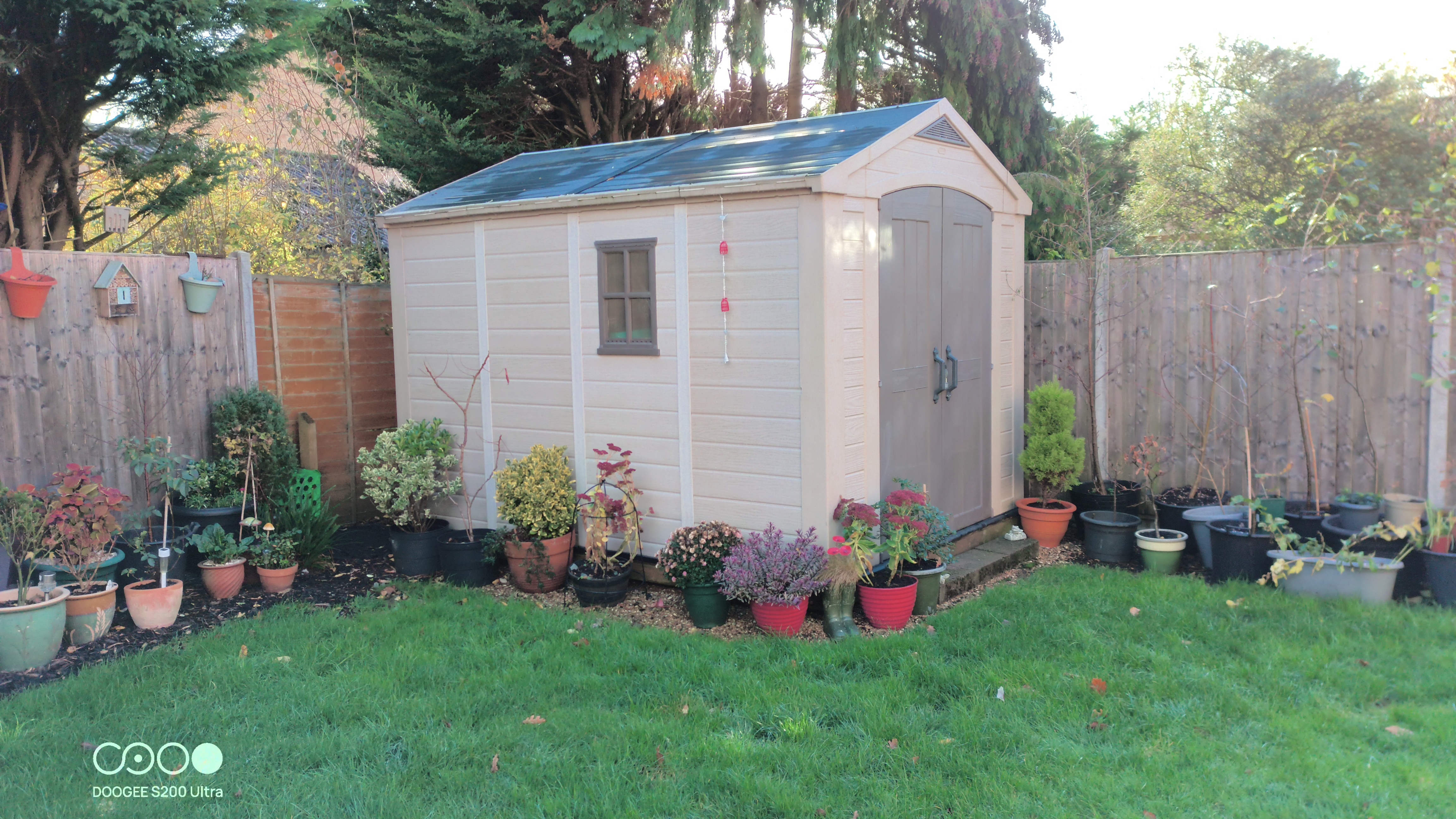
For the photographer, the S200 Ultra isn’t anything magical, but if you avoid triggering the macro sensor or the angle of sunlight that causes spurious flares in the main camera optics, then it will take some high-quality images. There is a nice balance in the colour saturation, which results in more pictures seeming accurate and less HDR enhanced, and the results are usually sharp. In my examples, you will be able to guess which used the macro sensor, because focusing in that narrow field is almost impossible even in strong light.
Doogee S200 Ultra Camera samples




- Camera score: 3.5/5
Doogee S200 Ultra: performance
- Decent SoC
- GPU is game-friendly
- Big enough battery
Swipe to scroll horizontally
SoC | Row 0 - Cell 1 | Dimensity 7400 | Dimensity 7300 |
GPU | Row 1 - Cell 1 | Mali-G615 MC2 | Mali-G615 MC2 |
Mem | Row 2 - Cell 1 | MediaTek NPU 655 | MediaTek NPU 655 |
NPU | Row 3 - Cell 1 | 12GB/1TB | 16GB/512GB |
Weight | Row 4 - Cell 1 | 383g | 509g |
Battery | Row 5 - Cell 1 | 11000 | 12800 |
Geekbench | Single | 1046 | 1030 |
| Row 7 - Cell 0 | Multi | 2954 | 3269 |
| Row 8 - Cell 0 | OpenCL | 3053 | 2509 |
| Row 9 - Cell 0 | Vulkan | 3058 | 2502 |
GFX | Aztec Open Normal | 44 | 36 |
| Row 11 - Cell 0 | Aztec Vulkan Norm. | 47 | 42 |
| Row 12 - Cell 0 | Car Chase | 37 | 36 |
| Row 13 - Cell 0 | Manhattan 3.1 | 62 | 61 |
PCMark | 3.0 Score | 13218 | 11282 |
| Row 15 - Cell 0 | Battery | 23h 44m | 26h 38m |
Charge 30 | % | 44 | 42 |
Passmark | Score | 14193 | 14377 |
| Row 18 - Cell 0 | CPU | 7086 | 7142 |
3DMark | Slingshot OGL | 7054 | 7238 |
| Row 20 - Cell 0 | Slingshot Ex. OGL | 5717 | 5446 |
| Row 21 - Cell 0 | Slingshot Ex. Vulkan | 5405 | 3814 |
| Row 22 - Cell 0 | Wildlife | 3668 | 3284 |
| Row 23 - Cell 0 | Nomad Lite | 406 | 360 |
Doogee isn’t the only brand to make a rugged design based on MediaTek Dimensity 7000-series silicon, and the obvious candidate for comparison with the S200 Ultra is the recent Ulefone Armor 30 Pro.
The Armor 30 Pro uses the slightly lower specification Dimensity 7300, not the 7400 that the S200 Ultra has, and from a computing perspective, these are brothers from the same mother, as they both use an octa-core setup with 4x Cortex-A78 (performance) and 4x Cortex-A55 (efficiency), and are built on TSMC’s 4nm process..
But, what’s slightly curious is that while it’s a toss-up for most scores, there are some places where the Dimensity 7400 pulls ahead, mostly when the problems have a graphics component.
The Dimensity 7400 has slightly higher performance cores, 2.6GHz (vs. 2.5GHz on the 7300), but the critical change is with the GPU. Both use the Mali-G615 MC2 GPU, but the Dimensity 7400 has a higher GPU frequency (~1300 MHz vs. 1047 MHz), resulting in up to 24% better floating-point performance and a modest advantage in gaming benchmarks. The GFX tests show the real advantage, and it’s significant.
What is more challenging to assess from these results is that the 7400 is supposedly more power-efficient, but this is coloured by the phones having different battery sizes.
The Armor 30 Pro has a battery that’s 16.3% larger, but doesn’t last that much longer proportionally. If it used power at the rate of the S200 Ultra, it should last 1,656 minutes, but it only lasts 1,598.
That said, how both these devices use power is heavily influenced by the sorts of tasks they're performing, and much of the power consumption is allocated to the displays, which we can’t reasonably compare.
What I’m happy to accept is that for the weight of the S200 Ultra and the battery capacity it has, the running time is decent, and it also recharges exceptionally quickly.
- Performance score: 4/5

Doogee S200 Ultra: Final verdict
I liked the S200, and I like the S200 Ultra. Because it's rugged but not excessively heavy or difficult to carry, it delivers a decent platform with lots of functionality, and it's built to take challenging environments.
My only real reservation about this device is the price, which I’d say is probably $50 more than it should be. In the benchmarks, I compared this to a Ulefone Armor 30 Pro, a device that can be bought on AliExpress for £364 or $410, which seems more realistic.
Should the S200 Ultra come down to that level, I’d certainly pick it over the Armor 30 Pro, in a direct comparison, because of the 1TB of storage.
However, with the price of spot DRAM and Flash going up quickly, this phone might become more expensive in the coming months, and not cheaper.
Should I buy a Doogee S200 Ultra?
Swipe to scroll horizontally
Value | Maker price is too high, but online its more affordable | 3.5/5 |
Design | Slick design that makes it a realistic daily driver | 4/5 |
Hardware | Good SoC, but the 1TB of storage is the star | 4/5 |
Camera | 100MP sensor takes OK pictures, with the help of AI | 3.5/5 |
Performance | Performance is good, but not spectacular | 4/5 |
Overall | A practical and rugged design that needs to be a little cheaper | 4/5 |
Buy it if...
You need a phone for outdoors
The water- and dust-resistant Doogee S200 Ultra is suitable for the harshest environments. It's a large phone, but not too big to fit in a pocket, and easy enough to handle.
You need better battery capacity
One of the redeeming features of this design is the battery capacity and how this translates into running time. This phone doesn't last as long as ones with larger batteries, but it can operate for a few days without a recharge, and much longer than a regular phone.
Don't buy it if...
You are off the grid
While it will run continuously for nearly 24 hours off its battery, that might not be enough for someone working away from power for more than a week.
Also Consider

Ulefone Armor Mini 20 Pro
Another practical, rugged design with an inbuilt camping light, night vision camera and about 60% of the battery capacity than the S200 Ultra. It’s cheap, but conversely, the cameras aren’t as good, and the SoC isn’t as powerful. For those needing a cheap, tough phone, the Ulefone Armour Mini 20 Pro might be a good choice as it's easily pocketable.
Read our full Ulefone Armor Mini 20 Pro review
ThinkPhone 25 by Motorola
The ThinkPhone 25 offers a powerful SoC, robust package, practical form factor, high-quality camera sensors and decent battery life at a mid-range price point. But, it’s not available in the USA, sadly.
Read our ThinkPhone 25 by Motorola review
For more durable devices, we've reviewed the best rugged tablets, the best rugged laptops, and the best rugged hard drives








 English (US) ·