Hulu's 36-Episode Sci-Fi Series Changed Genres To Become A Masterpiece
3 hours ago
5
Published Nov 5, 2026, 1:01 AM EST
Cathal Gunning has been writing about movies, television, culture, and politics online and in print since 2017. He worked as a Senior Editor in Adbusters Media Foundation from 2018-2019 and wrote for WhatCulture in early 2020. He has been a Senior Features Writer for ScreenRant since 2020.
Although Seth MacFarlane’s Hulusci-fi series initially seemed like it would be a comedic spoof of the genre, the show instead improved by starting to take itself more seriously. It is not unusual for a show to change its premise over time, but it is a little unusual for this to be viewed as an unambiguously good thing. For instance, whenTwin Peaks season 2 revealed Laura Palmer’s killer, the show’s subsequent lack of narrative urgency was viewed by many fans as its death knell.
However, for some shows, changing the central premise of a series can turn out to be an unexpected blessing in disguise. When Fox’s 400-episode animated sitcom American Dad began airing in 2005, the show was a pointed parody of conservative American politics, with specific, timely references that made controversial episodes of South Park seem comparatively timeless. Then came the Obama era, and gradually, Family Guy creator and star Seth MacFarlane’s satire morphed into a sillier, wilder anarchic family comedy.
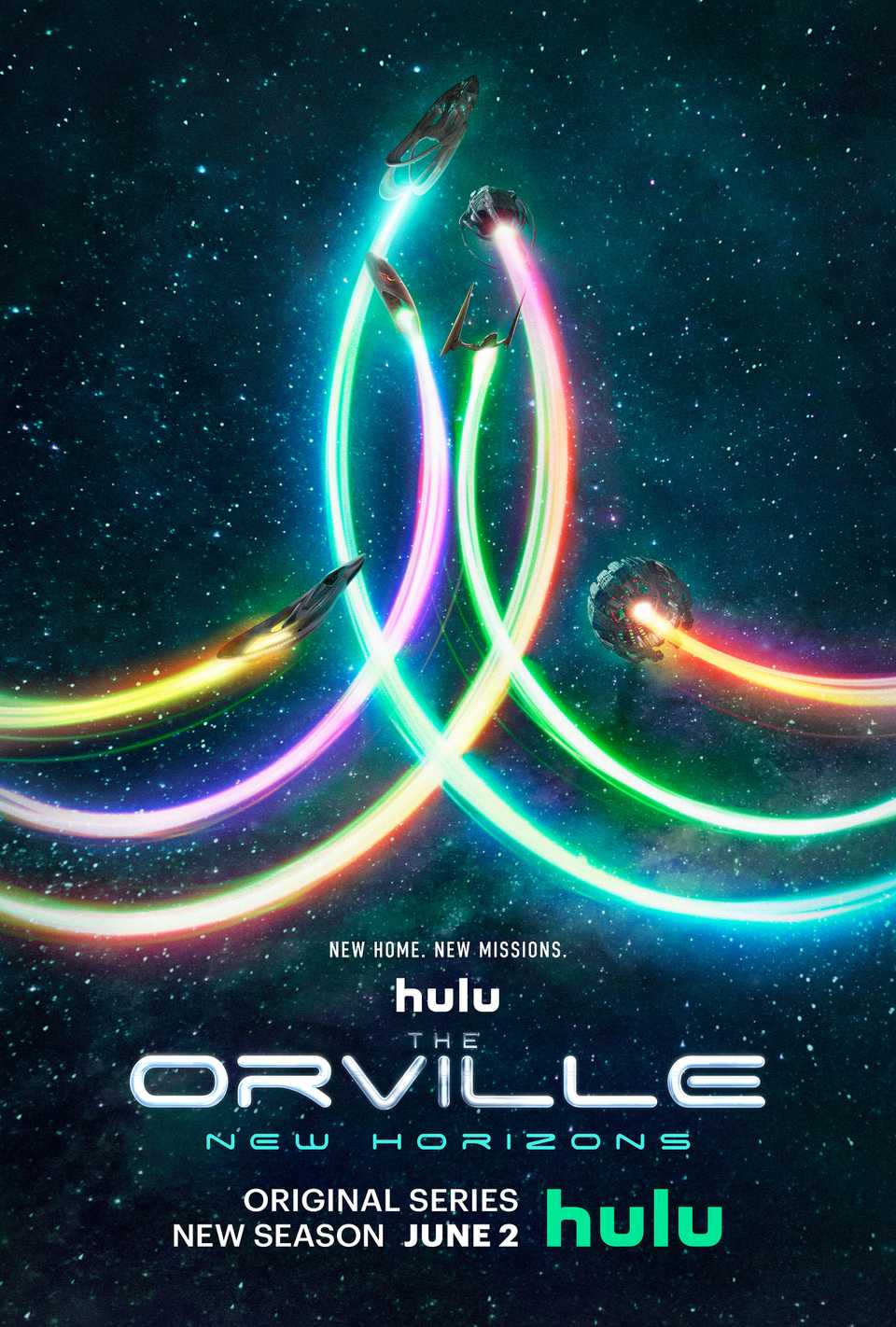
By its fifth season, American Dad was unrecognizable compared to season 1’s dry satire, but this was no bad thing. Bizarrely, this wasn’t the only time that one of MacFarlane’s shows benefited from a wholesale vibe shift. When his sci-fi series The Orville premiered in 2017, it was marketed as a goofy comedy in the vein of American Dad or Family Guy. Brutal reviews and a terrible Rotten Tomatoes score made it clear that this style of humor clearly didn’t work in live-action.
The Orville Improved By Dropping Its Comedic Origins
Image via MovieStillsDB
Of course, the last thing that viewers would have expected was that The Orville might improve its fortunes by dropping the show’s original premise and starting to play its sci-fi elements more seriously. However, as unlikely as it might sound, The Orville indeed began to take its cues from shows like The Expanse and Star Trek in season 2, and the show’s critical fortunes saw an almost immediate improvement.
While MacFarlane’s brand might have traditionally been tasteless, boundary-pushing gags and surreal humor, The Orville didn’t call for these, and the show proved stronger once they were pushed into the background. There was still plenty of comedy in later episodes of The Orville, but it came organically from the interactions between the main characters rather than feeling shoehorned in to prove that the show was primarily a comedy.
By the end of season 2, The Orville might not have been as gripping and gritty as SyFy’s masterpiece The Expanse or Battlestar Galactica’s reboot, but the show had the same sense of adventure, stakes, camaraderie, and easy chemistry as Star Trek: The Next Generation, Firefly, or Farscape. With its political satire and smart social commentary, The Orville even harkened back to darker, more thoughtful space operas like Babylon 5’s reboot or Star Trek: Deep Space Nine.
The Orville Went From Spoofing Star Trek To Feeling Like A Star Trek Show
Typically, a comedy show losing its sense of humor would be an unambiguously terrible fate. However, The Orville’s biggest secret was that the show should never have been conceived of as a comedy in the first place.
MacFarlane made no secret of his obsessive love for the Star Trek franchise, and what began as a bawdy, tonally inconsistent parody of the series soon became a straightforward love letter to Gene Roddenberry’s work. Much like SyFy’s underrated Killjoys remains a better unofficial Star Wars spinoff show than some of the franchise’s actual live-action outings, The Orville is the best Star Trek show that is not, canonically and technically, actually part of the franchise.
As such, MacFarlane’s The Orville has the rare honor of being one of the only shows to begin as a parody of the very genre that the series eventually ended up successfully embodying in its later seasons. In the process, The Orvilleonly imrpoved by abandoning its original premise.


 Image via MovieStillsDB







 English (US) ·