
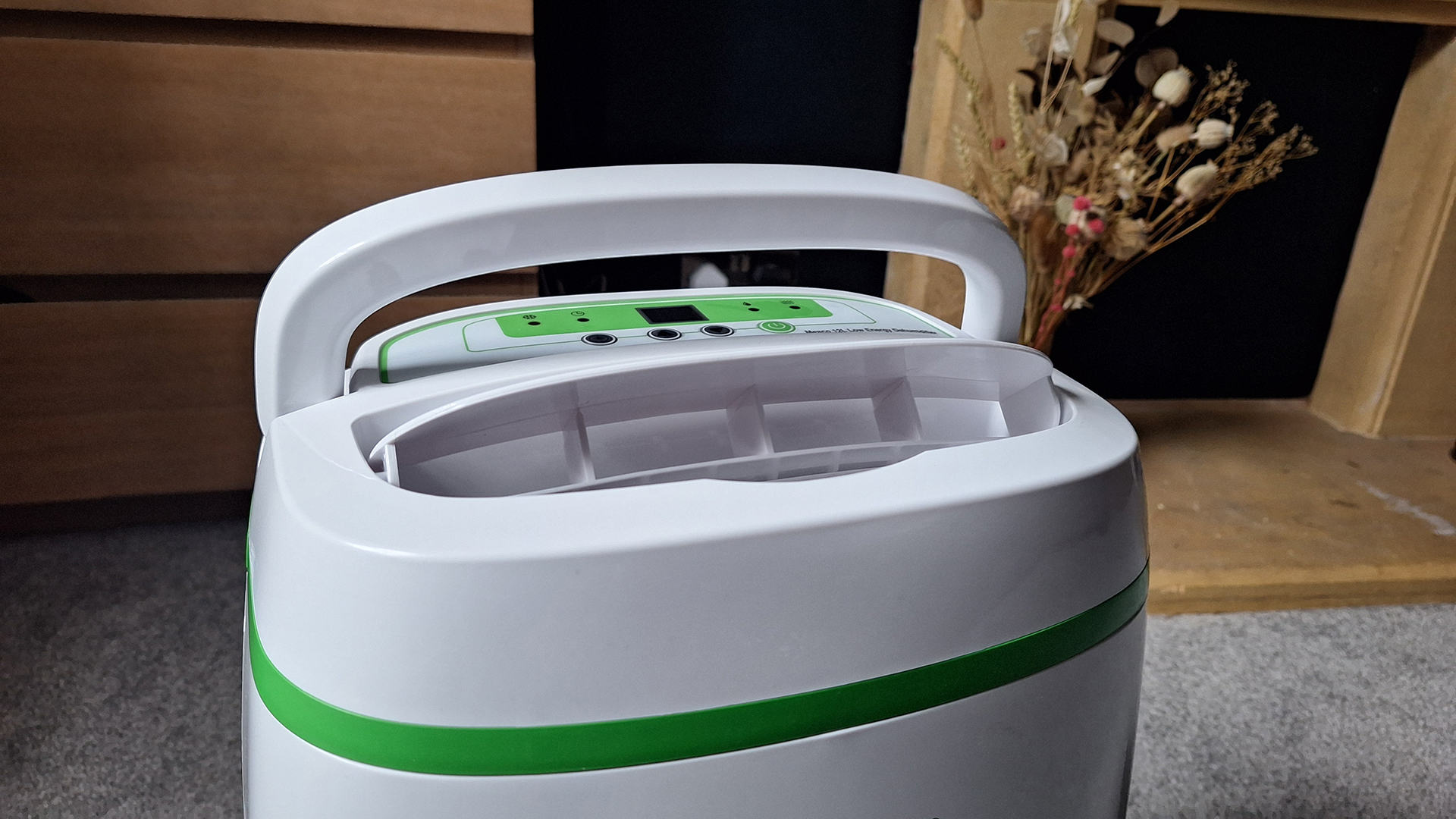
So you’ve invested in a dehumidifier: smart move. But simply plugging it in and hoping for the best won’t give you great results. Like any other home appliance, there’s a right way and a wrong way to use it. Get it right, and you’ll reduce condensation, speed up laundry drying, and create a healthier home. Get it wrong, and you’ll waste energy while barely denting your humidity problem.
Whether you’re tackling winter damp in a cold climate or managing year-round moisture in a humid one, this article will share 5 top tips to help you get the most from your dehumidifier. (Our guide to how a dehumidifier works might also be useful.)
1. Position it properly
Where you place your dehumidifier has a big impact on how well it works. Most models need space around them – typically 8-12 inches / 20-30cm of clearance from walls and furniture – so air can flow freely through the intake and exhaust. Block the vents, and the unit becomes less effective while using more energy.
(There's one exception to this: some newer models are designed to sit flush against walls, which can be useful in tight spaces like hallways or landings. But always check your model’s instructions before assuming this is safe.)
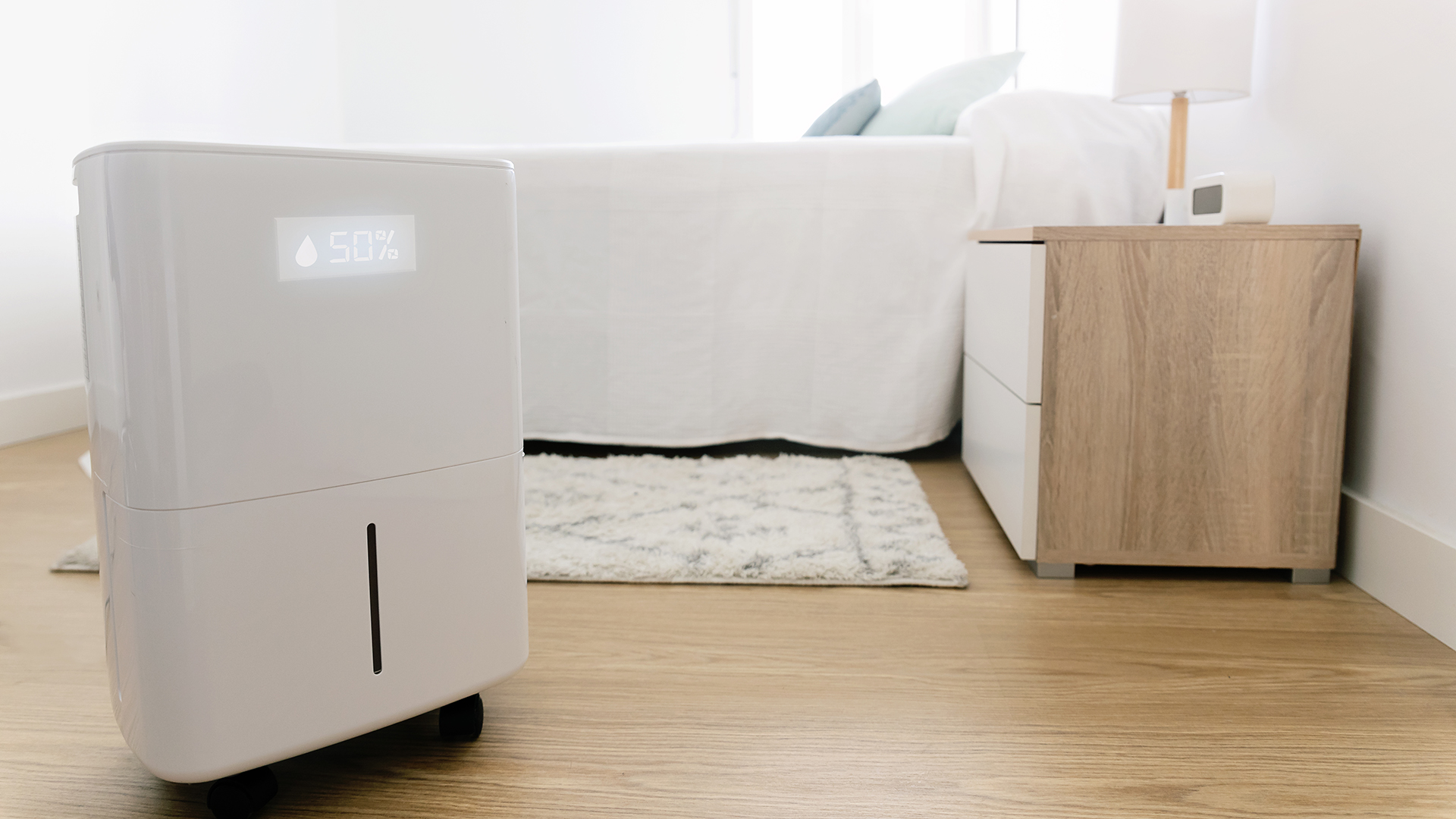
For whole-home humidity control, a central location works best. Hallways or landings with internal doors left open allow the dehumidifier to draw moisture from multiple rooms. Conversely, if you’re targeting a specific problem such as condensation on a bedroom window or damp in a utility room, place the dehumidifier closer to that source. Just make sure you keep it away from radiators, heating vents and direct sunlight, which can interfere with the humidity sensor and reduce accuracy.
If you’re using continuous drainage via a hose, remember that gravity matters. The drainage point must be lower than the unit, and the hose should slope downward without kinks. For this reason, you might want to place the dehumidifier on, say, the counter near the sink, rather than on the floor.
2. Set the right humidity level
Here's where many people go wrong. Set the target too low and you’ll waste energy while drying the air uncomfortably. Set it too high and your moisture problems will persist.
For most homes, a practical target is around 50-55%: dry enough to discourage mould and condensation, but not so dry it causes irritated skin or airways. In colder climates during winter, however, you may need to aim lower, around 40%. This will help prevent condensation forming on cold windows and walls. The bigger the temperature difference between indoors and outdoors, the more likely condensation becomes.
In hot, humid climates, maintaining 40-50% can dramatically improve comfort, even if you’re already using air conditioning. The dehumidifier handles moisture, while the AC focuses on temperature, making both work more efficiently.
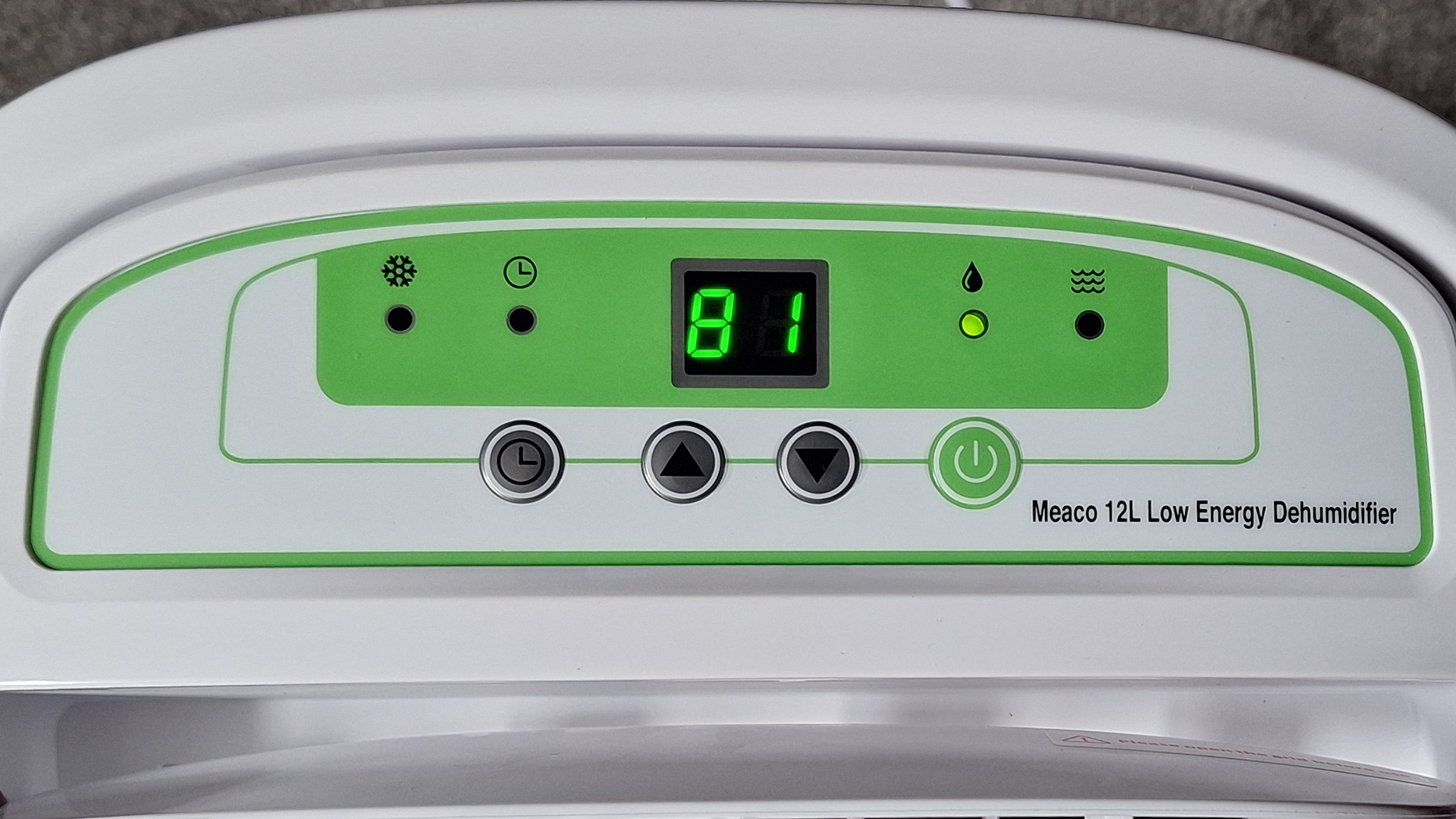
If your dehumidifier has an automatic humidity control (known as a humidistat), use it. This switches the unit on and off as needed, saving energy and preventing over-drying. If it doesn’t, a timer is a good alternative: run the unit during peak moisture periods rather than all day.
3. Keep doors and windows closed
Running a dehumidifier with windows or external doors open is a big waste of time and money. The humid outdoor air that comes in will constantly replace the moisture you’re trying to remove, forcing the unit to work harder for little gain.
(One exception to this is straight after cooking or showering. In these scenarios it can be a good to briefly open a window to let steam escape, then close it and allow the dehumidifier to deal with any remaining moisture.)
Internal doors are a different story. If you want whole-home humidity control, keep them open. A hallway dehumidifier can’t help bedrooms with closed doors, but open them and moisture can flow toward the dry area the unit creates.
4. Clean and maintain it
A poorly maintained dehumidifier is an inefficient one. The most important part to focus on is the air filter, which is usually at the front of the unit. This prevents dust from clogging internal components. But when it gets blocked, airflow drops, noise increases and energy use rises.
Most manufacturers recommend cleaning the filter every two to four weeks. A quick vacuum is usually enough, though very dirty filters may need washing; in which case, always let them dry fully before refitting.
Also make sure you empty the water tank regularly, especially if you’re running the unit daily. A full tank will usually trigger automatic shut-off of your device. If you use continuous drainage, check the hose occasionally for blockages.
Finally, if you're using a desiccant dehumidifier, don’t switch it off at the wall immediately after use. These models run a cooling cycle after shutdown, so cutting power too soon can shorten the unit’s lifespan.
5. Use it for laundry
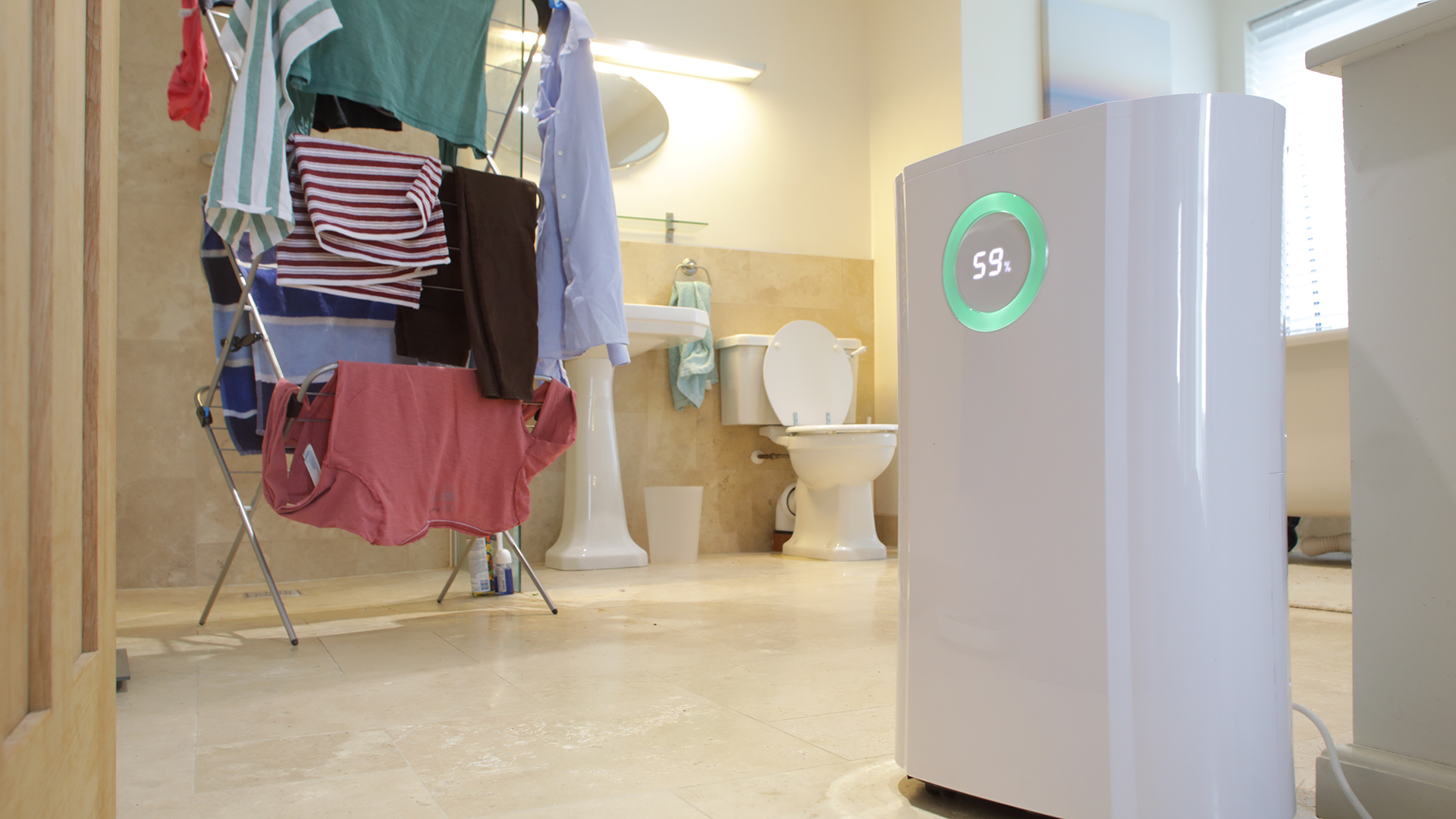
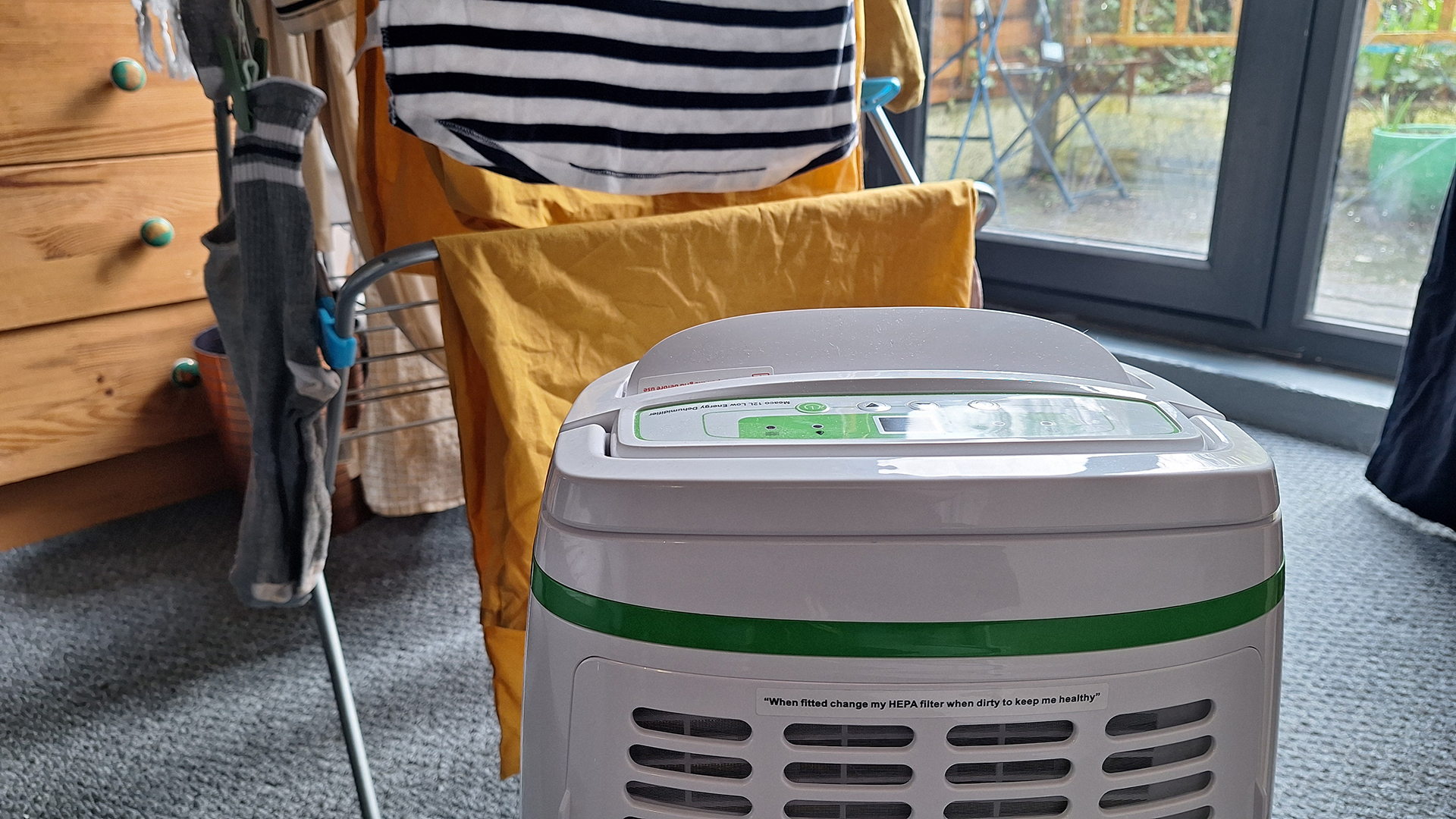
Drying laundry indoors is where dehumidifiers really shine. A single wash load can contain several liters of water, which would otherwise end up as condensation on walls and windows. For best results, hang clothes in one (ideally small) room with the dehumidifier, and close the door. Many models have a dedicated laundry or boost mode.
Place the unit so its airflow moves toward the clothes, creating a gentle breeze that speeds evaporation. Alternatively, adding a fan can speed up the drying process considerably.
Conclusion
Using a dehumidifier effectively isn’t complicated. Position it correctly, set sensible humidity targets, keep your home sealed while it’s running, and maintain it regularly. Do that, and you’ll create a drier, healthier, and more comfortable home, without wasting energy in the process.




 English (US) ·