
 3 weeks ago
27
3 weeks ago
27
Shooting minimalist photography with long exposures is harder than it looks, especially when the tide is actively trying to trap you. Gary Gough takes that challenge head-on at Happisburgh Beach in Norfolk, working a low tide window to pull compositions out of groynes, sunken structures, and a half-buried tide bell before the sea forces a retreat.
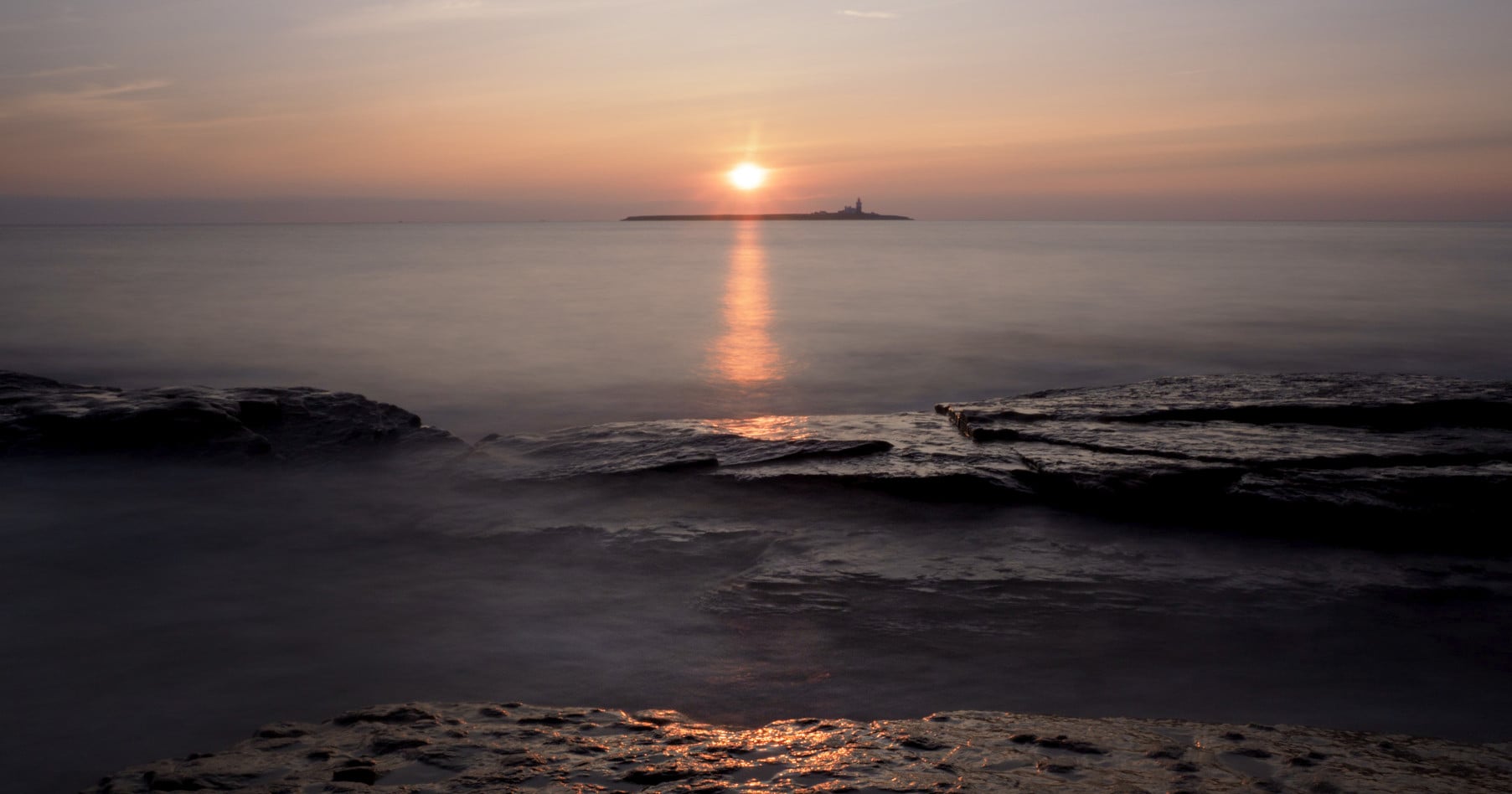
Coming to you from Gary Gough, this relaxed but genuinely instructive video follows Gough as he works Happisburgh Beach at low tide with a NiSi 15-stop filter in hand, deliberately shooting at a time and tide height he's never used at this location before. That choice alone is worth paying attention to. Gough is explicit about why he returned: he's already made two videos here and wants something different, so he changes the variable he can control, showing up at low tide in the middle of a cloudless afternoon instead of chasing golden-hour drama. The resulting images are stripped back, almost severe, with flattened water, blank sky, and a single structure carrying the whole frame.
Gough talks through his compositional thinking as he moves, and a lot of it is practical in ways that apply well beyond this specific beach. One idea he returns to repeatedly is the question of "real estate" — not his word, actually, he frames it simply as asking which part of the frame is doing more work. On a featureless day with no clouds, the smoothed-out water is almost always more interesting than the sky, so he pushes his horizon down to the lower third and lets the sky go largely empty. He's also working hard to avoid repeating himself, consciously steering away from compositions he knows he's shot here before, even when his eye keeps getting pulled back to the same spots.
What Gough doesn't spell out in a tidy list, but demonstrates through the whole session, is how to stay productive when the conditions aren't cooperating. There's no magic light here. It's bright, flat, and cloudless, and he says outright that extending the shutter speed from 1/1000 to eight minutes makes no difference to a featureless sky. Rather than waiting for better conditions, he leans into the limitations and lets the minimalist approach do the heavy lifting. He also gets into how white wash from breaking waves over a two-minute exposure can be used as a compositional element rather than treated as noise in the frame — something a lot of long-exposure shooters fight against instead of working with. The session ends with a near-miss with the incoming tide and one last shot of the Tidemills tide bell, which he suspects has sunk noticeably further into the sand since he last photographed it. Check out the video above for the full rundown from Gough, and always be safe around water!





 English (US) ·