
 4 hours ago
6
4 hours ago
6
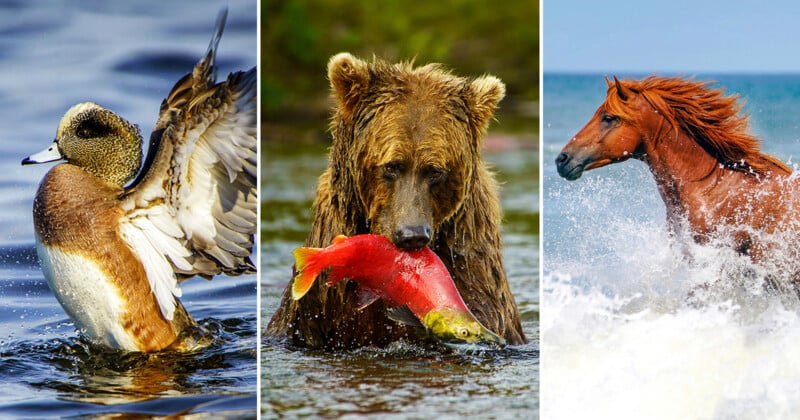
Photography has never been more accessible, yet truly distinctive images feel harder to come by than ever. With social media reinforcing familiar compositions and popular locations, many photographers find themselves asking how to create work that feels original and fulfilling. This three-part series is designed to explore that question across three genres: wildlife, landscape, and night sky photography. In this first article, the focus is on wildlife and how slowing down, understanding animals on their own terms, and committing to personal projects can help photographers create images that rise above the expected.
Standing out as a photographer requires more than just arriving at a scenic spot with your gear. It demands curiosity, intention, and a willingness to explore both the world and your own vision. Creating unique wildlife images isn’t simply about capturing a photo of an animal, it’s about observing its behavior, anticipating its actions, and immersing yourself in the rhythms of its life.
The difference between a photograph that blends in and one that captivates often comes down to the depth of your understanding and the effort you invest. It is about seeking moments that few others will see, whether on a remote Alaskan river, a coastal beach, or even a riverbank closer to home. The most memorable images are rarely accidental; they are the result of research, patience, and a dedication to a personal project that inspires you.
Start with a Personal Project
One of the most powerful tools I’ve used throughout my career is creating a project with a clear concept. This approach gives your photography direction, challenges you to grow, and allows you to explore a subject deeply by creating with intention. For me, this has often been photographing wildlife interacting with water. I find myself drawn to and captivated by images of wildlife interacting with water. Freezing the motion of droplets as a horse charges through waves or capturing the shimmer of water cascading from a bird’s wings in mid-shake creates images that feel alive and dynamic, standing apart from just a bland, stationary animal. In addition to scratching my own itch of wanting to create, these moments are not just visually striking, they carry a sense of momentum and emotion that draws viewers in.
To develop a project like this, start by identifying a subject or behavior that genuinely excites you. It could be anything from mothers with young, birds through the seasons, or your local wildlife at one specific spot that you can revisit. The key is specificity. A defined concept guides your planning, research, and creative choices, allowing you to focus your energy on capturing moments that are unique and meaningful.
‘One of the most powerful tools I’ve used throughout my career is creating a project with a clear concept.’
Understand Wildlife on Their Own Terms
Creating extraordinary wildlife images requires seeing animals not through human expectations, but through their natural rhythms and behaviors. Understanding an animal’s life cycle, migration patterns, feeding habits, and even social interactions transforms photography from a passive exercise into an active study.
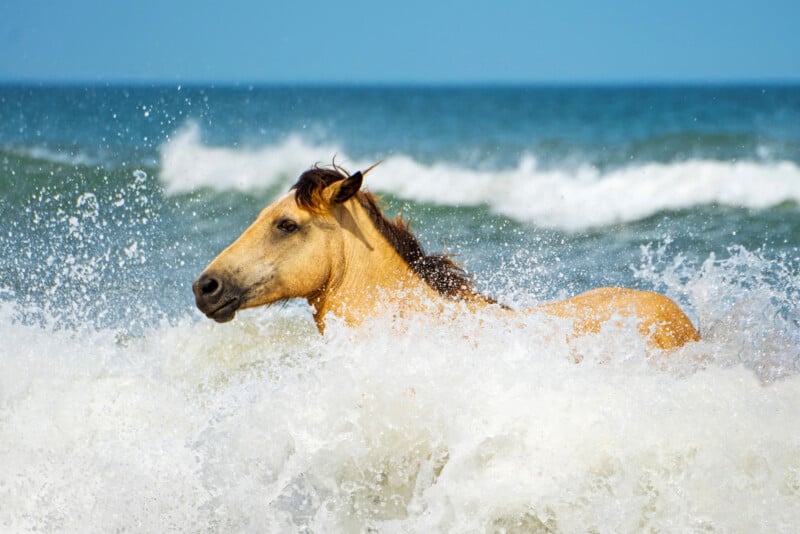
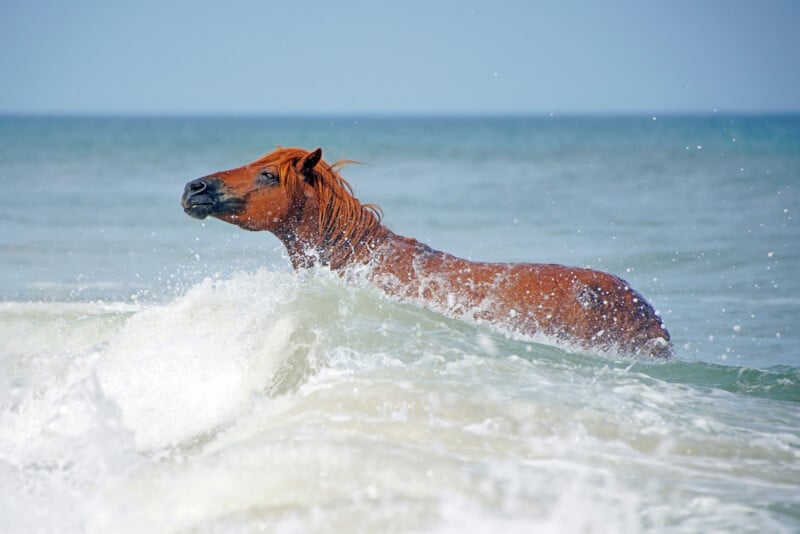
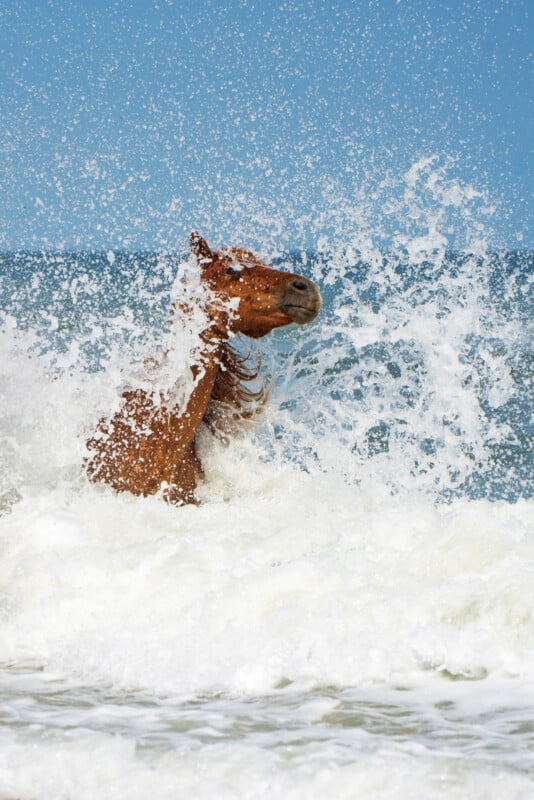
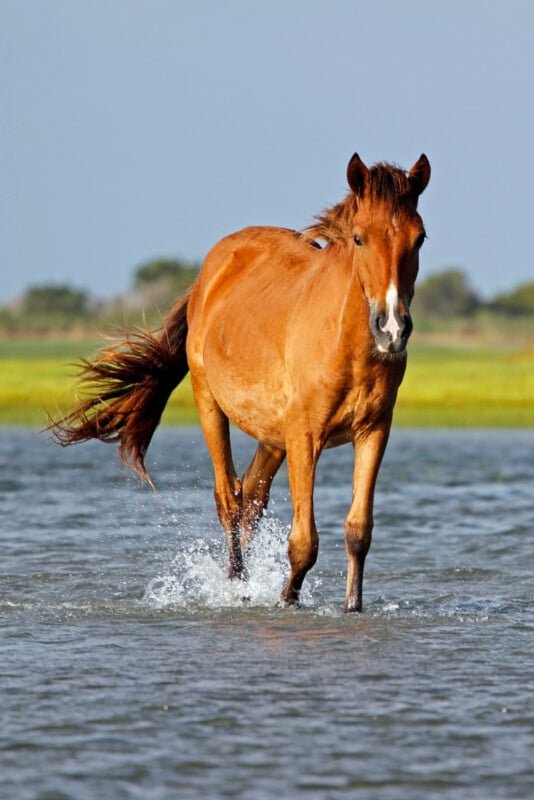
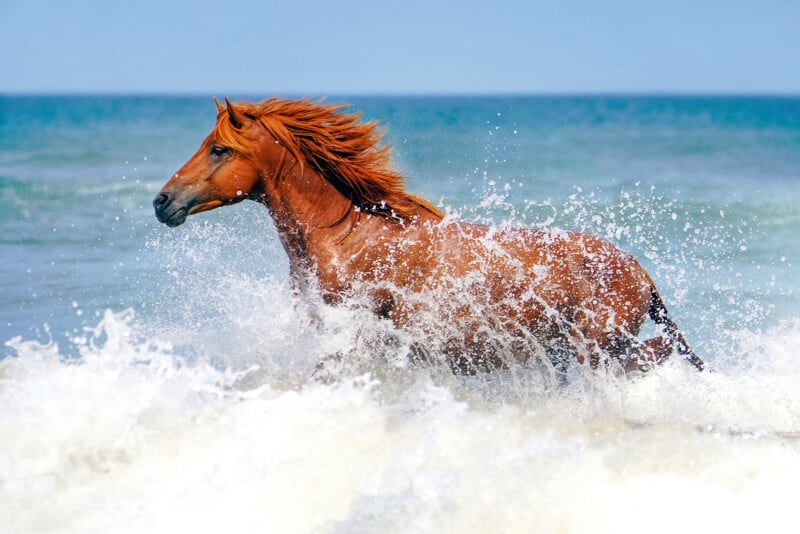
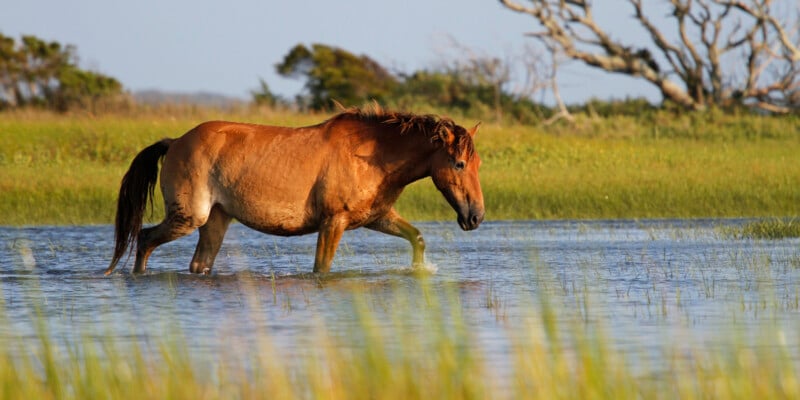
For instance, while photographing wild horses along the coast, through research and field experience, I learned that during summer, the horses seek relief from vicious biting horse flies, ticks, and other pesky insects by wading into the ocean. It may seem odd to research when the insects will be biting, but it is wildly effective. This exact timing is what draws the horses to seek out the water, putting them in exactly the scenario that I look for. This knowledge, combined with awareness of the insects’ life cycles and the hottest parts of the season, allowed me to plan shoots with the highest likelihood of witnessing horses splashing through the waves.
Similarly, observing birds in winter taught me that the frozen rivers and lakes where waterfowl congregate are a hot spot, the key is to find the small patches of open water where the birds gather to bathe and preen. By anticipating these behaviors, I am able to create image after image of what I call the “angel wing” pose, the birds shaking their feathers and wings in dramatic fashion as they preen.
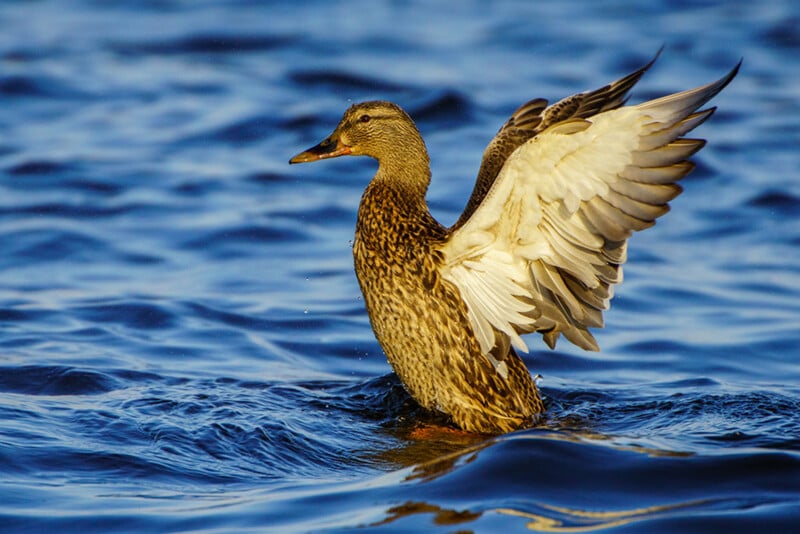
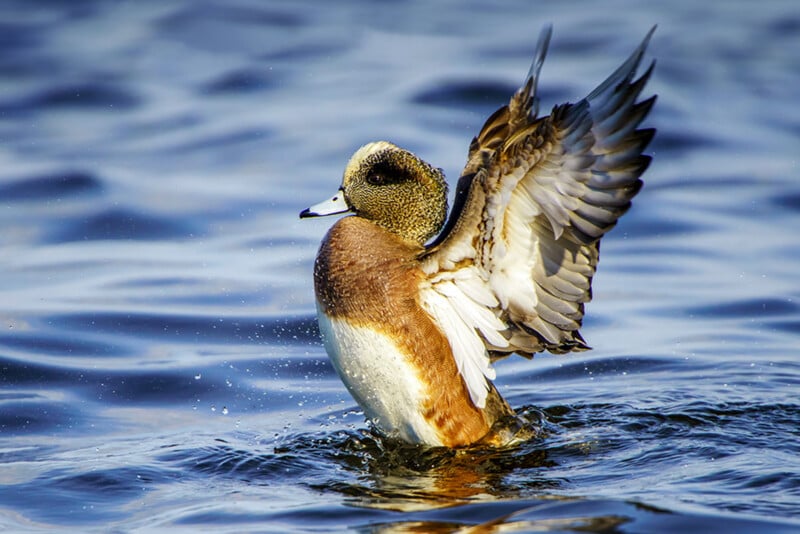
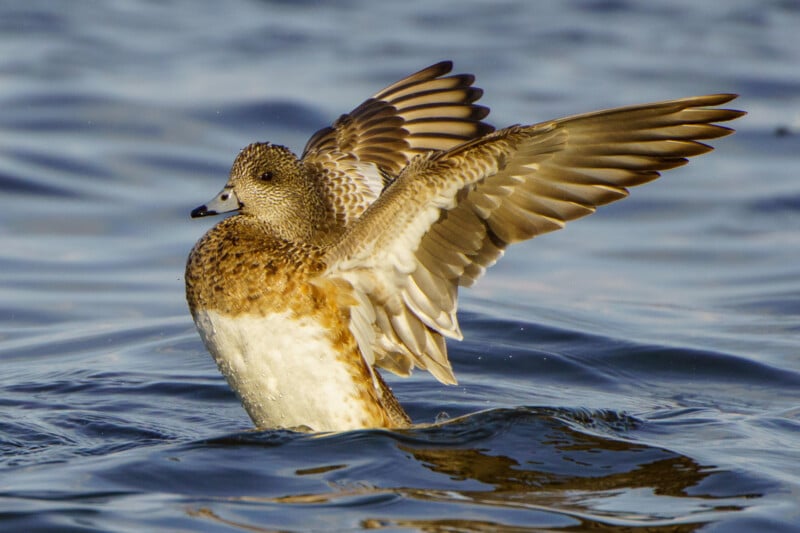
Beyond observing immediate behavior, paying attention to larger patterns can yield remarkable opportunities. Understanding migration routes, breeding seasons, and hunting strategies allows you to position yourself where you are most likely to witness extraordinary action.
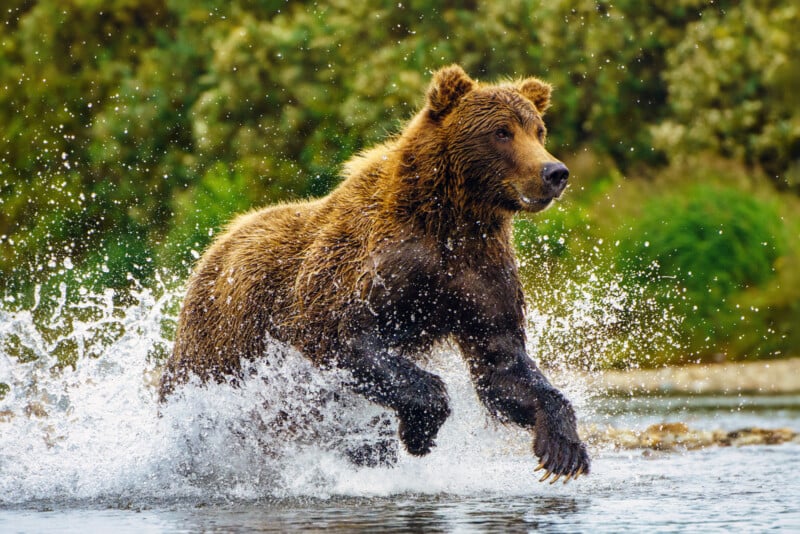
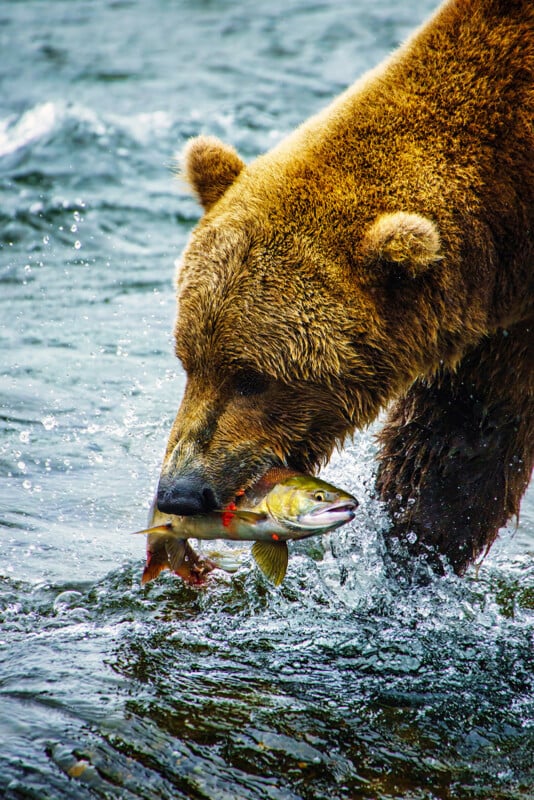
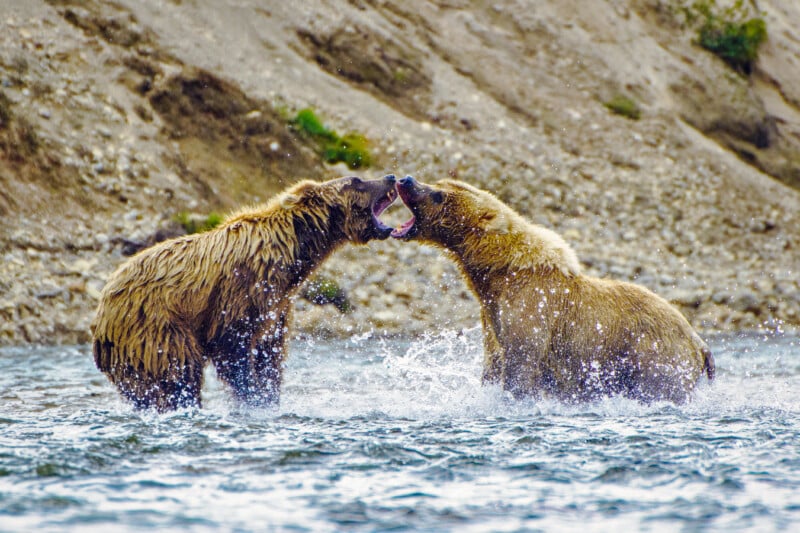
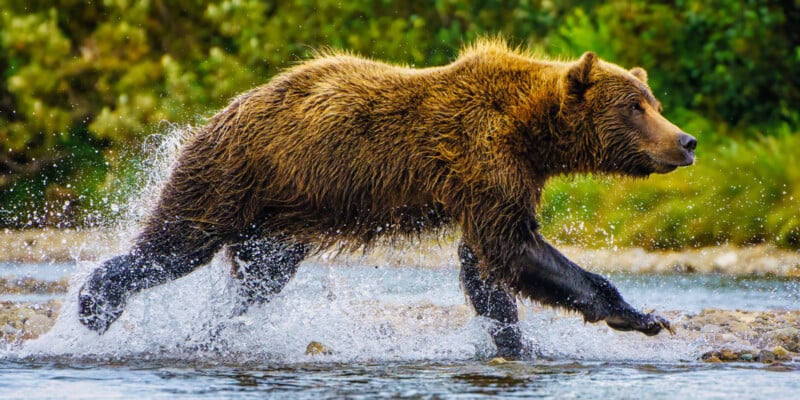
Bears fishing during the salmon run in Alaska, for example, are not uniformly predictable, but by studying their feeding patterns and scouting remote locations, I have been able to photograph bears charging through rivers, creating explosive water action sequences that bring me great joy.
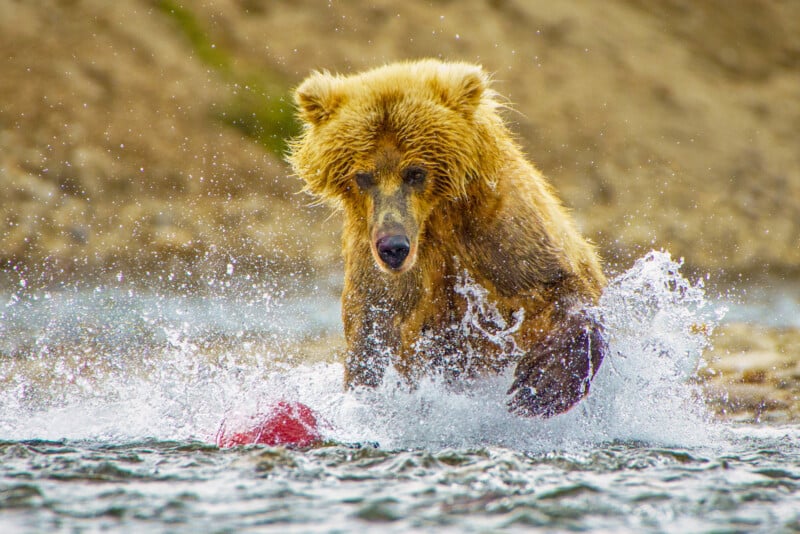
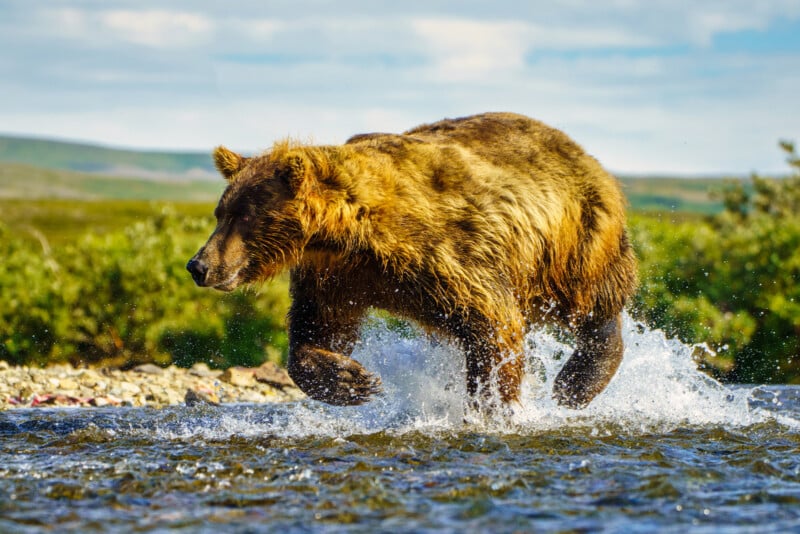
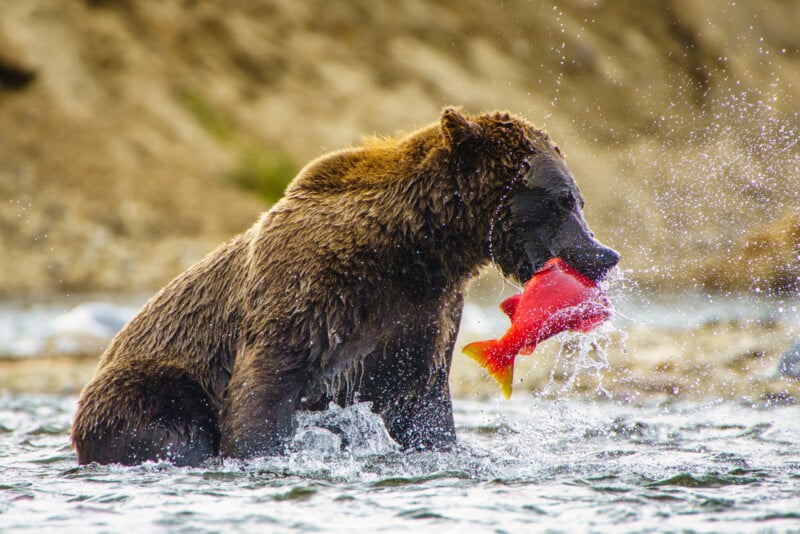
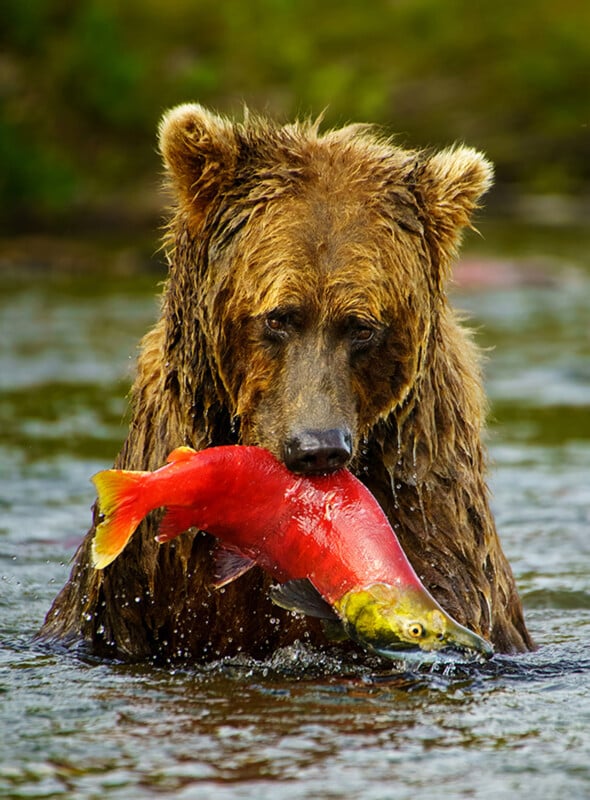
‘Creating extraordinary wildlife images requires seeing animals not through human expectations, but through their natural rhythms and behaviors.’
Patience and Immersion
Unique wildlife photography often demands long hours of observation and total immersion in the environment. This requires patience, quiet focus, and a willingness to be still and present.
I recall one summer day following two bands of wild horses along the beach. They engaged in a standoff, moving slowly down the coast close to the edge of the water over several hours. While many photographer tourists may have snapped a photograph of the horses standing on the beach and left, I knew to wait. My experience was key, I saw the horses stomping their feet, tails swishing, and through my telephoto lens I could visibly see the giant biting flies landing and swarming them as the hot sun beat down on us all.
By following along at a safe distance, several hours later, I was in exactly the right place when they finally surged into the water, creating massive splashes that highlighted the energy and momentum of the moment. That image wasn’t the product of luck, it was the result of careful observation, patience, and a readiness to respond to the animals’ decisions.
The same principle applies when photographing birds of prey or predators in rivers and along coastlines. By studying their hunting behavior, I can anticipate when a bald eagle will dive for fish or the subtle body language that signals when a perched owl will abruptly take off into flight. Being patient and aware allows you to capture fleeting moments that are dynamic, authentic, and impossible to replicate without deep observation.
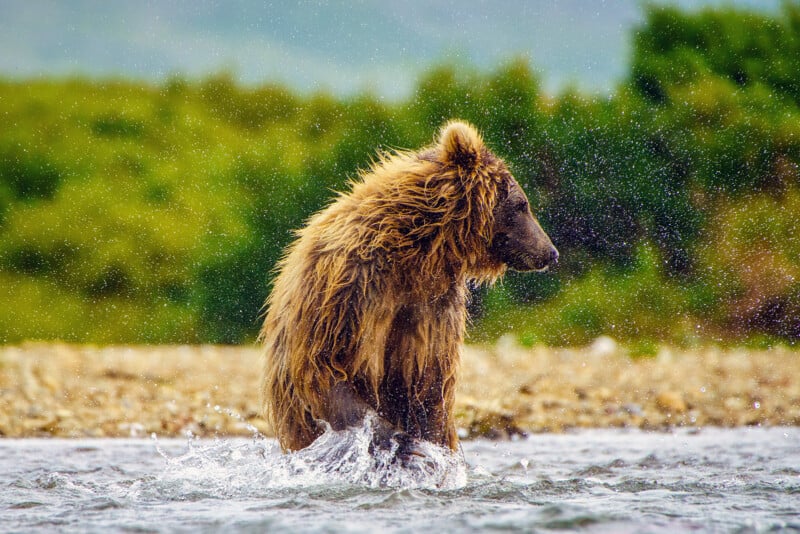
‘Unique wildlife photography often demands long hours of observation and total immersion in the environment.’
Create a Shot List and Plan for Variety
Even with patience and research, it helps to approach your project methodically. A shot list is not a rigid formula, it’s a creative tool that ensures you explore different perspectives and aspects of your subject. Consider including a mix of action shots, environmental portraits, close-up details, and moments that reveal the animal’s personality or behavior.
For my water-based wildlife projects, my shot list includes moments like a horse mid-gallop through waves, a bear lunging for salmon, or a bird shaking droplets from its wings. These planned ideas guide me in the field, but I remain flexible, ready to respond to unexpected events. Often, the most striking images come when the animals do something spontaneous that isn’t on the list, but having a foundation keeps your work varied and prevents repetition.
Dynamic Action and Storytelling
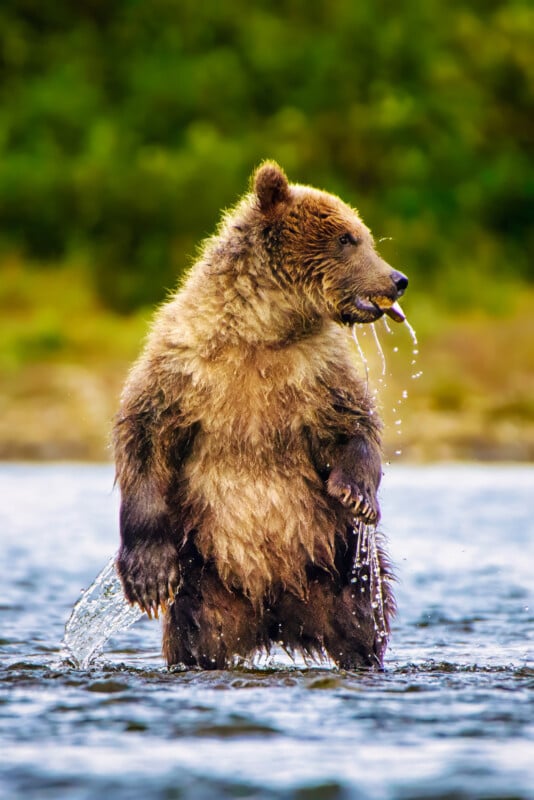
What sets wildlife photography apart today is often the energy and narrative within the frame. Capturing motion, tension, or interaction adds drama and depth to your images. Freezing water droplets midair, showing a predator’s decisive strike, or capturing a herd moving as one in a grand scene that shows their habitat conveys more than a static moment, it tells a story.
I apply this principle across different species. From horses to waterfowl to Alaskan bears, my goal is to highlight the energy of movement. In some cases, this requires technical considerations such as fast shutter speeds to freeze action, continuous shooting to capture sequences, and careful attention to light to make droplets and textures pop. But technical mastery is a means to an end, the goal is to convey emotion, motion, and life.
Travel, Exploration, and Uncommon Perspectives
Unique images often come from stepping beyond common locations. While accessible sites are valuable, exploring off-the-beaten-path areas increases your chances of capturing wildlife in authentic and undisturbed settings. Traveling to remote rivers, coastal islands, or protected wilderness areas allows you to witness interactions and behaviors that are rarely photographed. While travel is not always possible for all, even a weekend overnight trip farther than your normal daily spots can inspire and bring new opportunities.
With my larger trips, I do a great deal of planning beyond the logistics of flights, hotels, and car rentals. I research the location heavily: wildlife hot spots, environmental changes based on the seasons, such as fall color or wildflowers as a background, if the animals gather or have certain behaviors based on time of year or time of day, when they have young, times when they may be migrating and not visible. I try to think of and anticipate everything. My approach is extensive, but even a percentage of that will help yield more successful results by helping ensure you are in the right place at the right time.
In Alaska, for example, accessing bears fishing during the salmon run meant flying to a small lodge “in the middle of nowhere,” literally no roads go there, then rafting along a river, and hiking into the farthest untouched wilderness, areas where, standing in the river, I saw over a dozen bears around me all actively fishing, many with cubs. These experiences, though logistically challenging, produced images I cherish and that few photographers can replicate.
Even closer to home, exploring lesser-known habitats, observing the nuances of seasonal behaviors, and timing your visits around natural events can yield distinctive photographs.
‘Unique images often come from stepping beyond common locations.’
Dedication Over Time
The most important factor in creating unique wildlife photography is persistence. Dedication over months and years allows you to revisit subjects, refine techniques, and witness rare behaviors. By returning to the same location or species repeatedly, you develop intuition, anticipate behaviors more accurately, and create a portfolio of images that reflect both technical skill and personal vision.
The rewards are profound. Beyond recognition, this approach fosters a deeper connection with the natural world and a sense of fulfillment that comes from capturing images that are truly your own. It is this combination of research, patience, creativity, and dedication that separates photographers who produce formulaic images from those whose work is distinctive, meaningful, and inspiring.
Its About Telling Stories
Wildlife photography in the modern era is about more than documenting animals, it is about telling their stories in ways that few others can. By committing to personal projects like mine, understanding wildlife on its own terms, observing patterns, creating shot lists, and being present in the moment, you open the door to extraordinary images.
Whether it’s wild horses charging through coastal waves, bears hunting salmon in remote rivers, or birds shaking droplets from icy waters, the principles remain the same: invest in research, immerse yourself in the environment, anticipate behaviors, and capture moments with patience and intention.
‘The most important factor in creating unique wildlife photography is persistence.’
The process may demand effort, patience, and resilience, but the reward is immense. Your photographs will not only be unique, but they will also resonate with viewers, tell stories of life in motion, and reflect your growth as a photographer dedicated to seeing the world differently.
Image credits: Kate Garibaldi



 English (US) ·