
 3 weeks ago
40
3 weeks ago
40
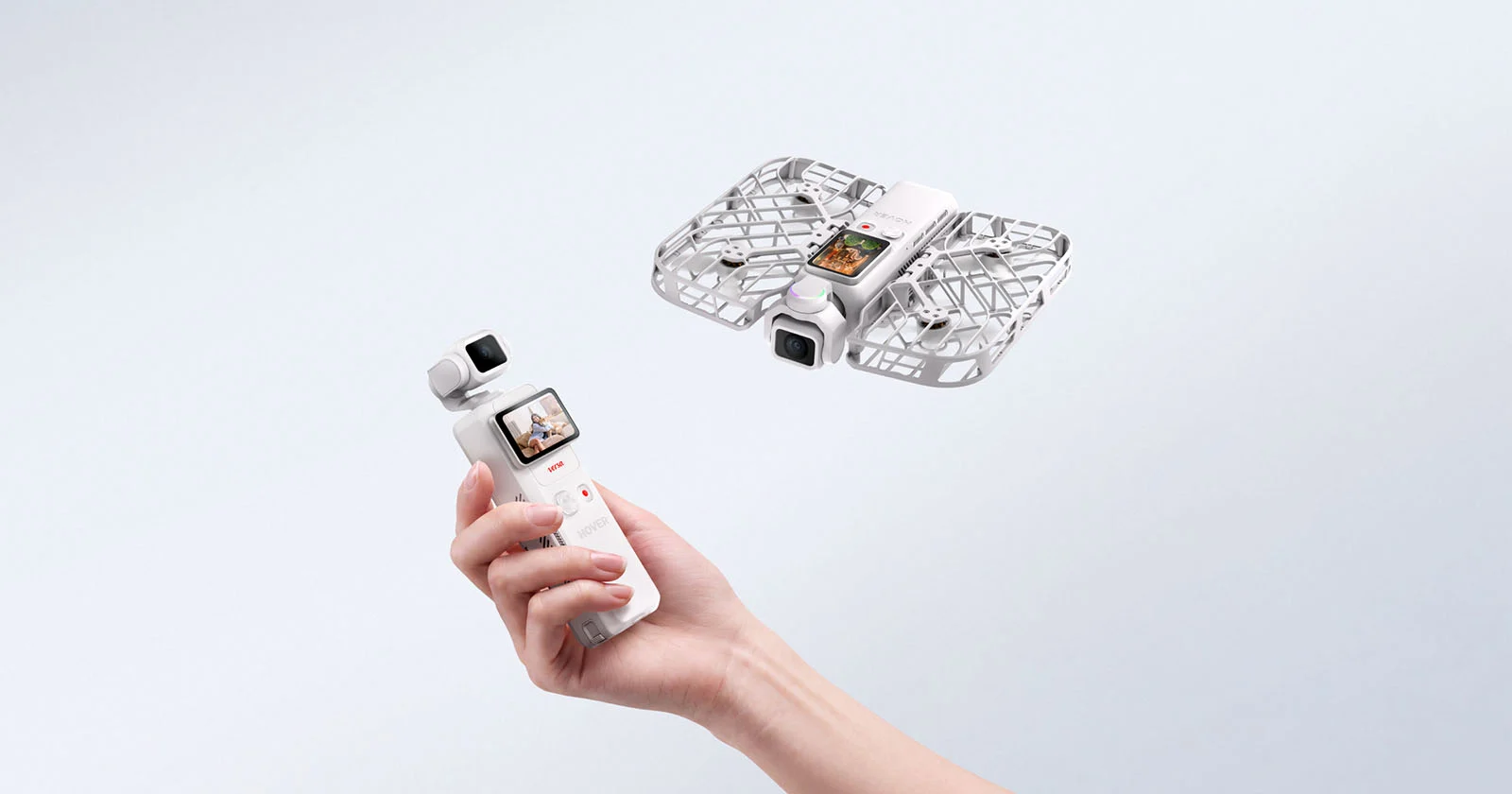
HoverAir, makers of self-flying selfie drones, have just unveiled the HoverAir Versa, combining their existing aerial expertise with the convenience of a pocket camera. At its core, the Versa is a high-end stabilized pocket gimbal camera, like the DJI Osmo, but it can magnetically snap onto a drone body and transform into a cinematic selfie drone. It's designed to tackle two different product categories simultaneously, but with the same goal of making it as easy as possible to film yourself (or others).
HOVERAir VERSA | This Pocket Camera Can Fly - YouTube
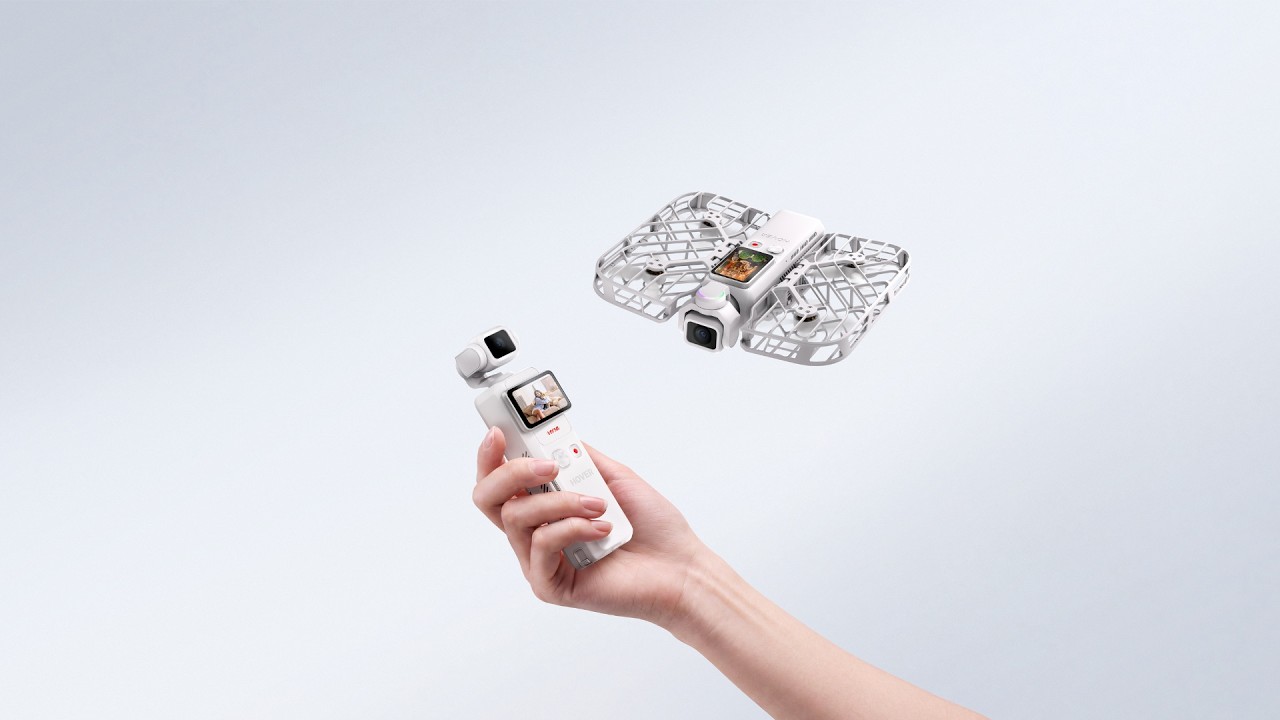
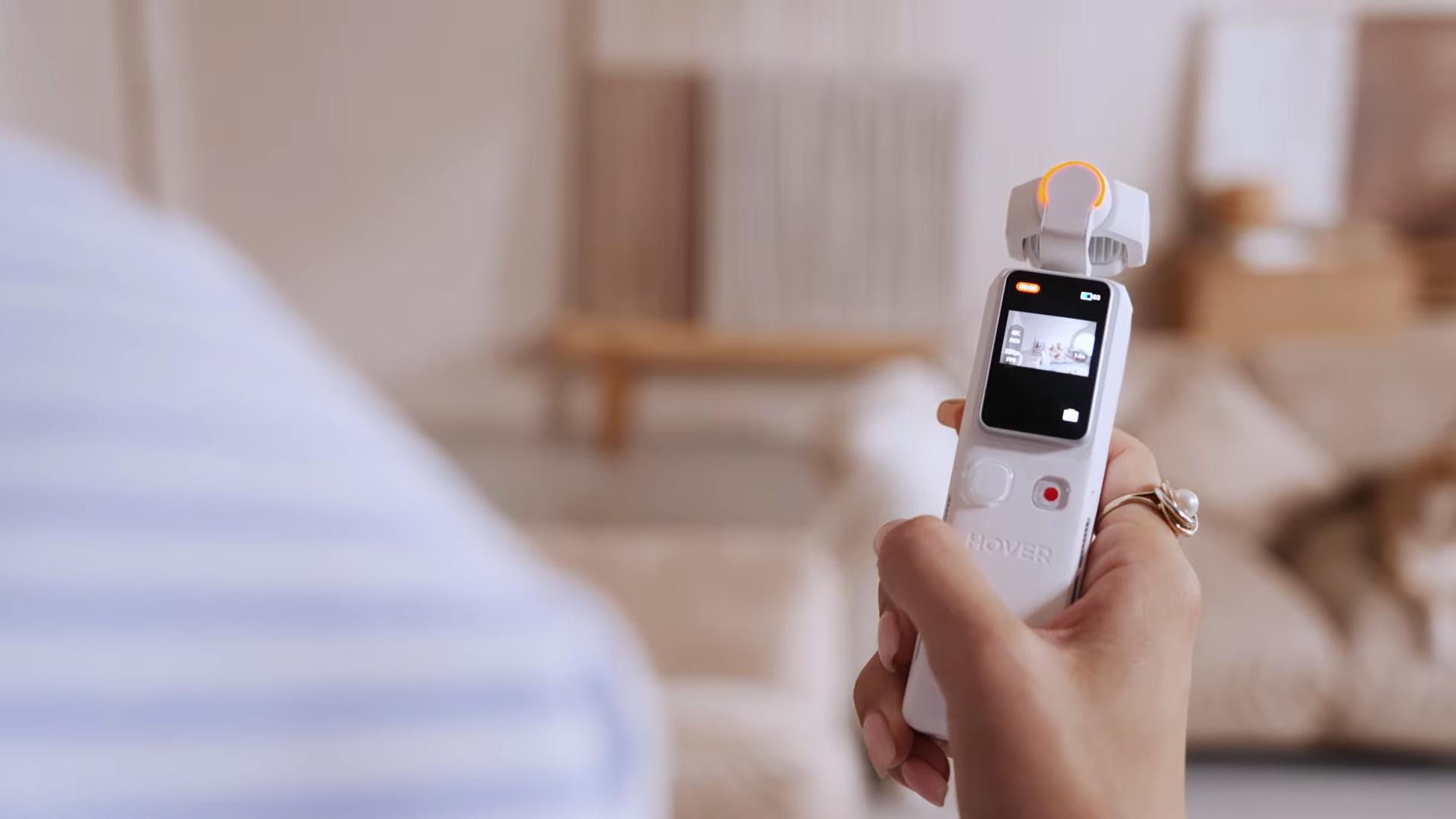
The Versa is actually HoverAir's first-ever pocket camera. It features a three-axis gimbal, which means it can adjust for tilt, yawn, and pitch to make sure your footage turns out stable. Compared to other options on the market, no pocket camera offers more than two-axis stabilization. It has a rotating screen and the accompanying controls for the camera, along with RGB accent lighting that also works as a status indicator. Overall, it looks like a pretty run-of-the-mill, well-made pocket camera.
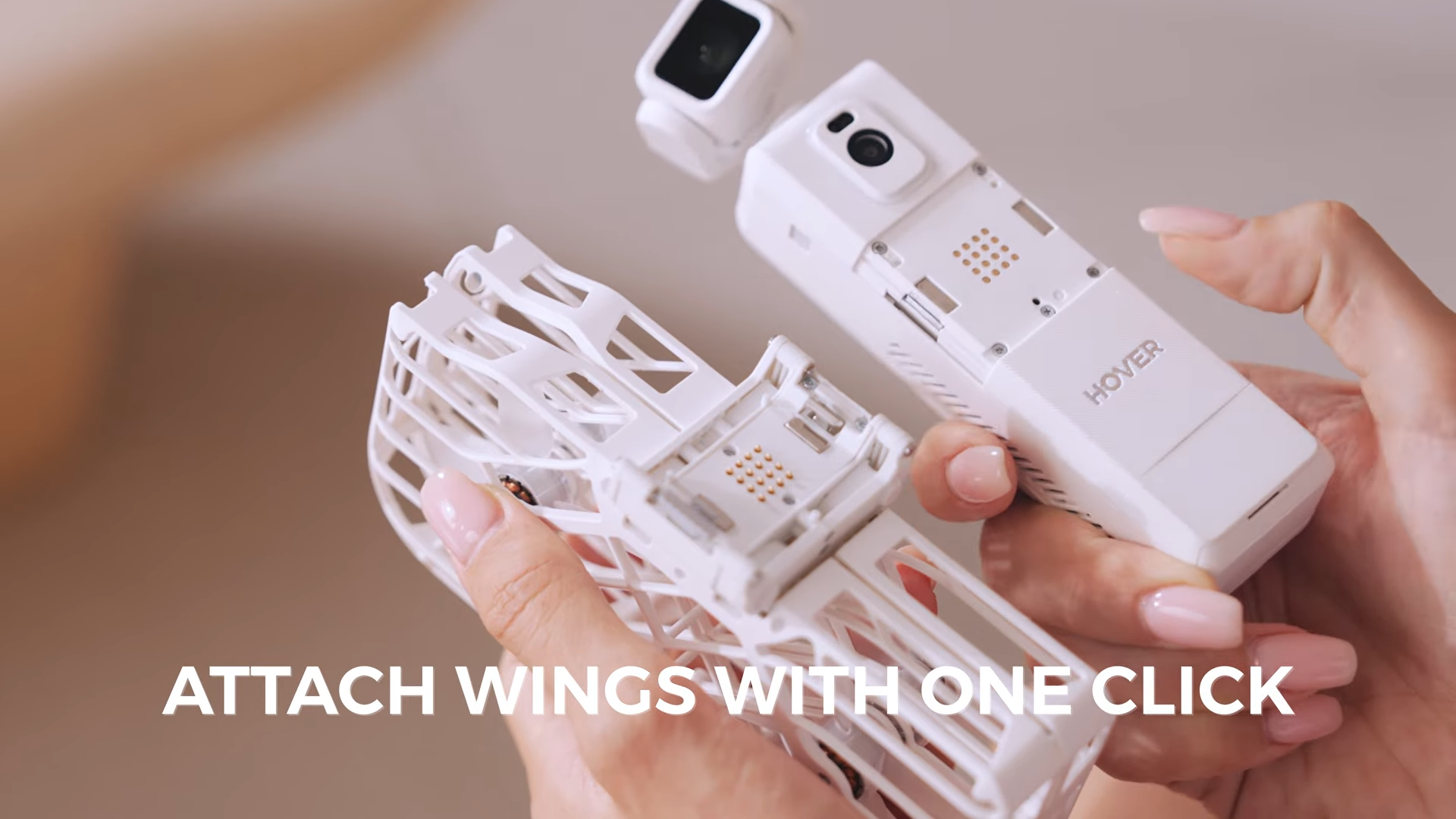
But the magic happens when you bring out the wings. A small, foldable drone body can magnetically attach to the camera unit via pogo pins located at the back of the device. Once connected, you just unfold the wings, gently tap the top, and it takes off right from your palm. There is no external controller needed because the device uses AI to track and follow you automatically. It has 10+ intelligent modes that can film you from any direction with AI-assisted framing, along with a neat 360° feature as well.
In this mode, called 3D Worlds, the drone flies around to snap pictures of the scene from different angles and composites them into a single 360° scene that can be explored and shared later. Technically, this would be the third audience the Versa is trying to cater to — the Insta360 crowd, though that's real-time 360° video recording that you can also generously manipulate in post, so not exactly comparable. Still, it's a neat trick, and we'll have to see how well HoverAir implements it.
We don't have a price or release date; just a bunch of teasers so far that say it's coming soon. As such, specs are also up in the air, but the company is touting class-leading performance with the best dynamic range in the category. From the promotional material, we can infer that it has a large lens, and the drone body looks very compact. If HoverAir's previous selfie drones are anything to go by, the Versa could have support for up to 8K video in 10-bit Log or HLG, along with rapid flying speeds of up to 45 km/h.
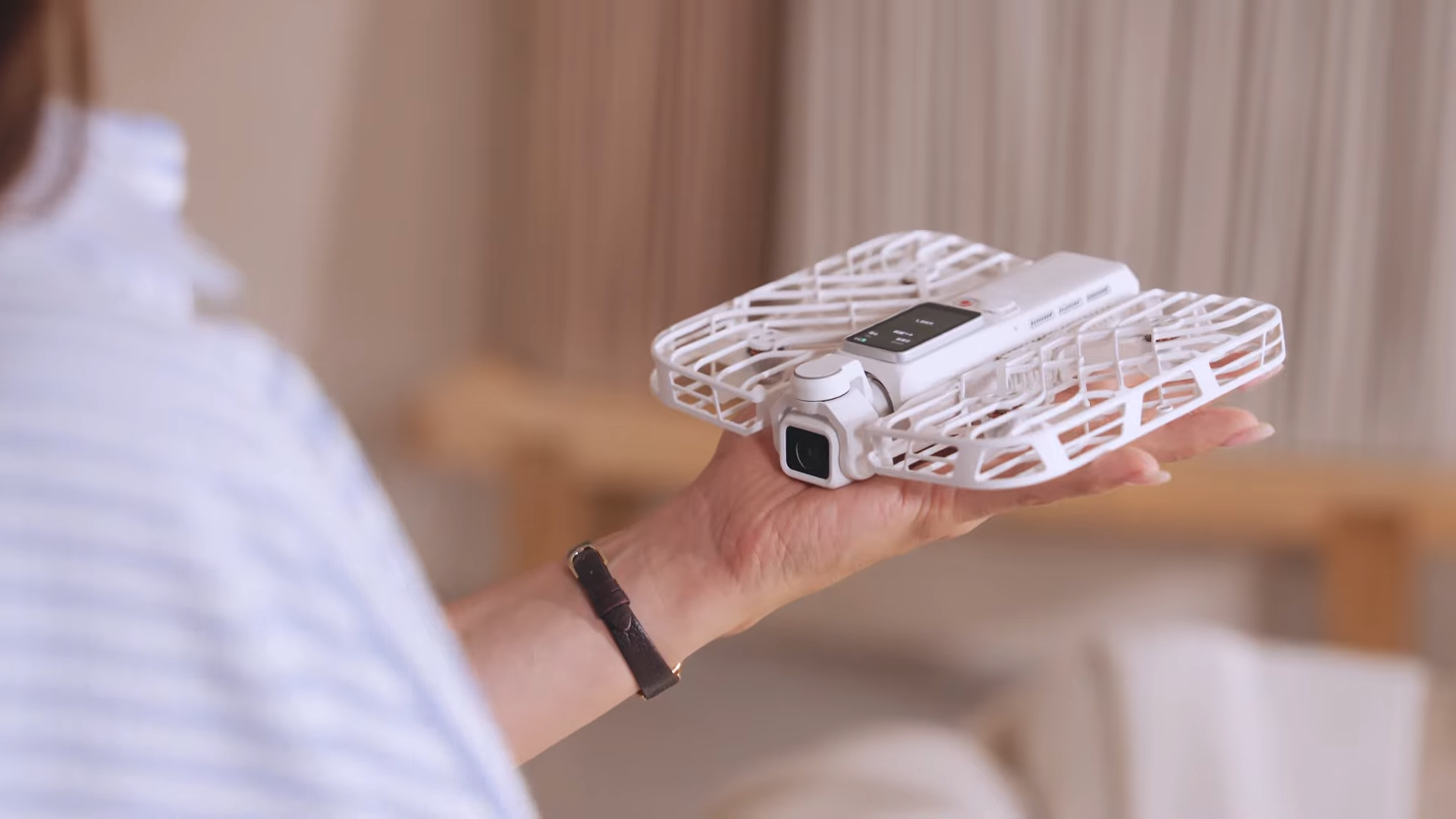
The test footage on HoverAir's website and the video we attached above look really impressive. The ingenuity of the concept warrants both excitement and skepticism, but it's undeniable that the Versa kind of feels magical. Nothing like it exists in the market today, and if the company can already ship excellent selfie drones like the X1 series, and pocket cameras aren't exactly rocket science, it stands to reason that harmonizing the two together is the only challenge for the Versa.

Follow Tom's Hardware on Google News, or add us as a preferred source, to get our latest news, analysis, & reviews in your feeds.



 English (US) ·