
 6 days ago
8
6 days ago
8
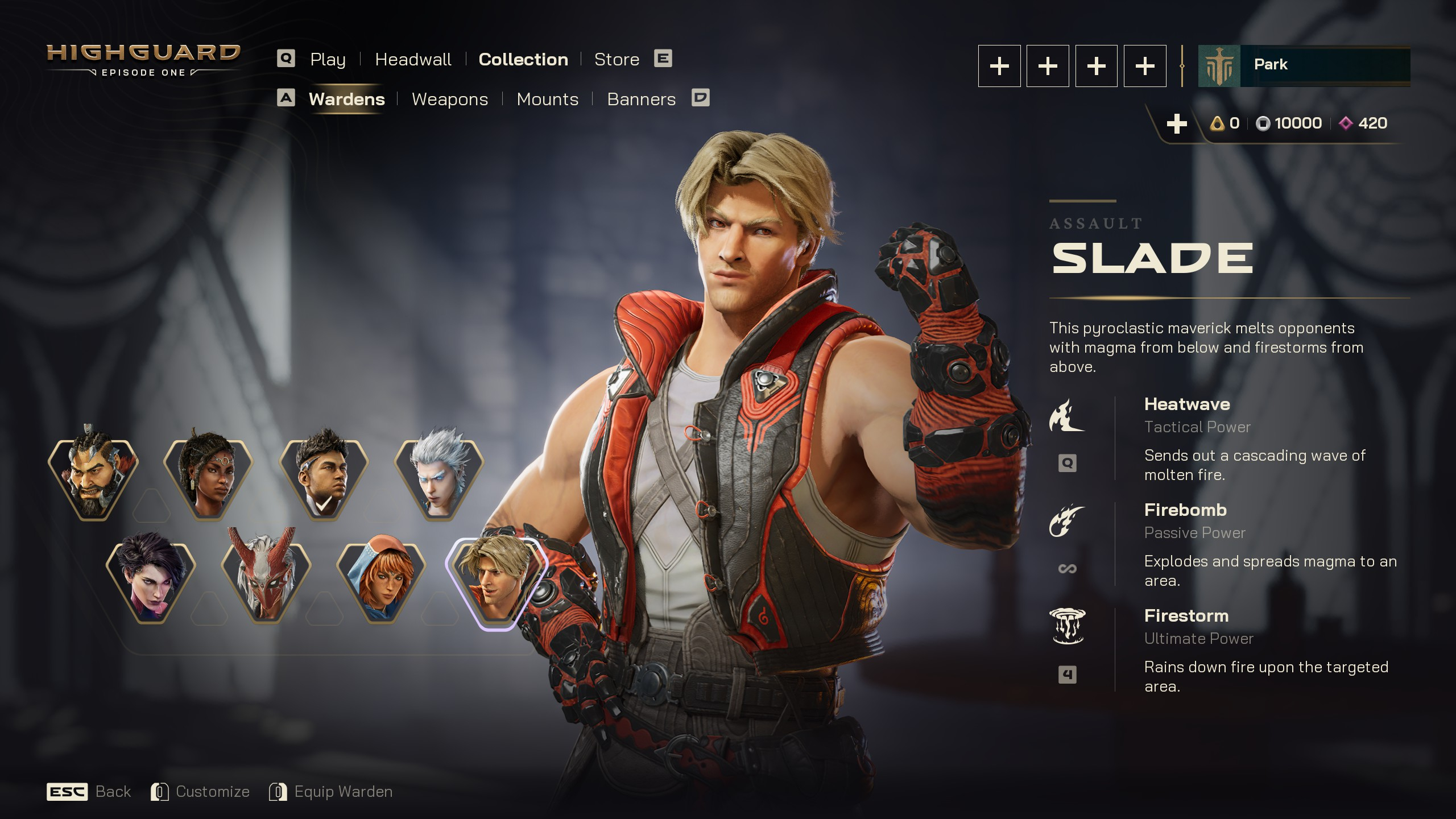
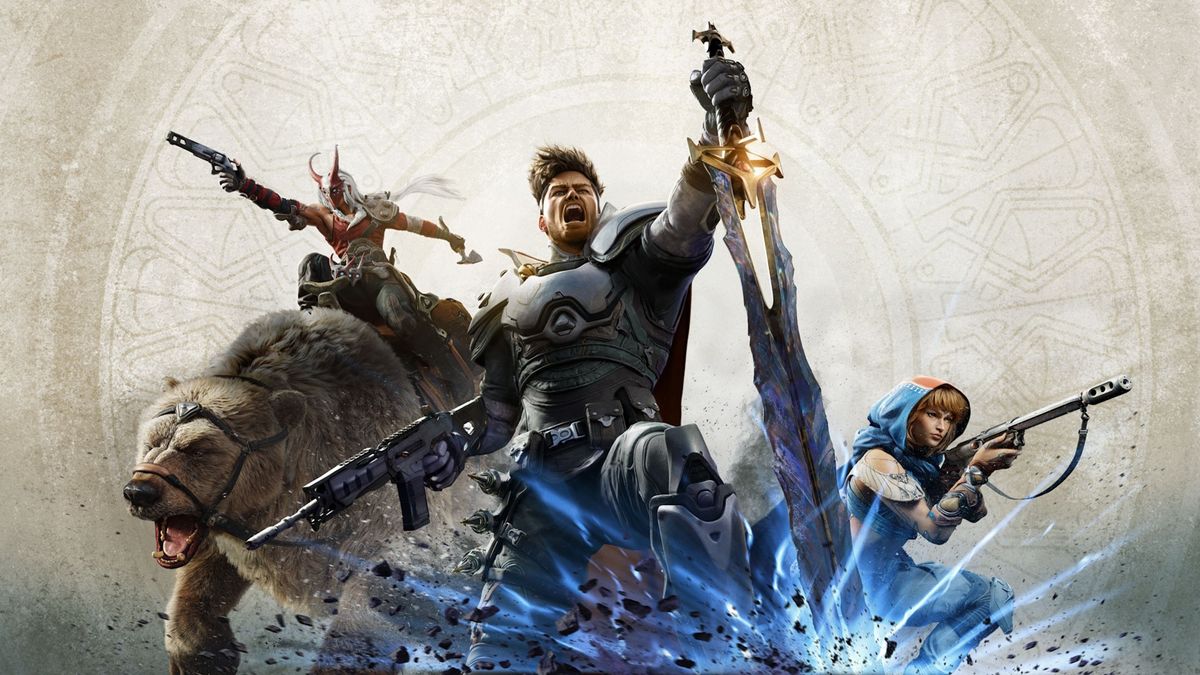
As the free-to-play multiplayer shooter Highguard continues to sink, a new Bloomberg report based on interviews with 10 former employees of developer Wildlight Entertainment provides a closer look at where it all went so badly wrong.
The skeleton of the story is well known: A surprise reveal at the 2025 Game Awards that didn't make a universally great impression, followed by a growing sense of confusion among followers as the studio remained stubbornly silent in its wake. The launch on January 26 attracted nearly 100,000 players, but within a couple weeks, most of them had drifted away: As I write this, fewer than 400 people are playing.
That same run silent approach for Highguard prevented external testing, and so while internal feedback was apparently all thumbs-up, some issues that may have been evident to outsiders—particularly with regard to the game's complexity—went overlooked. Even after Highguard was revealed, the studio encouraged employees to stay quiet in the face of rising negativity and questions; instead of being actively and aggressively addressed, concerns were allowed to fester.
On February 11, however, employees were told that Tencent, which had secretly financed the project, had ended funding—a reason apparently wasn't provided but the assumption is that continued funding was contingent upon achieving targets that Highguard never came close to—and the studio was out of money. Now, out of what was a team of 100, fewer than 20 remain.
Of course the bigger issue is declining player counts: As a free to play game, Highguard is dependent on players spending money on in-game items, and that is dependent on having a regular, returning player base—something it's so far failed to accrue. As its struggles worsen, it's only going to get tougher for Highguard to achieve that critical mass.




 English (US) ·