

Published Aug 31, 2026, 6:00 AM EDT
Tom is a Senior Staff Writer at Screen Rant, with expertise covering everything from hilarious sitcoms to jaw-dropping sci-fi epics.
Initially he was an Updates writer, though before long he found his way to the TV and movies team. He now spends his days keeping Screen Rant readers informed about the TV shows of yesteryear, whether it's recommending hidden gems that may have been missed by genre fans or deep diving into ways your favorite shows have (or haven't) stood the test of time.
Tom is based in the UK and when he's not writing about TV shows, he's watching them. He's also an avid horror fiction writer, gamer, and has a Dungeons and Dragons habit that he tries (and fails) to keep in check.
High fantasy TV has come a long way in the last few decades, evolving from relatively straightforward swords-and-sorcery adventures into some of television’s most ambitious shows. No two series better exemplify this transformation than Game of Thrones and The Legend of Vox Machina. The former proved fantasy could work as mature prestige television, while the latter demonstrated that same adult-focused tone didn’t mean having to compromise on fun.
Both Game of Thrones and The Legend of Vox Machina capture the adult-oriented tone modern fantasy television thrives on, but they are also radically different experiences. The Legend of Vox Machina is so irreverent that it regularly borders on the absurd, while Game of Thrones is often so stone-faced and serious that its world is relentlessly bleak. Fortunately, HBO’s upcoming Baldur’s Gate series looks positioned to occupy the middle ground between them, combining the dramatic weight of Westeros with the chaotic energy of a Dungeons & Dragons adventure.
It’s already been revealed that the HBO show will be specifically based on Baldur’s Gate 3, Larian Studios’ hugely successful video game set within the wider Dungeons & Dragons universe. That is significant because Baldur’s Gate 3 already feels like a halfway point between The Legend of Vox Machina and Game of Thrones, balancing outrageous humor and larger-than-life characters with genuinely dark storytelling. Better still, Craig Mazin, the creative force behind HBO’s The Last of Us, is leading the adaptation, giving the series a writer and showrunner who understands how to translate beloved game material without losing its identity.
The Potential Of HBO’s Baldur’s Gate Series Can’t Be Overstated
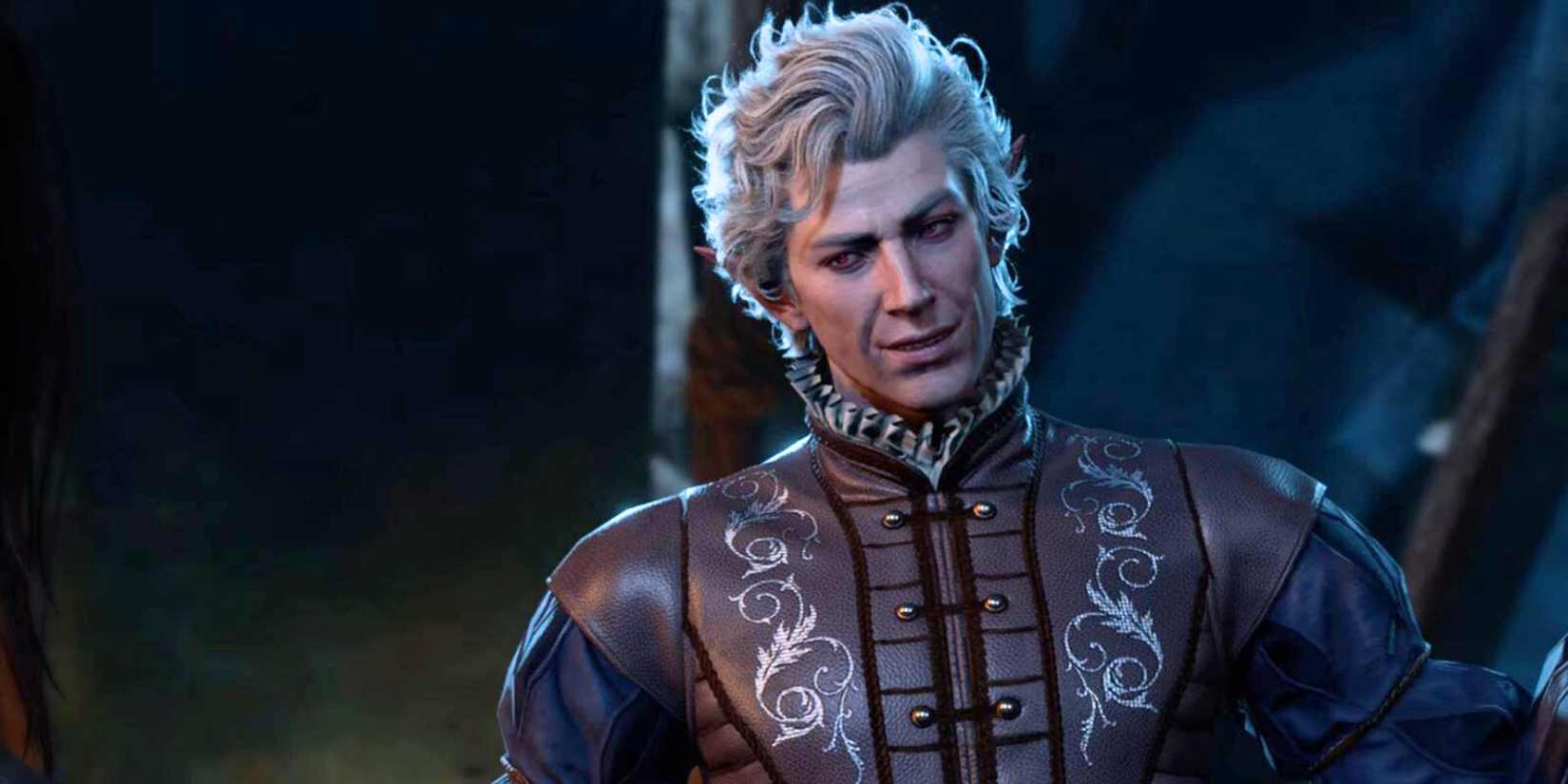
The appeal of HBO’s Baldur’s Gate series is immediately apparent because it could combine two approaches to fantasy that rarely coexist so naturally. Like Game of Thrones, it can deliver political intrigue, mature themes, and a world of brutal consequences where characters can meet genuinely horrific fates. At the same time, it can embrace the irreverent humor, eccentric personalities, and fantastical chaos that make The Legend of Vox Machina so entertaining.
That balance is already baked into Baldur’s Gate 3. One moment can involve a serious confrontation with an ancient evil, while the next can become an unexpectedly laugh-out-loud ridiculous interaction between party members. The game regularly moves between comedy, romance, horror, tragedy, and conventional heroic fantasy. Translating that tonal flexibility successfully could give HBO a fantasy series that’s considerably broader than both Vox Machina and Thrones.
There is also an enormous built-in audience. Baldur’s Gate 3 has sold more than 20 million copies (via GamesIndustry), while Dungeons & Dragons remains the most recognizable tabletop role-playing game in the world. That gives the series two powerful foundations before HBO has even announced a cast or release date: an audience invested in the Baldur’s Gate game, and a much larger fantasy community already invested in its wider universe.
If HBO can capitalize on both, Baldur’s Gate could become one of the most successful live-action fantasy series in decades. It has the opportunity to attract viewers who want the seriousness of Game of Thrones, fans who appreciate the humor of The Legend of Vox Machina, and broader audiences who simply want a high-quality fantasy drama.
Craig Mazin Is The Baldur’s Gate TV Show’s Secret Weapon
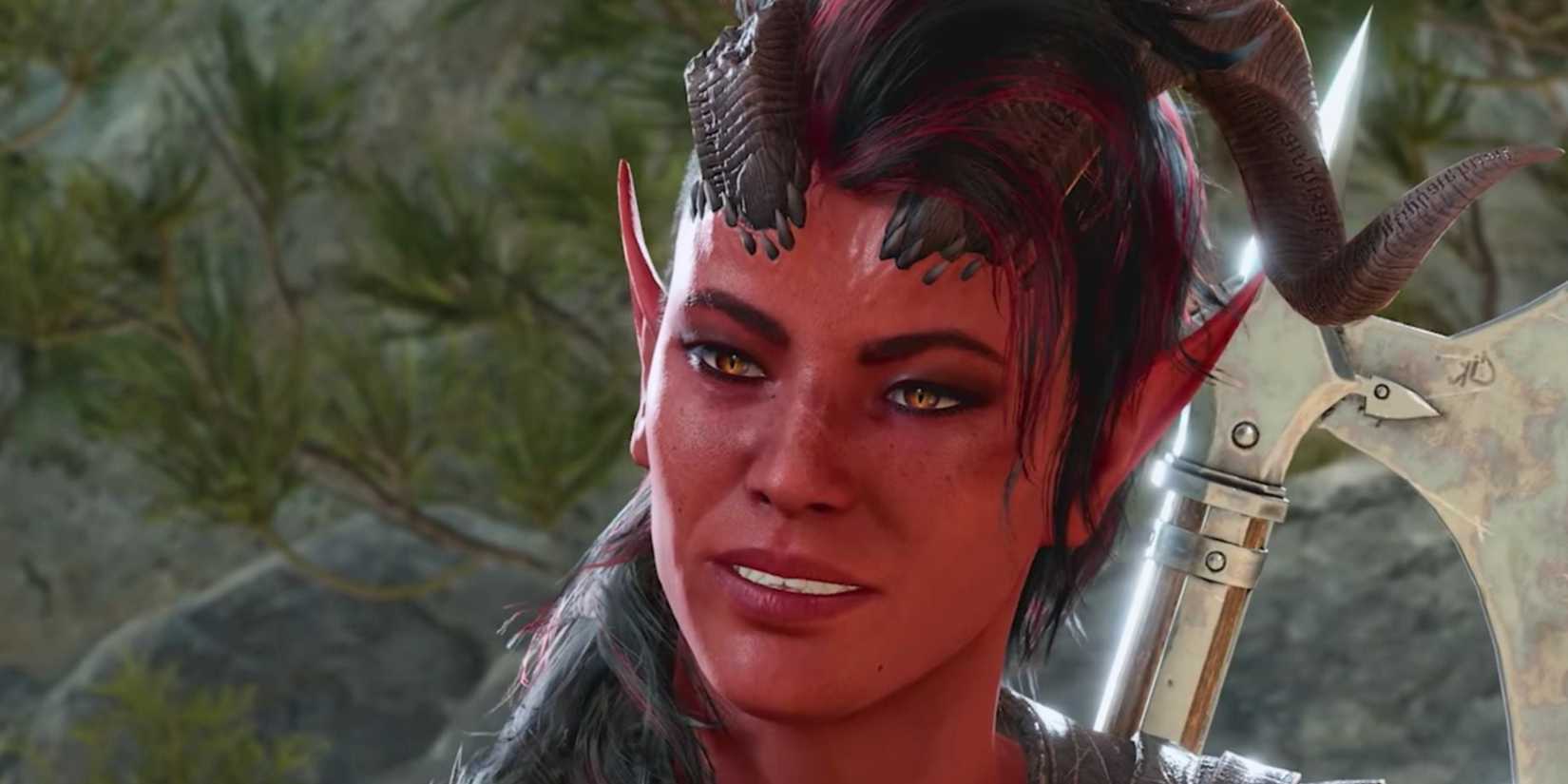
There’s a lot that could go right with HBO’s Baldur’s Gate TV show, but a lot that could go wrong too. However, the involvement of Craig Mazin gives plenty of reason for optimism. The writer, producer, and showrunner previously co-created HBO’s Chernobyl and The Last of Us, proving that he can handle both meticulously constructed drama and the complicated task of adapting a hugely popular video game.
More importantly, though, Mazin is not approaching Baldur’s Gate as an outsider. He has reportedly spent nearly 1,000 hours playing Baldur’s Gate 3, completed the game on Honor Mode, and has described himself as a devoted Dungeons & Dragons fan (via Deadline). That passion will be crucial, because the HBO series is not simply retelling Baldur’s Gate 3 but will be a direct sequel to the game, featuring returning characters and the fallout of events from one of the many endings (though exactly which one is now canon still hasn’t been revealed).
If Craig Mazin can bring the same creative wizardry to the Baldur’s Gate TV show that he did with The Last of Us, its success seems all but secured. What’s more, if he manages to bring the right balance of Game of Thrones's drama and The Legend of Vox Machina's irreverence, HBO's Baldur’s Gate could emerge as a truly definitive adult fantasy series that changes the genre on the small screen forever.

Network HBO Max
Showrunner Craig Mazin
Writers Craig Mazin



 English (US) ·