HBO's ‘Harry Potter’ Can Better Explore Hogwarts' Traditions and History
HBO has already offered glimpses of how the series will restore details from the books, including changes to Hogwarts' iconography. One example is Ravenclaw's crest design, which returns to the book-accurate eagle mascot and blue and bronze colors. Although these may seem like small details, the houses are central to Hogwarts' identity, and their distinct symbols and traditions help establish the school's history.
There are also several customs from the books that the films had little time to explore. When new students arrive at Hogwarts, for example, the Sorting Hat performs lengthy songs that describe the houses and their histories. The books also establish house points, common rooms, and dormitories as important parts of everyday school life. For many international audiences, particularly those unfamiliar with the British school system, the films made these details seem like magical inventions specific to Hogwarts. In reality, the school is modeled in part on traditional British private schools, with their established customs and institutional histories. The HBO series can make that connection clearer, presenting Hogwarts as a prestigious boarding school with traditions comparable to those of Eton or Wycombe Abbey, rather than treating every aspect of its organization as something exclusive to the wizarding world.
The series also has more time to explore Hogwarts' curriculum. The films showed a relatively small number of lessons, focusing on those that contributed to the main storyline. Audiences saw Professor Flitwick, played by Warwick Davis, in two very different costumes, Snape's (Alan Rickman) Potions lessons, and just one flying lesson with Madam Hooch (Zoe Wanamaker), which introduced Harry and the audience to Quidditch. However, the books feature a much wider range of subjects, teachers, and magical skills. An episodic format gives the adaptation room to show more of these classes and follow Harry and his classmates as they develop their abilities throughout the school year.
One omitted teacher who seems to be receiving more attention in the HBO adaptation is History of Magic Professor Binns, played by Richard Durden. Binns died while sitting at his desk but did not realize it, so he continued teaching as a ghost. Most students consider his lessons boring, but History of Magic provides important background on the wizarding world's past and makes Hogwarts seem much more like a real school, as there’s always going to be a class that is universally disliked!
HBO's ‘Harry Potter’ Can Introduce More of Hogwarts' Magical Residents
Beyond its traditions and school curriculum, Hogwarts is also home to magical residents and creatures who contribute to its everyday life. The films omitted several of these characters or only gave them passing mentions. Gryffindor's ghost, Nearly Headless Nick, appeared, and Ravenclaw’s Grey Lady was played by Trainspotting’s Kelly Macdonald. However, the books feature several other ghosts associated with the different houses — the Bloody Baron, Slytherin's house ghost, and the Fat Friar, who represents Hufflepuff. According to Variety, the HBO series will feature both, played by Andrew Brooke and Daniel Fearn respectively.
One of the most significant supernatural omissions from the Harry Potter films was Peeves the poltergeist. Unlike Hogwarts' ghosts, Peeves has a physical form and spends his time causing trouble throughout the castle, dropping heavy objects, smashing items, and disrupting lessons. He’s regularly supported by Fred and George Weasley, united in their hatred of the Ministry of Magic official Dolores Umbridge. Peeves was originally intended to appear in the films, with British comedian Rik Mayall (The Young Ones) filming scenes as the character; however, they were cut during editing. The HBO adaptation will finally bring Peeves to life, with comedian Peter Serafinowicz (The Tick) cast in the role. His inclusion, alongside the other Hogwarts ghosts, will give the series more opportunities to show the characters who continue to inhabit the castle outside of term time.
The series can also look beyond The Philosopher's Stone to introduce parts of Hogwarts that become important in the later books. In Harry Potter and the Goblet of Fire, Hermione discovers the school kitchens and learns about the house-elves responsible for cooking, cleaning and maintaining the castle. This leads her to establish S.P.E.W., the Society for the Promotion of Elfish Welfare, to campaign for house-elves' rights and freedom. The storyline also introduces Winky, Mr. Crouch's former house-elf, who Harry and his friends meet after the Quidditch World Cup. Dobby eventually finds work in the Hogwarts kitchens, too. Including this subplot would show another part of how Hogwarts operates beyond the students and teachers. The house-elves carry out much of the work that keeps the school running, and their presence introduces wider questions about the wizarding world's social structure. It would also give Hermione's full personality room to develop, rather than cutting her screen time to prioritize Harry alone.
By including more of these details, HBO's Harry Potter can establish Hogwarts as an institution with its own ecosystem independent of Harry's adventures. The school existed long before Harry arrived and will continue long after he leaves. Its teachers, students, ghosts, house-elves, and traditions all contribute to its identity, and the upcoming series can finally depict Harry as only one part of Hogwarts' much larger legacy.
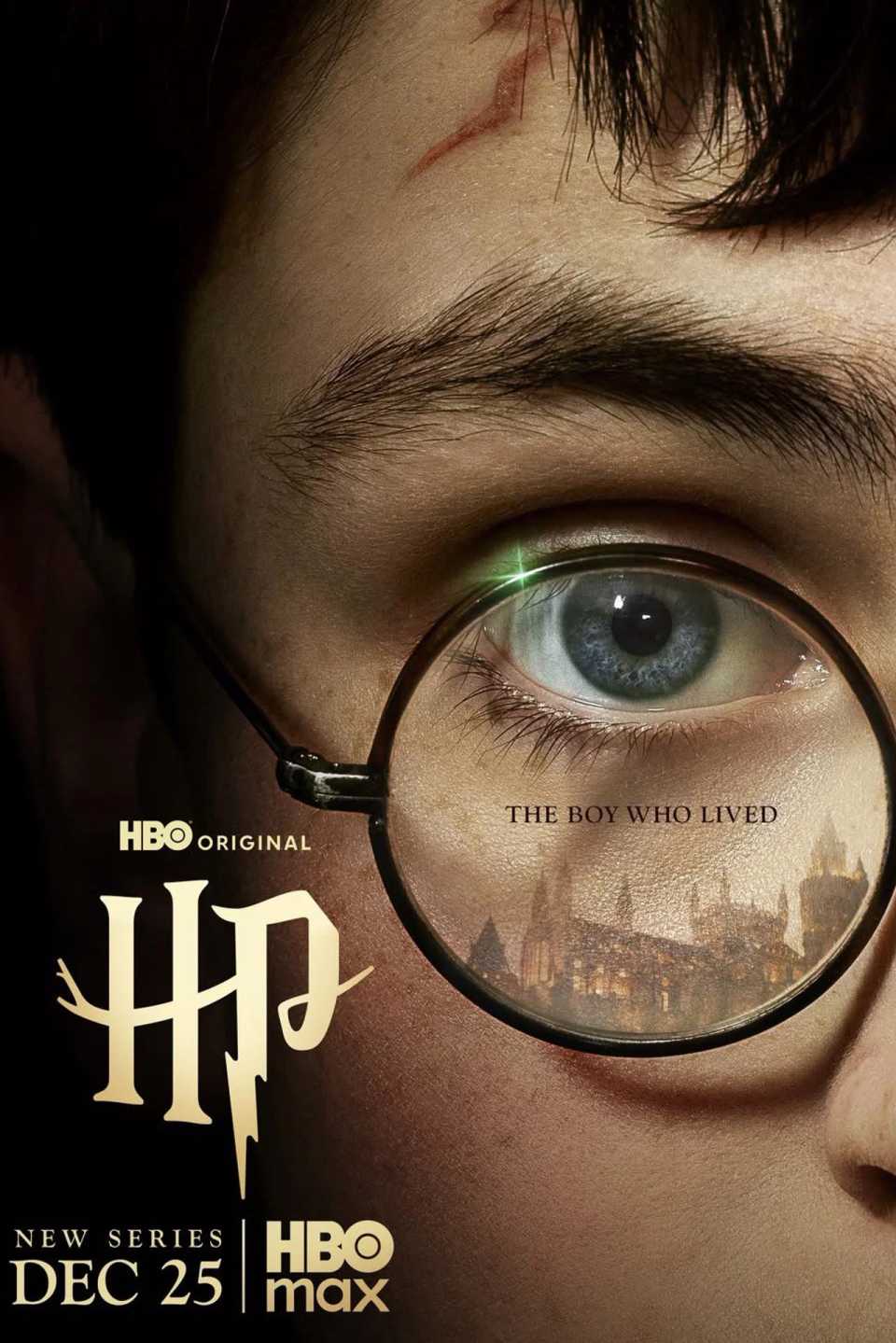
HBO's Harry Potter and the Philosopher's Stone is scheduled to premiere on December 25, with streaming available on HBO Max.
Release Date
2026 - 2026
Network
HBO Max
Showrunner
Francisca Gardiner

 HBO






 English (US) ·