
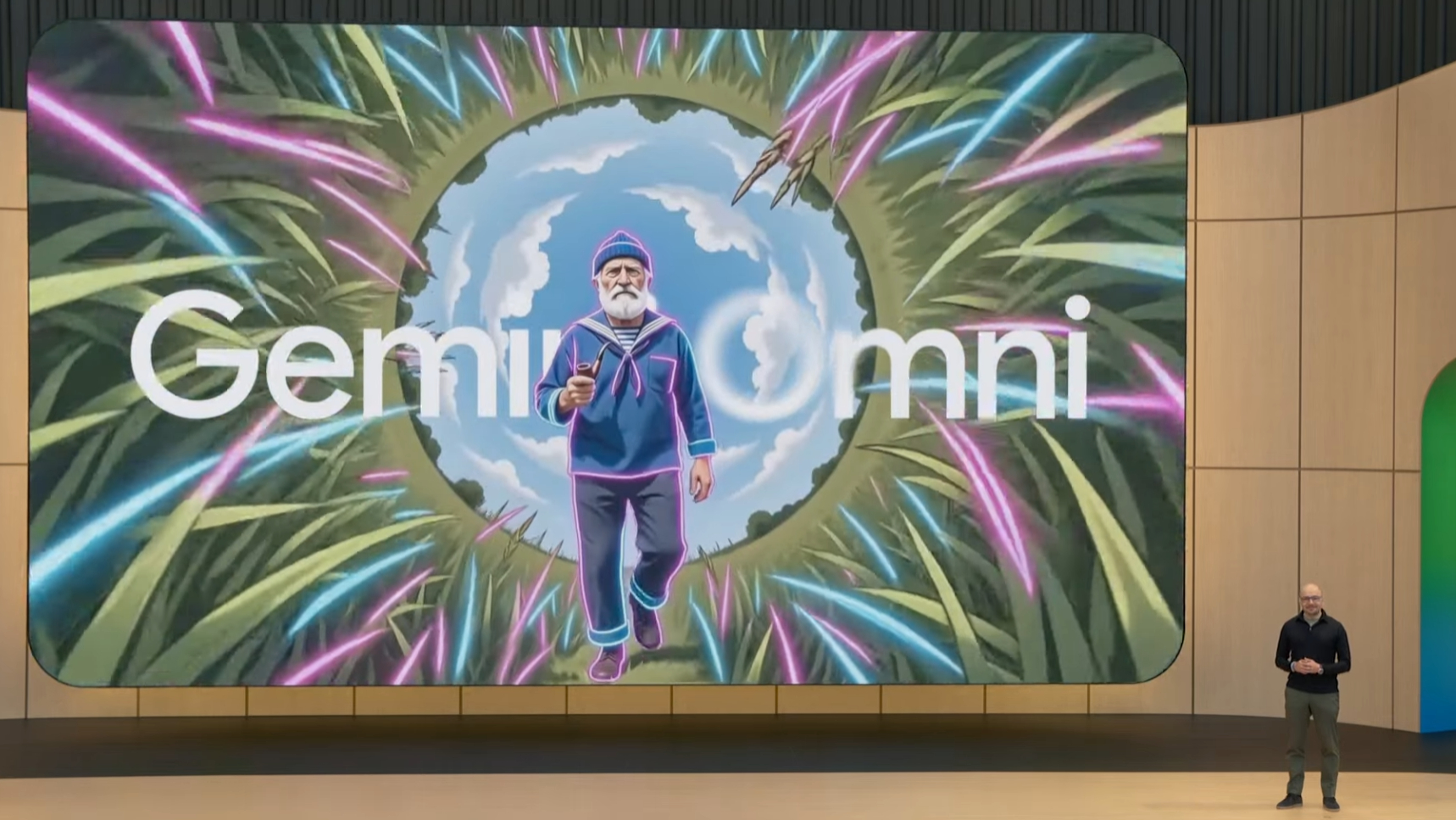
- Google introduced Gemini Omni Flash
- It aims to make video creation easier by letting users refine projects naturally, rather than using editing software
- It's emphasizing transparency and safety through AI watermarking and identity protections
Google’s next big AI move is aimed squarely at creativity. The company has introduced Gemini Omni at Google I/O 2026 as part of its massive slate of new Gemini features.
Omni is supposed to combine Gemini's reasoning abilities with media creation tools that can generate and edit content across different formats.
The first release, Gemini Omni Flash, focuses on video and arrives with an unusually ambitious goal. Google wants people to create content from nearly any kind of input, whether that starts with text, images, audio, or existing video.
Gemini Omni Flash is rolling out through the Gemini app, Google Flow, YouTube Shorts, and YouTube Create, with broader expansion planned later for developers and enterprise customers.
Introducing Gemini Omni: Create Anything from Anything - YouTube
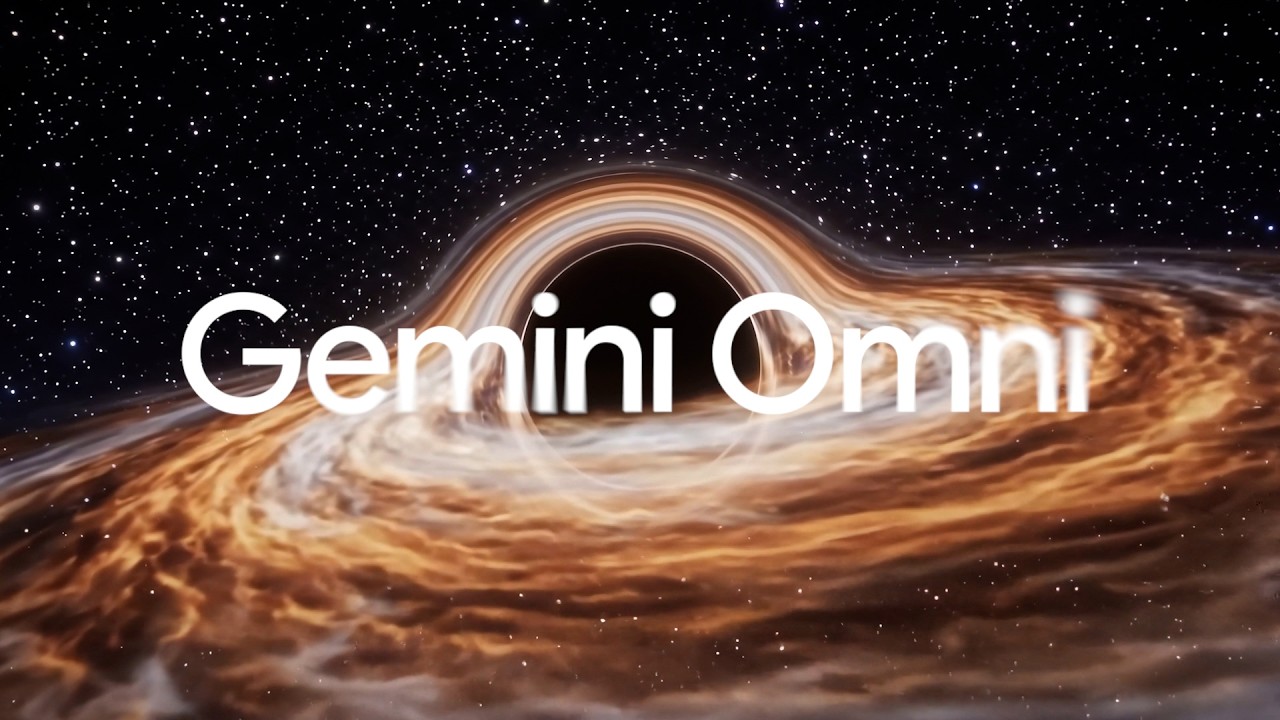
The announcement builds on work Google has already been doing with AI-generated visuals. In 2025, Nano Banana expanded Gemini’s image capabilities and became a surprisingly practical tool for everything from restoring aging photographs to turning rough sketches into polished concepts.
Gemini Omni is Google’s attempt to push that idea much further. The company described Gemini Omni as a way to replace tradational editing software with a conversation that can continually refine a video.
Conversational editing
One of Gemini Omni’s biggest ideas is removing complexity from editing. Google says users can modify videos through natural language while preserving consistency between changes.
Characters stay recognizable. Scenes maintain continuity. Motion remains coherent instead of resetting every time a prompt changes. The system is also designed to better understand how objects behave in the physical world, incorporating improved handling of motion, gravity, and movement dynamics.
That's how the mirror above ripples like liquid when someone touches it, or how a sculpture can be made of bubbles. Google is trying to position Gemini Omni as something larger than a video generator.
That puts Google directly into a rapidly escalating competition around AI media tools. But it's a race about who can make AI video tools feel intuitive enough that ordinary people actually want to use them, as much as anything else. Google’s answer appears to be taking the conversational route.
Eventually, Google said Gemini Omni will go beyond video. Future versions are expected to support combinations of photos, prompts, music, and reference footage into a single project.
Trusting AI creations
Powerful creative AI creates a challenge of trust, which Google acknowledged. The company is keen to highlight how videos created with Gemini Omni include SynthID watermarking technology intended to identify AI-generated media. The company also says verification tools will work across Gemini, Chrome, and Search as part of broader transparency efforts.
Users will initially be able to create video avatars based on themselves, including their own voice. But more advanced capabilities involving speech modification remain under evaluation while Google works on safety considerations.
That cautious approach reflects the increasingly awkward balancing act facing every major AI company. Building more capable systems doesn't mean trust in them will be built in tandem.

Follow TechRadar on Google News and add us as a preferred source to get our expert news, reviews, and opinion in your feeds.








 English (US) ·