
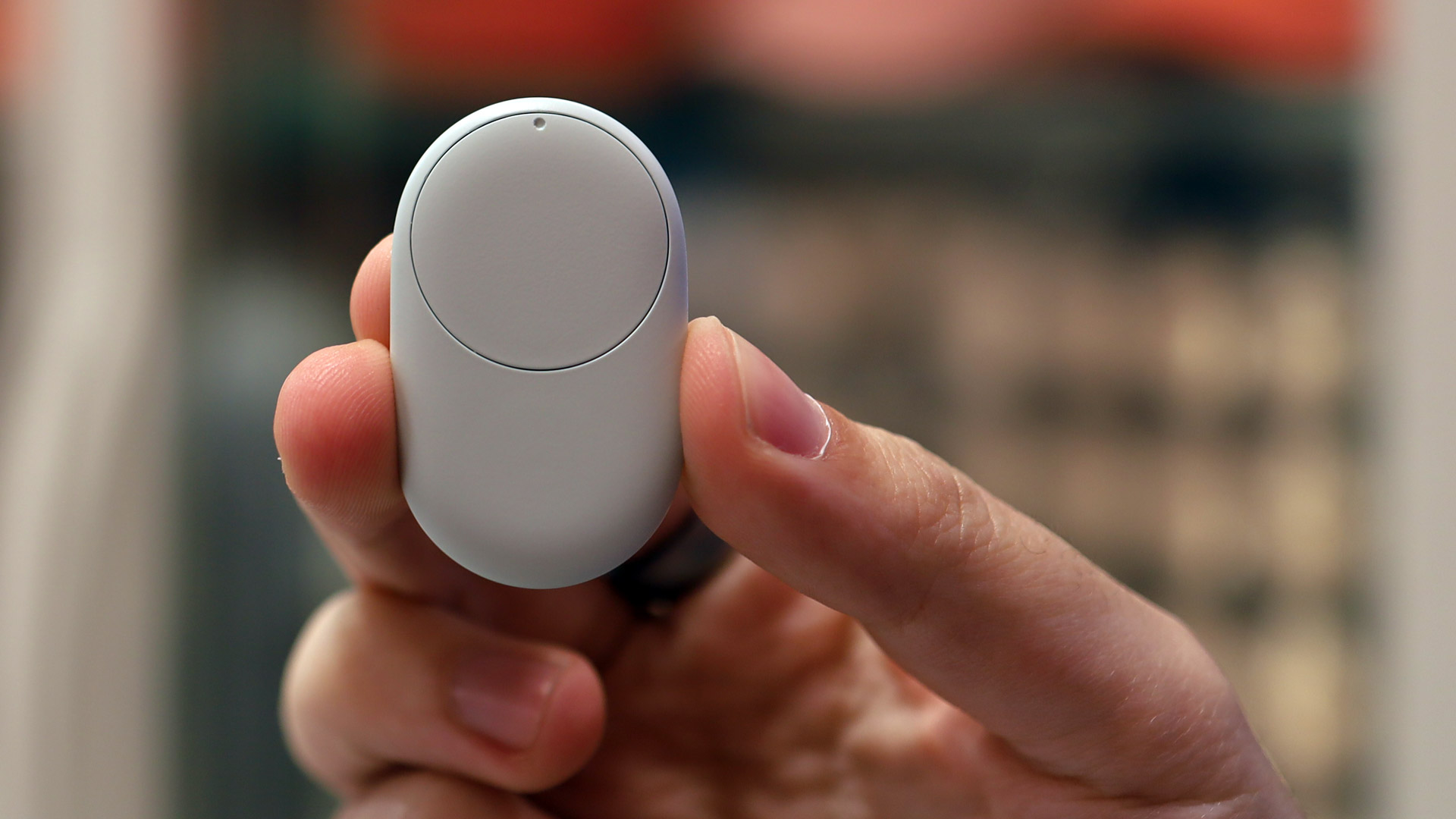
- The Google Pixel Tag is now available
- It costs $29 / £29.99 / AU$49, or you can get four for $99 / £99 / AU$169
- It's largely similar to rival trackers, but with some notable differences
Following its announcement at the Google Pixel 11 launch back in August, the Pixel Tag is finally available to buy — but has the long wait been worth it, or are you better off sticking with one of its Android-compatible rivals?
We can’t definitively answer that question until we’ve reviewed Google’s new item tracker, but it does have some promising specs and features.
It weighs just 11.8g, has an IP67 rating (which gives it moderate water resistance), and has a replaceable coin cell battery that should last over a year. It can play a sound to help you locate nearby items, or you can view it on a map when it’s further away, using Find Hub’s crowdsourced network of over one billion Android devices to locate it.
The Google Pixel Tag also has Ultra Wideband (UWB) support for precise tracking when it’s nearby, complete with directional arrows pointing to it on your phone screen. Or, if you need to find your phone, you can press a button on the Pixel Tag twice to ring your handset.
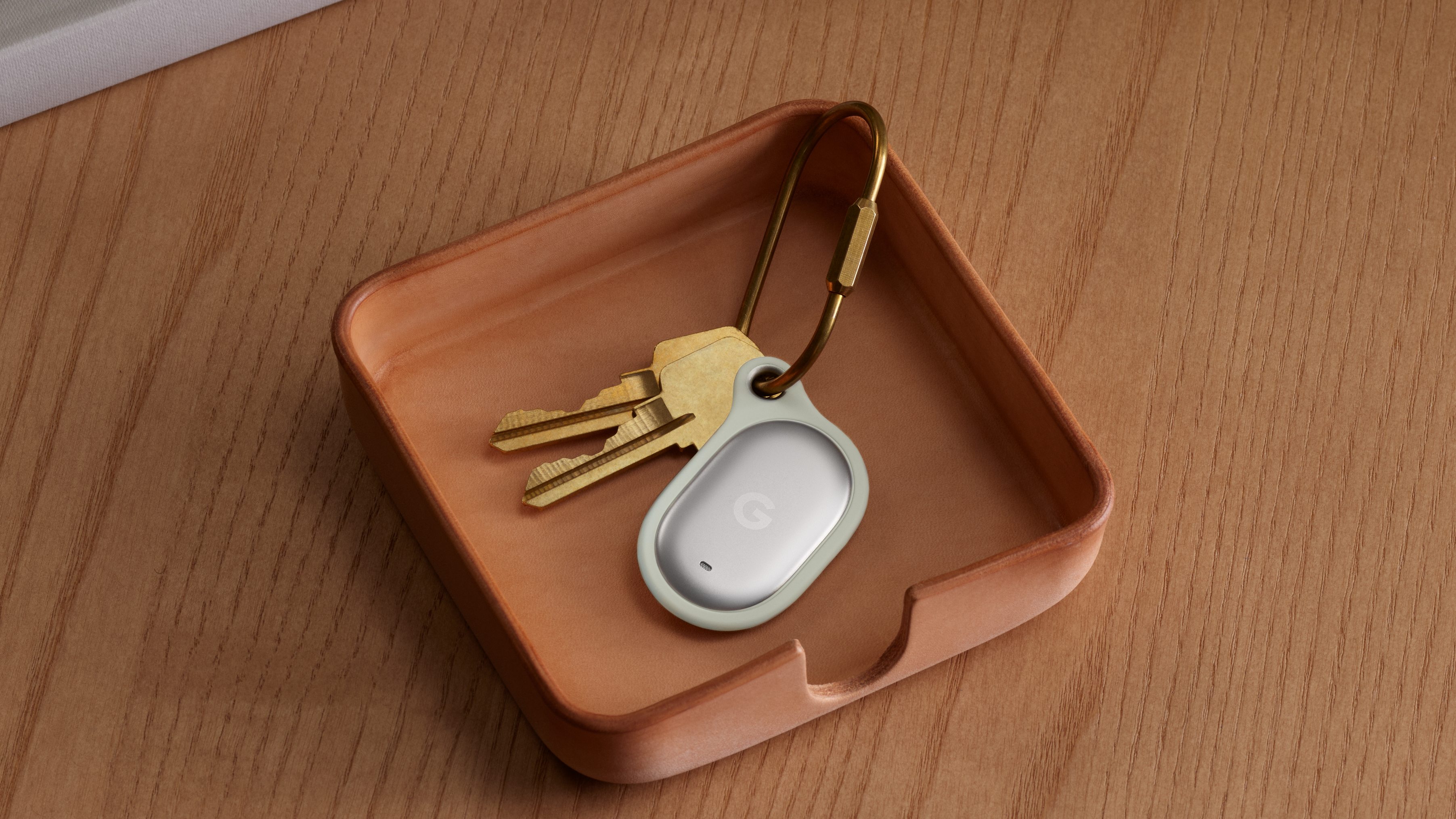
There’s also the option to get a notification when you leave behind tagged items, and the ability to mark a Pixel Tag as lost, and then get a notification when the Find Hub network locates it.
Shared items can be tagged too, with multiple people able to track them, and you have the option to share the location of tagged items with airlines or anyone with a Google account.
Similar specs
Swipe to scroll horizontally
Dimensions: |
28 x 46.1 x 5.4mm |
31.9 x 31.9 x 8mm |
28.8 x 52.44 x 8mm |
Weight: |
11.8g |
8.5g |
13.75g |
Colors: |
Fog |
Pantone Arabesque / Pantone Laurel Oak |
Black / White |
IP rating: |
IP67 |
IP68 |
IP67 |
Connectivity: |
Bluetooth 6.0 with Channel Sounding and UWB |
Bluetooth 6 and UWB |
Bluetooth LE 5.3 and UWB |
Speaker: |
Yes |
Yes |
Yes |
Battery: |
Replaceable CR2032, over one year |
Replaceable CR2032, over 600 days |
Replaceable CR2032, up to 500 days |
Compatibility: |
Android phones |
Android phones |
Samsung phones |
Price: |
$29 / £29.99 / AU$49 |
$29.99 / £29.99 |
$29.99 / £34 / AU$55 |
As you can see in the chart above, the Pixel Tag’s specs are largely similar to those of existing Android trackers. But Google's tracker supports all Android phones running Android 9 and above, while the Samsung GalaxyTag 2 is limited to Samsung phones, and the Pixel Tag is widely available, while the Moto Tag 2 isn't available in Australia.
That said, the Moto Tag 2 does have slightly better water resistance, and both that and the Galaxy Tag 2 may have better battery life, while pricing is similar for all three.
It's also worth noting that Samsung has announced the Galaxy SmartTag 3, which adds iOS compatibility, though this device isn't expected to launch widely until sometime in 2027.
If you do want a Pixel Tag, you can grab one for $29 / £29.99 / AU$49, or get four for $99 / £99 / AU$169, which is the going rate for object trackers these days (even Apple's newest AirTag costs $29 / £29 / AU$49).
We'll be putting Google's tracker through its paces in the coming weeks, so stay tuned for our verdict on its value for money.

Follow TechRadar on Google News and add us as a preferred source to get our expert news, reviews, and opinion in your feeds. Make sure to click the Follow button!
And of course you can also follow TechRadar on TikTok for news, reviews, unboxings in video form, and get regular updates from us on WhatsApp too.







 English (US) ·