
 1 week ago
5
1 week ago
5
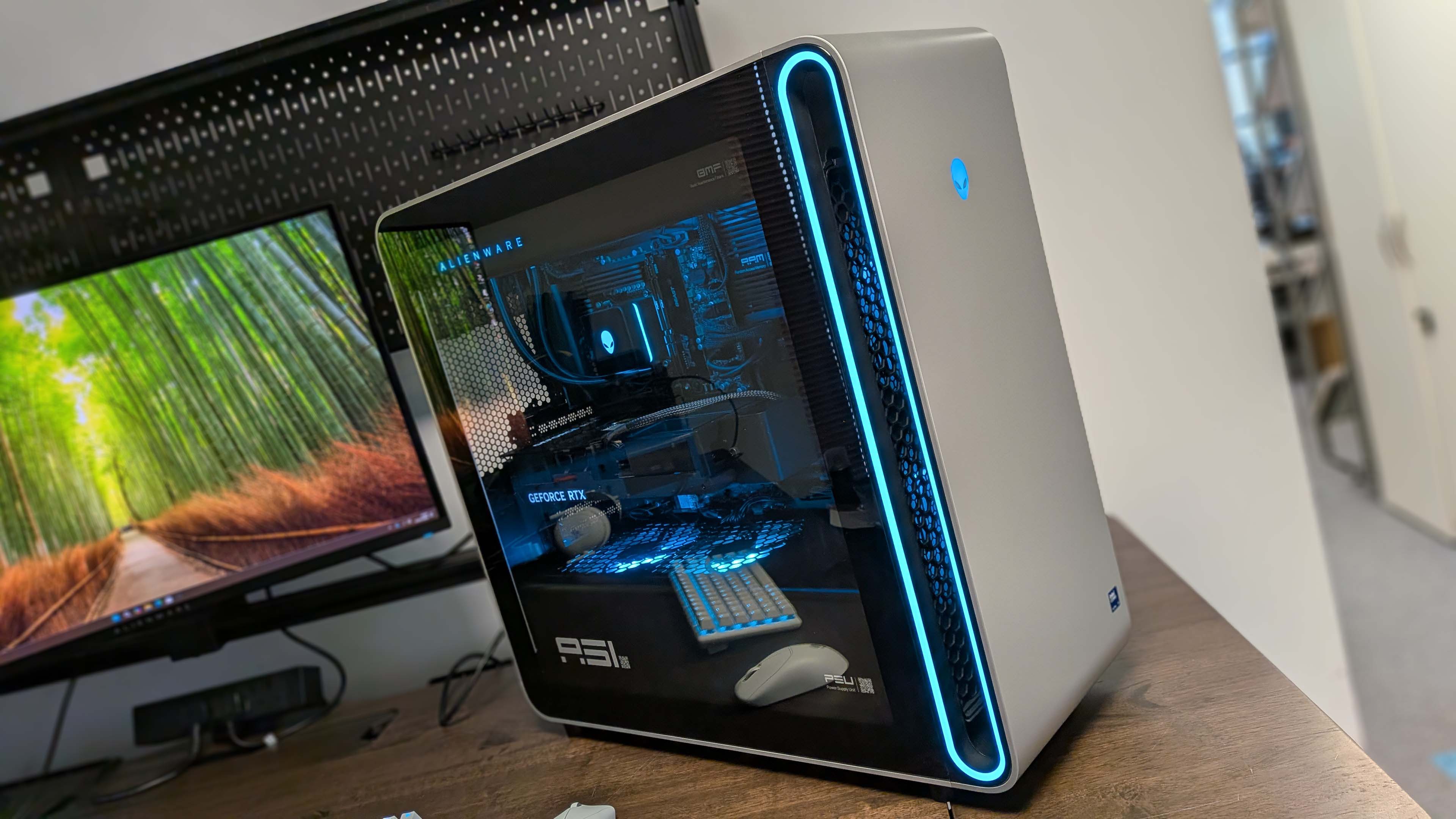
Last week I reported on data from JPR claiming that gaming PC sales are booming and that the high end of the market is going gangbusters, in particular. Now a different research outfit is predicting that overall PC sales will be down by 5% in 2026. So what, exactly, is going on?
The new report comes from Counterpoint Research. They forecast that, "global PC shipments in 2026 are projected to see a 5% contraction compared to 2025," but that things could actually be worse.
"The PC sector remains more resilient than other consumer electronics segments. This relative stability is driven by a robust replacement cycle; a significant portion of the current installed base is eligible for Windows 11 updates, and Microsoft’s continued push for OS migration is acting as a consistent catalyst for hardware refresh," Counterpoint says.
Counterpoint forecasts overall global shipments of 262 million PCs in 2026, down from around 275 million this year. It also predicts that the biggest brands will suffer the least from the downturn, with the likes of Dell, HP and Lenovo experiencing the "mildest contractions" while second tier brands like Acer and Asus are expected to see more pronounced declines in sales.
The one brand that's expected to buck the entire trend is Apple. Counterpoint expects that, thanks in part to the new MacBook Neo, Apple will actually sell more systems in 2026 than 2025.
As for how all this squares with last week's story, well, the gaming PC market is something of a law unto its own. Going by this new forecast, the impact of dramatically more expensive memory, and to a lesser extent storage, is expected to be more damaging to mainstream PC sales than more expensive gaming rigs.
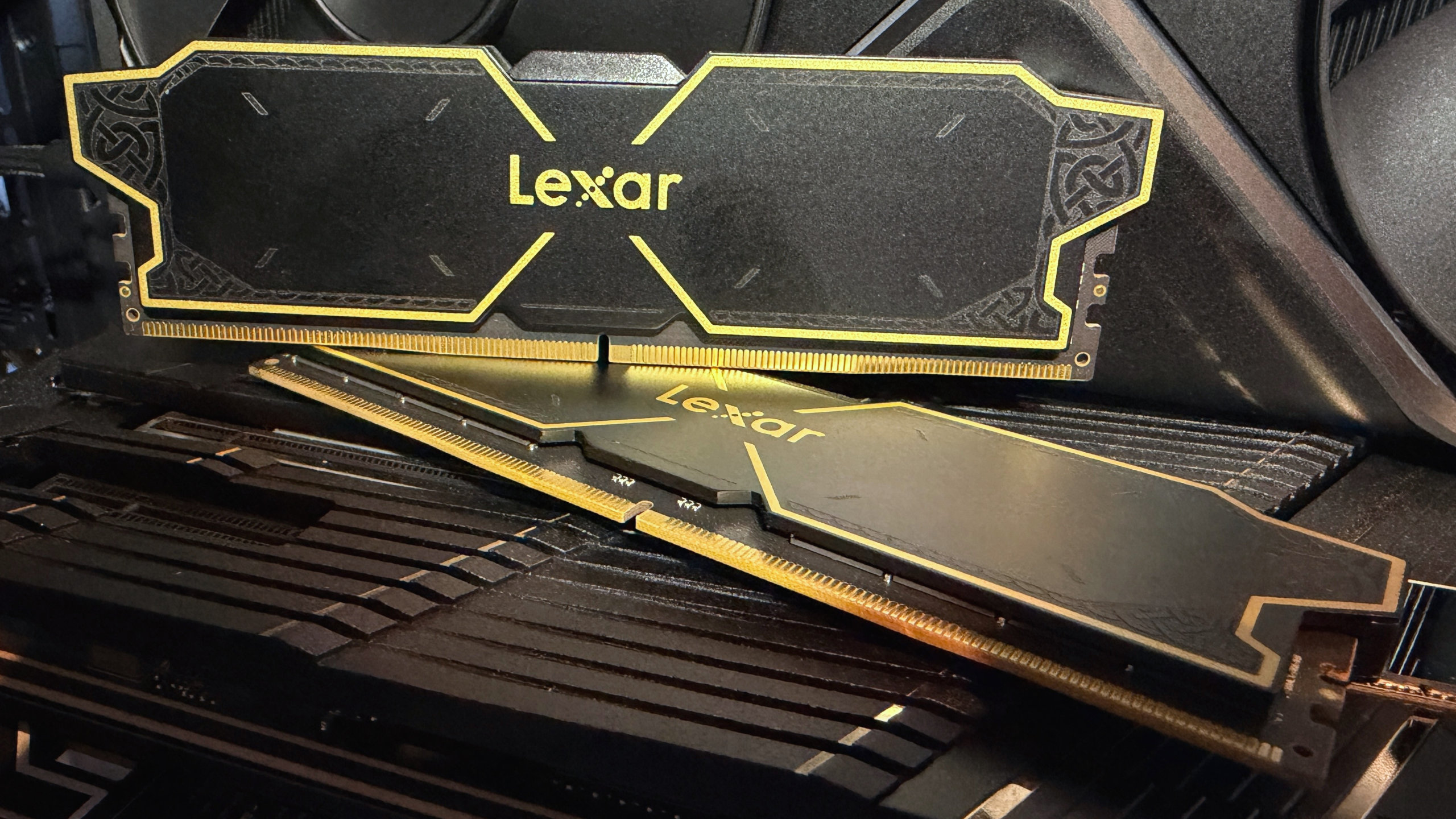
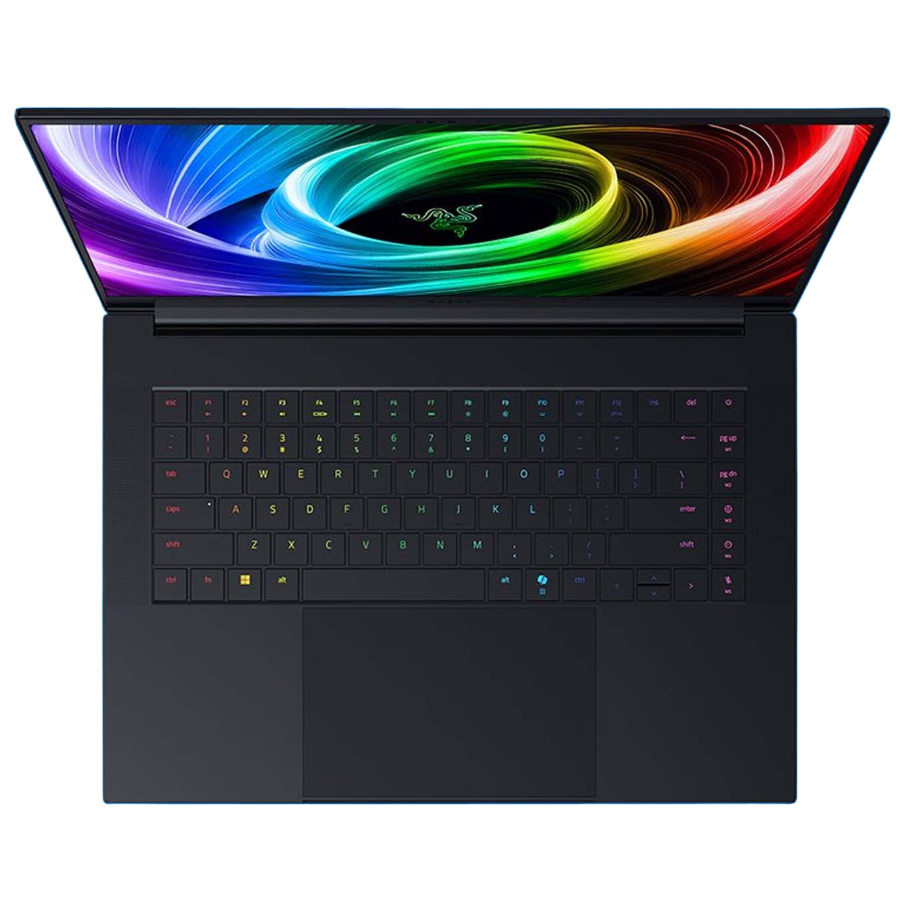
That largely makes sense. If RAM pushes up the price of a mainstream $500 laptop by $100 or $200, that's a huge proportion increase that will likely prevent many purchases from happening. But $200 on top of a $1,500 or $2,000 gaming beast is a much smaller percentage increase.
In any case, we poor gamers are used to dysfunctional pricing when it comes to GPUs, so it's probably easier for us to get our battered heads around the same thing happening to memory. And, equally, we're more keyed into what's going on in the hardware market than mainstream consumers and recognise that this current crisis is not going to resolve any time soon.
Sure, you can wait for memory pricing to normalise before buying your next gaming rig. But you're very possibly signing up for years of sub-optimal gaming in the meantime.






 English (US) ·