It's been a rough few years for Ubisoft. Skull and Bones became a $200 million folly, one of several failed attempts to capitalise on live-service popularity; staff are revolting due to layoffs, studio closures and a mandatory return-to-office command; and after years of trying to curtail the influence of Tencent, the Chinese publisher now controls more than 26% of newly-formed Assassin's Creed subsidiary Vantage Studios.
Alex Hutchinson, who served as Far Cry 4 and Assassin's Creed 3's creative director, before leaving Ubisoft to found Typhoon Studios in 2017, believes the company's fall is down to several factors, which have been hammering the publisher for a while now—it's why he left.
"It's a shame," he tells us. "I think a bunch of things happened. The style of development we pioneered was being able to manage big teams by letting them be individual groups with ownership of their own thing, to allow us to make bigger games faster. But then I think with the recent boom, there's been a weird five year boom in private equity and investment from people which we hadn't seen before ever. So a lot of senior people left Ubisoft and started studios or splintered off. So there was this talent drain that went out."
Hutchinson was among them. He co-founded Typhoon in 2017, which released its first game, Journey to the Savage Planet, in 2020. Unfortunately, Typhoon was acquired by Stadia in 2019, and when Google decided its experiment in cloud gaming had failed, Typhoon was one of its casualties.
With so much talent leaving, Hutchinson reckons, the massive scale of the company "suddenly became a noose". The pandemic only made things worse.
"If you have a team of 800 people," he says, "it's really hard to manage, even if they're in the same building. If they're not coming to work, how do you police them? How do you make sure what's going on is going on? And then juniors don't learn because they like working from home, and they don't like asking questions. So I think they lost that momentum as well."
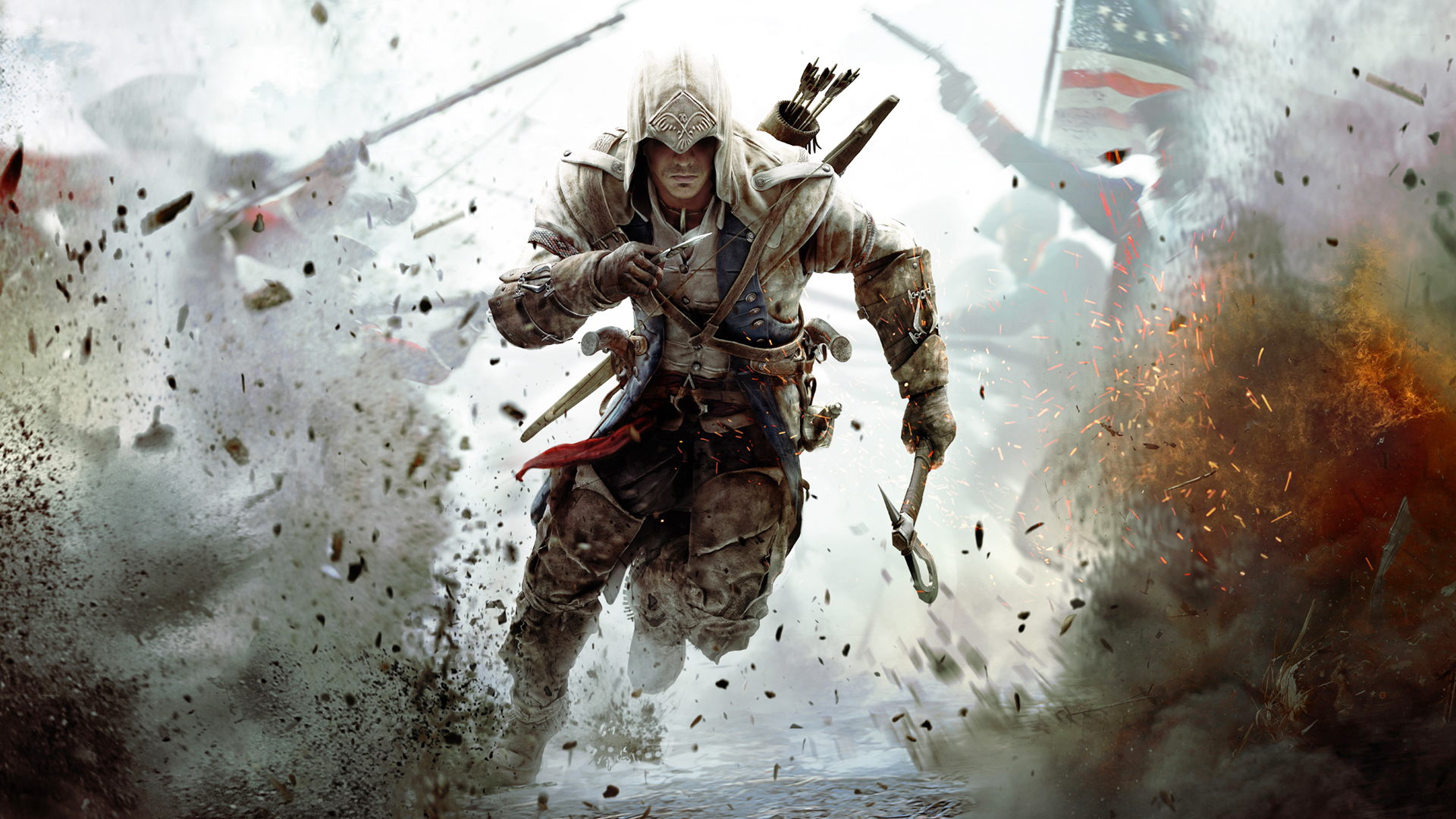
Back when Ubisoft was fighting fit, it released Assassin's Creed, Assassin's Creed 2, Assassin's Creed: Brotherhood, Assassin's Creed: Revelations, Assassin's Creed 3 and Assassin's Creed: Black Flag in a mere six years. But in the last six years, we've just had Valhalla and Shadows. Mirage, too, I guess, but that was originally meant to be Valhalla DLC.
Keep up to date with the most important stories and the best deals, as picked by the PC Gamer team.
Fewer sequels isn't a bad thing, especially if it's accompanied by more fresh ideas and new games. But that hasn't happened at Ubisoft, says Hutchinson.
"They always had a history of sequelizing the franchises, but also having a couple of new things coming along. They became very allergic to the new things, and so they killed a bunch of our ideas, like when I was working on Pioneer. They had nothing new to come through."
Pioneer was going to be a sci-fi romp that deviated from Ubisoft's traditionally more violent open-world outings by focusing on peaceful exploration. It was teased in Watch Dogs 2, but never saw the light of day.
Hutchinson and the other leads were pushed out in 2016 and Ubisoft put the project under new leadership. Shortly after, Hutchinson left Ubisoft, along with other former Pioneer leads. In 2019, after years of Ubisoft staying silent regarding the project, Hutchinson confirmed it had been cancelled.
At the same time, Kotaku reported that it was actually still alive, but that Ubisoft had made another change: now this peaceful exploration game would be a co-op shooter. That's so different from the original vision that it might as well have been canned. And seven years later, it's still just a rumour.
Ubisoft's treatment of Pioneer is the reason Hutchinson left, which allowed him to create his own sci-fi exploration game—albeit with some combat. And even when Typhoon was shuttered when Stadia was killed off, the team reformed under Raccoon Logic, giving us the excellent sequel Revenge of the Savage Planet.
The way Hutchinson frames Ubisoft's troubles makes it sound like death from a thousand cuts. "There's a million tiny things, as well," he says. "They're essentially a packaged goods business, and they had trouble figuring out digital as a whole platform." Just take a look at Ubisoft Connect, formerly Uplay, and its impotent struggle against Steam, where you will once again find all of Ubisoft's games.
And Ubisoft's troubles seem far from over. Only last week it laid off 40 people from its Toronto studio, as part of an ongoing restructuring effort that has included numerous cancellations, studio closures and layoffs.
The human cost of this restructuring effort is grotesque, but one of its goals, the establishing of various creative houses, does sound a bit like an attempt to return to individual studios having ownership of their projects. It's not doing anything for Ubisoft's dire public image, though, and even if we're being optimistic, it's going to be years before gamers actually see the results.

 4 weeks ago
19
4 weeks ago
19





 English (US) ·