
 2 weeks ago
37
2 weeks ago
37

Published Sep 27, 2026, 2:00 PM EDT
'Tayo na!' means a lot of different things in Tagalog, and the animated movie adds an extra spin
 Image: DreamWorks
In the new DreamWorks animated movie Forgotten Island, the two teenage leads, Jo and Raissa, say the same phrase to each other over and over: “Tayo na!” As with a lot of the other Filipino cultural elements in the movie, writer-directors Joel Crawford and Januel P. Mercado don’t explain these Tagalog words: They just let viewers pick up the meaning from context.
But that can be a little difficult when the context changes from scene to scene — and when the phrase itself has a variety of meanings. As Filipinos and Tagalog speakers have been explaining online, “Tayo na!” can colloquially mean “Let’s go!” or “You and me!” or “Get up!” depending on pronunciation, who’s speaking, and whether there’s a romantic, parental, or other context.
Forgotten Island uses the phrase in a lot of different ways as Jo and Raissa, two childhood friends confronting hidden tensions and big changes in their relationship, either urge each other into adventure or rev each other up in the face of danger. The first time Jo says it, when she first meets Raissa, she actually says, "Let's go! Tayo na!" It seems very casual at first, but throughout the movie, it takes on new weight and bigger meanings.
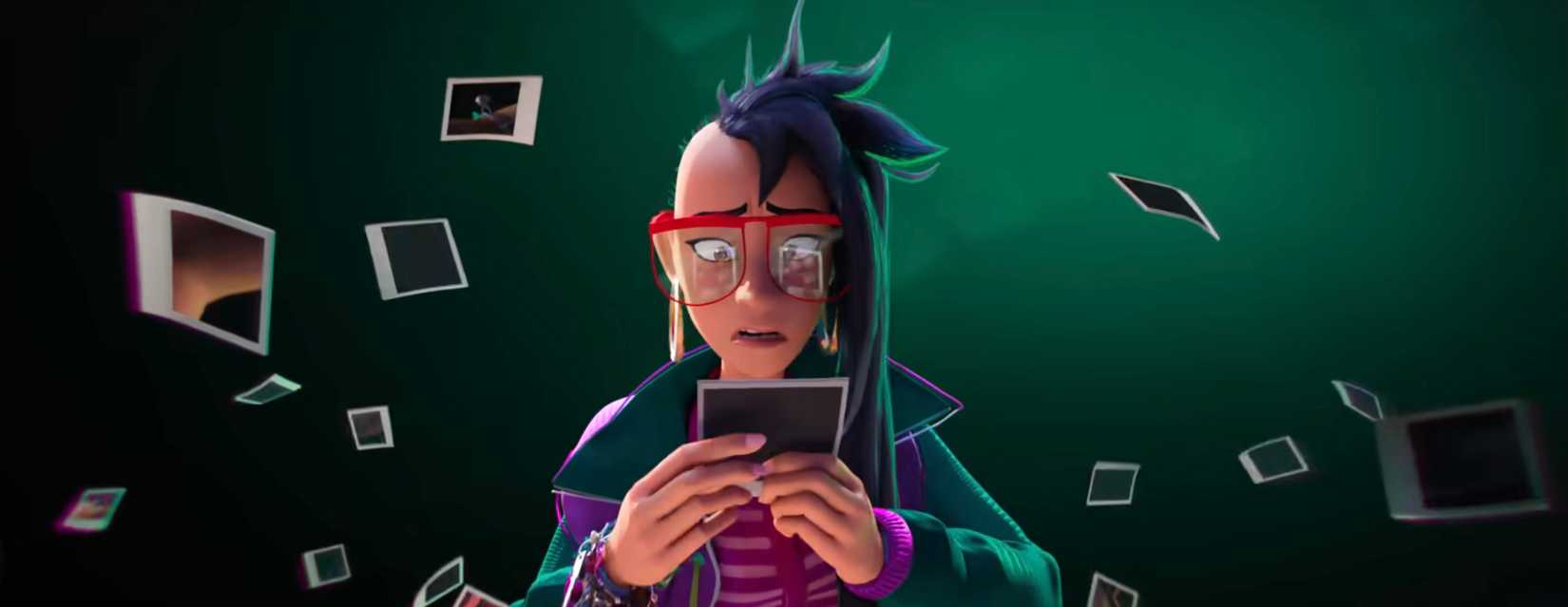 Image: DreamWorks
The characters’ voice actors, Liza Soberano (Raissa) and singer-songwriter H.E.R. (Jo), tell Polygon that their own Filipino roots played into how they interpreted the phrase from scene to scene.
“We grew up saying that,” H.E.R. explains. “I think about my mom [saying it while] rushing me in the morning to get to school. But for us, it became like, our phrase. To say like, ‘Hey, come on, you. You've gotta join me. Let's go."
“I grew up hearing my grandma say it a lot,” Soberano chimes in. “It's actually a very formal way of saying ‘Let's go.’ ‘Tayo na,’ more than anything, means ‘I'm not doing this without you.’”
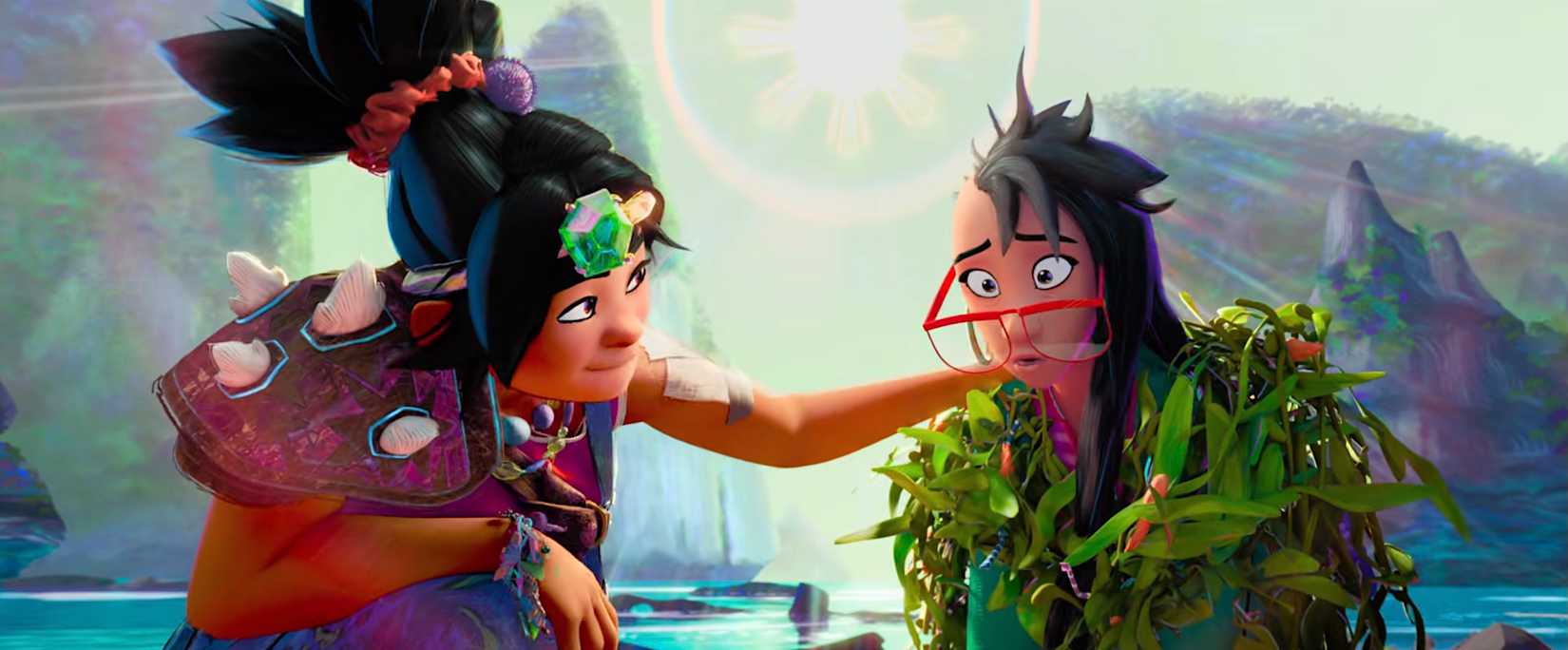 Image: DreamWorks
In the film, Jo and Raissa are about to be parted as Raissa leaves the country to go to college. Her impending departure leaves Jo feeling hurt, rejected, and frightened about a future without her best friend. When a portal opens to the magical island of Nakali — a place the two girls have been seeking for their entire childhoods, spurred on by stories from Jo’s grandmother — Raissa balks at stepping into the unknown. But Jo has their catchphrase ready. Throughout the film, both girls use it to compel each other to take steps they might otherwise balk at. It becomes a code, like “Oklahoma” in Ted Lasso or “Grapefruit” in the horror movie Bring Her Back. In both those stories, characters use those agreed-upon words to demand the truth instead of a comforting lie. “Tayo na” is like an equivalent that demands action and commitment.
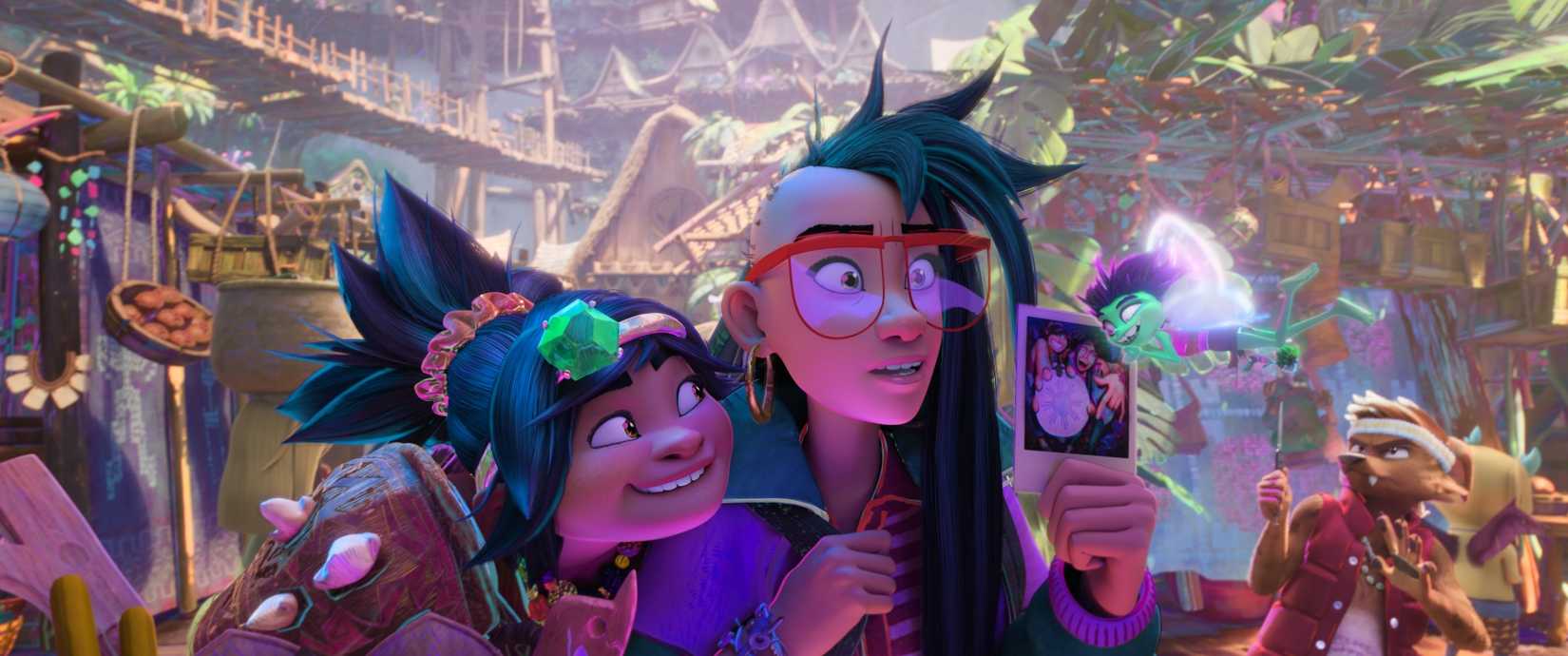 Image: DreamWorks
“Once I say ‘tayo na,’ she knows I'm serious,” H.E.R. says. “You can't back down from a ‘tayo na.’ It's almost like an initiation. Like ‘If I say tayo na, you can't say no.’ It's our promise with each other.”
“We both kind of treat it that way,” Soberano adds. “It's our safe word that we have for each other. You know it's serious, you know it's game time when we say this. You don’t have a choice. It's like the best-friend card.”
Both actors say their Filipino heritage helped them with the nuances of the lines and their characters’ relationship. It also gave them a chance to contribute to the script in small ways. H.E.R. is particularly proud of contributing a jokey little diss where Jo mocks a longstanding bully by calling his beloved car a “cheapney,” in “a nod to the Filipino jeepney that's all over Manila.”
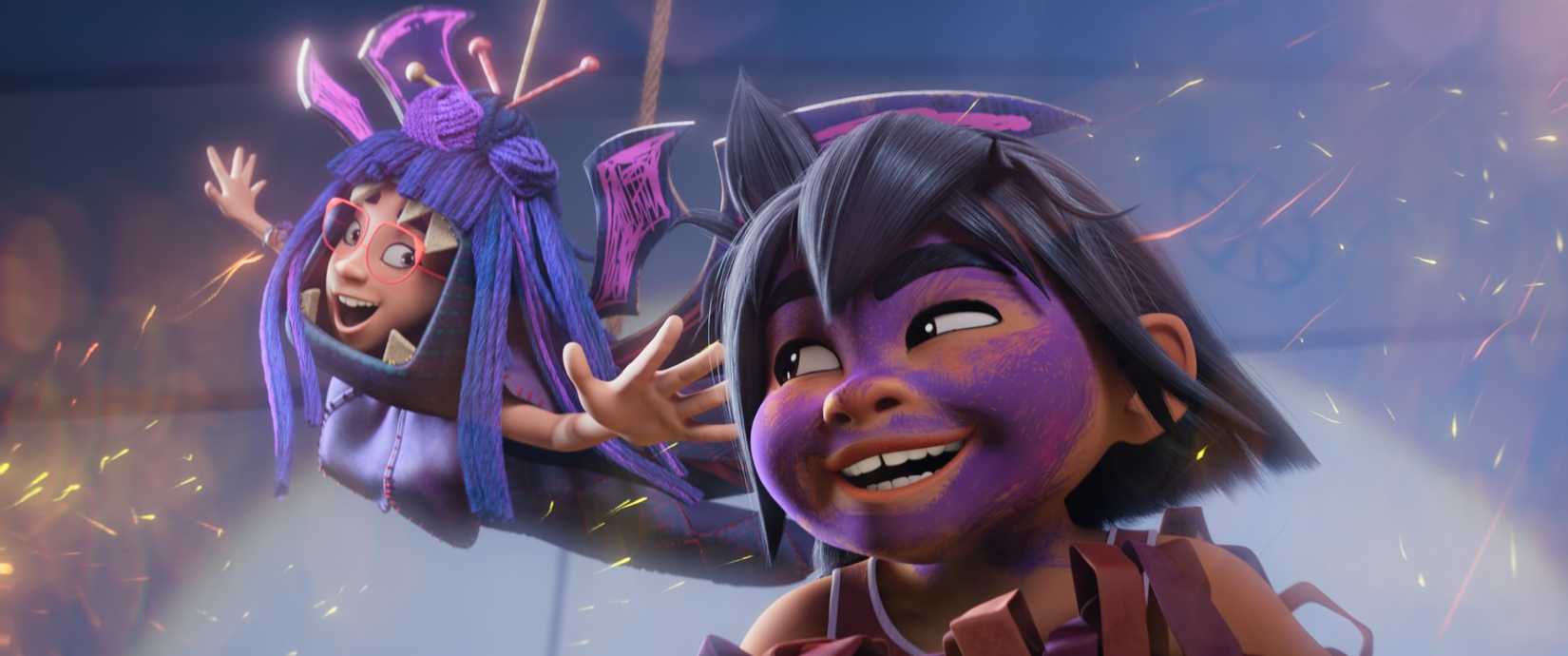 Image: DreamWorks
“It was so much fun,” she says. “I just loved how much we were able to be so ourselves. Even though we might have been nervous at times, or shy, or whatever, it just was so organic, especially because we're both Filipino. We've been talking so much about how when you meet another Filipino, immediately you're like family. […] You relate to each other, and it's like a safe space. We experienced that recording together.”
Forgotten Island is in theaters now.



 English (US) ·