
The winners at the Sony World Photography Awards 2026 have been revealed, and once again the prestigious contest, which this year attracted 430,000 entries from over 200 countries and territories, was packed with incredible photography and stories.
I was fortunate to get a sneak preview of the exhibition — which is open to the public at Somerset House in London until May 4, 2026 — and its 300 plus works, to hear from the 10 category winners and attend the glitzy award ceremony. And best of all, I had the opportunity to sit down with the Wildlife category winner Will Burrard-Lucas to discuss his 'Crossing Point' series created in Kenya's Masai Mara national park.
Article continues below
'For nocturnal creatures, there's nothing better than camera traps'
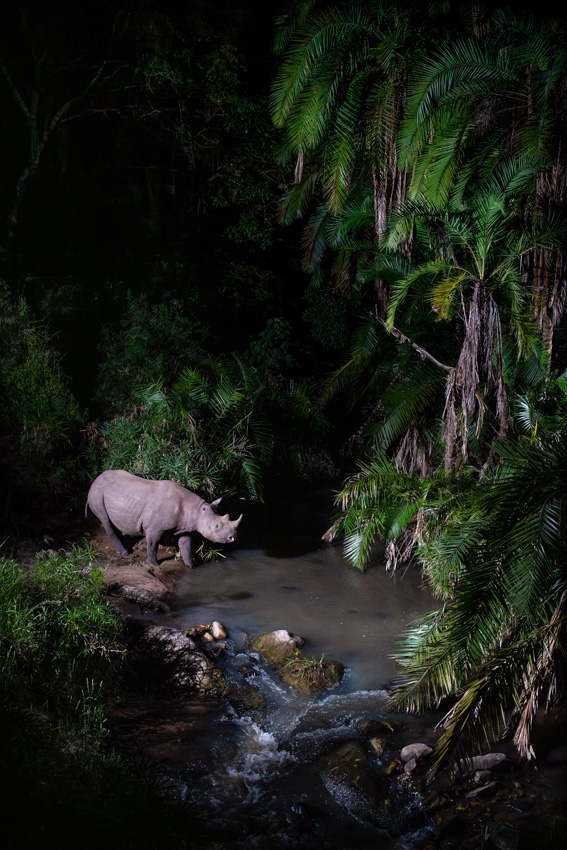
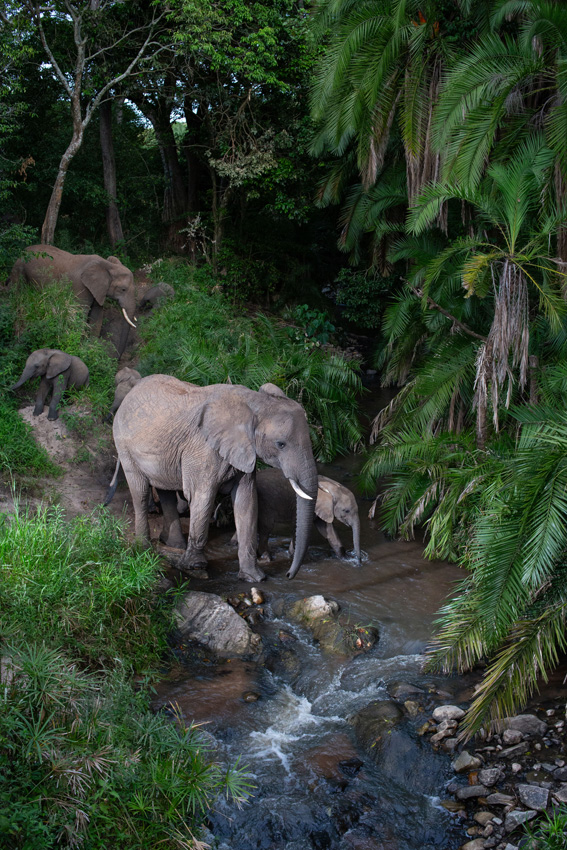
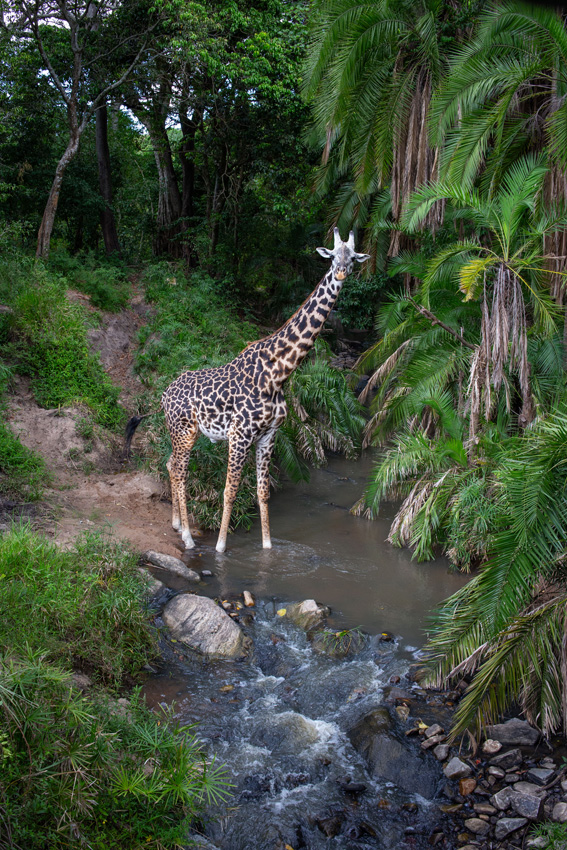
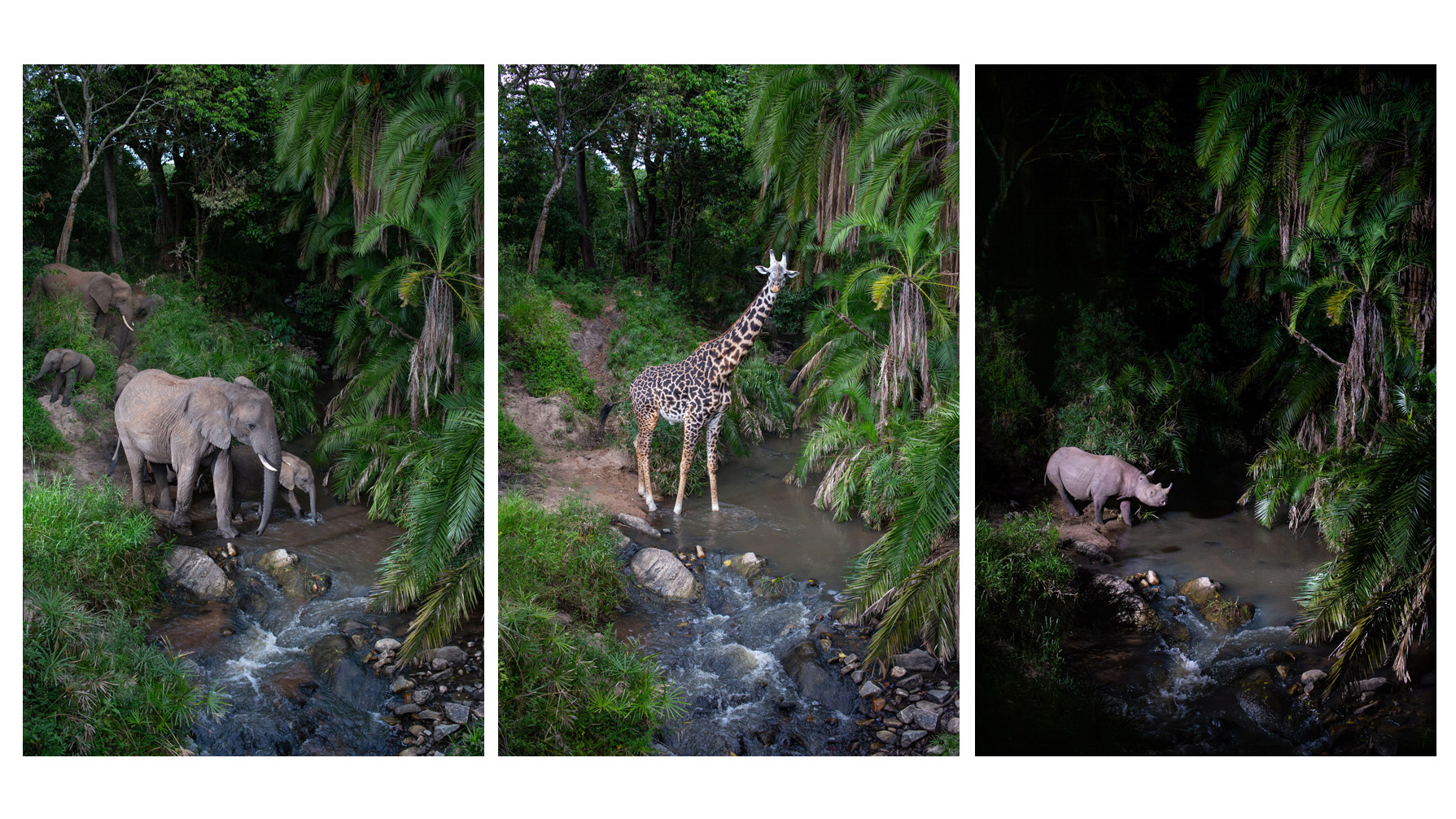
Will Burrard-Lucas' wildlife photography is captured using a variety of setups, from daytime shoots with Sony mirrorless camera gear in hand, to camera traps paired with 'old secondhand DSLRs' and left in place for long periods — the latter was his approach to the 'Crossing Point' project.
Low-cost trail cams are ideal for recording wildlife, but the image quality is typically poor and not detailed enough to distinguish specific animals. Burrard-Lucas, on the other hand, uses top-quality camera gear, paired with his self-developed camera trap system.
Burrard-Lucas' camera traps are his own 'Camtraptions' devices, and are based on a highly advanced motion sensor — the latest version being the culmination of years of development — which works with a number of leading digital cameras for wired or wireless operation.
For this project, Burrard-Lucas wirelessly paired the motion sensor with a full-frame Canon EOS 6D DSLR camera (fitted with a 35mm lens), which in turn remotely triggered three off-camera flashguns. As he tells me, "Any old DSLR camera works really well in the camera trap setup — it [the camera] needs to work well with flash, which is where a lot of mirrorless cameras fall down."
He had access to closed-off areas of the national park where there are a concentration of particularly rare wildlife species, including rhino — which are notoriously shy. A brook surrounded by lush vegetation was the stage for the vital project, an unusual setting for a park typically known for its wide open plains. "The moment I saw it, I knew it was the right place," Burrard-Lucas says.
The camera was fixed to a tripod and protected from the elements and was left in place for more than six months; the composition that you see was decided at the very beginning with multiple considerations. The motion sensor is positioned to trigger the camera when the animal steps into the specific part of the frame, and the camera's focus is manually set to that spot, with off-camera lighting ready to illuminate it in low light.
With such a project, Burrard-Lucas doesn't need the latest camera gear with blazing fast shooting speeds and AI subject detection autofocus. No, he needs 'reliable' and 'robust' gear with excellent image quality, and also that's affordable given the number of camera traps he sets up and the environments he works in. Whenever he sees cheap "old secondhand DSLRs, I snap them up," he tells me.
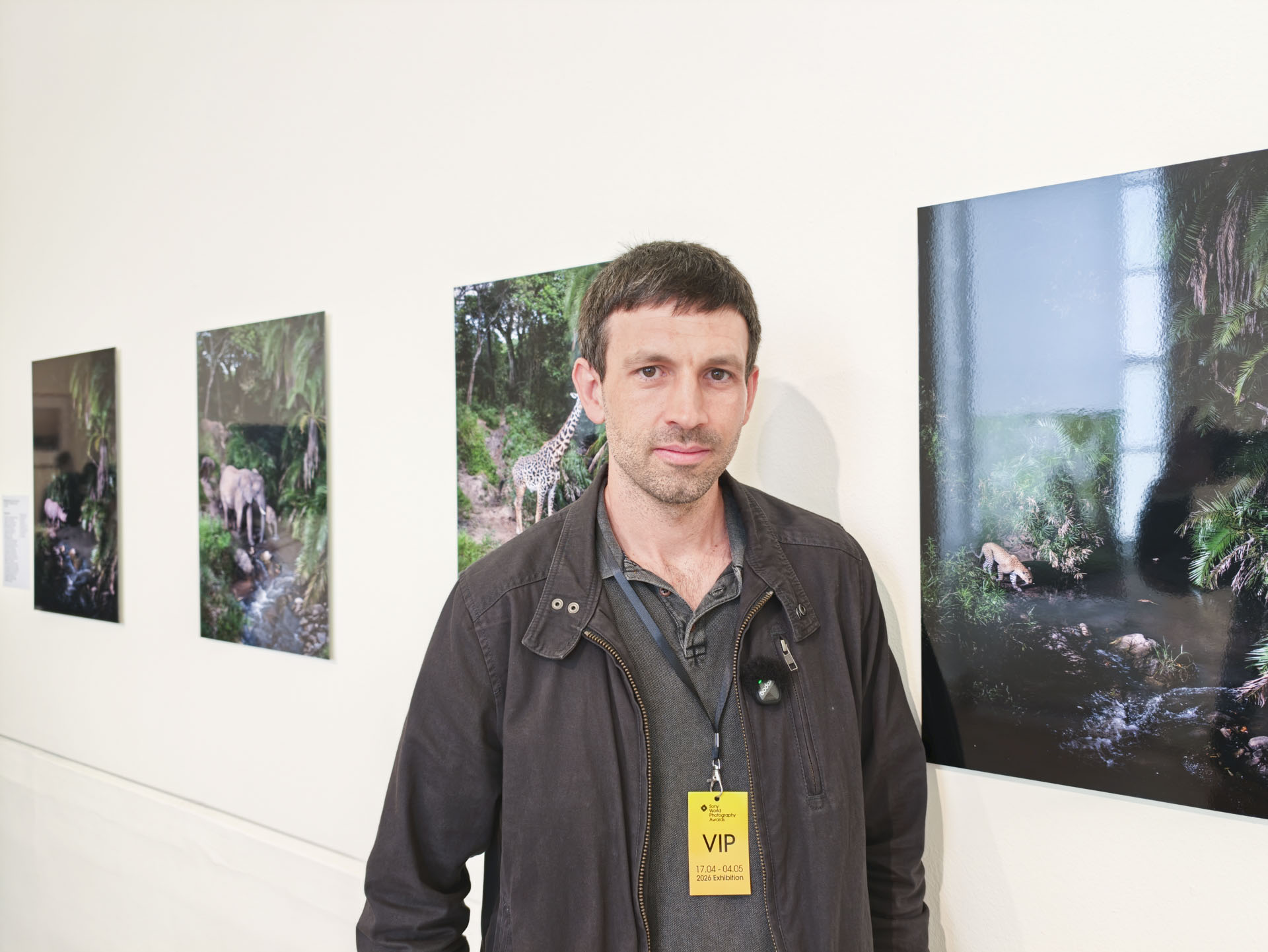
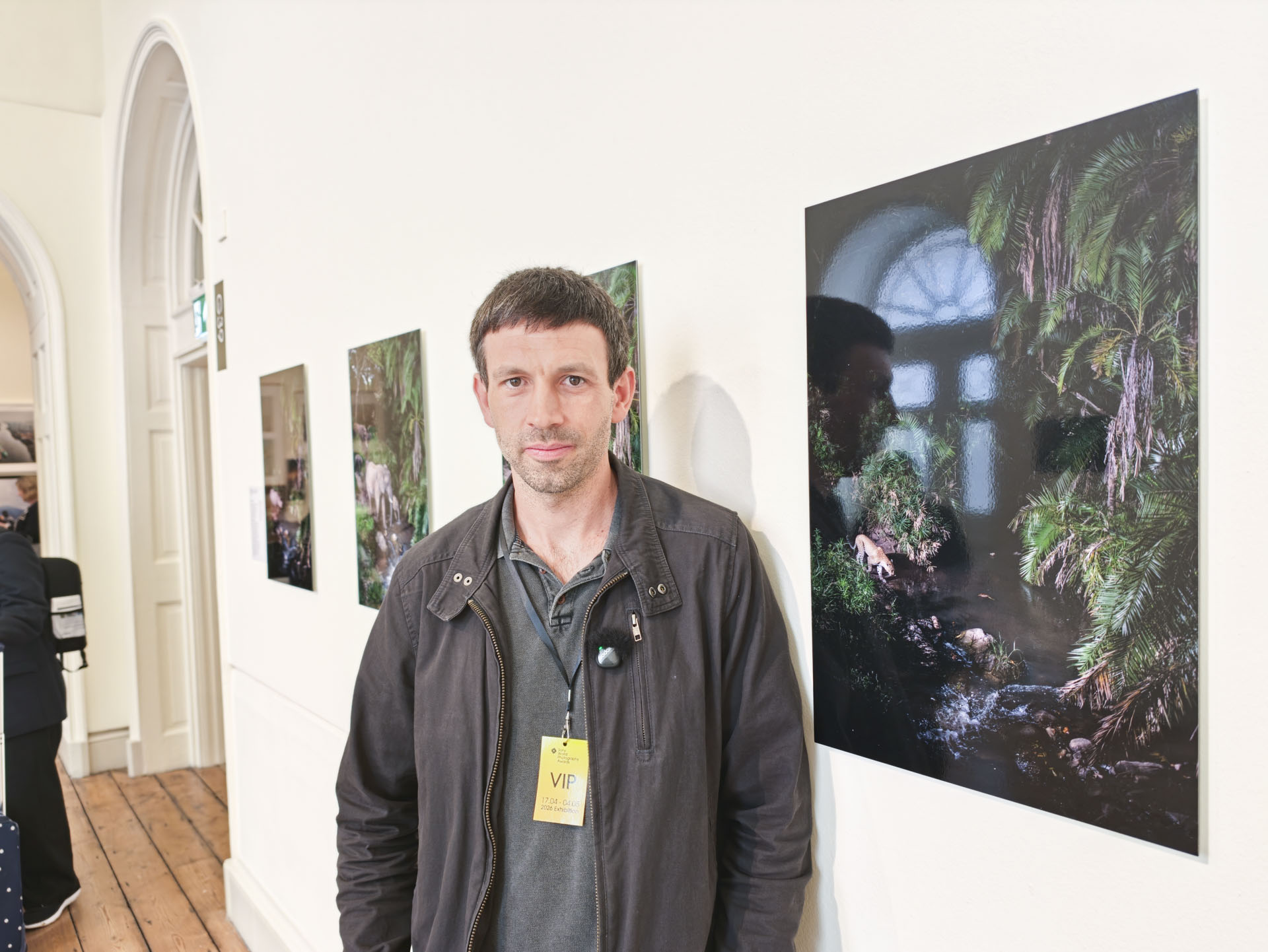
Many of the species that the park was particularly keen to get more data on are shy, nocturnal creatures, especially rhino. As such, lighting is key, and there are three flashguns positioned to illuminated the subject and immediate surrounding vegetation.
With the setup in place, Burrard-Lucas had trained the rangers to make a weekly check on the gear, change batteries and download the pictures from the camera's memory card, fresh for another week of motion-triggered capture.
The rangers believed a single rhino to be resident in the area, but over following months were surprised to identify eight different beasts. Yet it was another discovery that left them 'stunned' — when a kudu entered the brook one day. Kudu can be found in other parts of Kenya, but until these unique nighttime photos revealed their presence they had not been thought to live in the Masai Mara national park.
For photographing nocturnal creatures, there's nothing better than camera traps
Will Burrard-Lucas"You can never predict what's going to show up," says Burrard-Lucas, but over the course of six months his camera photographed a wide range of wildlife, from rhino to leopard, elephant, giraffe, the surprise kudu and many more.
For me, the thrill of photography is being there and experiencing what I'm photographing in the moment, so I was keen to hear how this alternative approach of setting the stage ahead of time for remote capture differed to when he's out with the camera in hand, reacting to what he's seeing before him.
"They both have their place for different species and different projects", says Burrard-Lucas, "but for me, for nocturnal creatures, there's nothing better than camera traps, because really it comes down to lighting.
"For these elusive animals, a photographer could wait 12 hours, but you can't wait four months, so it's the only practical way when you've got this defined focal point." For other creatures that don't stick to trails or are typically out in wide open savannahs, a camera trap is much less helpful.
I ask Burrard-Lucas about camera trap photography for beginners, and he tells me, "It's super easy, and so many people are making new use of their old DSLR camera. You don't need a lot of additional kit; the sensor, a single flash to start with, keep things simple and leave it out for a few nights."
I might just try this camera trap setup for myself; Burrard-Lucas sells every item needed for it barring the camera on his Camtraptions website, which also provides an in-depth how-to. Whether I can photograph anything as exciting as a rhino is a different matter, of course — but you have to start somewhere.

Follow TechRadar on Google News and add us as a preferred source to get our expert news, reviews, and opinion in your feeds.






 English (US) ·