
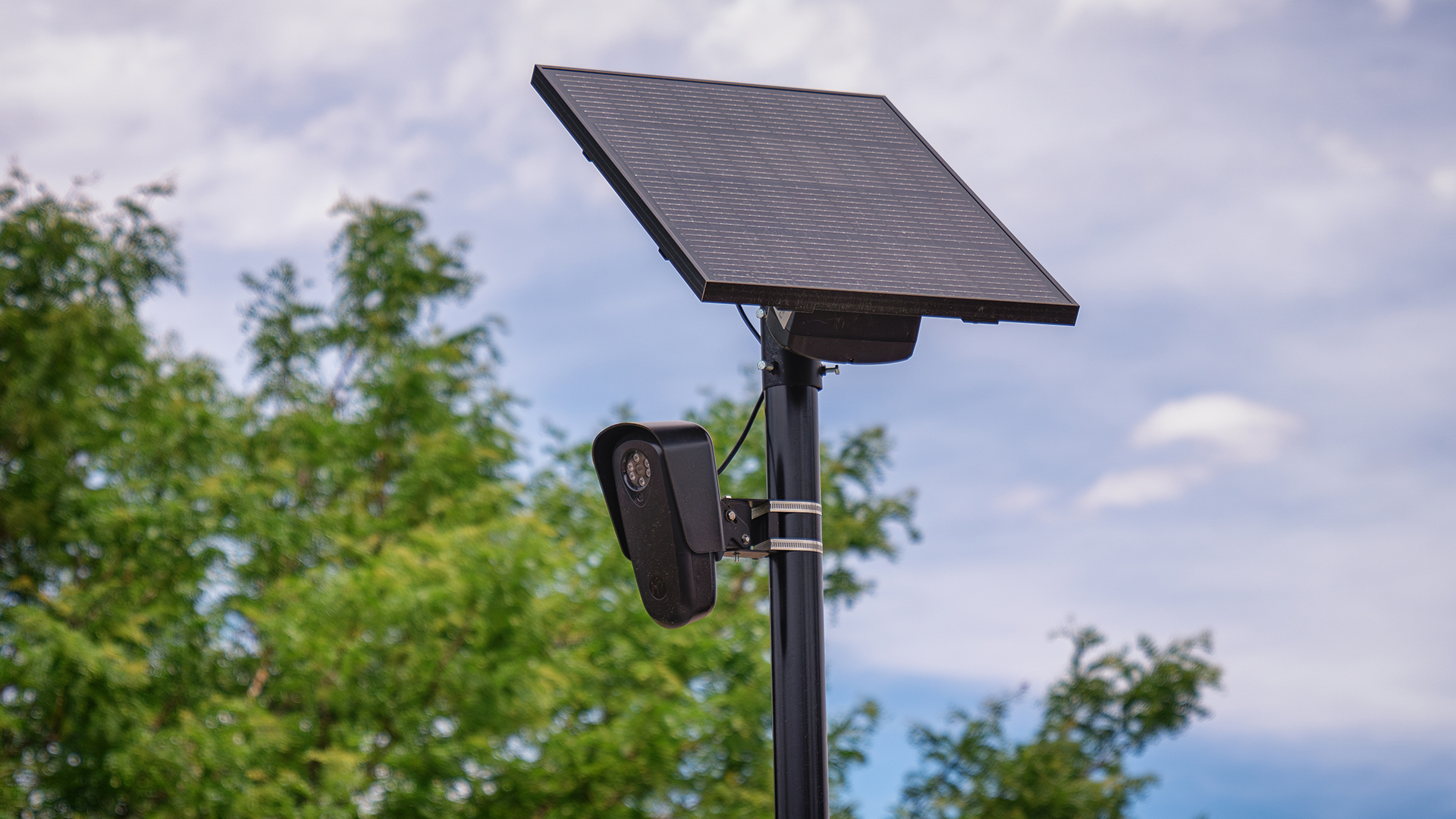
- Part of Flock's software interface has been made public
- There are various AI-powered search tools available to police officers
- The system includes warnings about potential mistakes
Flock is battling a growing backlash against its network of license plate readers and cameras — with some 120,000 or so installed across the US — amid questions over how the technology can be misused and the privacy implications for citizens.
Now reporters at Wired have managed to reverse engineer part of the Flock software interface based on the code that's delivered to police officers in a browser, giving the public an unprecedented insight into how this system actually works.
There are search tools for vehicle types, colors, and features for example, and a 'free form' query option that can look for pretty much anything passing through the video frame — although this needs a full video camera, not a license plate reader.
Wired also found an "AI-powered watch list" tool, where part of a city can be marked for continuous surveillance via video camera until a person fitting a specific description is spotted. This could be something as simple as "person wearing scrubs" for example.
'You are responsible'
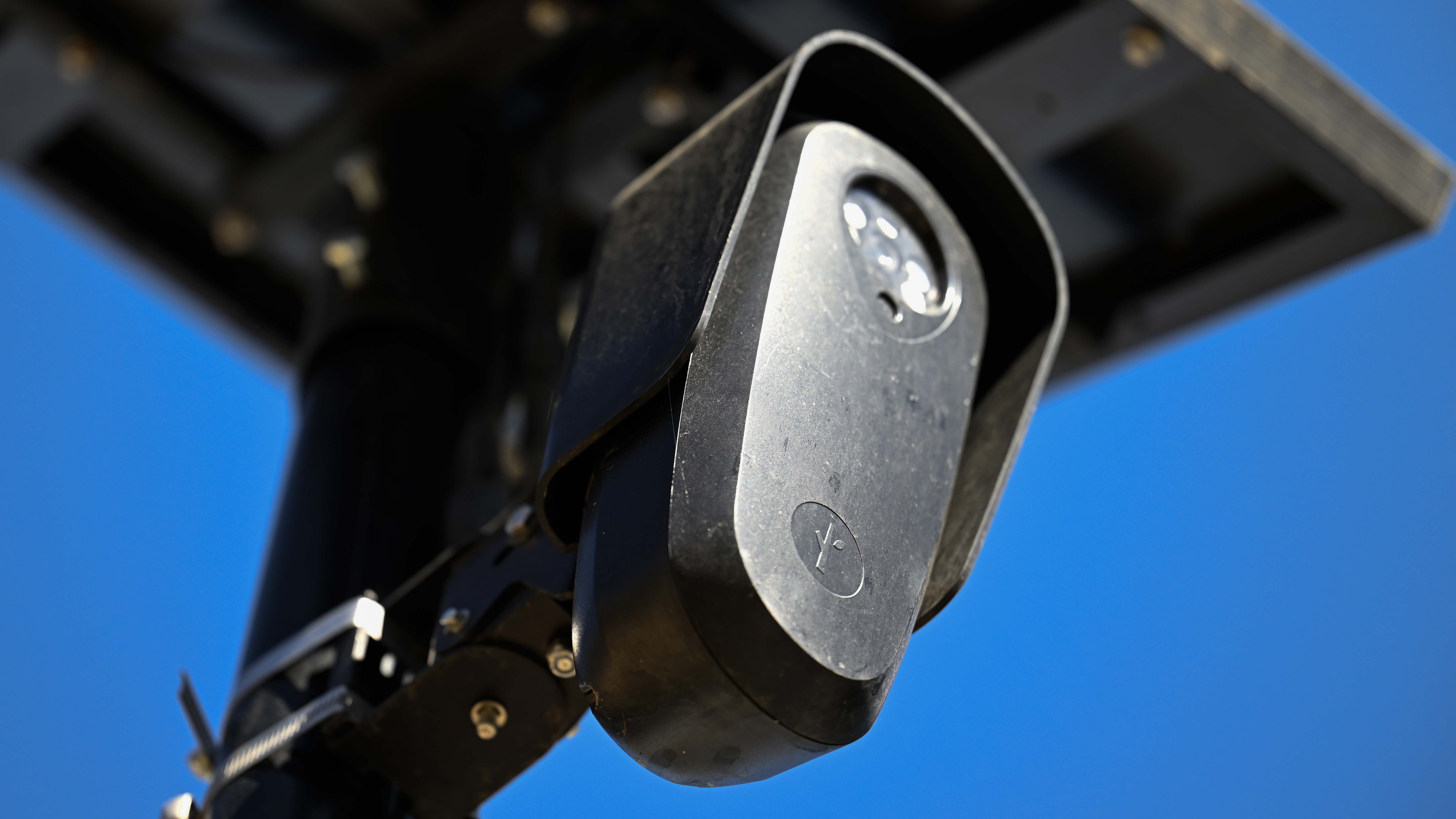
While there are warnings on the Flock software that AI can make mistakes, much as there are at the bottom of Gemini and ChatGPT conversations, there's no real way of spotting inaccurate information or judging how inaccurate it might be.
Officers do have the option rank search results based on how relevant and accurate they are, feedback data which is then used to refine the results page further. Meanwhile, there are blocks on some search terms, including those related to race, ethnicity, and religion.
"You are responsible for your searches and agree not to use the tool in illegal, harmful, or abusive ways," runs the agreement screen that appears before the Flock software is accessed. "All queries and metadata are recorded for security and auditing purposes."
Flock has been responding to concerns over the misuse of its network — by limiting the time data is held on file for, for example. However, it has more to do to convince both state authorities and the public that its systems are only deployed for legitimate uses.

Follow TechRadar on Google News and add us as a preferred source to get our expert news, reviews, and opinion in your feeds.








 English (US) ·