Fire Emblem: Fortune’s Weave Basically Has the Same Plot As Twisted Metal
3 weeks ago
32
Published Sep 23, 2026, 2:00 PM EDT
Giovanni Colantonio is a video game journalist who has covered the industry for two decades. He was formerly a senior editor at Digital Trends and has contributed to publications like Inverse, Fanbyte, and Hard Drive. His specialty is criticism, as he’s focused on a modern approach to video game reviews that’s focused on the nuances of how interactivity communicates to players. He is currently a member of the New York Video Game Critics Circle.
Like a lot of Nintendo Switch 2 owners right now, I’m deep in the trenches with Fire Emblem: Fortune’s Weave. The tactical battles are rock solid, and I’m enjoying my weekly dose of Perfect Bird Time, but it’s the story that’s really driven me to sink 30 hours in so far. I’ve already cleared Theodora’s Act 1 path, and now I’m working on Dietrich’s story, which is so immediately and gloriously unhinged that I need to see more. I will guide all of these freaks through the Heroic Games even if it takes me a very, very long time.
While I work through all that, allow me to expel one lingering thought out of my mind: Fortune’s Weave basically has the same plot as Twisted Metal, right?
Hear me out. Sure, at a surface glance, that’s pure word salad. Fortune’s Weave is a grand fantasy epic about four historical heroes coming together to save an empire from total annihilation. Twisted Metal, Sony’s series of vehicular combat games, is about a dude in a pink low-rider blowing up cars with hood-mounted machine guns (among other things). Not a lot of crossover there, and yet!
The big picture story in Fortune’s Weave begins at the Heroic Games. It’s a gladiatorial tournament in which fighters from across the Dagdan Empire are summoned to Dagsion’s Grand Arena by Solel, the Divine Sovereign. Each competitor’s goal is to lead a squad to victory over multiple rounds of combat, and sometimes magical basketball. The grand prize? The winning hero becomes a Flame Lord and has one of their wishes granted by the Divine Sovereign. Cai intends to use his wish to release his father from imprisonment. Theodora is focused on changing her kingdom. Leda’s looking for revenge. Dietrich wants to …. Honestly, I think he mostly just wants an excuse to kill people.
Image: Intelligent Systems/Nintendo
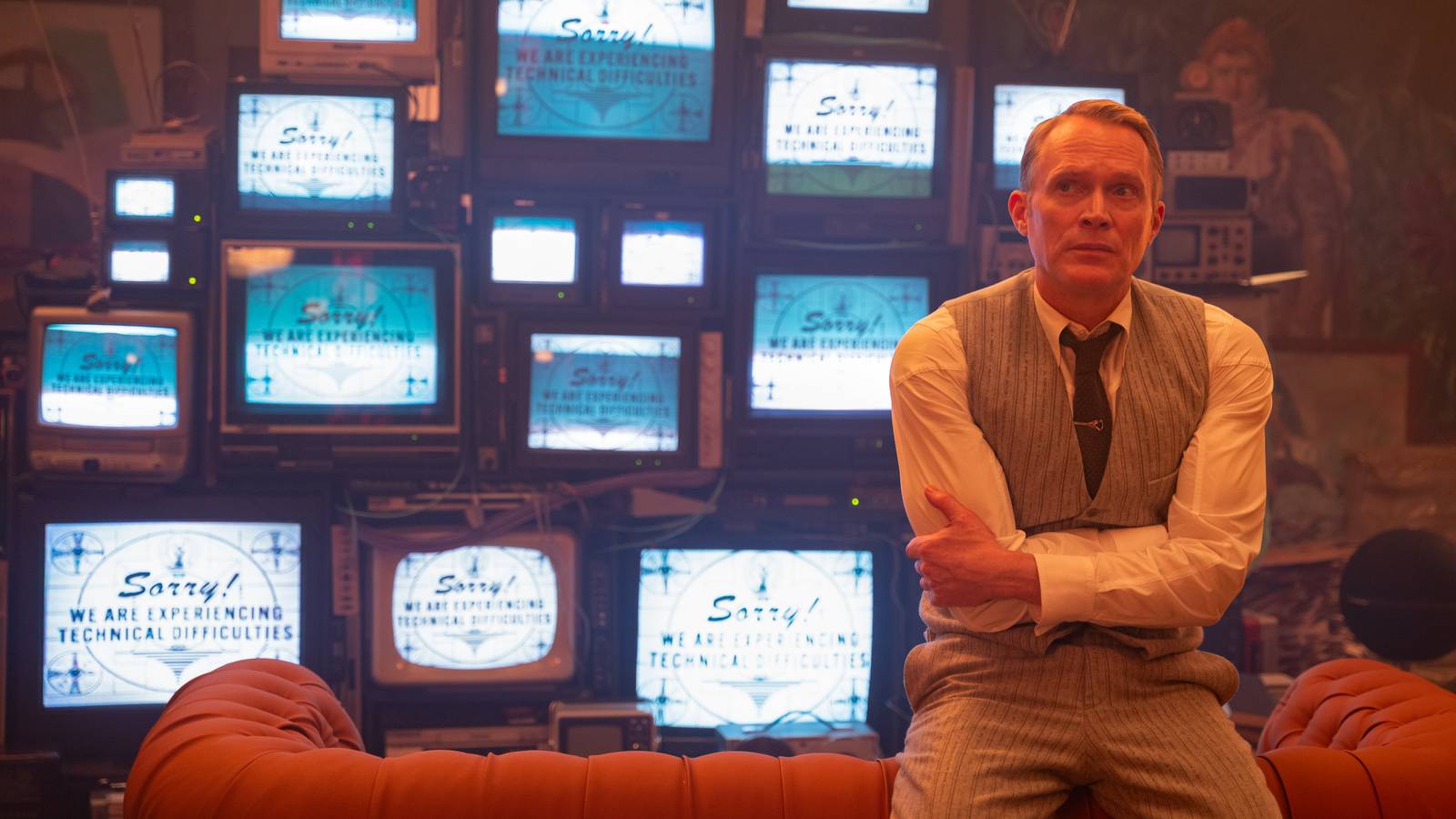
Now, I present you with the premise of Twisted Metal. Set in Los Angeles (the Dagsion of California), drivers from around the city are summoned to compete in the titular Twisted Metal tournament. It’s a violent test of skill organized by the seemingly all-powerful Calypso, and it has the same prize as the Heroic Games: the winner gets a wish granted. Charlie Kane wants to find out if his son is still alive. Bruce Cochrane is focused on changing his neighborhood. Needles Kane wants to …. Honestly, I think he mostly just wants an excuse to kill people.
Okay, it’s not exactly a 1:1 comparison. The twist of Twisted Metal, as developed in later games, is that Calypso is kind of a prankster. Getting your wish granted by him usually results in a Twilight Zone-esque conclusion that rarely works out the way the driver wants. It’s kind of a moral tale about how killing people with a flamethrower is bad, actually. The Heroic Games’ wish-fulfillment is more legitimate, with seemingly no strings attached for the winning Flame Lord. But is it entirely clean as an institution? Well, you’ll have to stick with the story to find out.
Free sign-up
Get Polygon’s Wishlister newsletter
A weekly cheat sheet to what you’ll eventually love to play. No buying, no
commitment — just saving for later.
I don’t mean to cast any shade on Fortune’s Weave here, to be clear. It’s a strong premise for a story that’s trying to juggle multiple main characters at once. A high-stakes tournament with a wish at the end creates a strong reason for characters to compete, and makes every battle that much more tense. It’s also the kind of story that feels classical in nature, as if pulled out of Greek mythology and readapted over eras. The comparison is a little silly, but it does create a legitimate throughline between two very different kinds of games that I keep coming back to. The history and spirit of gladiatorial combat lives on — in tactical battles and demolition derbies. Our ancestors would be …. Pretty confused honestly, but maybe proud in some weird way.

 3 weeks ago
32
3 weeks ago
32

 Image: Intelligent Systems/Nintendo
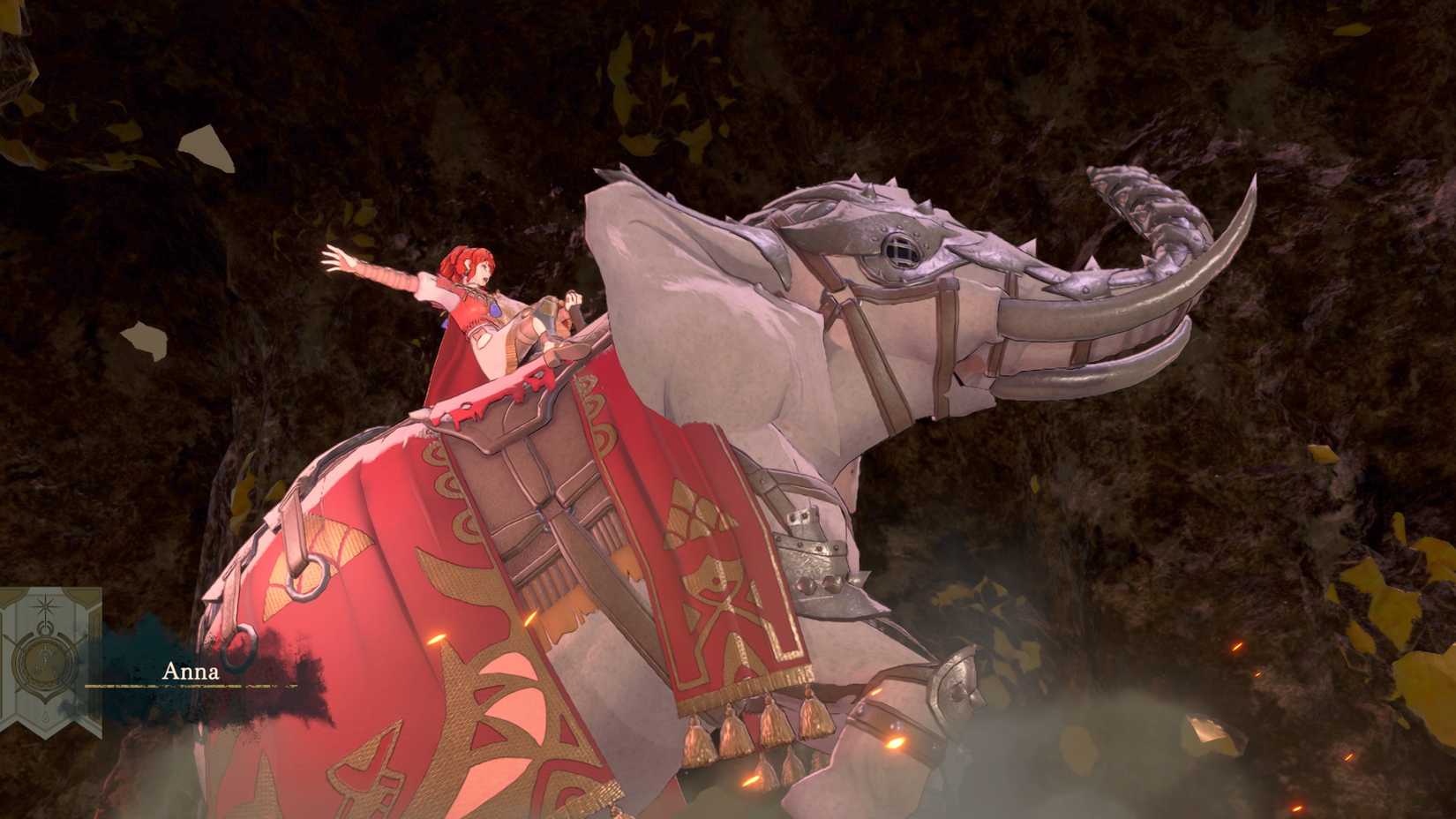 Image: Intelligent Systems/Nintendo




 English (US) ·