
 3 hours ago
8
3 hours ago
8
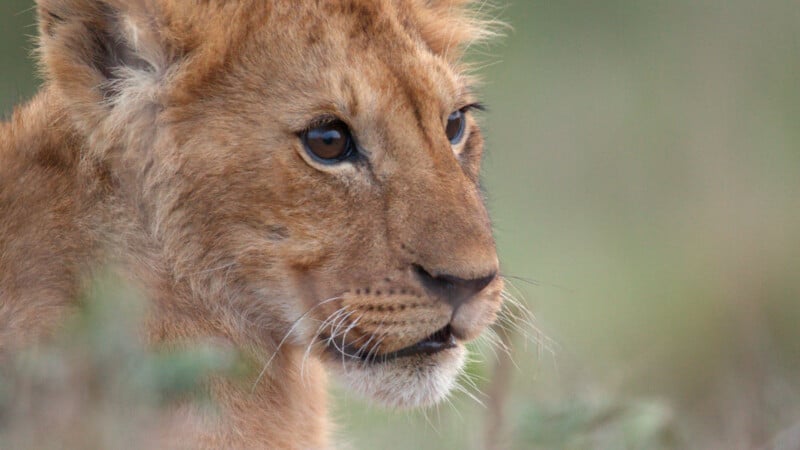 Kio looks into the distance. (National Geographic/Sophie Darlington)
National Geographic’s latest documentary series, Lion, directed by Jon Favreau, premieres this week. It follows a lion cub for four years on his journey to become a leader.
Lion features incredible cinematography by local Kenyan talent, including aerial cinematographer Anthony Njuguna. PetaPixel spoke with Njuguna about his camera work on the series and how he uses his drone to tell powerful nature stories.
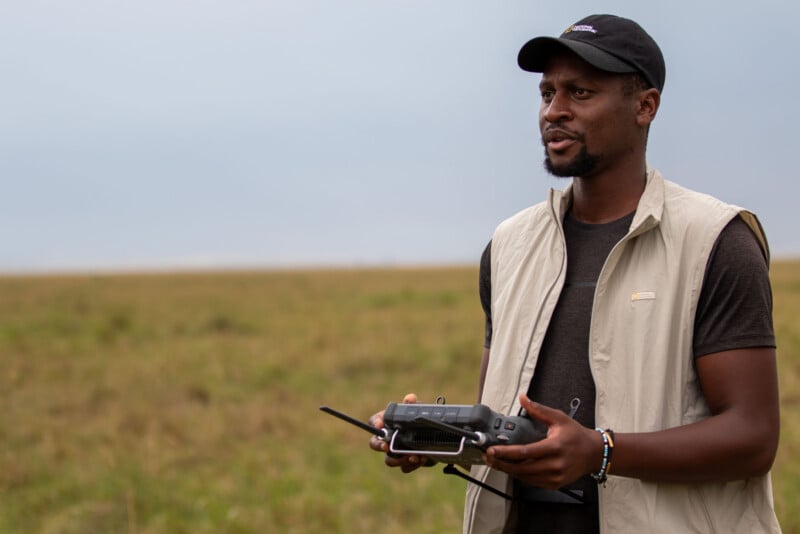 Drone Pilot Anthony Njuguna operates the drone, capturing aerial footage of Summer’s Pride in action. (National Geographic/Joe Treddenick)
As Njuguna tells PetaPixel, he uses his DJI Inspire drone for much more than the typical top-down aerial shot.
“There are quite a lot of hidden drone shots in the series that I’m not too sure most people would pick up on,” Njuguna explains. “There were some low shots.”
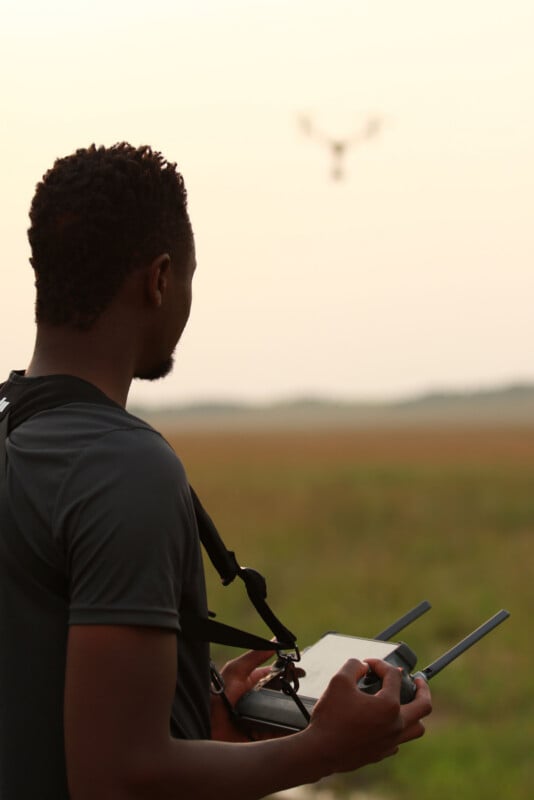 Behind-the-scenes as Anthony Njuguna operates the drone. (National Geographic/Joe Treddenick)
The talented cinematographer explains that with advancements in drone technology, both in terms of the cameras and how stable they are in the air, it’s possible to get extremely cinematic and interesting shots with a drone, even when flying close to the ground.
A drone can move faster and into areas a camera operator cannot, which is especially true when filming wildlife like lions.
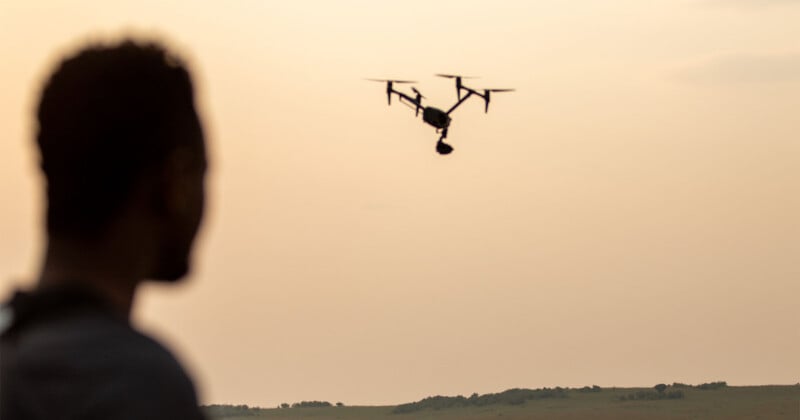 Behind-the-scenes as Anthony Njuguna flies a drone while filming. (National Geographic/Joe Treddenick)
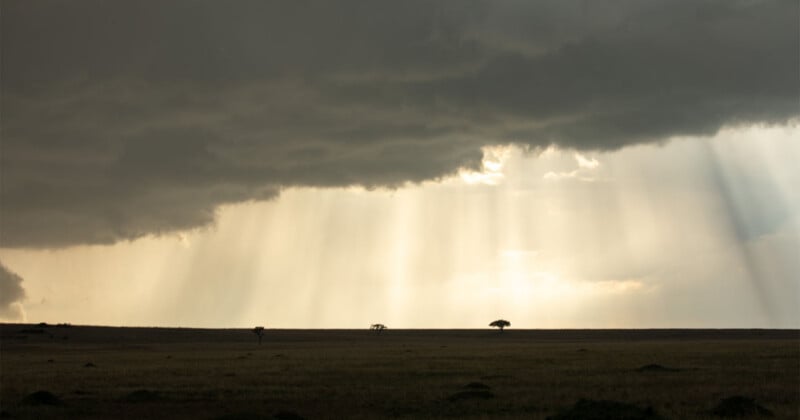 A massive storm cloud covers half the sky over the grasslands of Maasai Mara, Kenya. (National Geographic/Joe Treddenick)
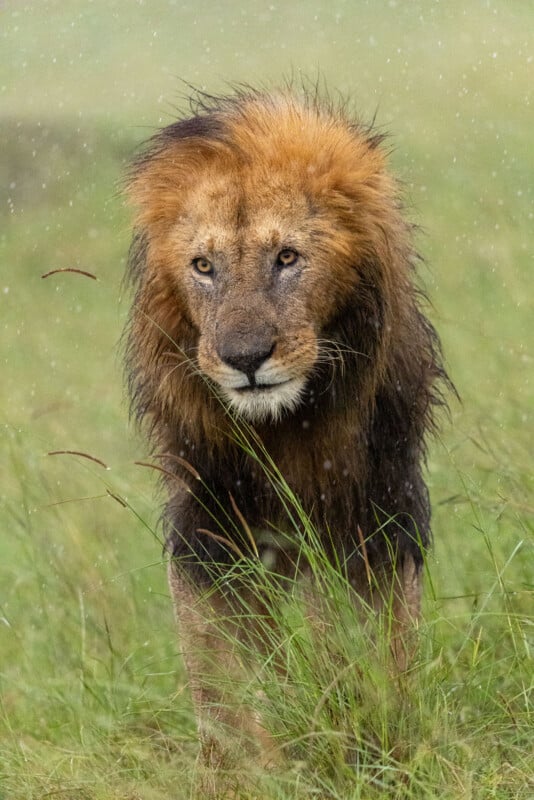 Osapuk, one of the pride males, looks directly at the camera as he dries off after a wet downpour. (National Geographic/Simon Blakeney)
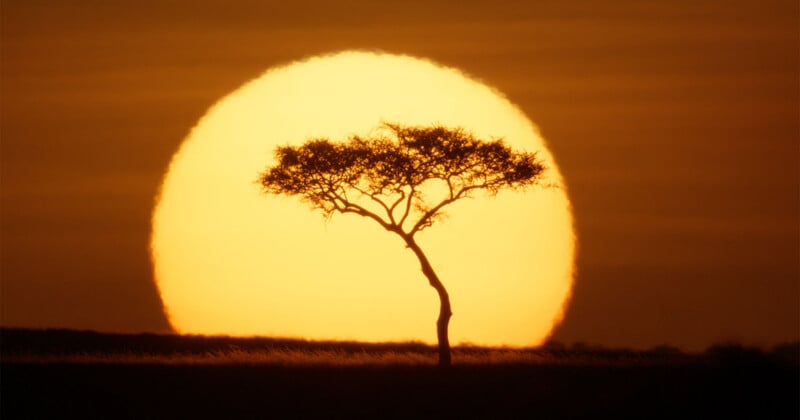 A lone tree is silhouetted against the rising sun in Maasai Mara, Kenya. (National Geographic/Sophie Darlington)
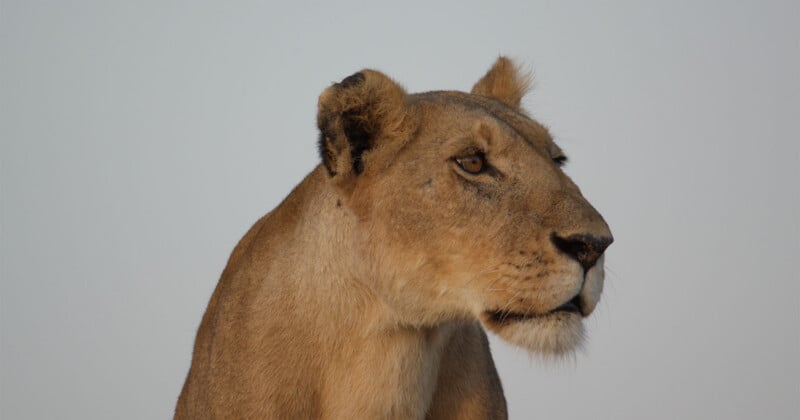 Autumn, Summer’s sister, looks into the distance. (National Geographic/Tania Escobar)
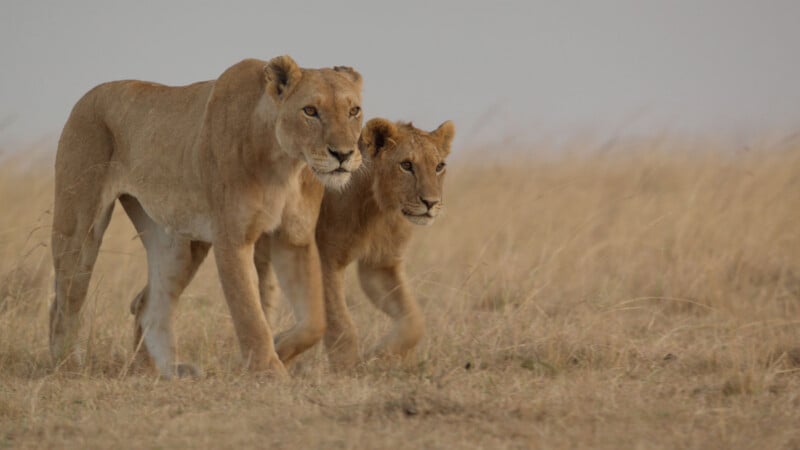 Kio, now nearly as tall as his mother, walks alongside her with a stride that shows growing confidence. (National Geographic)
In Njuguna’s case, he used his Inspire with super-wide, standard, and telephoto lenses. Wide-angle shots are great for establishing the scene and showing where lions live and hunt, while standard and telephoto lenses can get a much closer view of the lions while they rest or hunt.
“You can get such beautiful, dynamic framing,” Njuguna says of working with his drone.
“I think I enjoyed using my 50mm lens the most. Because we were shooting on a Super35 sensor, it gave me many unique shots from a good working distance from the lions,” Njuguna says.
Being able to shoot from farther away meant that he didn’t disturb the lions or disrupt their behaviors.
Njuguna typically shot from inside a vehicle alongside a guide. Njuguna controlled his drone from inside, watching the footage from a monitor while keeping a close eye on the drone itself in the field. He always had to maintain line of sight on his drone, which was not only safe but also helped him quickly get the best framing.
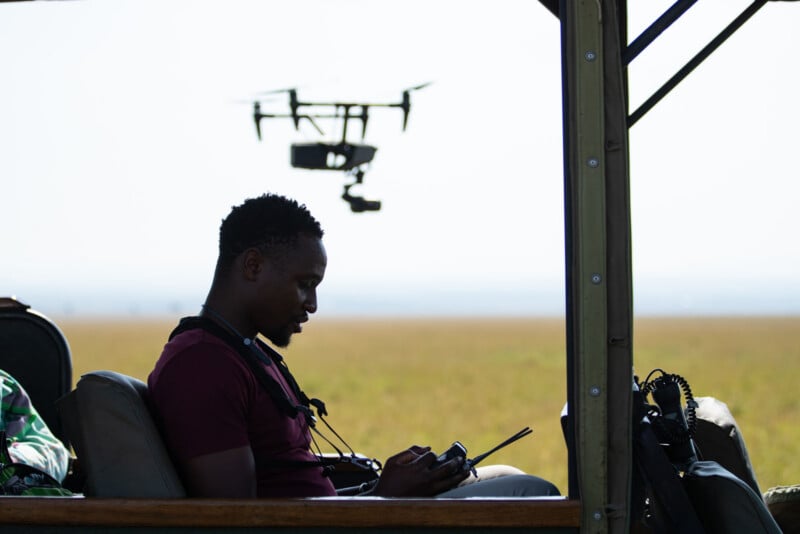 Anthony Njuguna operates his drone from the crew’s vehicle. (National Geographic/Hannah Gormley)
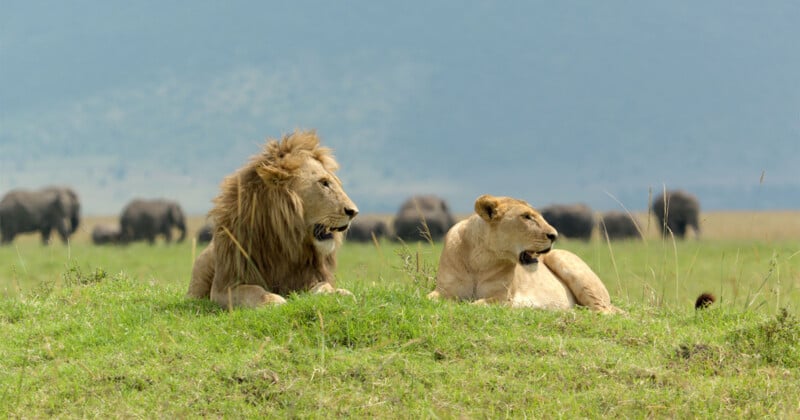 Ukingo sits next to a female in their territory. (National Geographic/Sophie Darlington)
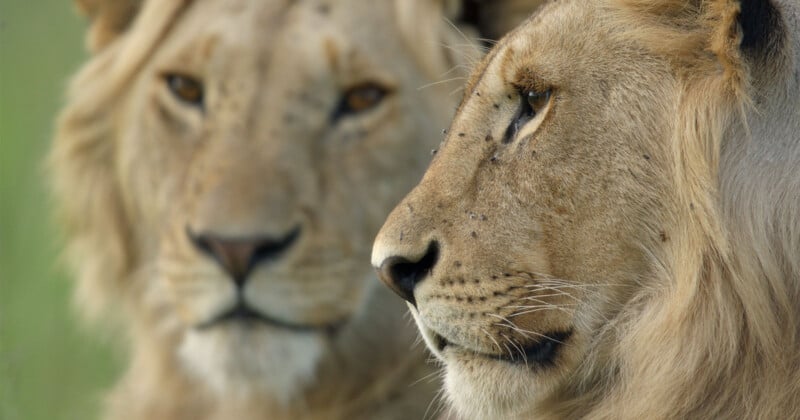 Kio in focus next to his one of his big brothers. (National Geographic/Sophie Darlington)
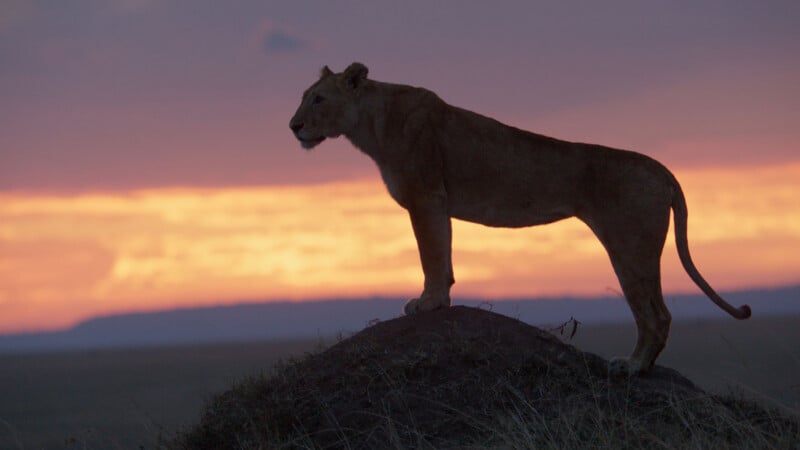 Summer appears solemn as she stands atop a mound at sunset, surveying the pride’s territory as the light fades across the landscape. (National Geographic)
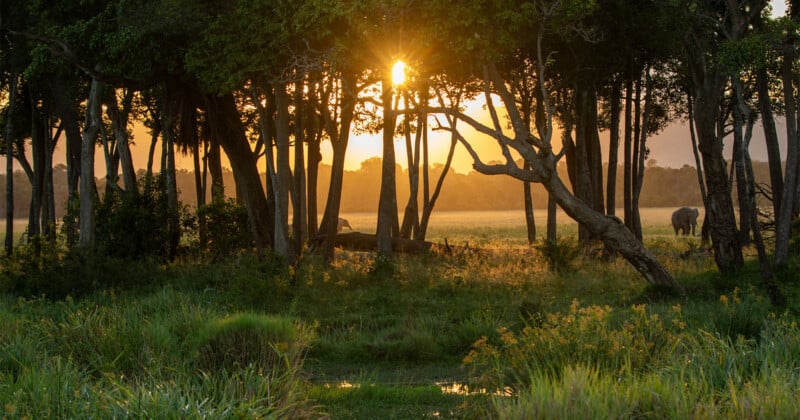 Sunrise filters through the trees in a marshy area of the territory, casting golden light across the landscape. (National Geographic/Joe Treddenick)
While on some docuseries, different cinematographers work relatively independently, often shooting their segments separately from other cinematographers, that’s not how it worked on Lion. Njuguna worked very closely with fellow cinematographers, and they all had to work together to achieve a consistent look and cover each other.
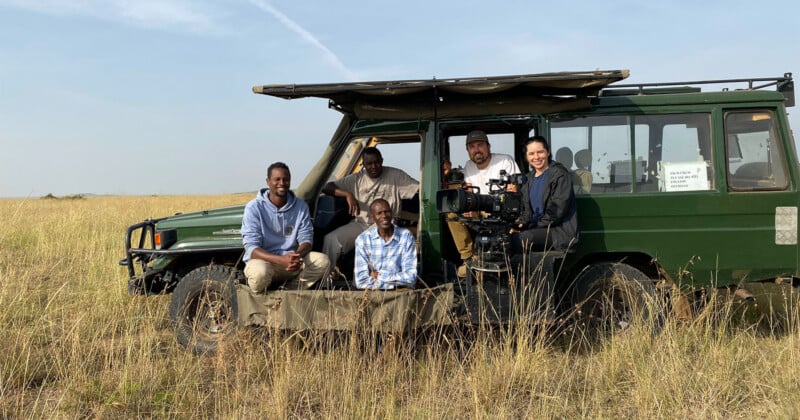 Anthony Njuguna, Sammy Munene, Job Makatiani, Joe Treddenick and Tania Escobar pose in the camera vehicle. (National Geographic/Joe Treddenick)
Njuguna and his fellow filmmakers constantly shared footage and helped each other improve during production. In Njuguna’s case, he says the best advice he got during production was to trust himself and trust his instincts when filming in the field.
The production on Lion was extremely long. Jon Favreau and BBC Studios executive producer Mike Gunton followed a lion cub, Kio, on a four-year journey to become the king of his pride. This is a remarkably long time to follow a single animal, and the journey includes many ups and downs.
Being able to spend so much time out in the field with the lions, and importantly, other people, was a truly special experience for Njuguna. He hopes viewers can appreciate the complexity and dynamism of lions and how they live and interact with each other.
“I want the viewers to enjoy the beauty of the relationships, how dynamic they are, and how similar we are [to lions],” Njuguna tells PetaPixel
“How they go through their emotions is so, so interesting,” he adds.
Lion premieres on Nat Geo on August 19 and will stream the next day on Disney+ and Hulu.
Image creditsNational Geographic




 English (US) ·