Elon Musk’s dream of putting AI data centers in space is moving forward as SpaceX’s proposal received approval from the Federal Communications Commission (FCC). According to The Wall Street Journal, the FCC approval gives the company until 2033 to launch the first data center satellite and until 2040 to launch the complete 1-million-strong constellation.
“America is leading the world into the era of super intelligence,” FCC chairperson Brendan Carr said in a statement. He also added, “The FCC supercharges that effort today by granting, for the first time ever, authorization to deploy 1 million orbital compute modules for data centers in space… This is the kind of American ingenuity that can unite our strengths in space and advanced technology, reinforce our economic leadership, and expand prosperity here at home.”
SpaceX sought approval for its orbiting data center project, dubbed Starmind, in February 2026, with the company aiming to turn humanity into a Kardashev II-level civilization, which directly harvests energy from its nearby star. However, other companies like Amazon, satellite operator Viasat, and the American Astronomical Society objected to the proposal. Amazon said that SpaceX did not provide details about its deployment plan and the design of its satellites, while the American Astronomical Society feared that the increasing number of satellites orbiting the planet would disrupt Earth-bound astronomical observation and research.
Aside from those concerns, there’s also the possibility that having that many satellites orbiting the planet increases our risk of Kessler Syndrome. This is where orbiting debris would collide with a satellite, causing it to break up and introduce more debris. This could then lead to more collisions in space, leading to a chain reaction that could trap humanity on Earth for decades, if not centuries.
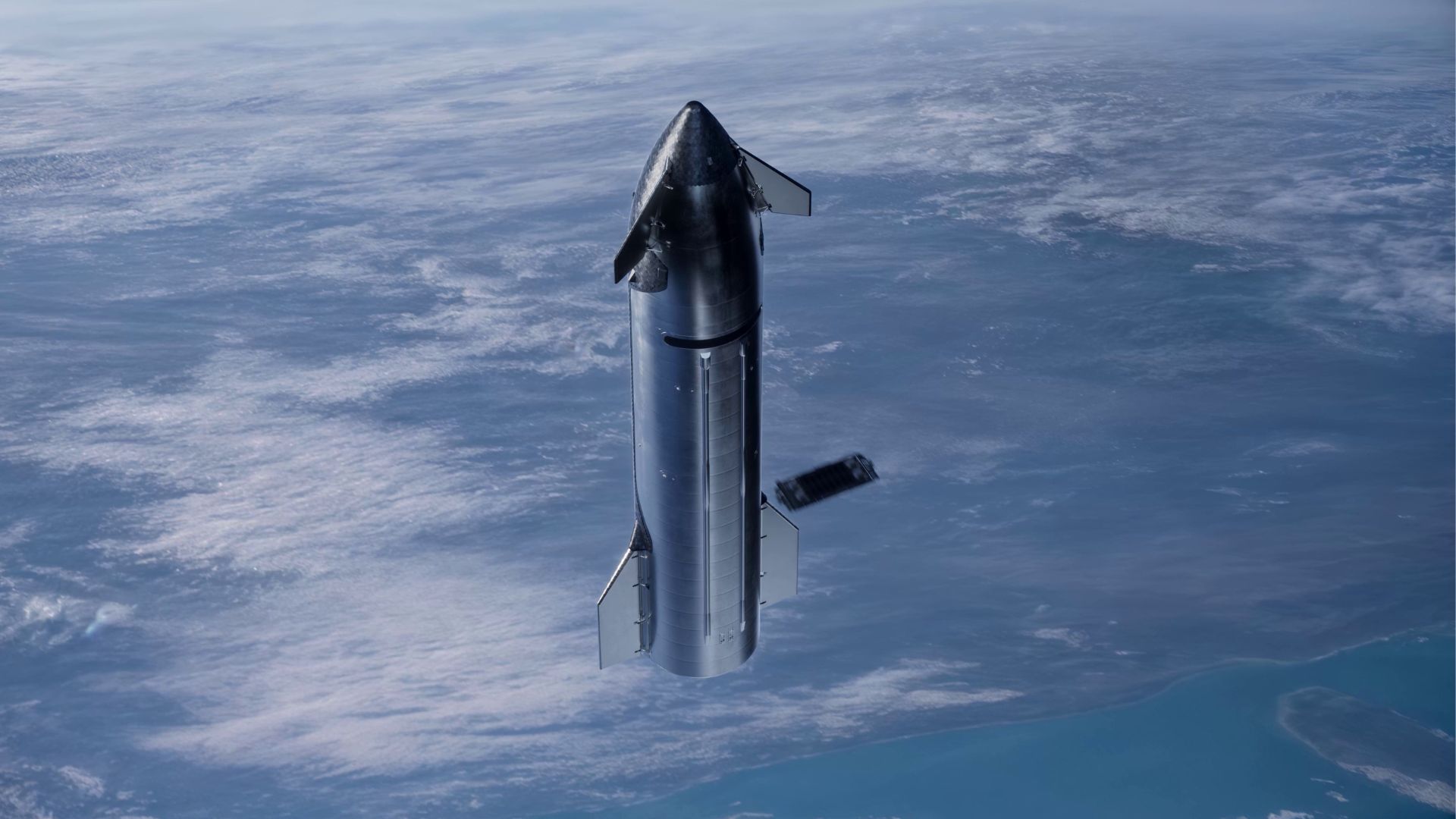
Despite this, Elon Musk is keen to get the project off the ground, especially as data centers on the ground face increasing opposition, like SpaceX’s campuses located near the border of Mississippi and Tennessee. The billionaire has already unveiled the design of its first compute satellite, AI1, which has a 120kW compute payload and spans wider than a Boeing 747, while the development of SpaceX’s massive Starship, which will be used to launch the satellites, continues at a fast pace.
Stay On the Cutting Edge: Get the Tom's Hardware Newsletter
Get Tom's Hardware's best news and in-depth reviews, straight to your inbox.
Jowi Morales is a tech enthusiast with years of experience working in the industry. He’s been writing with several tech publications since 2021, where he’s been interested in tech hardware and consumer electronics.

 1 hour ago
11









 English (US) ·