
 4 weeks ago
17
4 weeks ago
17
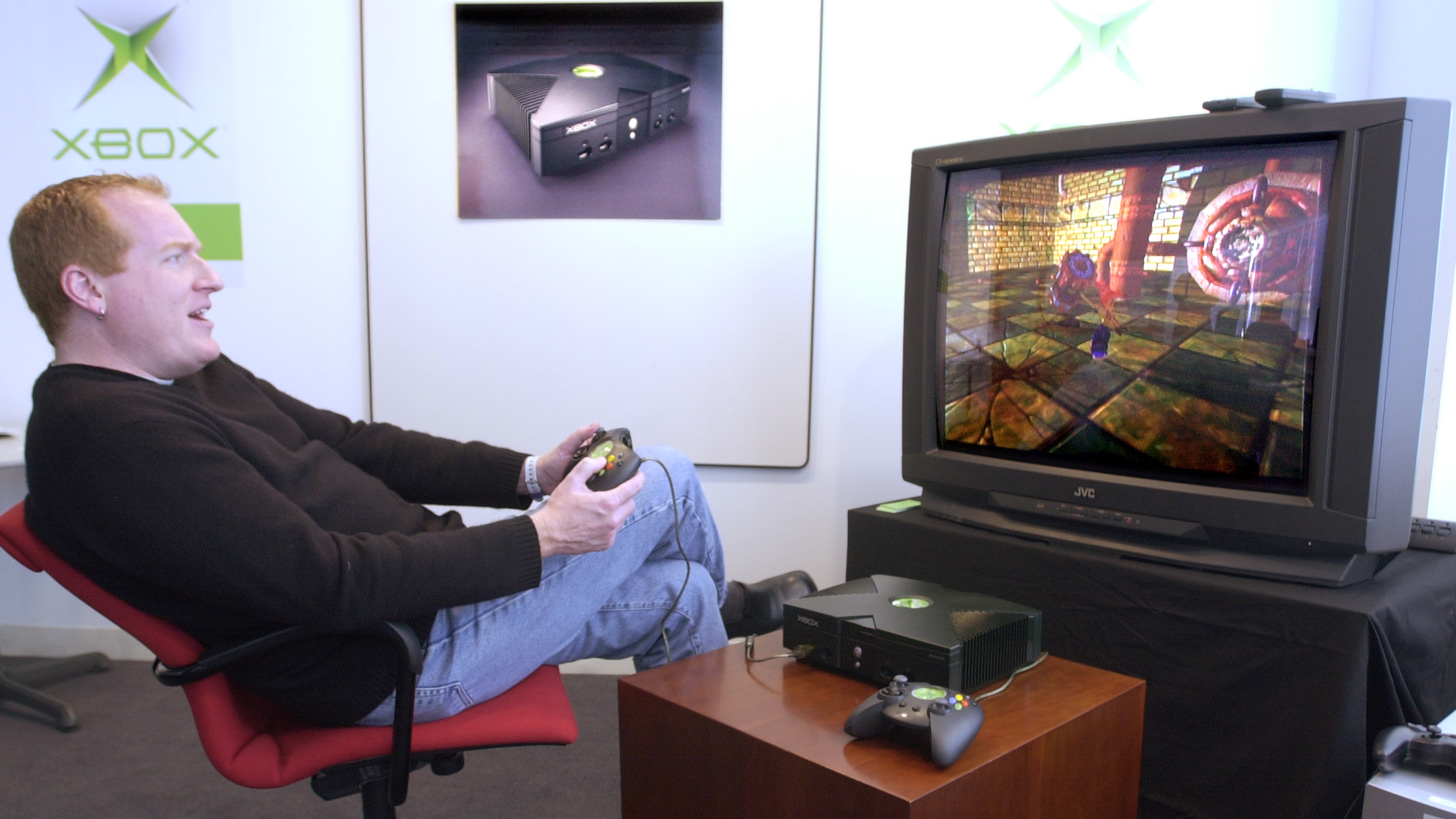
Phil Spencer's surprise retirement announcement last week, coupled with the equally unexpected resignation of Xbox president Sarah Bond and elevation of former Instacart exec Asha Sharma to Microsoft Gaming CEO, left a lot of unanswered questions. Was Phil forced out? Why didn't Bond, his presumed successor, get the job? Who's this new boss, who only joined Microsoft in 2024 and was previously all about AI? And of course, the big one: What does it all mean?
Frankly, I don't know. I initially suspected shenanigans, due primarily to the very pronounced silence of Bond, the one person among everyone involved who didn't have something nice to say about everyone else. (An absence emphasized by the fact that no one but Phil—not Microsoft CEO Satya Nadella, nor incoming Xbox boss Asha Sharma or newly promoted chief content officer Matt Booty—even acknowledged Bond's existence, much less thanked her for her work.) A later report by The Verge claimed that the retirement announcement was supposed to go out today but the cork popped early because of leaks, which is why it all seemed so messy.
"Xbox, like a lot of businesses that aren’t the core AI business, is being sunsetted. They don’t say that, but that’s what’s happening. I expect that the new CEO, Asha Sharma, her job is going to be as a palliative care doctor who slides Xbox gently into the night."
Full respect to Blackley for just laying it all out on the table—I like bold pronouncements, the wilder, the better—but I am obligated to say, again, that Blackley has no special insight into the matter. He left Microsoft in 2002 and while he's remained active in the field of game development, he hasn't gone back to Microsoft. He currently holds the role of CEO of tech startup Pacific Light and Hologram.
"There’s a core belief, and you can see it in what Satya said, that AI will subsume games like it will subsume everything," Blackley said. "The job of all these people is to just gently usher all of these business units into the new world of AI. That’s what you’re seeing here. Whether or not you agree with it, whether you agree with AI having the potential to do that, whether AI will be successful, is a separate matter. But that’s what we’re seeing."
In fact, Blackley said he'd have been more surprised if it was. "It would have been shocking if they had somebody in there in a meaningful role who was passionate about games, passionate about the creator-driven business of games, because it would be in direct conflict with everything else Microsoft is doing. Microsoft is a company that is now about enabling its customers by enabling AI to drive things. That’s at odds with the auteur model of any art, but specifically of games."
All of that stands in direct contrast to the words of Sharma herself, who said in the announcement of her new role as Microsoft Gaming CEO that one of her priorities is "a renewed commitment to Xbox starting with console which has shaped who we are." She also promised to "not chase short-term efficiency or flood our ecosystem with soulless AI slop."
It's obviously too soon to tell how Sharma's takeover of Microsoft Gaming will shake out. Maybe there'll be a new Xbox console that puts PlayStation to shame—but maybe, too, Microsoft ends up like Amazon, which expected an easy win against Steam and is now pushing AI-powered Snoop Dogg games. Blackley left open the possibility that Sharma might pull it off, but regarding her initial comments, he didn't sound too optimistic: "A, you want to believe that. B, that’s what every single person who’s been brought into games from other industries has said when they’re hired, in every press release, probably going back longer than you and I have been in this business."






 English (US) ·