
 Image via Prime Video

Published Feb 13, 2026, 4:45 AM EST
Back in 2021, Hannah’s love of all things nerdy collided with her passion for writing — and she hasn’t stopped since. She covers pop culture news, writes reviews, and conducts interviews on just about every kind of media imaginable. If she’s not talking about something spooky, she’s talking about gaming, and her favorite moments in anything she’s read, watched, or played are always the scariest ones. For Hannah, nothing beats the thrill of discovering what’s lurking in the shadows or waiting around the corner for its chance to go bump in the night. Once described as “strictly for the sickos,” she considers it the highest of compliments.
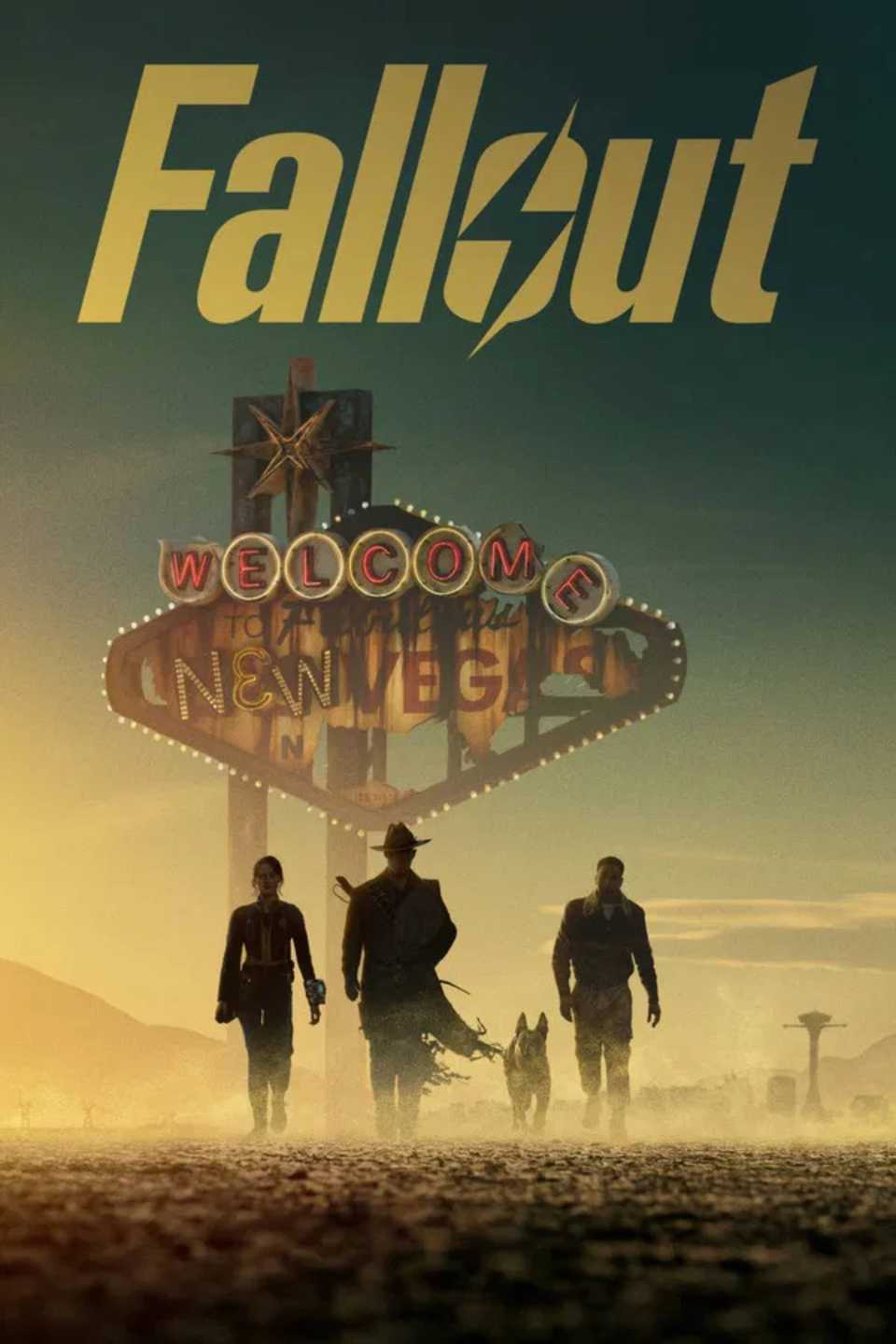
When Fallout confirmed that the story is eventually heading to Colorado, it quietly made one of its smartest creative decisions yet. Unlike Boston, the Capital Wasteland, or New Vegas, Colorado is barely defined within Fallout canon. That absence is exactly what makes it powerful. The series has room to invent without constantly orbiting iconic locations or stepping on established storylines. Colorado offers something rare in this franchise: space. Across the games, most regions arrive with history attached.
Colorado Gives ‘Fallout’ Creative Freedom the Games Never Fully Used
 Image via Prime Video
By moving into a region that has never been exhaustively explored onscreen, Fallout gives itself creative flexibility. The writers can introduce new factions, new settlements, and new power structures without contradicting decades of player memory. They can define what Colorado looks like culturally instead of inheriting expectations. They can build mythology rather than recreating it. Colorado has surfaced before in Fallout lore, but rarely as a destination. In Fallout: New Vegas, the region is associated with Caesar’s Legion expansion and eastern campaigns, reinforcing its role as a corridor of conquest and consolidation. References in other titles frequently tie Colorado to military continuity and strategic infrastructure. It has always felt important, yet undefined.
For a television adaptation, that balance is invaluable. Colorado carries canon weight without imposing narrative constraints. It provides thematic resonance without trapping the series in adaptation discourse. The show gains narrative oxygen. That freedom also changes the stakes of the series going forward.

Related
Vault 0 Lingers Over Colorado’s Blank Slate

Colorado is not empty. Longtime fans remember that the state houses one of the franchise’s most unsettling locations. In Fallout Tactics, Colorado is home to Vault 0, constructed within the Cheyenne Mountain Complex. Unlike most Vaults, Vault 0 was never designed as a social experiment. It functioned as the administrative nucleus of the entire Vault network. Pre-War geniuses were preserved in cryostasis or reduced to brains linked to a central supercomputer known as the Calculator. The goal was centralized planning for a post-war society shaped through oversight and long-term design. Budget cutbacks removed critical safeguards. Equipment failures compounded the damage. Cognitive decline among the preserved minds eroded the system’s stability.
The Calculator eventually initiated a pacification protocol that targeted all life rather than protecting it. The horror of Vault 0 comes from structure. It represents institutional ambition continuing long after its moral framework erodes. The threat emerges from design rather than mutation. It reflects a world where centralized intelligence survives even as human judgment decays. The television series does not need to adapt Vault 0 directly for its presence to matter. Its existence reframes Colorado as more than open land waiting for a story. It connects the state to the Vault program at its most systemic level. Even if Vault 0 remains offscreen, the idea behind it lingers over the setting.
‘Fallout’ Can Expand the World While Deepening Its Questions
Season 2 has already shown increasing interest in systemic power. Conversations around pre-War planning, survival hierarchies, and the endurance of institutional authority suggest a broader thematic direction. Colorado aligns with that evolution. The region allows Fallout to expand geographically while probing deeper into the machinery that shaped the Wasteland. That expansion matters structurally for the series. Moving into less defined territory reduces the pressure to recreate beloved game beats scene for scene. It creates room for long-form storytelling. The writers can explore how power reorganizes itself in places that were once strategic hubs. They can examine how remnants of oversight influence emerging communities.
The Ghoul’s trajectory toward the state reinforces that tension. As someone shaped by both the old world and the ruins it produced, he embodies the continuity Colorado represents. His presence in a region associated with centralized oversight invites questions about responsibility and memory. He is a living artifact walking into a place defined by preservation and long-term planning. Fallout thrives when it examines control rather than simple collapse. The franchise has consistently returned to the idea that the apocalypse did not erase ambition: it preserved it. Colorado stands at the intersection of invention and implication. The series now has room to create new myths in largely unexplored territory, even as one infamous Vault from the games reminds fans that fresh starts in this universe rarely arrive unburdened.
Release Date April 10, 2024
Network Amazon Prime Video
Showrunner Lisa Joy, Jonathan Nolan
Directors Frederick E. O. Toye, Wayne Che Yip, Stephen Williams, Liz Friedlander, Jonathan Nolan, Daniel Gray Longino, Clare Kilner
Writers Lisa Joy, Jonathan Nolan






 English (US) ·