
 6 hours ago
8
6 hours ago
8
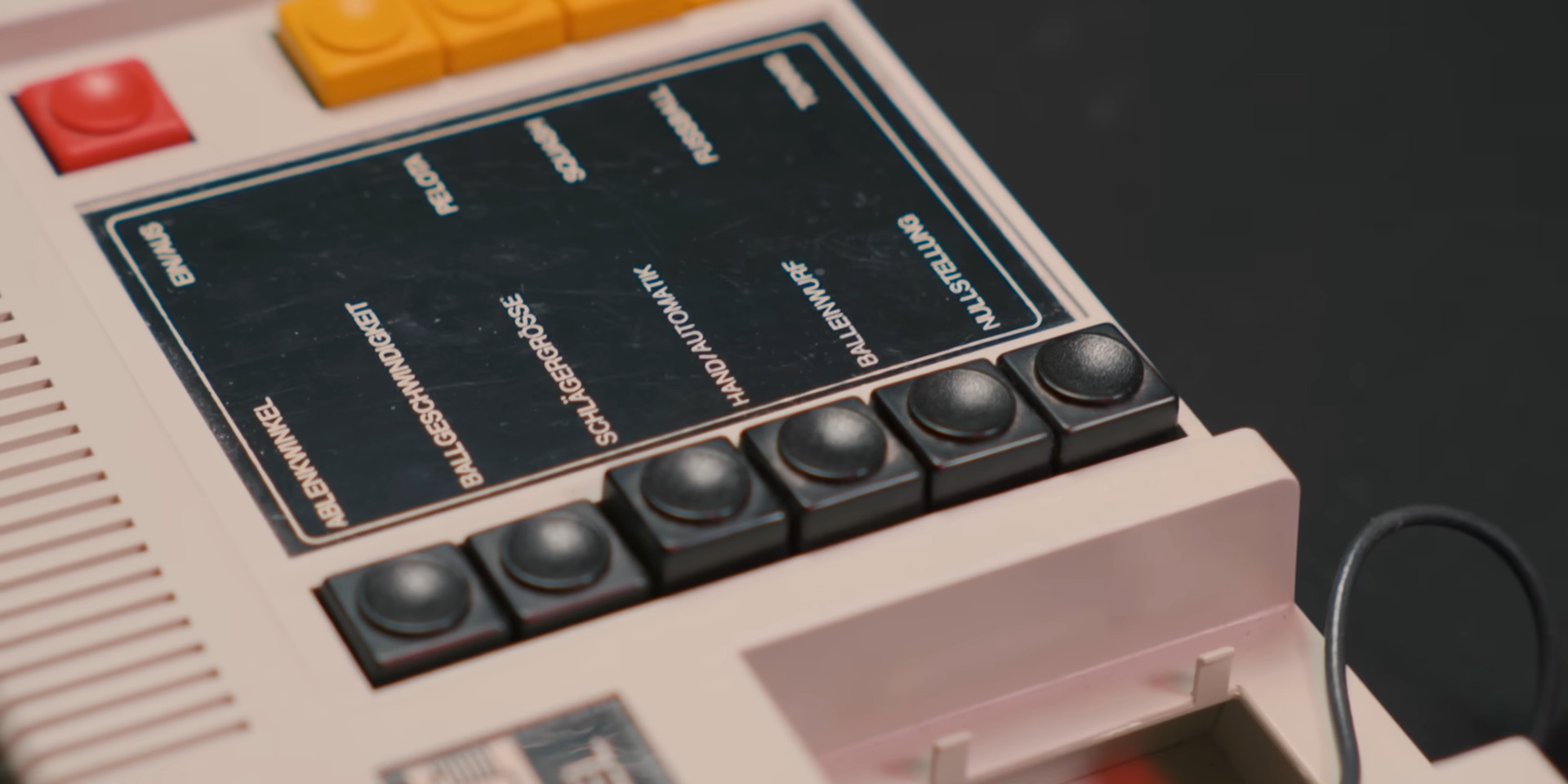
One of the rarest video game consoles ever made has been acquired and tested by YouTube docu-channel Fern. What you will see and hear about in the video embedded below is the Bildschirmspiel 01, or BSS 01 for short, produced in East Germany from 1979 to 1981. This is a basic gaming machine, offering only four Pong-like variants and monochrome graphics, played via a pair of tethered paddle controllers. Nevertheless, the rarity factor means this sample, one of just a handful thought to remain, costs around $1,000 to buy at auction.
The Hunt for the Lost Communist Console - YouTube
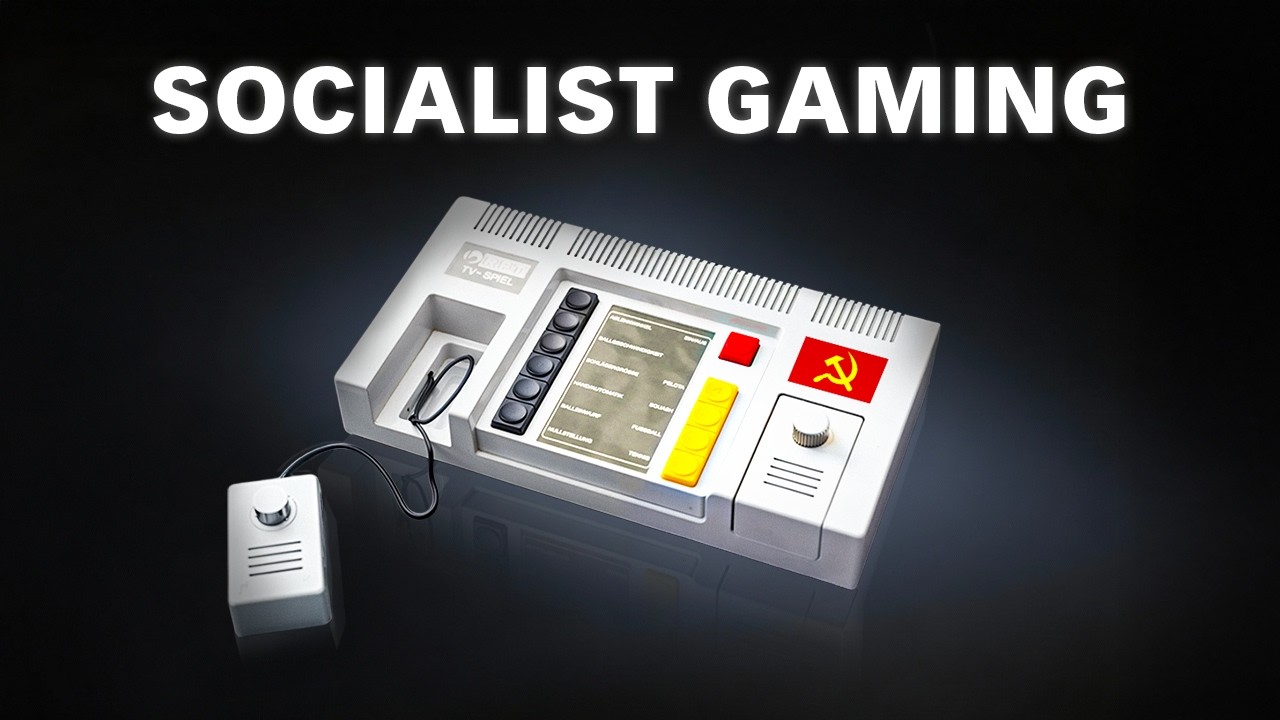
The docu-channel claims that only about a thousand BSS 01 consoles were made, and the rarest model – white with white controllers - is the one that they managed to snag for their analysis.
BSS 01 tech specs
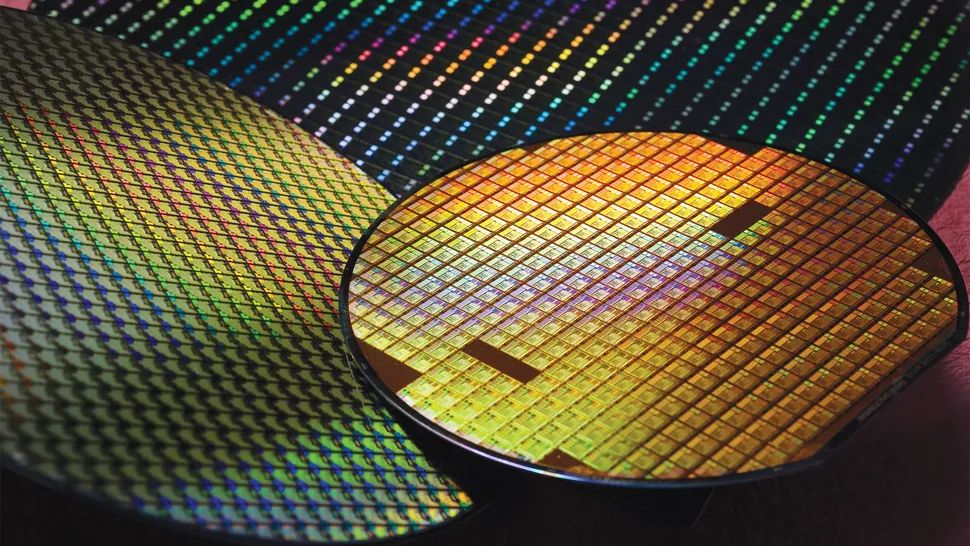
Like other early electronic games, this console wasn’t built using a general purpose microprocessor, RAM, storage, etc. Instead, it featured hard-wired transistor-transistor logic (TTL) circuits. However, the key gaming logic was all handled by an Eastern Bloc clone of the AY-3-8500 chip.
The chip was the only ‘foreign’ ingredient, with other key electronic and support components made locally – PSU, controllers, switches, RF output, speakers, case, and so on.
Why did the GDR want to make a console?
Fern spends considerable time discussing why the GDR, a proxy state of the USSR, a state behind the Iron Curtain, would want to create a games console. Given the central planning and resource allocation of such a state, it was indeed the government that decided to enter the video gaming market in 1977.
It wasn’t created just for fun and frolics, though, as you can imagine. Fern suggests that the populace in the West was seen to be advancing into the computing and video game eras at a rapid pace since the early 1970s (arcade and home gaming, home computing). While those behind the Iron Curtain could restrict popular knowledge of the goings-on in the West to some degree, there was some information flow, so something had to be done to avoid the West getting too far ahead in tech and prevent feelings that the GDR was being left behind.
So, in 1977, the GDR made microelectronics a new priority. The policy shift was made to strengthen the country’s position as an industrial nation and to benefit the public by expanding access to home computing and gaming.
An East German Electrical Engineer with a reputation for delivering results, Karl Nendel, was appointed to lead the development of a GDR games console. Nendel visited a semiconductor plant in Frankfurt Oder, previously busy building components for radios and TVs. In 1976-77, Nedel arrived with both an Atari console and some ROMs containing Pong, tasked with building a GDR version. The result was the BSS 01, which first hit production in 1979.

According to the new video tests, the games available on the BSS 01 are very much like the early Pong variations available on home consoles in the West in the early 1970s. The host didn’t seem very impressed or entertained, noting one variant was an “exact copy of the western version of Pong.”
Pricing problem
Unfortunately for the BSS 01, its price tag would be too high to make it attractive. According to the video, it would launch at a price approximately equivalent to half a month’s salary for an average citizen of the GDR.
The pricing put the brakes on the GDR government’s purported plans to use video games to eventually push communist messaging. Apparently, most of these consoles ended up in youth centers, shared by communities.
Production of the BSS 01 ended around two years after launch. Plans for a color model plans were reportedly shelved. The manufacturing facility went back to producing AV equipment – radio alarm clocks, says Fern.
This wasn’t the end of the road for the communist nation’s video gaming ambitions, though. The GDR developed the Poly–Play arcade machine in the mid 80s with twice as many, more advanced, games onboard. For the clips shared, these look heavily influence by classics such as Pac-Man and Robotron.

Follow Tom's Hardware on Google News, or add us as a preferred source, to get our latest news, analysis, & reviews in your feeds.


 English (US) ·