

Published Oct 18, 2026, 6:00 PM EDT
Once head of Screen Rant's Star Wars coverage and co-lead of Superheroes, Tom Bacon now works with the movies and books teams. He's a lifelong fan of the fantasy and sci-fi genres, and loves franchises such as Doctor Who and Marvel. You can find him on Twitter @TomABacon, on LinkedIn @tabacon, or on Muckrack under tombacon.
Tom has a wide range of interests, and he continues to serve his university as a volunteer chaplain. He's heavily involved with his local church, and anyone who checks him out on Twitter will swiftly learn he's into British politics too.
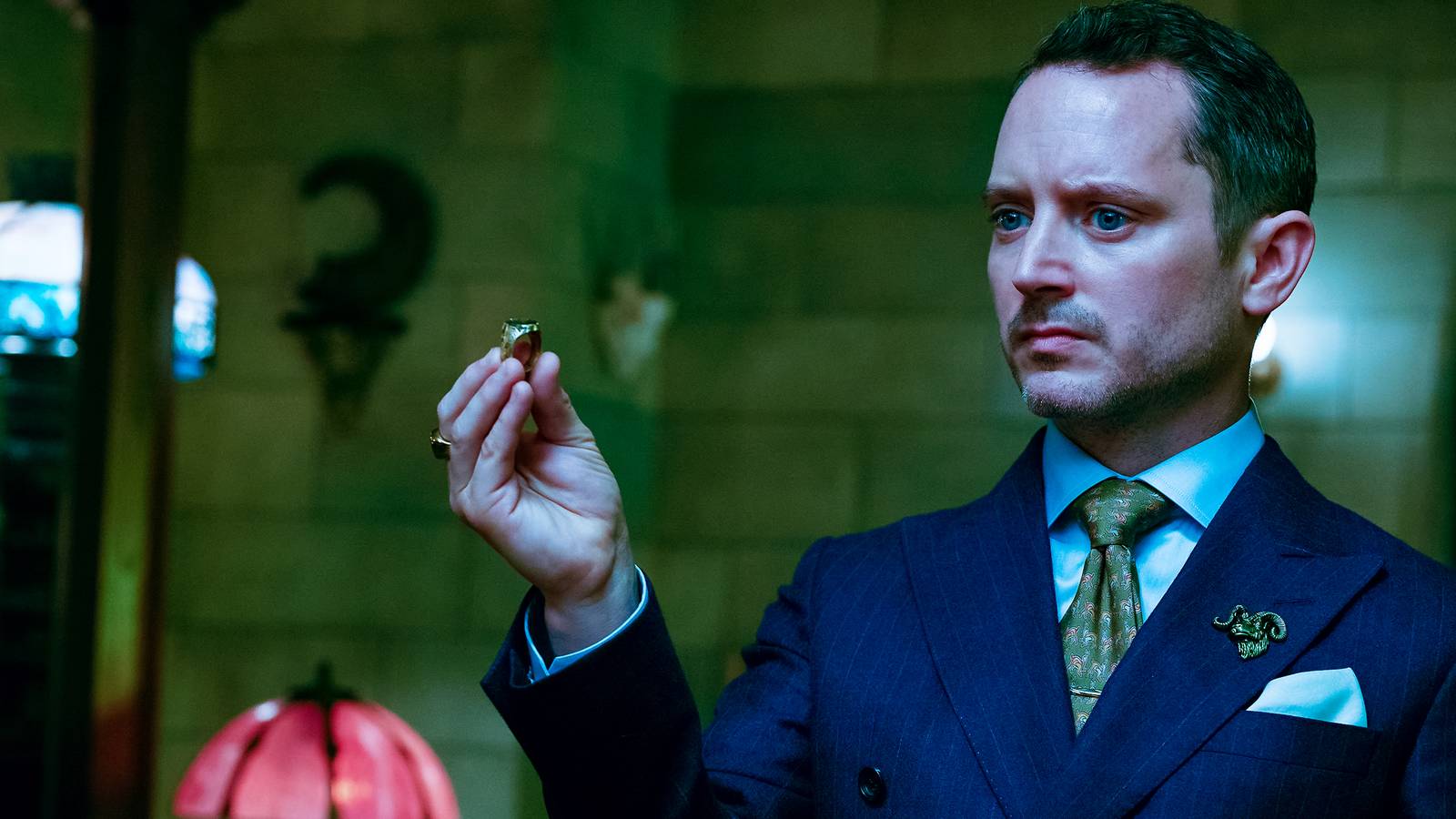
Greta Gerwig's The Magician's Nephew promises to be a bold adaptation of C.S. Lewis' classic book. A lifelong fan of The Chronicles of Narnia, Gerwig dreams of adapting every single one of the seven books into a movie. But it's already clear her take will be very different to previous adaptations; Meryl Streep has been cast as Aslan, although there have been reports her voice has been digitally altered to such an extent it's impossible to identify. Daniel Craig's Uncle Andrew looks a lot more suave and sophisticated than his book counterpart.
The first trailer for The Magician's Nephew doesn't really show what impact these changes will have (assuming they will have any impact at all). I can imagine a scenario where Craig's Uncle Andrew is actually more effective because he's a little more charismatic, making his ruthless streak and cowardice all the more striking. We're yet to hear Streep's Aslan voice, likely a deliberate marketing decision; there's already a backlash to this Narnia choice, and Netflix won't really want to fan those flames. But that said, some pretty major changes are already visible in the trailer.
5 The Magician's Nephew Has Totally Changed Its Setting
The biggest change to The Magician's Nephew is a background one that has massive implications for the entire Narnia franchise. In the books, The Lion, the Witch and the Wardrobe is set during the Second World War; this is the setting for the entire story, because the Pevensie children have been evacuated from London due to the Blitz. The Magician's Nephew is a prequel, and its hero Digory will grow up to be the professor whose house the Pevensie children stay at.
But the trailer for The Magician's Nephew confirms rumors that have long been swirling: The Magician's Nephew has been moved to the 1950s, a completely different setting. Assuming Digory will age at the same kind of rate, it means The Lion, the Witch and the Wardrobe will be in the 1990s. The change in setting may not have major implications for The Magician's Nephew, but the ripple effects on future stories are massive.
Why will the Pevensie children leave London in The Lion, the Witch and the Wardrobe and stay with a random professor in the countryside? What about boarding school plots in later books — those being a lot rarer in Britain by the 1990s and 2000s? It's pretty clear Gerwig has chosen to make this change for strategic reasons, as part of her overall plan for The Chronicles of Narnia, but it's currently impossible to understand the logic behind this time-jump.
4 Jadis And Charn Are So Very Different

In The Magician's Nephew, Digory and Polly travel through a realm known as the Wood Between the Worlds to the doomed world of Charn. There, Digory accidentally awakens Jadis, a powerful sorceress who doomed her world with an unspeakable curse akin to a nuclear blast. Physical descriptions are sparse, but he was thinking of her as a traditional "White Witch," a fairytale evil queen rather than an epic fantasy villain.
Gerwig's vision of Jadis looks very different. She's more like a rock and role legend, dressed in shimmering garb evocative of disco. To be fair, it's the kind of outfit a teenage boy in the 1950s might indeed describe as "dazzlingly beautiful" (to quote the book). But the aesthetic is so very unusual, more reminiscent of Labyrinth than Narnia. It will give Jadis a very different presence and impact, and presumably means her world won't quite look how Lewis envisioned it in The Magician's Nephew either.
3 Does Jadis Have Magic Powers In London?
The Jadis changes just continue to build, with the sorceress shown using her magic in London itself. In the books, Jadis is a physical powerhouse (able to tear metal apart), but her magic doesn't really work in London; her physical presence in London is a threat to Digory and his family, but not to the world itself. If Jadis has magic on Earth, though, the stakes are so much greater. Digory and Polly need to figure out how to get her away from Earth for fear she conquers the planet.
Personally, I don't necessarily object to this change — with one proviso. If Jadis' most powerful magic still works, then it will warp the narrative a little too much for my liking, taking the focus completely away from the danger she poses to Digory's family life. Not every story has to have world-ending stakes; in fact, these have become so common in Hollywood that they've lost any real impact.
2 The Wood Between The Worlds Is So Much Wilder
In The Magician's Nephew, Digory and Polly access a mysterious place known as the Wood Between the Worlds. This is essentially an inbetween space, what authors call "liminal space" — neither here nor elsewhere, a way to set you up for the true fantasy. Think King's Cross and Platform 9 3/4 in Harry Potter, walking through the wardrobe and seeing a last lamppost in The Lion, the Witch and the Wardrobe, or Star Wars' "World Between the Worlds" (a deliberate riff on Lewis' liminal spaces).
Lewis describes this as an actual wood, a relatively serene place where everything seems settled and comfortable. You enter different worlds by stepping into the pools, and pools dry out when worlds end. But the Wood Between the Worlds in Gerwig's The Magician's Nephew is wilder, a lot more untamed. That may seem like a mere aesthetic choice, but writers use liminal space as preparation for the fantasy worlds you are about to reach through them. If this liminal space is wild and untamed, it's a different kind of Narnia too.
1 The Creation Of Narnia Is Incredible, But So Different

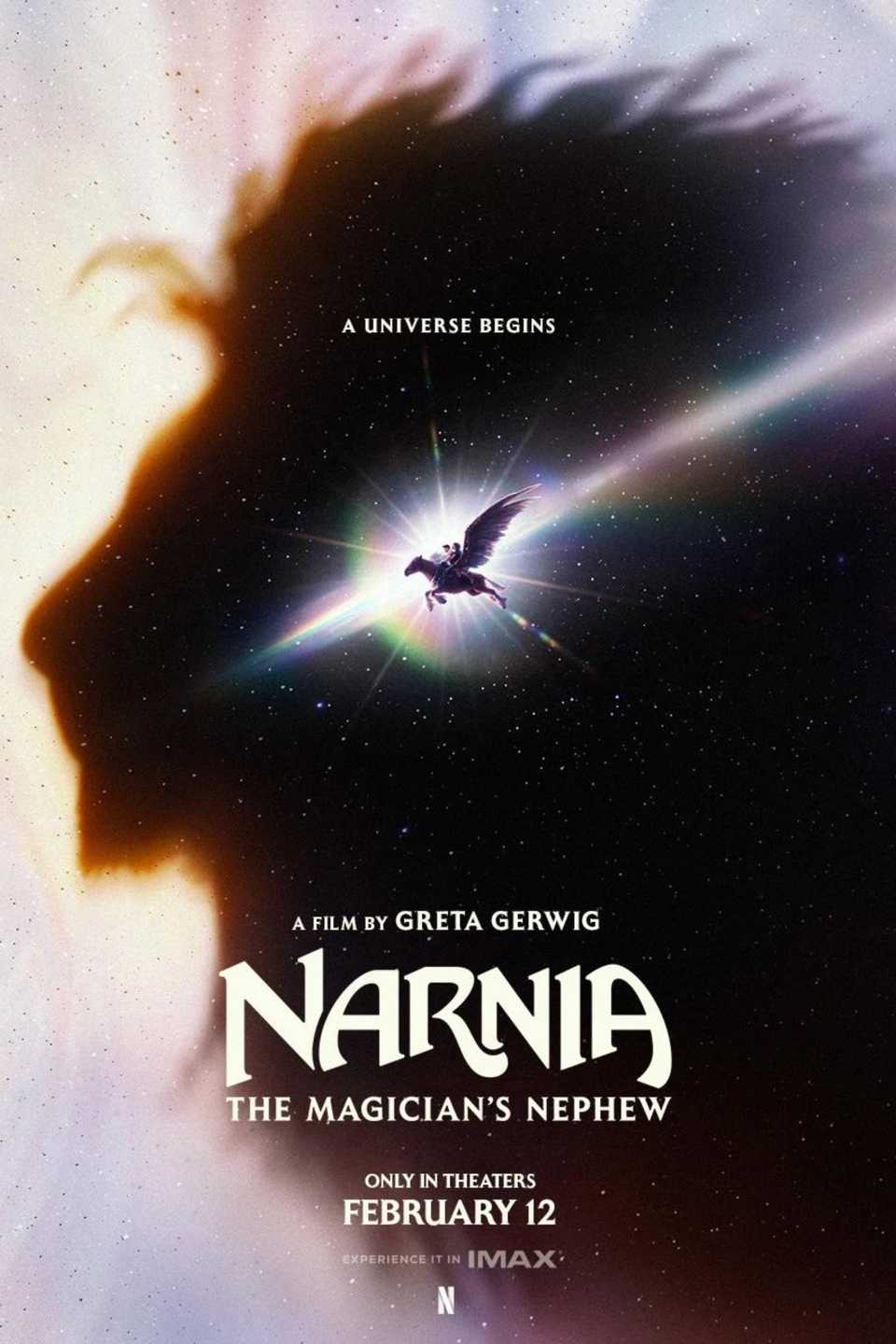
So far, my comments have been fairly critical; it's clear Gerwig has made substantial changes, and we're yet to see the rationale for them. But one change is particularly striking, and remarkably effective. The trailer only shows a brief glimpse of Aslan singing Narnia into creation, and it's a stunning moment when all things flow out of him.
The Chronicles of Narnia is, of course, a Christian allegory that uses Aslan as a type of Christ. For me, this trailer shows an attempt to represent core Christian theology; it reminded me of Colossians 1: 16-17. "For in him all things were created: things in heaven and on earth, visible and invisible, whether thrones or powers or rulers or authorities; all things have been created through him and for him. He is before all things, and in him all things hold together."
It's not perfectly Biblical, of course; the image seems to suggest that all creation existed inside Aslan and was sung into being from him, rather than the kind of "Creation Ex Nihilo" found in orthodox Christianity. But Lewis was a classicist, and he would be familiar with this kind of imagery from other classical literature, so I don't think he'd mind massively. What's more, the imagery is also reminiscent of his Perelandra trilogy, so it has a basis in his wider writings. This is one final change that looks absolutely brilliant.
Release Date February 12, 2027
Cast
-

David McKenna
Digory Kirke
-
Beatrice Campbell
Polly Plummer
-

-

Carey Mulligan
Mabel Kirke



 English (US) ·