
 4 hours ago
4
4 hours ago
4
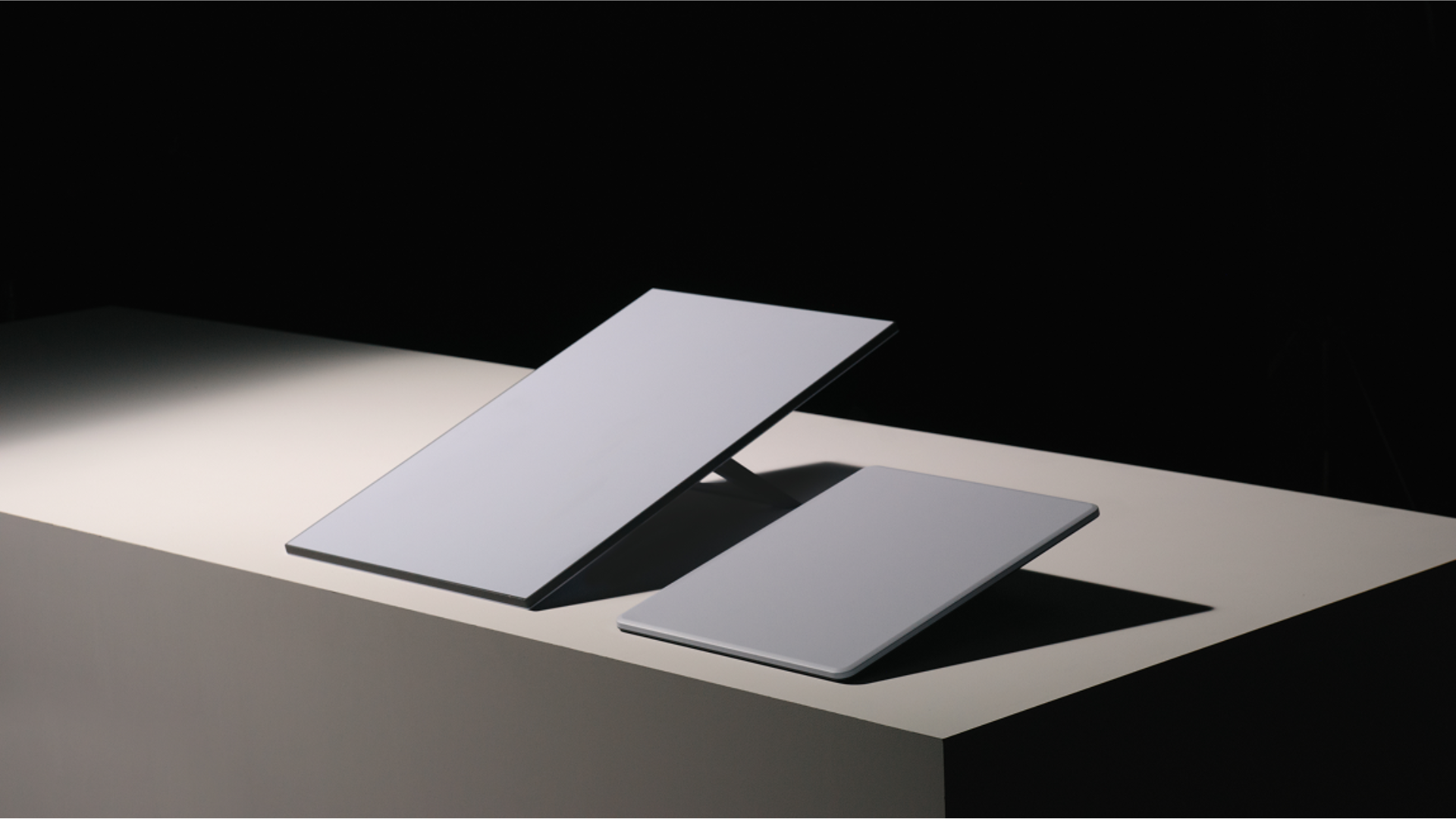
The SpaceX satellite internet service Starlink has just introduced its latest residential kit, letting users connect to the satellite network using a smaller and lighter terminal. The company announced the Starlink V5 on X, saying that it could hit up to 375+ Mbps for “streaming, video calling, gaming, and more.” It’s currently available in select areas only, though, with wider availability expected later as the company ramps up production.
Swipe to scroll horizontally
Starlink V5 | Up 375+ Mbps | Electronic Phased Array | 110 degrees | 2.4 lbs. (1.1kg) | IP67 Type 4 | -22 deg F to 122 deg F (-30 deg C to 50 deg C) | 165 mph (265 kph) | Up to 1.6 in. per hour (40mm per hour) | 35 to 50 watts | LED / Starlink Top Face |
Standard 4 | Up to 400+ Mbps | Electronic Phased Array | 110 degrees | 6.4 lbs. (2.9kg) | IP67 Type 4 | -22 deg F to 122 deg F (-30 deg C to 50 deg C) | 60 mph (96 kph) | Up to 1.6 in. per hour (40mm per hour) | 75 to 100 watts | LED / Router Face Plate |
Mini | Up to 300+ Mbps | Electronic Phased Array | 110 degrees | 2.43 lbs. (1.1kg) | IP67 Type 4 | -22 deg F to 122 deg F (-30 deg C to 50 deg C) | 60 mph (96 kph) | Up to 1 in. per hour (25mm per hour) | 25 to 40 watts | LED / Starlink Rear Face Plate |
The new unit is significantly smaller and lighter than the Standard 4 used in most home deployments, and brings it close to the Starlink Mini, which is designed for both fixed and portable use. However, the Starlink V5 still requires a router (included), whereas the Mini can work without one, providing a wireless connection using its built-in Wi-Fi antenna. Still, the former is faster, offering speeds of up to 375+ Mbps. Although this is 25 Mbps slower than the 400+ Mbps that the Standard 4 is rated for, it’s still higher than the up to 300+ Mbps that SpaceX has set for the Mini.
The changes that SpaceX made to the Starlink V5 would make it much easier to set up, which is especially helpful for users who prefer to DIY their Starlink setup. Another interesting update to the new terminal is that it can handle faster wind speeds while mounted despite being lighter than the Standard 4. This should help it withstand tougher meteorological conditions, especially in areas frequently battered by storms and tornadoes.
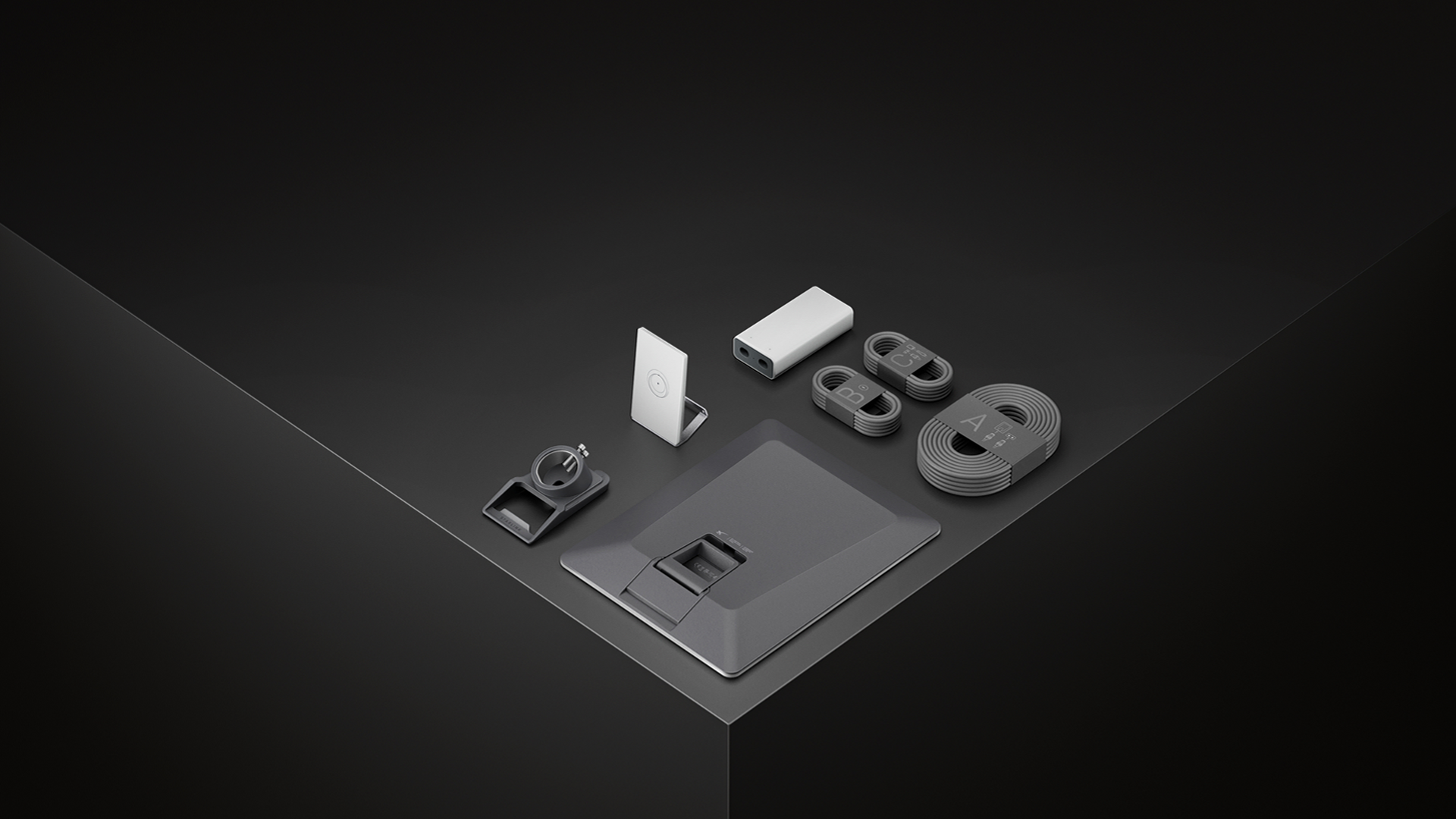
The much lower average power consumption, which is just about half of what the previous-generation Starlink terminals consumed, would also help power stations last longer, making it ideal for keeping communications alive, especially during emergencies. This is exactly what Japan is experimenting with, as Tokyo has started putting up Starlink antennas on fire hydrant signs to provide emergency Wi-Fi.
Although SpaceX and its owner, Elon Musk, are no strangers to controversy, Starlink has proven useful in various situations. Aside from being useful for first responders in disaster zones, it also helped Ukraine stay connected during the height of Russia’s invasion of the country in 2024. It has even gotten to the point that China simulated a Starlink blockade over Taiwan because of how useful the service is in keeping a government online and communicating with its allies during times of distress.

Follow Tom's Hardware on Google News, or add us as a preferred source, to get our latest news, analysis, & reviews in your feeds.





 English (US) ·