
 3 weeks ago
38
3 weeks ago
38
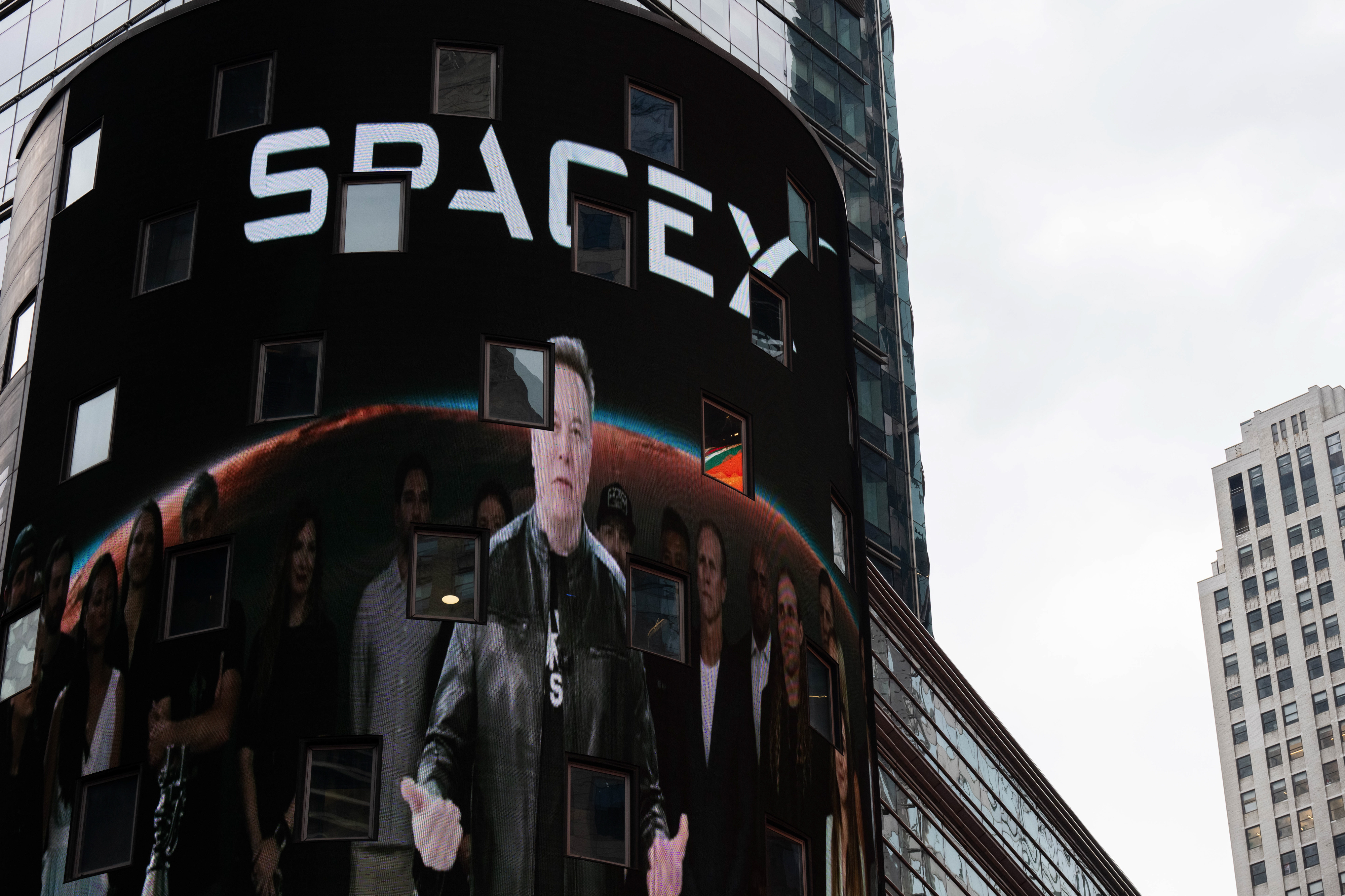
Elon Musk has slammed reports that SpaceX is developing a handheld AI device as "Utterly False," in a post on X. It follows a report from the Wall Street Journal on Wednesday claiming that SpaceX had demonstrated an early prototype of a handheld device featuring xAI's artificial intelligence technologies and a proprietary operating system to a small group of investors ahead of the company's initial public offering.
The handheld device from SpaceX is reportedly thinner than Apple's iPhone, is based on a Qualcomm Snapdragon system-on-chip, and runs a proprietary operating system, according to the WSJ story. The main selling point of the device is its artificial intelligence technologies from xAI. However, the report does not elaborate on their nature or how they integrate with the operating system. The concept device remains in its infancy and may never become a commercial product. Furthermore, assuming that it is in its early stages of development, its final look and specifications would likely differ significantly from the prototype.
Earlier this year, Reuters reported that SpaceX was developing a smartphone, citing its sources, which reportedly stressed that SpaceX has had plans for a handset for years. At the time, Musk told Reuters that a hypothetical Starlink phone would be 'not out of the question at some point,' but admitted that it would be an AI-centric device that would be 'very different than current phones.' Nonetheless, in an X post, Musk denied his company was building 'a phone.' Based on the comment Musk made today, SpaceX is still not developing a smartphone-like device.
Meanwhile, this would not be the first time Musk has denied something that later turns out to be true. After Reuters reported Tesla had canceled its inexpensive Model 2 vehicle in April, 2024, Musk replied, 'Reuters is lying (again)' without elaborating. Tesla still has not launched its low-cost electric vehicle, but prioritized Robotaxi instead. Furthermore, the company has not touched upon Model 2 in its conference calls in detail in the years that followed, essentially confirming that the entry-level Model 2 in the form that was envisioned before 2024 has been cancelled.
Building a smartphone that connects to Starlink satellites and terrestrial 5G networks is theoretically possible: there are 3GPP Release-18 and 3GPP Release-19 5G-NTN specifications that are designed to achieve just that, and many modern devices already support texting using NTNs. For a mobile device that supports both 5G and NTN networks today, the biggest challenges are to build a modem and a front-end module that can hit the right balance between performance, reliability, area, and power consumption. Of course, the constellation itself has to offer enough 'backbone' bandwidth to support global communications.
While an always-connected handheld device with advanced AI capabilities would, from many points of view, reflect Musk's long-standing ambition to create an 'everything app,' it would automatically make SpaceX compete against companies like Apple, Google, Samsung, and many other multinational conglomerates. Tough competition is arguably not something that any CEO would like to admit, especially when the product in question is in its infancy and there is an IPO ahead.

Follow Tom's Hardware on Google News, or add us as a preferred source, to get our latest news, analysis, & reviews in your feeds.





 English (US) ·