
 1 hour ago
7
1 hour ago
7
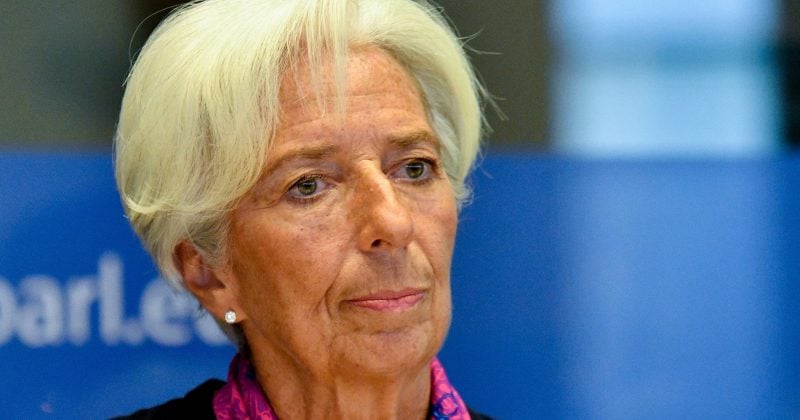
The European Central Bank just did something it hasn’t done in nearly three years: raise interest rates. ECB President Christine Lagarde announced a 25 basis point hike to 2.25% during the June 11 press conference, the first increase since September 2023, while painting a picture of an economy stuck between stubborn inflation and cooling growth.
Here’s the thing. The euro area labor market looks solid on paper, with unemployment sitting at 6.3% as of April 2026, near historical lows. But the mood music is changing. Lagarde noted that both firms and households now expect weaker labor markets ahead, a forward-looking signal that tends to matter more than backward-looking employment data.
Growth projections tell a cautious story
The ECB’s revised GDP forecasts aren’t exactly inspiring confidence. The central bank now projects 0.8% growth for 2026, ticking up to 1.2% in 2027 and 1.5% in 2028. Headline inflation in the Eurozone is projected at 3.0% for 2026, still meaningfully above the ECB’s 2% target and clearly the driving force behind the decision to tighten.
Wage growth, which Lagarde flagged as a key variable the ECB is monitoring, is expected to ease going forward. Geopolitical pressures on energy prices and weakening consumer confidence add uncertainty to the trajectory.
What this means for crypto and risk assets
Lagarde didn’t mention crypto, stablecoins, or digital assets during the press conference. Not a word. Market analysts note that shifts in ECB monetary policy could have wider implications for global risk sentiment, particularly in relation to future flows into crypto assets, although no direct correlations to immediate digital asset price movements were identified.
The broader macro picture investors need to watch
The gap between the ECB’s projected 0.8% GDP growth and its 3.0% inflation projection is arguably the most important number for risk assets. That spread suggests the ECB will need to keep rates elevated even as the economy underperforms, creating the kind of macro uncertainty that tends to increase volatility across all asset classes, crypto included.
Disclosure: This article was edited by Editorial Team. For more information on how we create and review content, see our Editorial Policy.







 English (US) ·