
 1 day ago
14
1 day ago
14
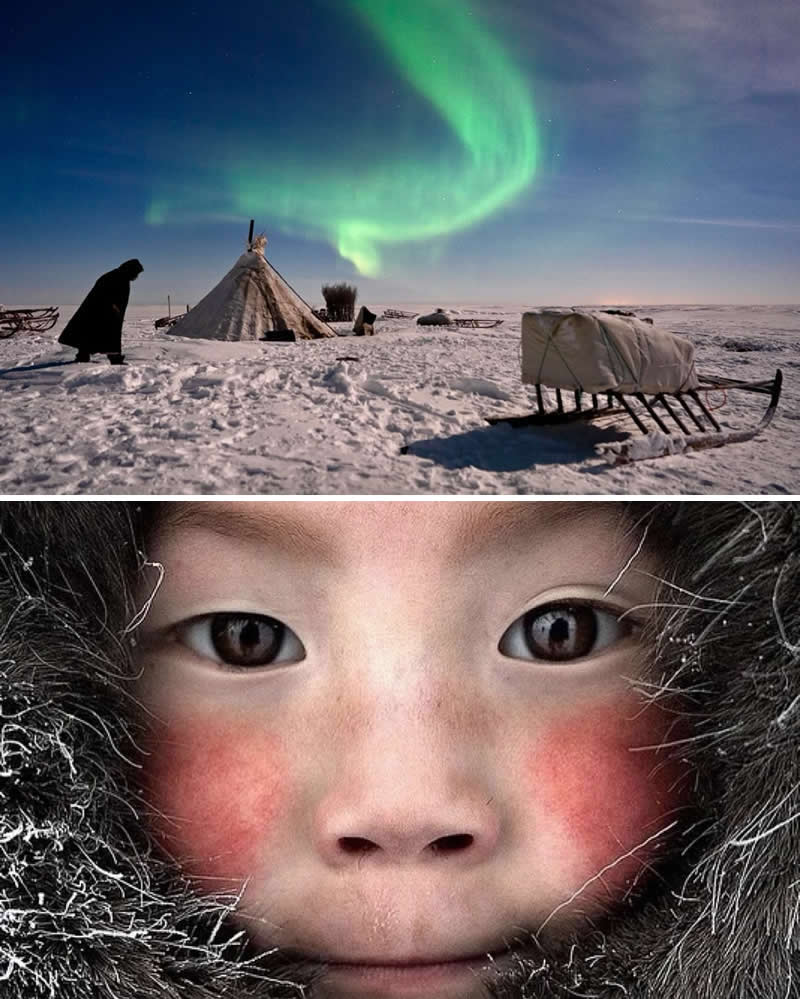
Every face tells a story shaped by the land it calls home. Photographer Alessandro Bergamini captures this raw connection in his project Each Face Belongs to a Place. Here, portraits and landscapes aren’t separate; they fuse, showing lives shaped by terrain.
From Russia’s frozen tundra to Malaysia’s turquoise seas, Bergamini matches faces with the wild places they belong. The images, at first, seem straightforward: person and place. But look closer, the wind, mountains, forests, and waves aren’t just scenery. They’re part of who we are.
For countless cultures, land is more than a backdrop; it’s history, survival, and spirit, handed down through generations. A Mongolian eagle hunter, a Q’ero shepherd in Peru, or a Mundari herder in South Sudan don’t just live on the land; they live through it.
Bergamini turns this bond into visual poetry. Portraits become maps; landscapes, biographies.
He calls it “human geography,” a series that leaps from Ethiopian villages and Papuan jungles to Himalayan monasteries and Chinese rivers. It’s a vivid reminder: humanity is a mosaic, pieced together by land, weather, and time.
Each image is a tile in the vast mosaic of humanity, where every face is the story of a place.
You can find Alessandro Bergamini on the Web:
1. Nenets – Russia
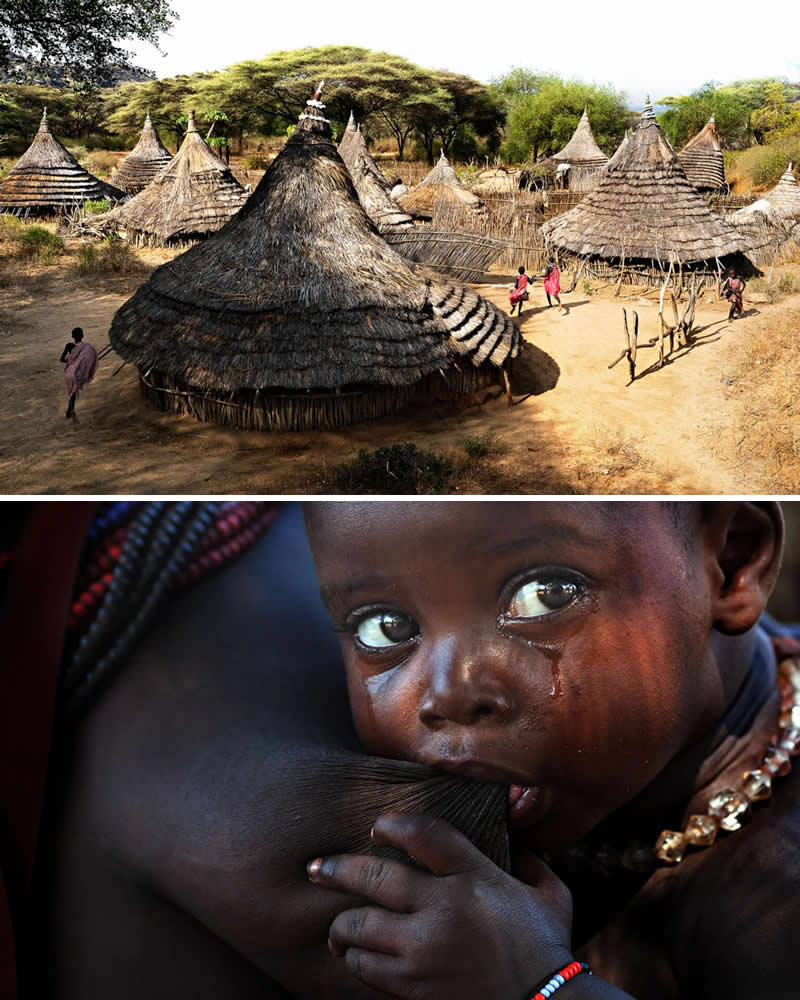
2. Erbore – Ethiopia
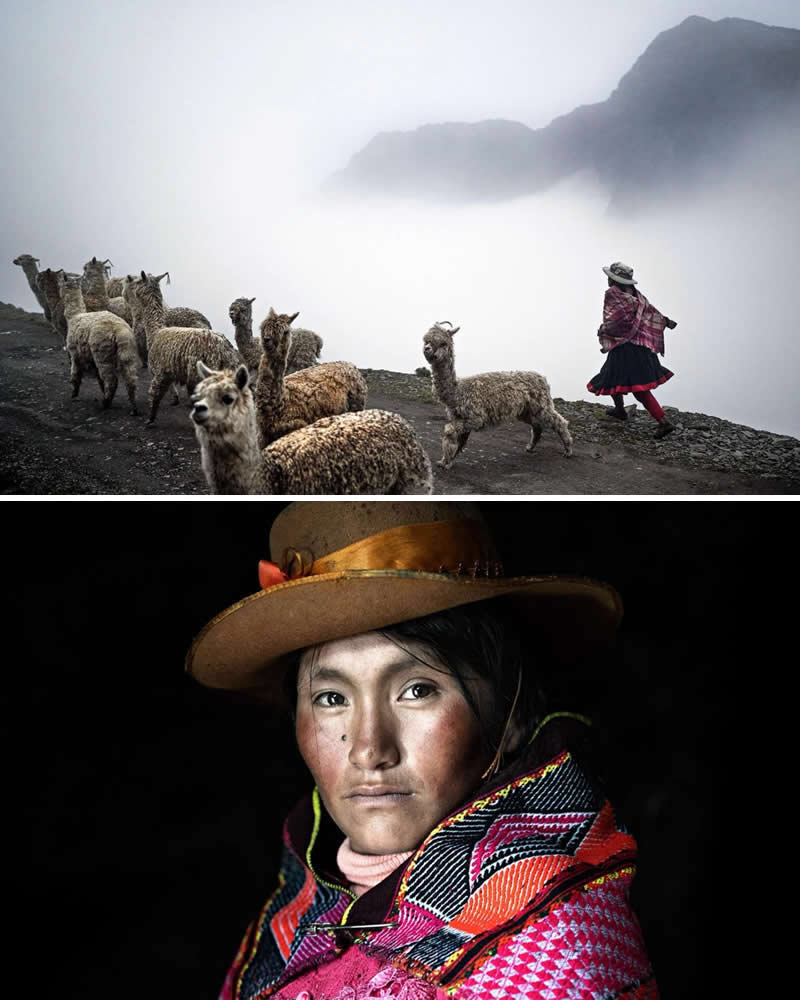
3. Q’ero – Peru
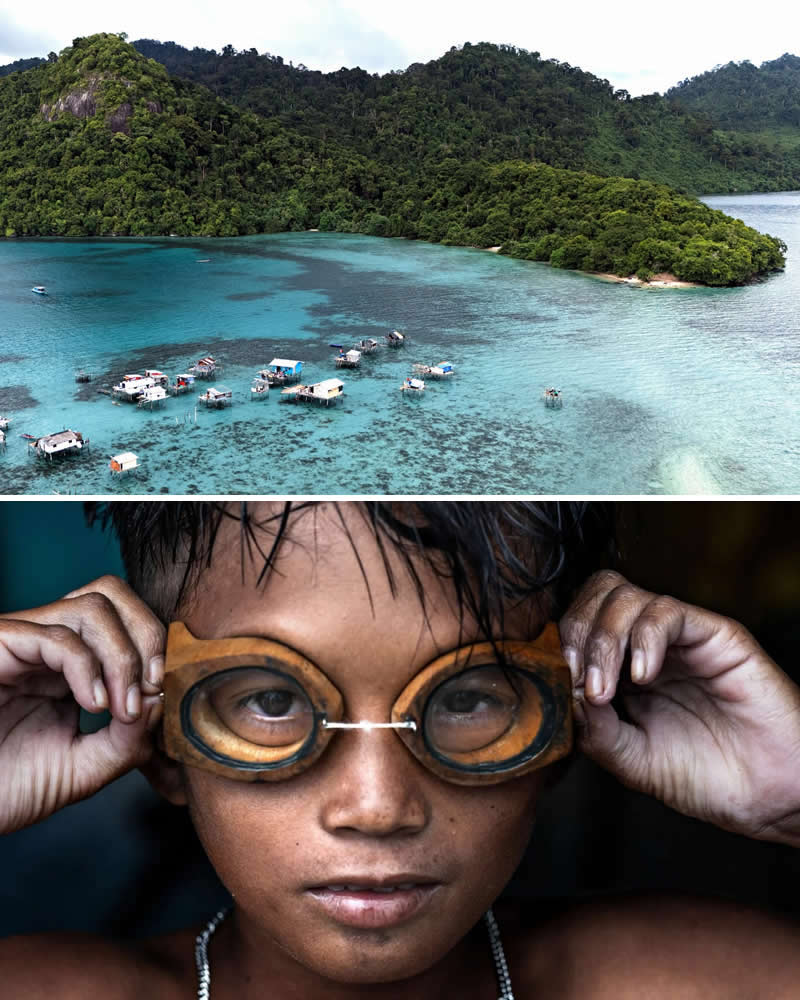
4. Bajau – Malaysia
Portraits That Carry the Landscape Within Them
Alessandro Bergamini fuses portraits and place. No sterile studios—just real people, where they belong. Each image is raw, intimate, and universal.
Nenets herders in Arctic Russia look as cold as their tundra. In Ethiopia’s Erbore, faces echo the grit and warmth of their sunbaked land.
Q’ero shepherds blend into Peru’s misty mountains. Bajau kids in Malaysia move with the sea.
Every photo is a story—land, weather, and history written on faces. These aren’t studio shots; they’re cultural maps.
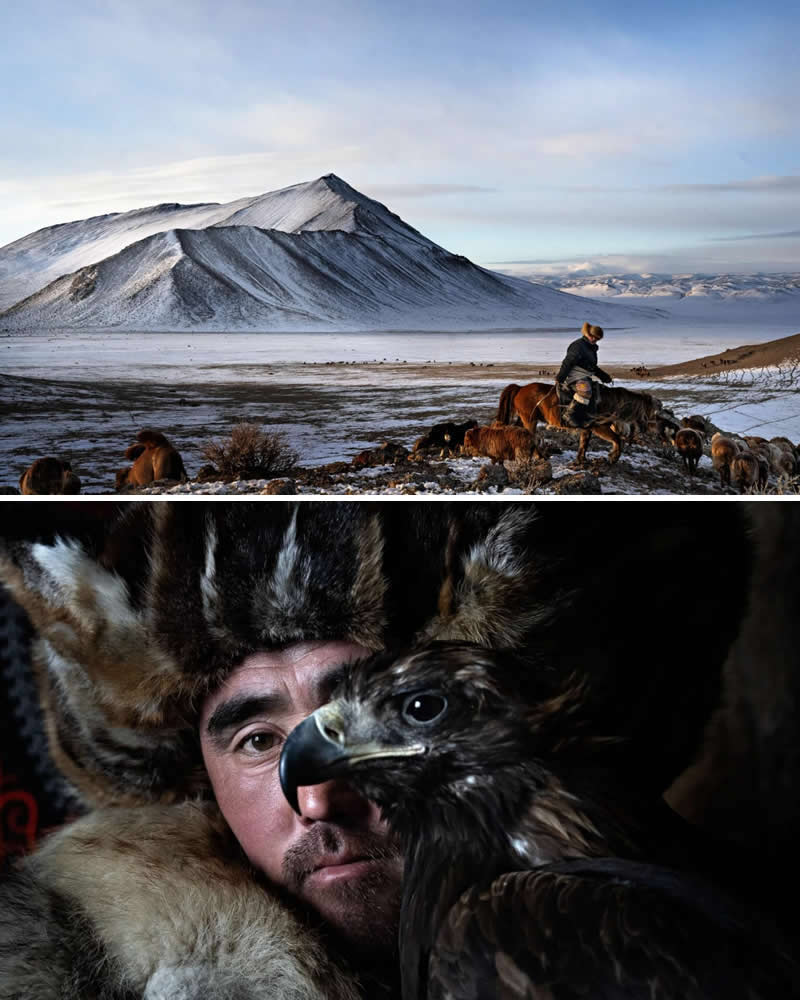
5. Berkutchi – Mongolia
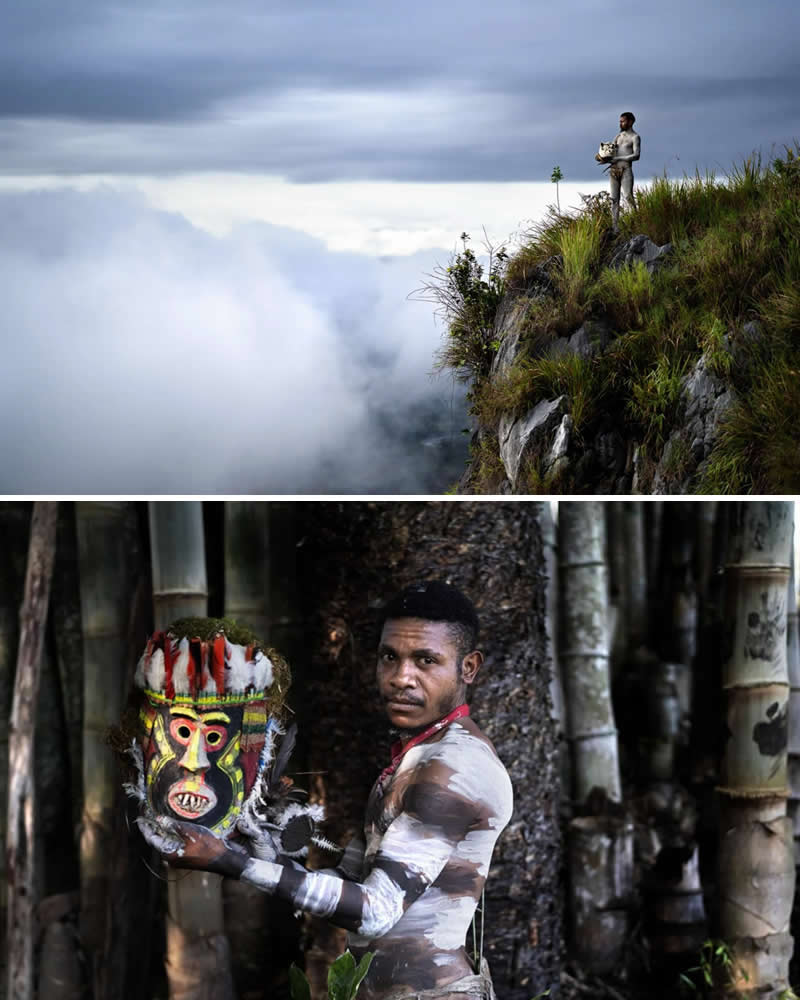
6. Asaro – Papua New Guinea
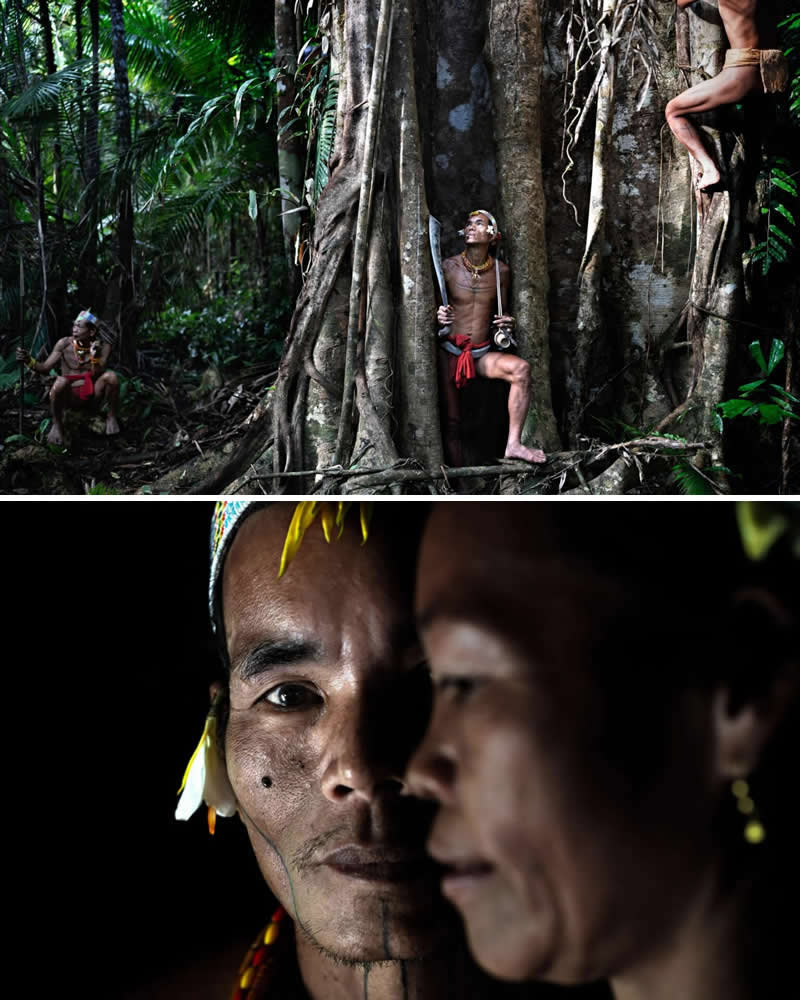
7. Sikerei – Indonesia
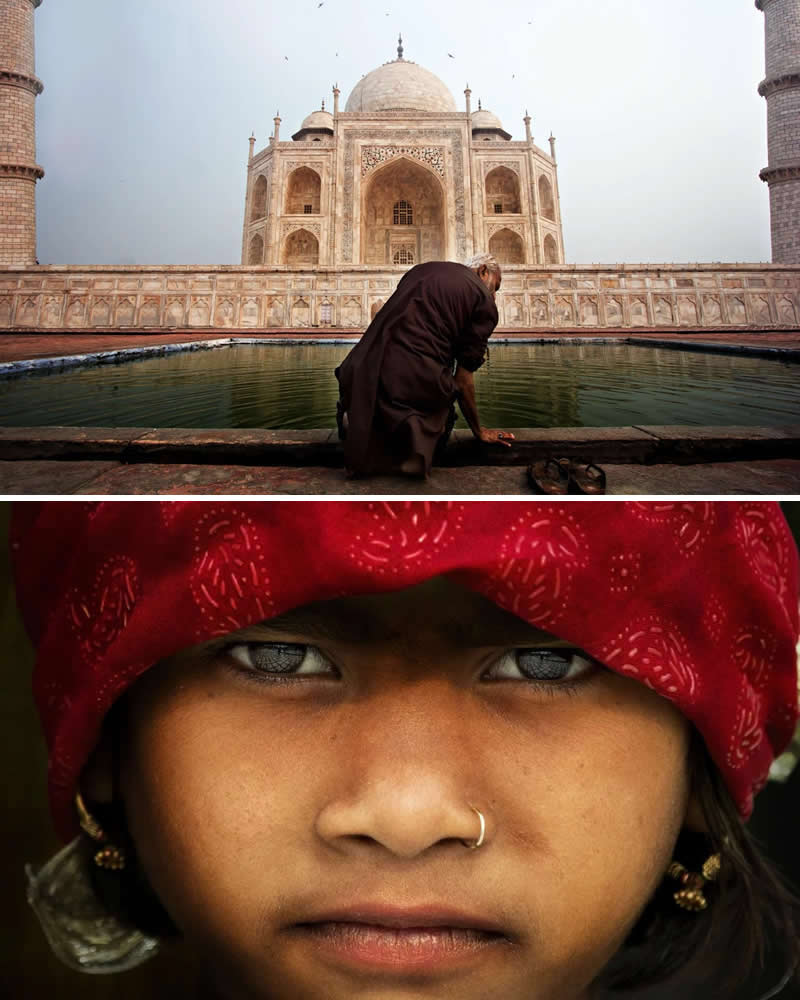
8. Sikh – India
A Global Mosaic of Cultures
Bergamini crosses continents, finding people shaped by their land.
In Mongolia, Berkutchi eagle hunters share an ancient bond with golden eagles across vast steppe landscapes. In Papua New Guinea, the Asaro and Kalam peoples keep traditions alive through ritual masks and ceremonies tied to their mountain forests.
In Indonesia, the Sikerei shamans of the Mentawai maintain spiritual relationships with the rainforest, while the Sumbanese people build towering traditional houses along Indonesia’s coastal plains.
The journey continues through the Himalayas with Ladakhi and Kashmiri communities, across China’s rivers with traditional fishermen, and into the deserts of India with the Rabari nomads.
Each shot is a glimpse of culture. Together, they form a living atlas of humanity.
9. Monk – Myanmar
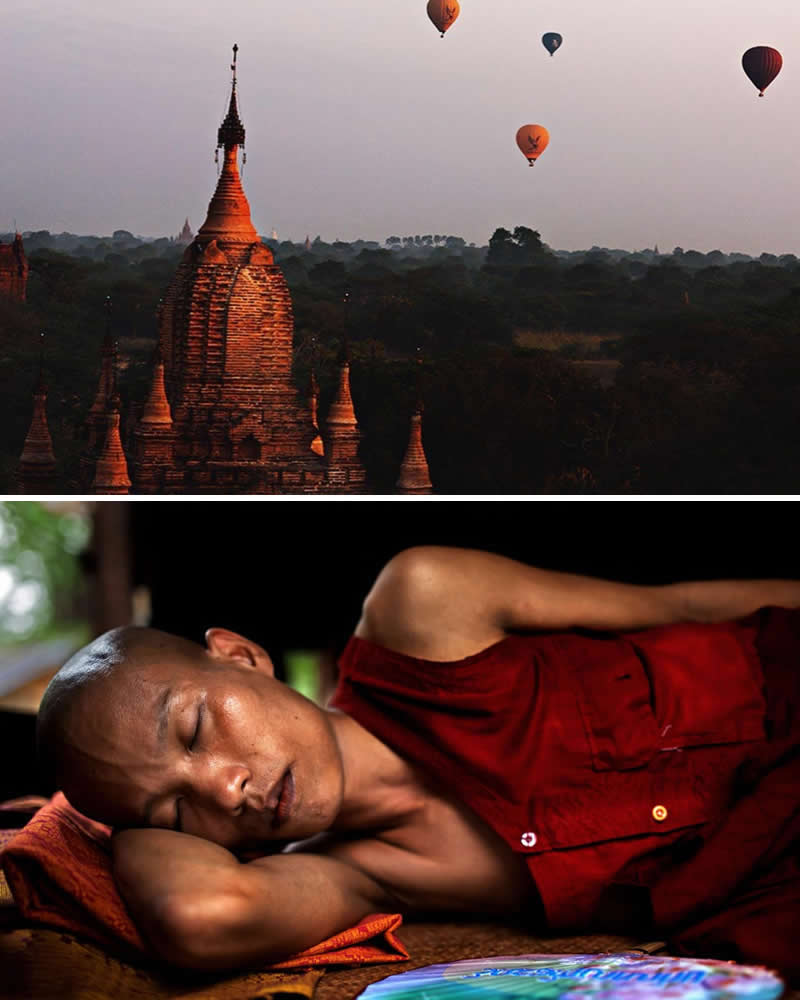
10. Mundari – South Sudan
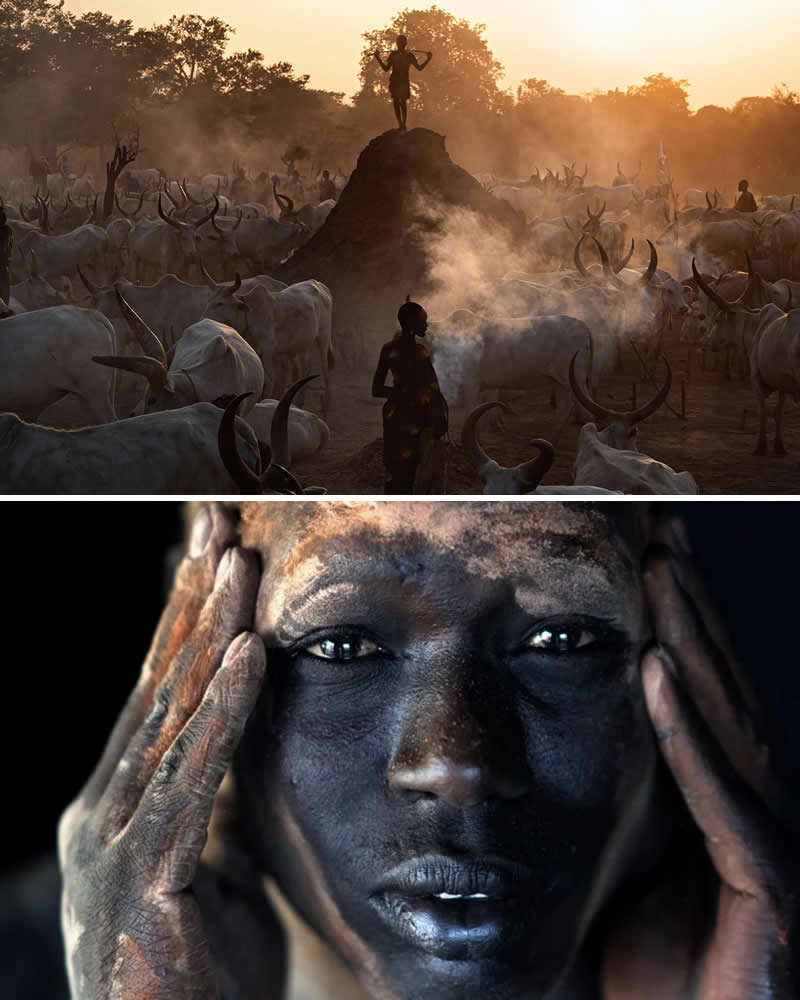
11. Fishermen – China
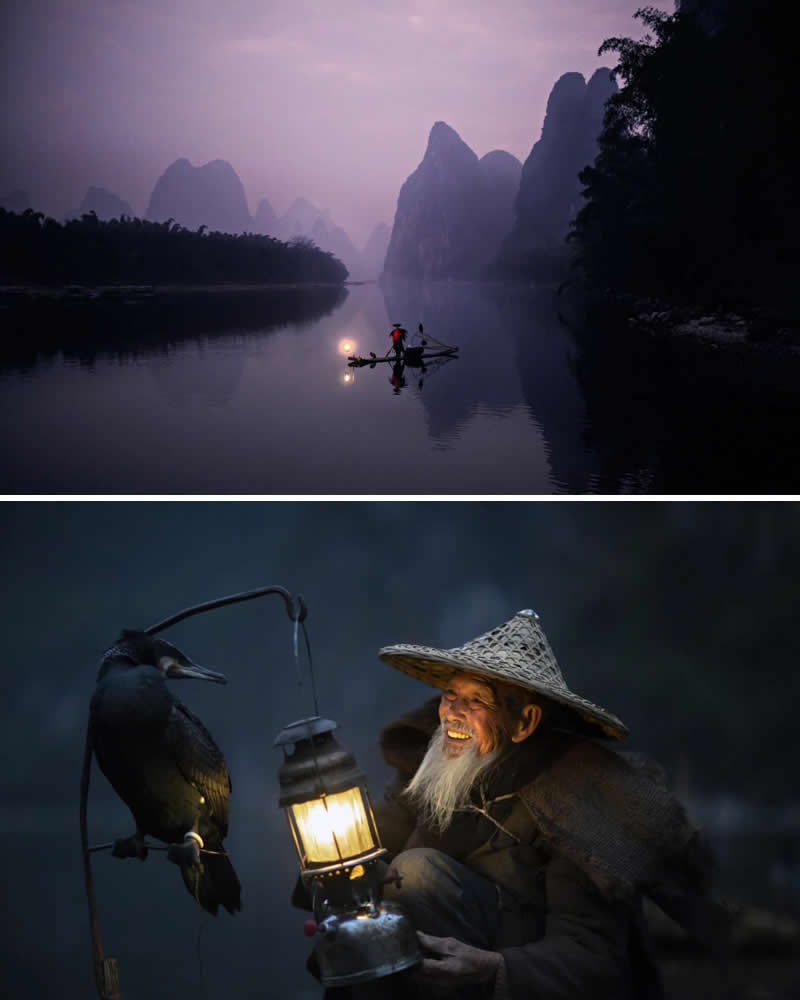
12. Bakerwal – India
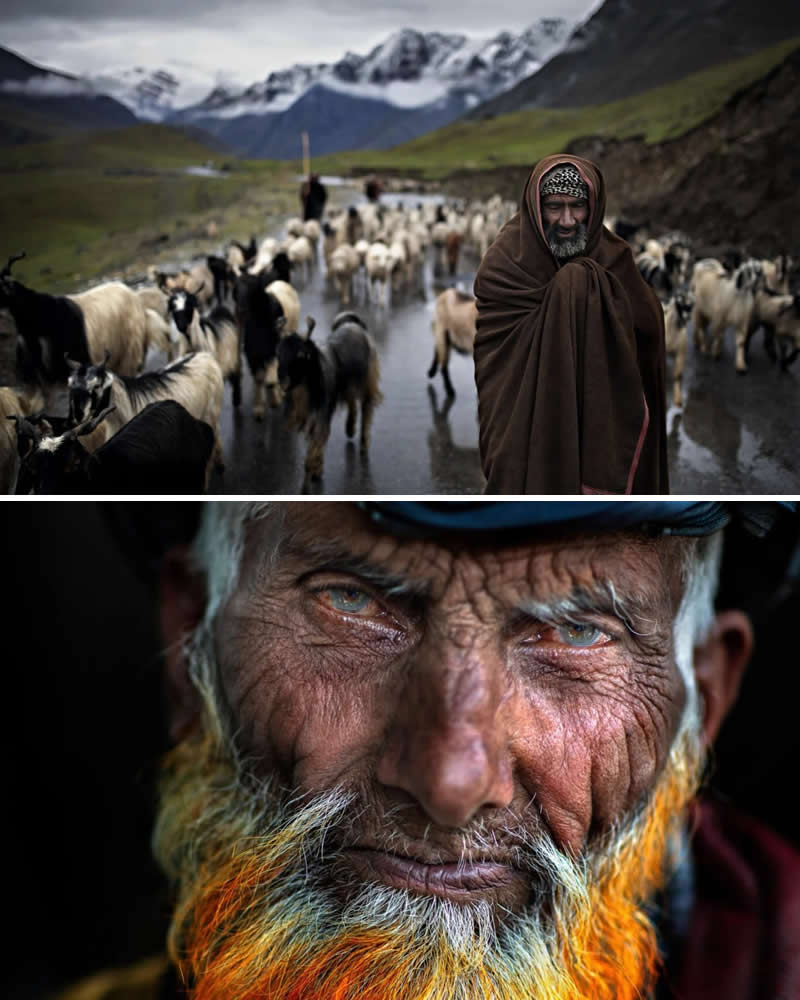
Human Geography in a Single Frame
He calls it “human geography.” It’s more than land—it’s how people make meaning where they live.
Consider the Mundari cattle camps of South Sudan, where towering horned cattle and smoky fires define daily life. Or the Kyrgyz nomads of Afghanistan’s high plateaus, where altitude shapes both survival and tradition.
In Myanmar, Buddhist monks move through landscapes dotted with ancient pagodas, while in China’s Dong villages, daily farming and architecture mirror the rhythm of surrounding mountains.
These portraits show how landscape shapes clothes, work, and belief. Culture grows from the ground up.
Every image proves place shapes identity.
13. Ladakhi – India
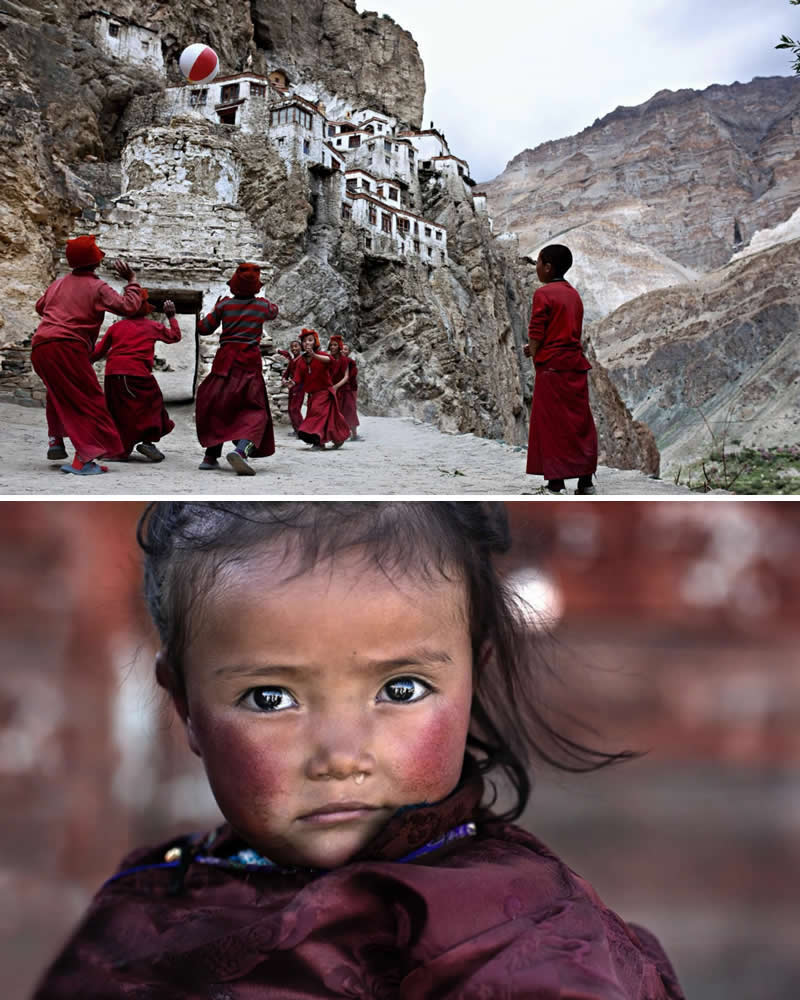
14. Sumbanese – Indonesia
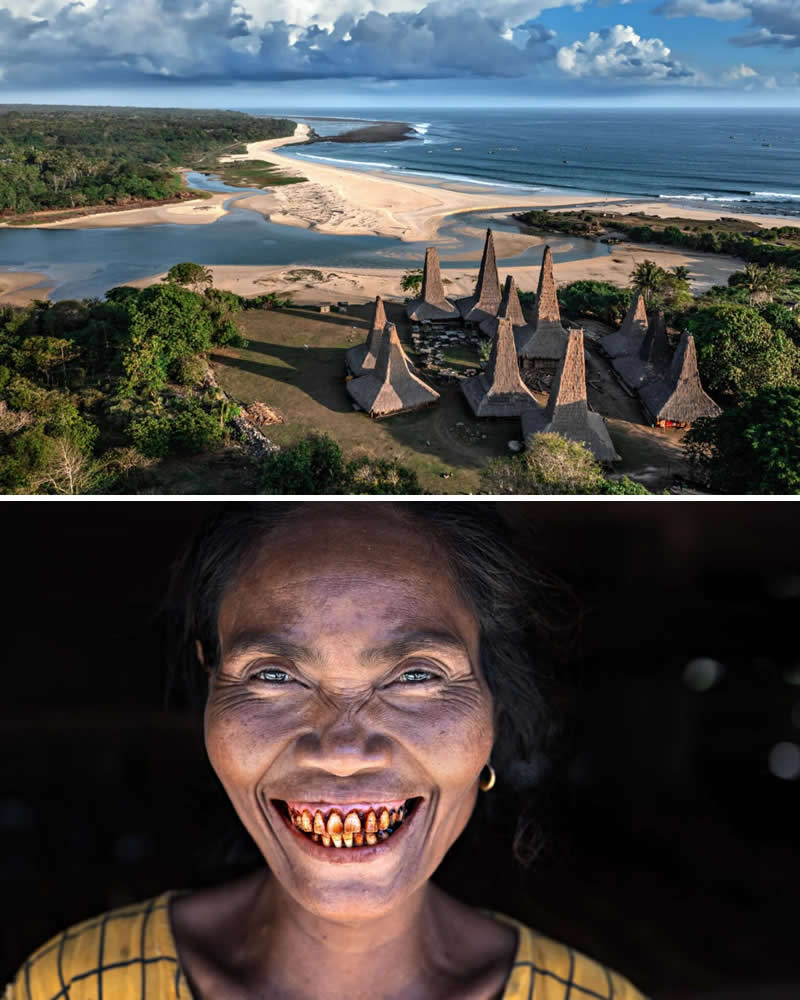
15. Kalam – Papua New Guinea
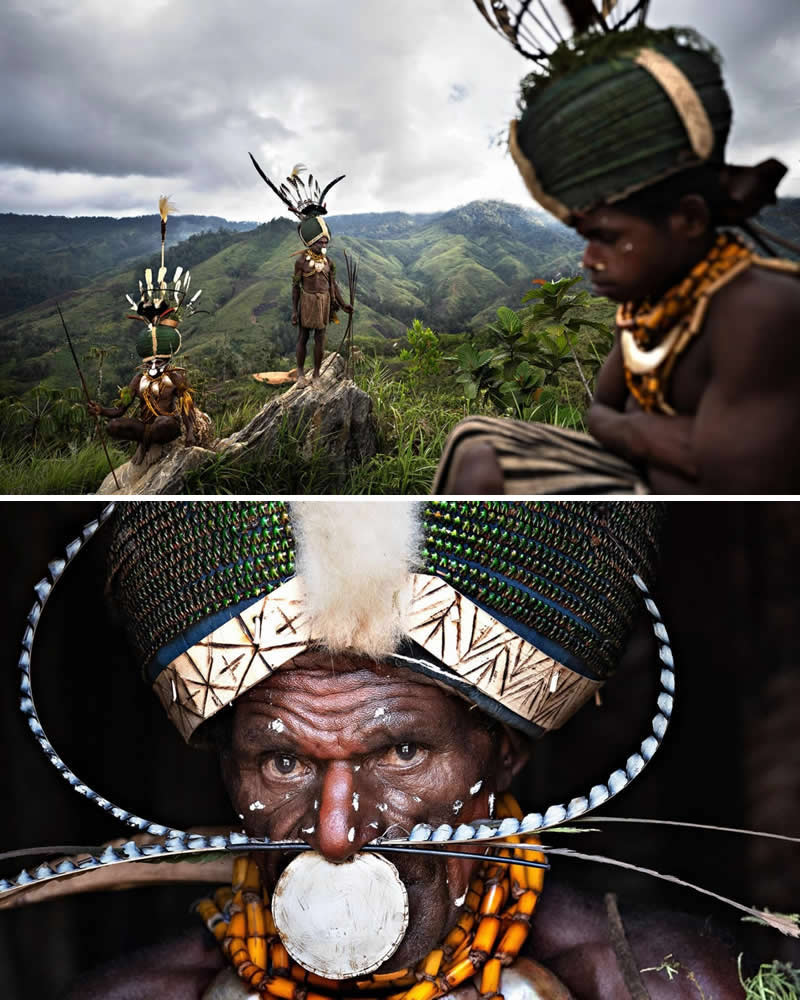
16. Rabari – India
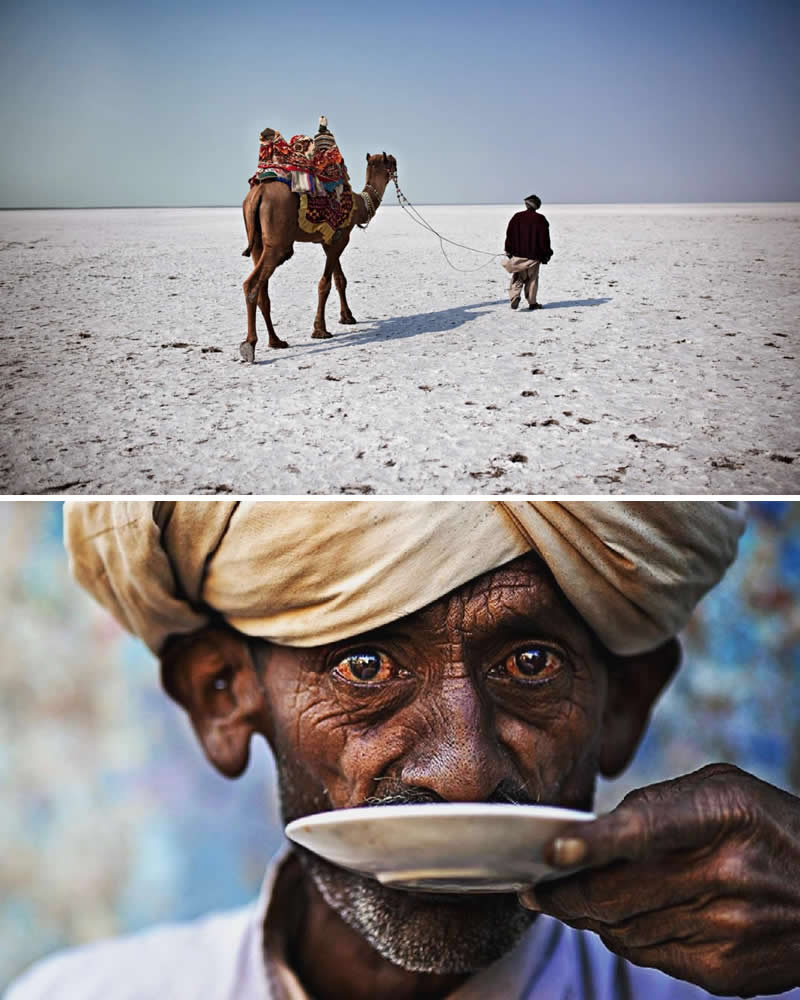
A Visual Story of Humanity
In the end, this is our shared story—told through faces and places.
Despite every difference, one thing connects us: the bond between people and place. From China to Kashmir to South Sudan, culture grows from land.
These portraits remind us: the world is a web of places and people—always changing, always connected.
Seen together, these faces and places form what the photographer calls a fragment of the great mosaic of Humanity.
Step back, and the mosaic says it all: every face carries its own landscape.
17. Kyrgyz – Afghanistan
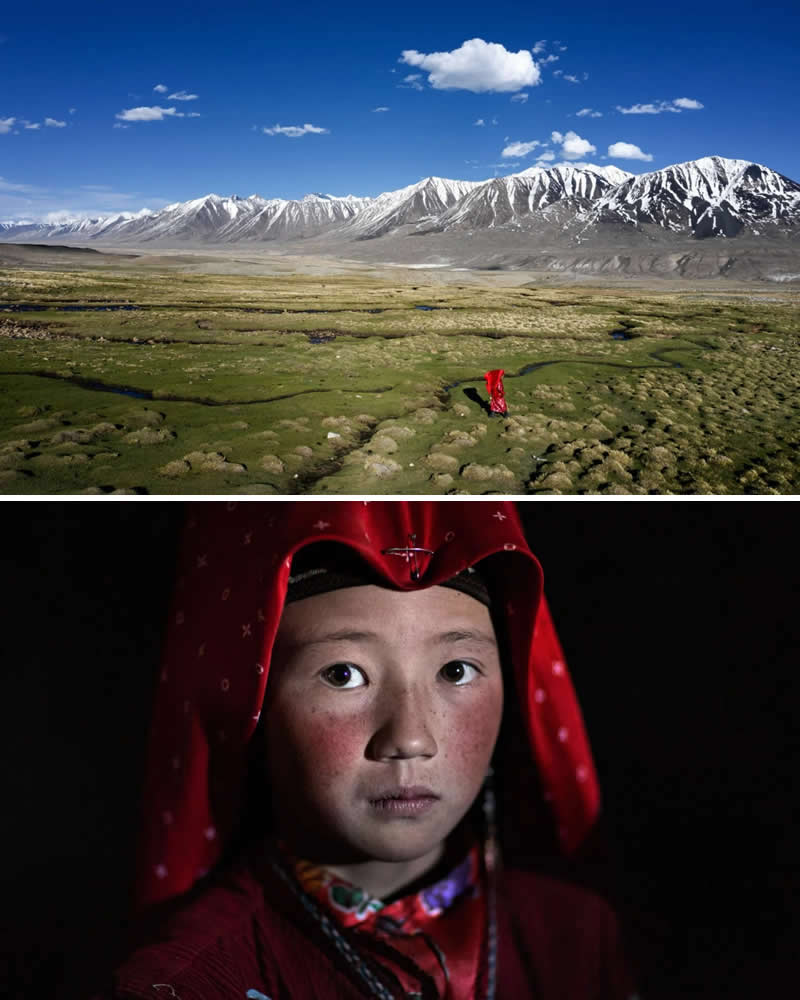
18. Dong – China
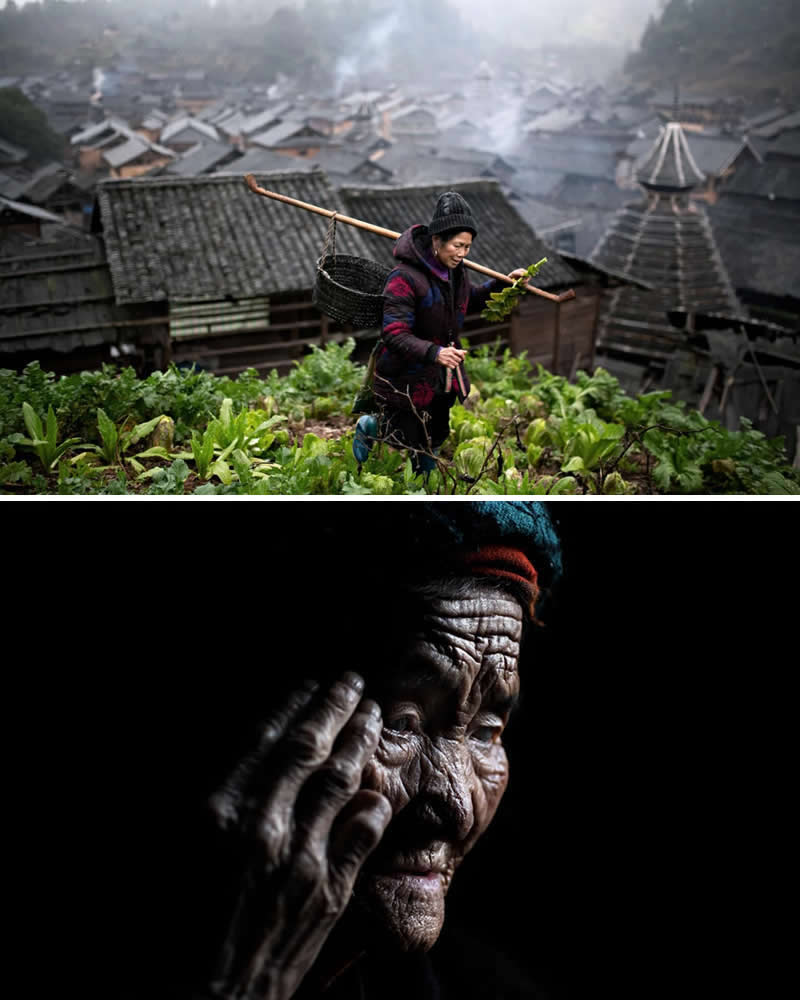
19. Kashmiri – India
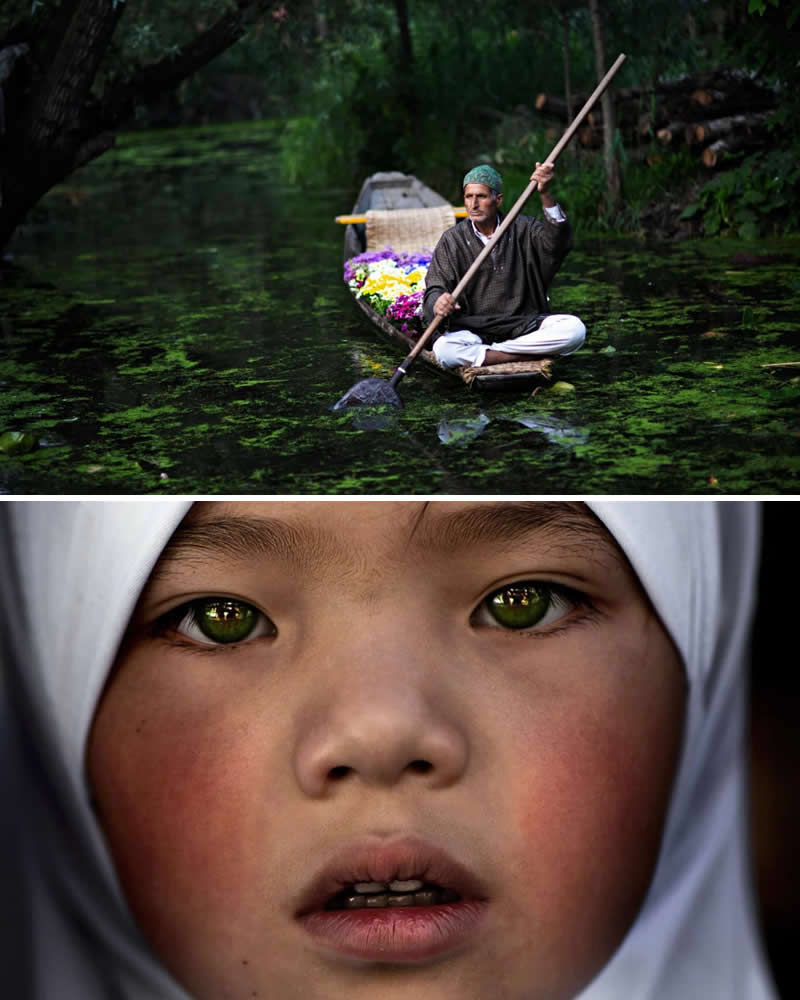
20. Larim – South Sudan
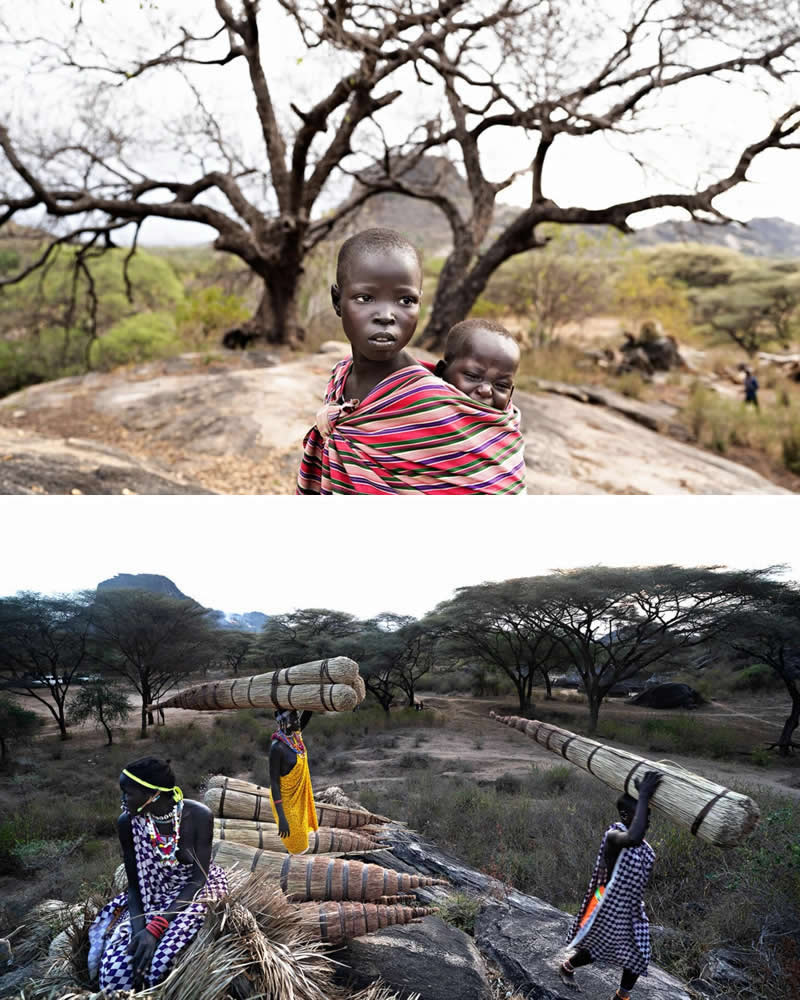
FAQs
Who is Alessandro Bergamini?
Alessandro Bergamini is a documentary and portrait photographer who focuses on showing the deep connection between people and the places they call home. Through his lens, he tells stories about culture, identity, and the land, creating striking images that highlight how people and their surroundings are linked.
What is “Each Face Belongs to a Place” about?
“Each Face Belongs to a Place” is a worldwide photography project that matches portraits of individuals with the unique landscapes they inhabit. This series shows how geography, culture, and traditions all grow together, shaping people’s sense of identity in communities around the world.
What is meant by human geography in photography?
In photography, human geography is about understanding how people interact with the places they live. It looks at how the land influences culture, traditions, work, and everyday life, showing how closely identity and place are tied together.
Which cultures are featured in Bergamini’s project?
Bergamini’s project includes a wide variety of communities from all over the world, such as the Nenets in Russia, the Q’ero people in Peru, the Bajau sea nomads in Malaysia, the Mundari in South Sudan, the Berkutchi eagle hunters in Mongolia, Ladakhi monks, Kashmiri villagers, and many more.
Why are landscapes important in portrait photography?
Landscapes give portraits a deeper sense of place. They show the background that influences people’s daily lives, traditions, and who they are. When photographers include the land in their portraits, they can share fuller stories about the bond between people and their environment.





 English (US) ·