

Universes Beyond has finally leapt from Magic: The Gathering and into Wizards of the Coast’s other hugely popular game, Dungeons & Dragons, with the release of its World of Warcraft Gameplay Expansion — a 256-page book detailing precisely how the planet of Azeroth should be adapted into the most popular tabletop RPG.
I’ve spent the last couple of weeks devouring this new book, and while I’ll admit to already being a fan of Universes Beyond — I think it has done an amazing job of introducing my favorite trading card game to complete newcomers, and I have hopes it’ll do the same for D&D — whether you’re in my camp, or you’re someone who would rather keep your game worlds isolated, I think you’ll struggle to find complaints with this module.
Of course the book heavily focuses on the WoW-ness of the additions it makes to the TTRPG, yet so many of the new races, subclasses, monsters, and other rules could easily slot into any campaign setting. And if you need a little extra nudge, this book includes the long-awaited refresh of some fan-favorite subclasses which had yet to receive their post-2024 update (like the Swashbuckler Rogue and Way of the Drunken Master Monk, renamed to Warrior of Mystic Brews).
Though perhaps best of all, none of this excellent new content will destroy your bank balance. The Gameplay Expansion costs $59.99 / £49.99 / AU$84.99, which, while at the higher end of what D&D books sell for, feels like a reasonable price considering the amount here for players and Dungeon Masters. Plus, third-party retailers are sure to sell you this expansion for less than MSRP, especially during sales periods when D&D books are known to get a price cut.
My only disappointment is that I feel it’s not the most newcomer-friendly if you’re looking to be the Dungeon Master — the person who has to run the games. Just a quick one-shot adventure would do the trick to get the ball rolling, but as is, I’d suggest the DM is someone with D&D experience. Which is a shame considering Universes Beyond’s new-player appeal.
That said, I think this expansion is excellent no matter your affinity for WoW, but if you’re still unsure whether you should grab the World of Warcraft Gameplay Expansion for Dungeons & Dragons, let me explain a little more why I love it.
A feast of flavour, and heroes
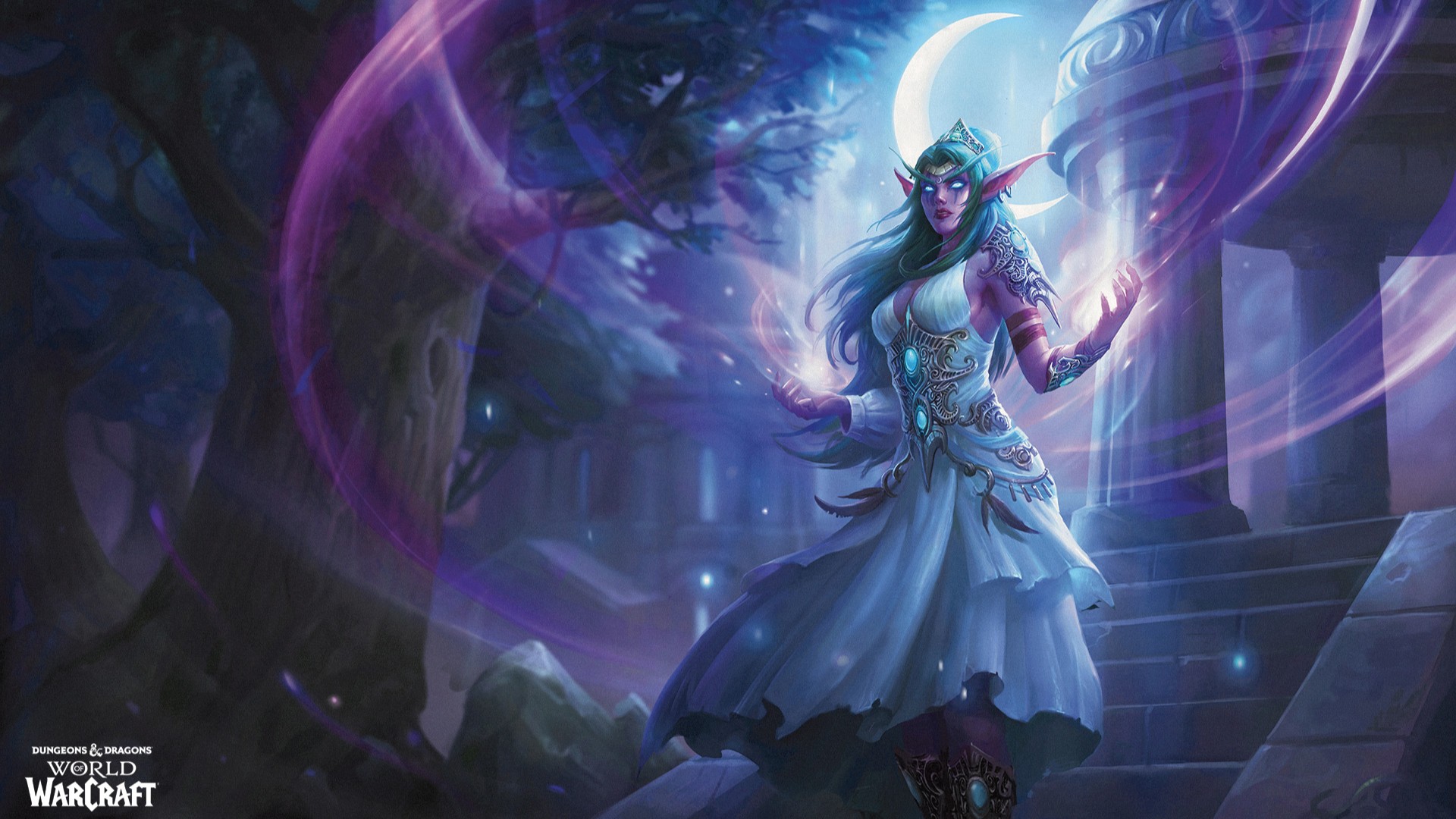
Let’s begin where this book does: Chapter 1: Character Classes. Every class in Dungeons & Dragons features in this World of Warcraft expansion to give players a guide for how the TTRPG can be adapted to fit the champions Azeroth locals will be familiar with. Admittedly, some get more attention than others, but what I loved to read was that every class gets at least something new — rather than some being ignored entirely like with other recent expansions.
For those on the shorter end of the stick — Druids, Wizards, Fighters, Warlocks, and Rangers (though they’re a special case I’ll get back to later) — this means just some new spells, Battle Master maneuvers, or Eldritch Invocations. Though I’m not complaining after reading through their new tools.
Conjuration-focused Warlocks will love the Expendable Minions invocation, which turns downed minions into healing for you or an ally, while the new version of Mass Polymorph feels like a hilariously perfect way for a more chaotic Wizard to dispatch a surrounding army — transforming any number of terrifying foes into harmless goats.
You’ll also notice these classes, and all others, have simple guides to follow for what spells and feature choices to make so that the D&D class feels most like the World of Warcraft specializations. Some class names have changed too. Wizard is Mage, Fighter is Warrior, and Rangers are Hunters (I’ll highlight other class name variations as we go).
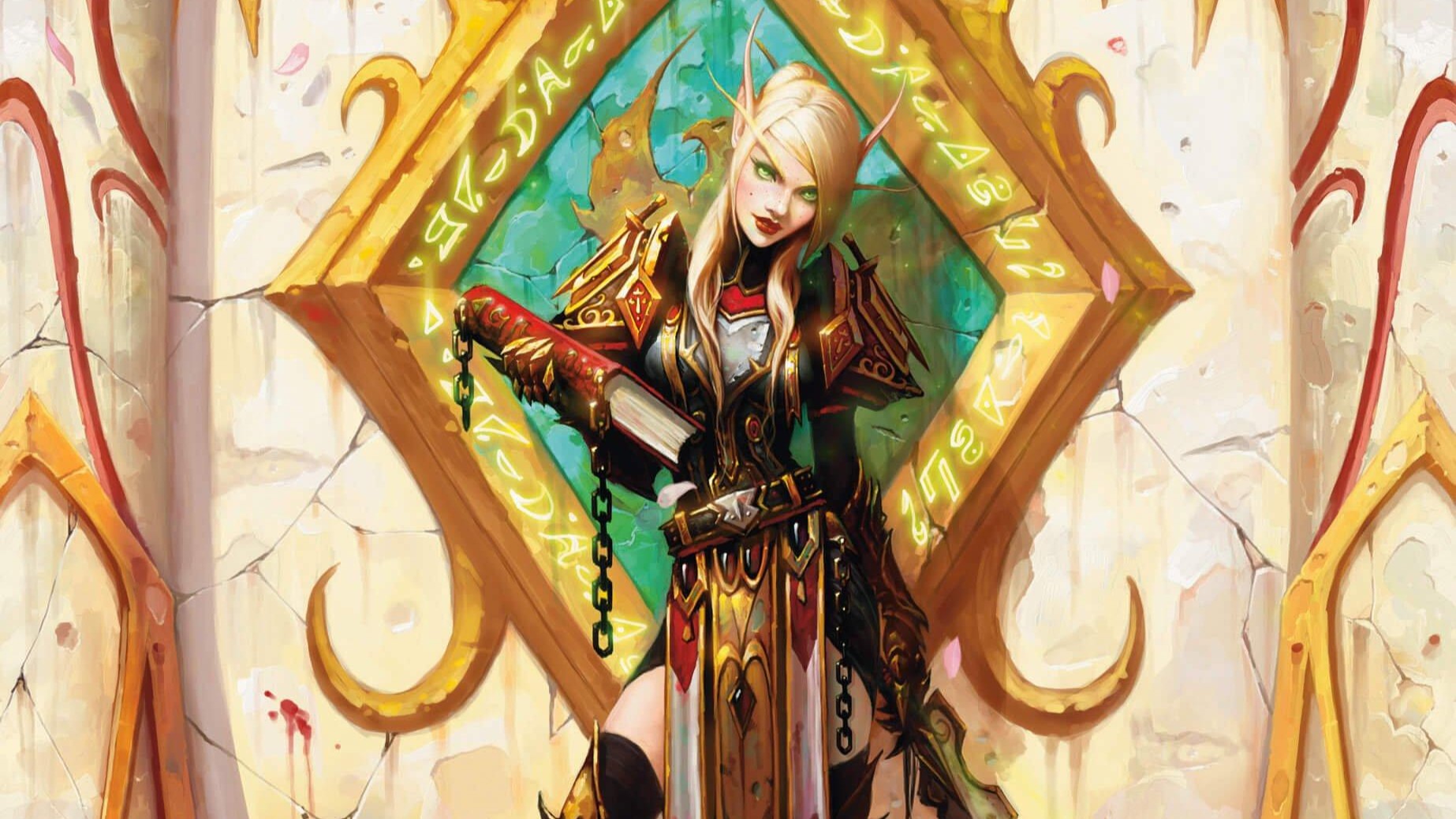
One step above are Monks, Paladins, Clerics (Priests), Rogues, and Barbarians (Shamans), who all get a new subclass or two, or at least a revised version of a subclass, yet to be updated since the 2024 rules update.
In that latter camp are the Swashbuckler Rogue and Drunken Master Monk, which has been renamed Warrior of Mystic Brews. As with other post-2024 rules update refreshes, these subclasses feel very familiar, though there are some mechanical tweaks here and there to better balance the player option against the other choices you could make — or, in the case of Warrior of Mystic Brews, make the subclass feel like a more distinct option in your repertoire.
The brand-new subclasses steal the show to some extent because of their freshness, and I’m desperate to play an Oath of the Holy Paladin in my next campaign. This version of the knight is far more focused on healing than fighting — fulfilling a more supportive tank role; however, I still wouldn’t want to get struck by its Divine Smite.

Finally, circling back on the Ranger’s ‘special case,’ you’ll find three so-called Hero Classes — the Death Knight, Demon Hunter, and Evoker. This never-before-seen flavor of character option is a sort of subclass, but rather than building on the existing class’s base, they tear down and rebuild some core aspects (something subclasses don’t tend to do).
For example, the Oath of the Ebon Blade Death Knight takes away the Paladin’s healing Lay on Hands and turns it into a damaging Death Coil, and transforms the heavenly Divine Smite into a demonic Runic Smite.
Calling them ‘Hero Classes’ does perhaps suggest a level of superiority; however, I haven’t necessarily felt that from the options present. These don’t feel like the new best way to play a class, merely an alternative way. The Hero Class designation just denotes that there’s a layer of complexity because the core class is altered — though I found the World of Warcraft Gameplay Expansion’s guide very easy to follow, and I expect newcomers won’t struggle to build one of these three options if they follow it.
Azeroth professionals
Characters are more than their class, however.
Unfortunately, the World of Warcraft expansion doesn’t provide us with any new Backgrounds — pre-adventure origins which determine the starting skills of the player’s character — but there is a wide selection of fantastical races to select from, and various WoW factions for their party members to develop an affiliation with.
Much like classes, if there is an existing Dungeons & Dragons native — such as Dwarves or Elves — you’re asked to lift the rules from the Player’s Handbook, but races or variants of races that exist only in WoW are given bespoke traits. The monastic Pandaren can use their Inner Peace to recover more health when resting, and leave foes quaking after an attack, while Dracthyr can use their wings to glide — taking no falling damage if the drop is under 100ft, and being able to travel horizontally as they plummet.
Of course, there are also a few pages spared for mounts and creature companions — iconic World of Warcraft pets that you can ride into battle, or which offer some small buff if your friendship with them is high enough.
World of Warcraft: Official Reveal Trailer | Dungeons & Dragons - YouTube

Factions are lifted wholesale. The Alliance and the Horde (and their respective subfactions) take center stage, but there are other groups a party may prefer to build a relationship with. There are some mechanical advantages to building renown with various factions, but they’re generally a narrative device — Dungeon Masters have a reliable quest giver in the form of friendly faction leaders; they could lock greater quest progression behind first gaining the trust of a new faction, or force players into a strained truce with rival factions to work together to achieve some greater goal (requiring careful role-playing scenarios to ensure the two sides don’t resume their hostilities).
I’ll get back to the toys and tools this Gameplay Expansion affords DMs, but finishing things off on the players' side, we need to talk about Professions.
Professions expand the basic crafting rules from the 2024 Player’s Handbook and Dungeon Master’s Guide by providing players specific guidance on how to develop their character’s foraging and item-making skills — and how to take advantage of these abilities.
For parties who spend a lot of time among civilisation, these skills aren’t going to change their games very much, I expect, but if you’re planning a campaign which ventures deep into the wilderness (which I now am after being inspired by these rules), they’ll provide a vital way for the group to replenish and upgrade their gear.
The basic idea is that crafted items and foraged resources are given specific values based on their rarity and where they were found. Collect enough resources, and you can create an item that’s worth as much as the combined value of the resources you’re using — provided they’re of the appropriate type, i.e., foraged plants and animal viscera are perfect for potions, while mined ores and animal skins are used for weapons and armour.
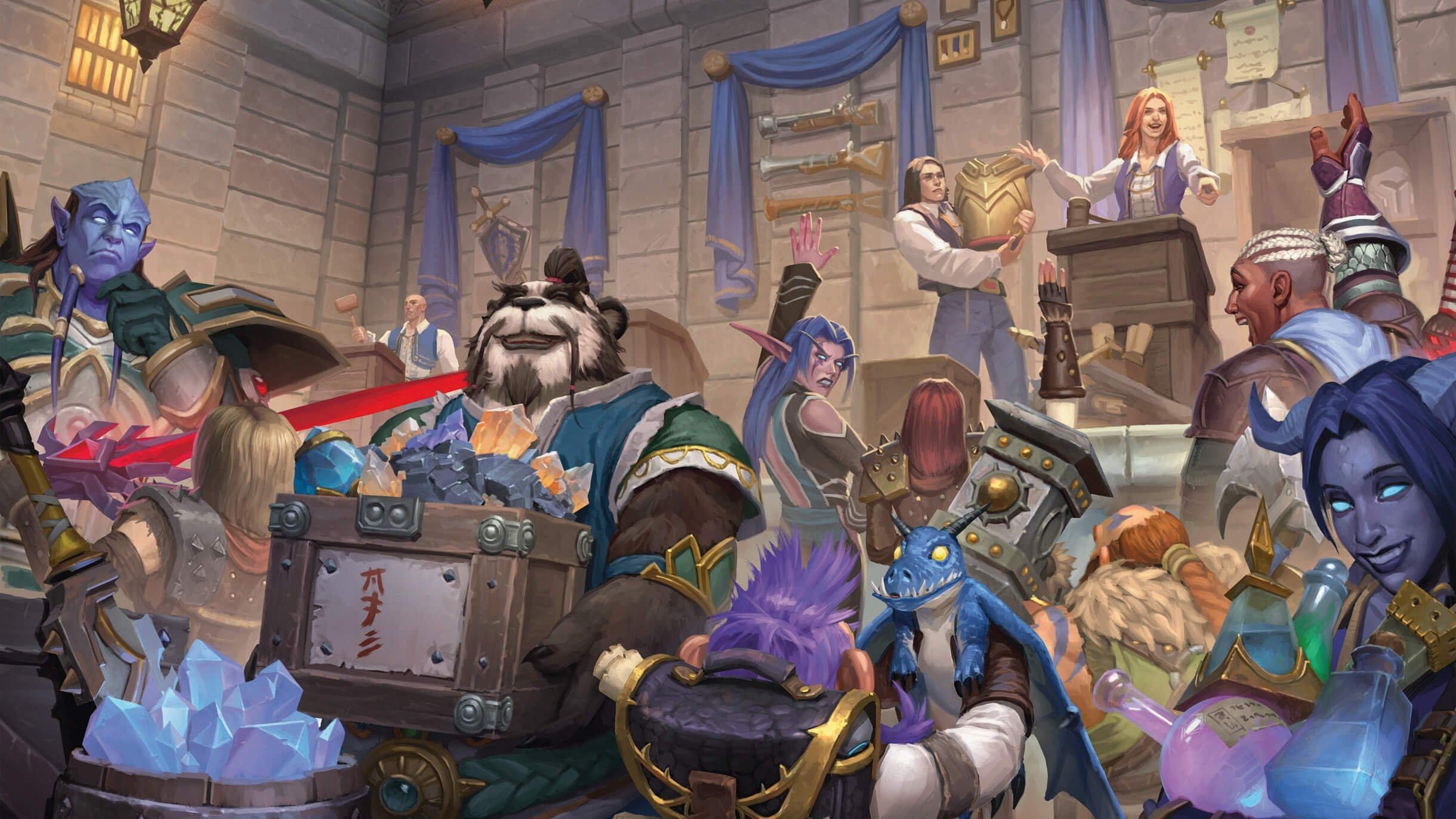
The rulebook stays away from generating specific recipes outside one or two examples, but it encourages DMs to bring the crafting system to life within their game world. This could involve requiring specific quantities of specific resources rather than merely generic value — i.e., a potion of waterbreathing needing five pieces of common stranglekelp, and two vials of oil extracted from the rare blackmouth fish rather than merely 100GP of parts — or turning getting a specific rare resource into a side quest — such as a Staff of Fire requiring a ruby plundered from an adult dragon’s horde, or tracking down an expert blacksmith if crafting a magic sword for the first time.
Though the rulebook encourages DMs and players to not turn their D&D adventure into a grinding slog. Repetitive actions are boring, and constantly diverting attention away from the main quest might derail the campaign into one about crafting gear with no real purpose behind the item making. Even if collecting enough of a resource might take a character a week to do in-game, this could be handled with just a couple of die rolls and only take a few minutes of real-world time — with that week either using up the character’s downtime allotment or impacting the ongoing quest if there are time-sensitive elements.

The world of Warcraft
The second half of the book is dedicated to describing the world of Azeroth. It takes you through the planet’s mythology, a brief history, and its geography — providing a quick description of key locations — before delving into a selection of iconic dungeons you could explore on your adventures, and a bestiary of foes you could face off against.
It’s very much a section dedicated to the Dungeon Master, the ‘player’ who runs the whole game for the party. Providing them with many of the tools they’ll need to manage an engaging campaign, or one-shot for the group.
Much like the rest of the book, it strikes a balance between in-depth information and leaving room for the DM’s creativity. And while it’s not the most relevant to players, I think it’s a smart idea that it’s included in this singular expansion rather than being a standalone product — making this WoW 5e release feel very approachable because you don’t need to decipher which selection of books you need; it’s just this one and the three core rulebooks (Player’s Handbook, Dungeon Master’s Guide, Monster Manual).
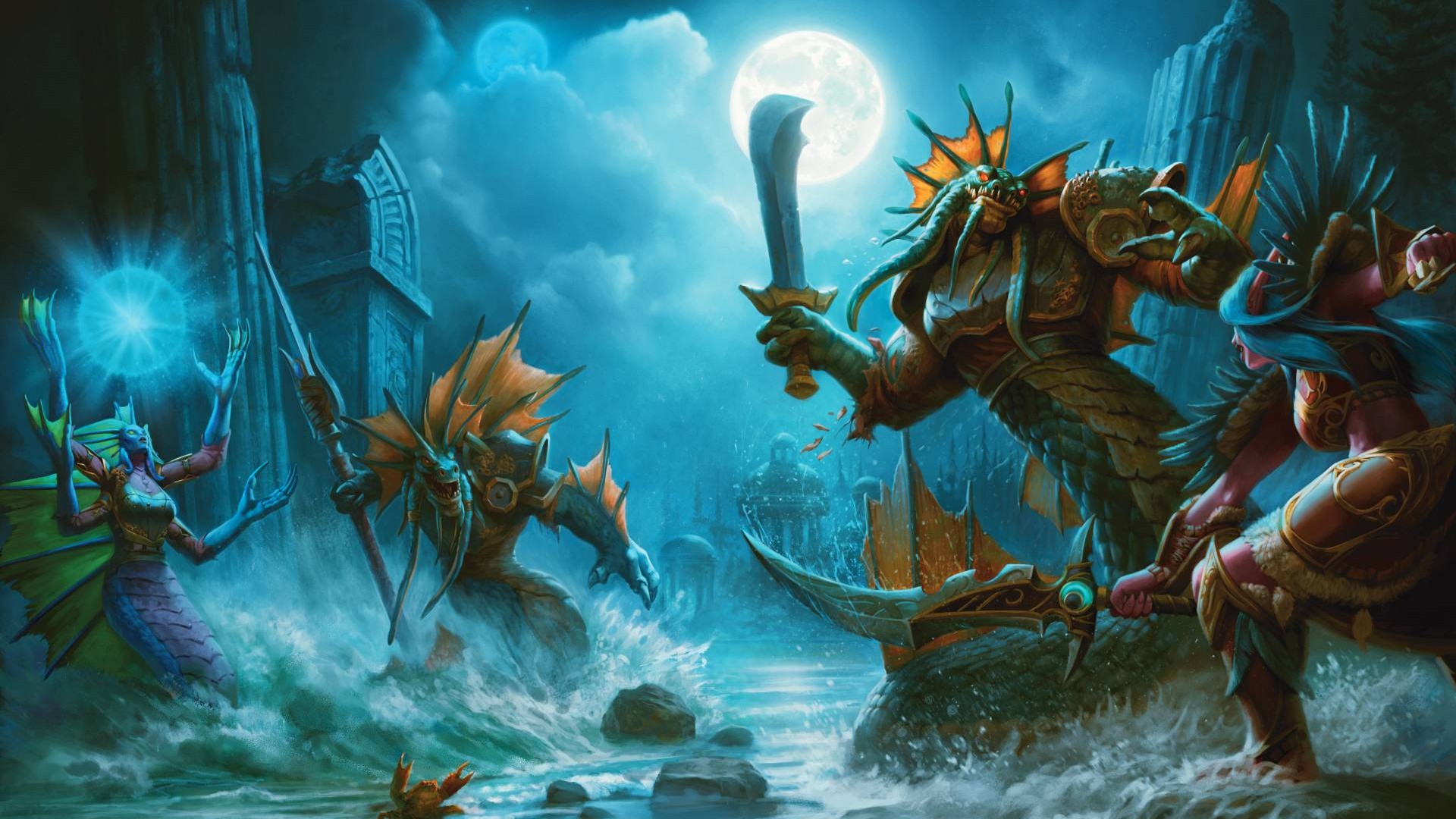
As a more experienced DM, I love the more light-touch approach — it provides more freedom for me to adapt the Azeroth elements for my own campaigns on or off its world — however, I do think newer Dungeon Masters will struggle with the resources here.
I understand that Dungeons & Dragons modules tend to lay things out alphabetically, but I think it would have been smarter to order the pre-made dungeons in challenge rating order so that it’s easier to find the noob-friendly expeditions. I also wish there was a more fleshed-out starter adventure that takes pre-made characters from level one to levels three or four, with guidance on how to manage running puzzles, combat encounters, and social interactions.
Coming from Magic: The Gathering, I’ve seen how Universes Beyond excels as an onboarding tool for newer players, and for the most part this World of Warcraft expansion hits the mark. However, on the actual adventure-running side, without a proper, even just a quick one-shot to guide newer Dungeon Masters through the motions of running a game, I can see it being a struggle for complete newcomers to jump into their first TTRPG game.
This one-shot would also simplify the resources you need out of the gate, because the premade character sheets and adventure could include any relevant details you’d find in the core rulebooks, like race traits and stat blocks. This reduces the barrier to entry to just this one World of Warcraft book to get into your first adventure, without removing the need to pick up the core rulebooks if you’re keen to play a full-on campaign.
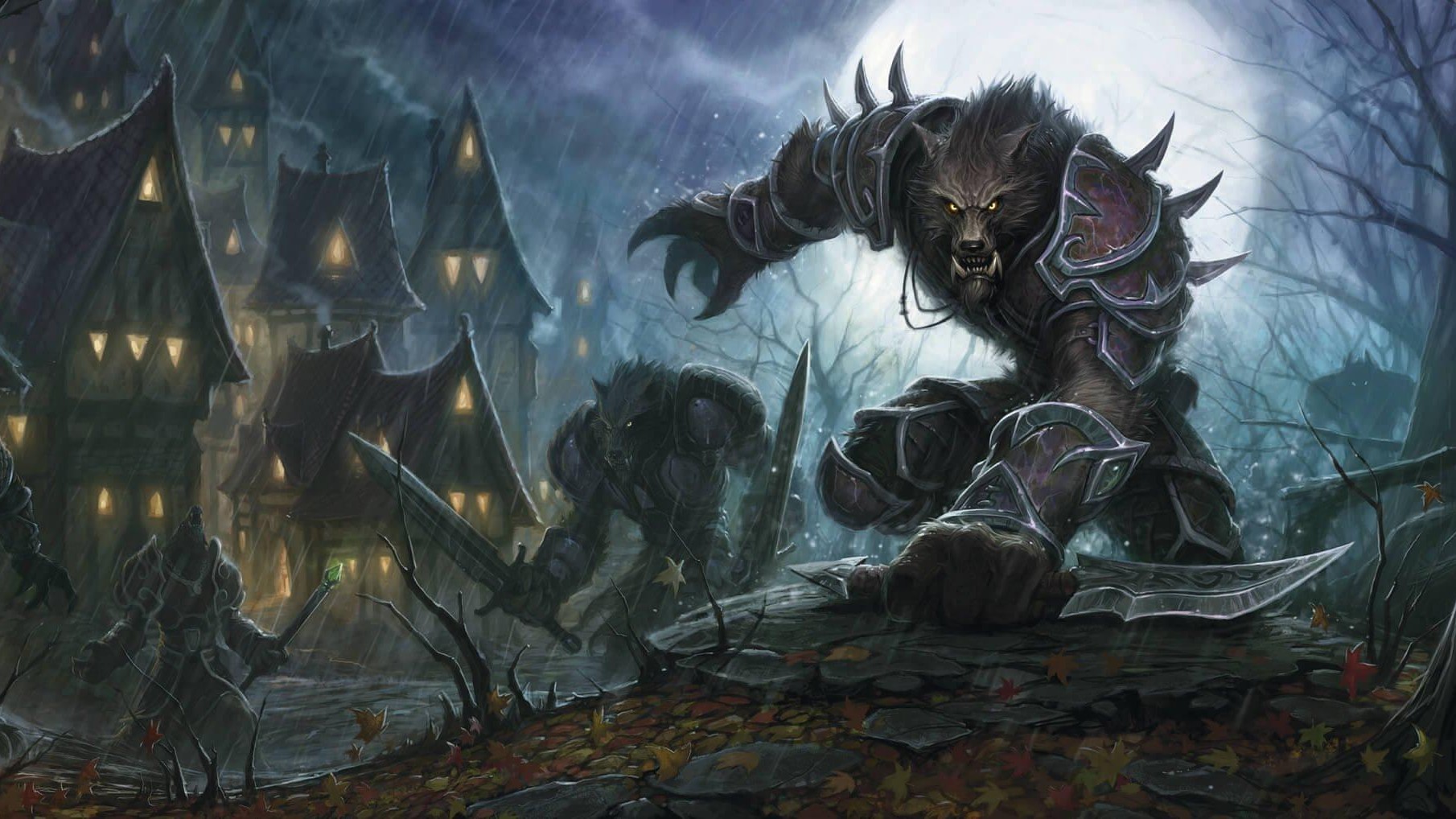
As it stands, I think the World of Warcraft Gameplay Expansion for Dungeons & Dragons is mostly excellent. As someone with little affinity for this Universes Beyond IP, I’ve been pleasantly surprised by how much I have been inspired by its contents, and how excited I am to use its new player options and rules in future games.
For D&D newcomers, this expansion is superb for players — the guides under each class for how to best build its WoW counterpart are a superb detail that should help remove the initial decision paralysis that can afflict newer players who aren’t 100% sure what they should choose — but I wish it offered more support to new DMs. Folks with some experience will adore the light-touch approach, but budding Dungeon Masters (especially any drawn to the game because of this Universes Beyond tie-in) would have been well served by a dedicated one-shot guide that eases them into running a game before setting them loose.
If you’re looking for an excellent gift for the D&D fan in your life as we head into the holiday season, you’ll be hard-pressed to find a better expansion pick than this. This holds true for the World of Warcraft enjoyer in your life, but consider also offering to run their first game in Azeroth for them.

Follow TechRadar on Google News and add us as a preferred source to get our expert news, reviews, and opinion in your feeds.







 English (US) ·