
 3 hours ago
10
3 hours ago
10
My pet demon is far stronger than I intended and sometimes I'm not sure he needs me. Poor guy doesn't even have a proper name—he's just the demon that shows up when I press the Rampage button. He smashes everything apart while I run along behind him cleaning up stragglers.
Need to Know
What is it? An expansion with two new classes, a new campaign and a major systems refresh.
Release date: April 28, 2026
Expect to pay: $39.99
Developer: Blizzard Entertainment
Publisher: Blizzard Entertainment
Reviewed on: RTX 5090, Intel Core i9 12900K, 32GB RAM
Multiplayer: Yes
Steam Deck: Verified
Link: Steam
But I grew to enjoy taking the backseat while I cursed enemies and teed them up for my big demon friend. Lord of Hatred loosens up Diablo 4's restrictive skill trees while also giving them more power than they've ever had before. I found dozens of ways to support my demon as I carved through the islands of Skovos, and settled on one that was both potent and far from passive, challenging me to command my one-demon army while keeping him fed with buffs and clusters of monsters to crush.
Article continues below
My build was firing on all cylinders long before I hit the level cap or entered Diablo 4's post-campaign playground—something I haven't experienced in years. Lord of Hatred shifts the focus back to the fundamentals, back to chasing after the most creative ways to wipe a dungeon clean of demons in an action RPG that lost sight of that.
For the first time in a long time, I crafted a devastating build without having to grind for some ultra-rare piece of gear long after finishing the campaign. And once I had learned the language of the new warlock class, I could look at piles of loot and know exactly how I could use each and every piece. There's nothing like playing an action RPG and having those gears spinning in your head whenever you find a piece of gear that could get you one step closer to becoming an unstoppable god.
Lord of Hatred has revolutionized what it's like to play Diablo 4. It builds on the improvements Blizzard has made over the last few years and ties them together into an experience that deepens its interlocking systems and offers exciting choices to make along your character's journey. The last expansion elevated Diablo 4 into one of my favorite action RPGs of all time, and Blizzard has managed to make it even better.
Final stand
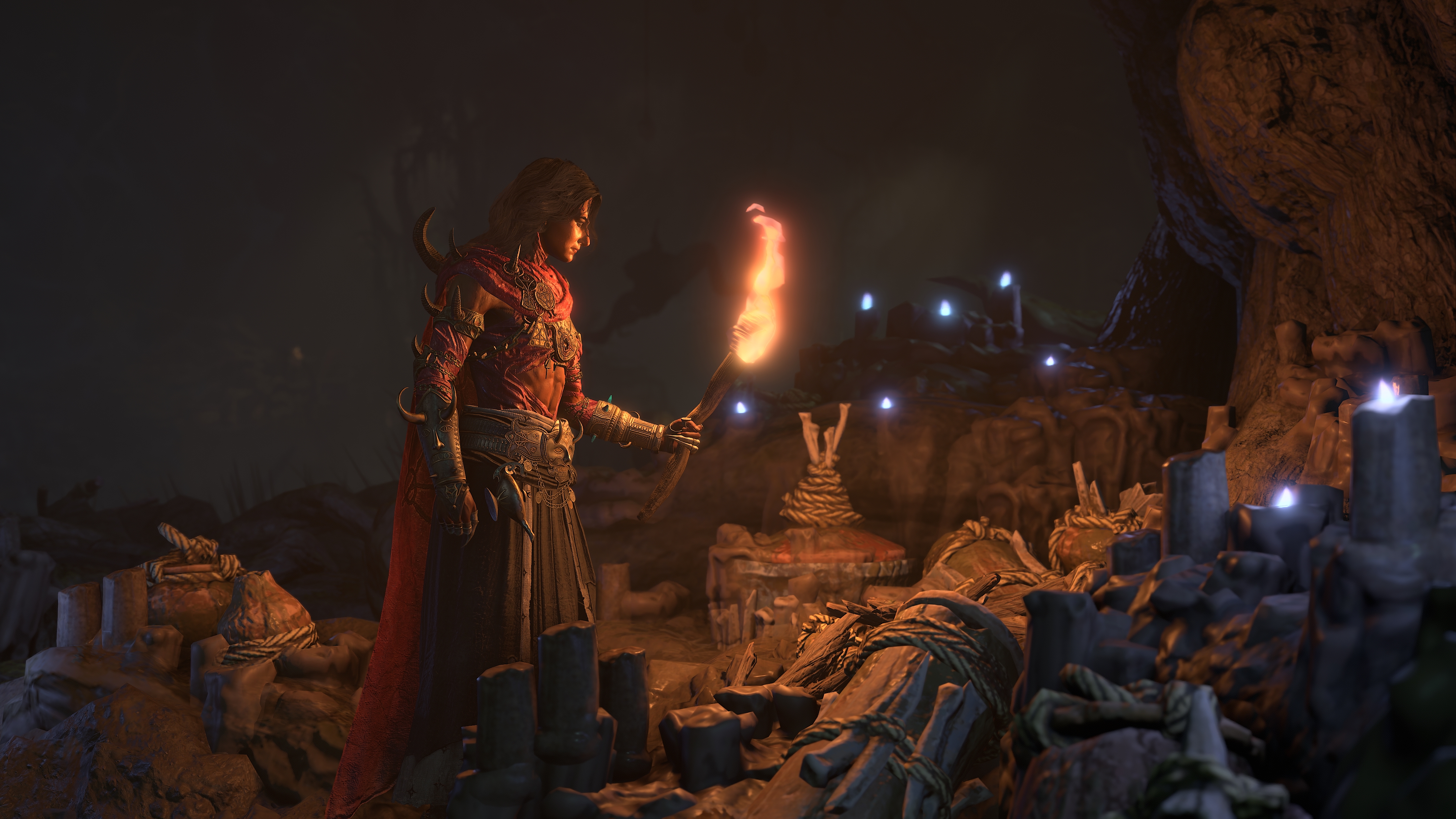
Diablo games rarely play with this level of finality when it comes to villains and that suggestion alone propelled me through the entire campaign before touching much else.
Storytelling has never been Diablo's strong suit for me, but the last expansion, Vessel of Hatred, impressed me by turning its demon villain into a metaphor for self-doubt and regret. There was nothing subtle about it, but focusing on the personal was a smart choice for a game that's ultimately about killing bigger and badder monsters. There's only so many times you can shove a demon into a crystal and expect me to be moved when they inevitably crawl back out. Focus on the characters and I'll be happy to stick around while I level up.
Lord of Hatred may have us chasing after a demon god, but it once again focuses attention away from those tectonic stakes and onto its cast of new and returning characters—including your own. Some of it doesn't land. The player character's reactions to events sometimes had me baffled, and a brief detour where you learn Mephisto, the literal Lord of Hatred, is a bad dad, was silly. But everything else is a satisfying conclusion to the story that started in the original campaign.
Instead of following a bloody trail left behind by Mephisto, I watched him—disguised as a prophet—convince crowds of desperate people that he would save them from the horrors of Sanctuary by performing miracles. Lord of Hatred puts your character in a tricky spot. You know exactly what Mephisto plans to do, but nobody, understandably, wants to side with the person who kills their way to solutions. As players of a game fundamentally about killing bigger and badder monsters, we couldn't have spared the protagonist from that judgment, which makes some of their frustration our own, in a meta way. Neither of us can convince the mob of Mephisto's deception, so we may as well do more of what got us here: kill more stuff.
A timer, in the form of an imminent eclipse brought on by Mephisto, looms over the campaign, bookending each section. Lord of Hatred's story is paced accordingly and flies by compared to what I remember of playing Vessel of Hatred's the first time. By pure hour count, it took longer to finish (around six hours), but it's hard to notice with how few detours it takes you on. It's all island-hopping and monster-slaying as you follow Mephisto and look for a way to stop him that won't be temporary. Diablo games rarely play with this level of finality when it comes to villains and that suggestion alone propelled me through the entire campaign before touching much else.
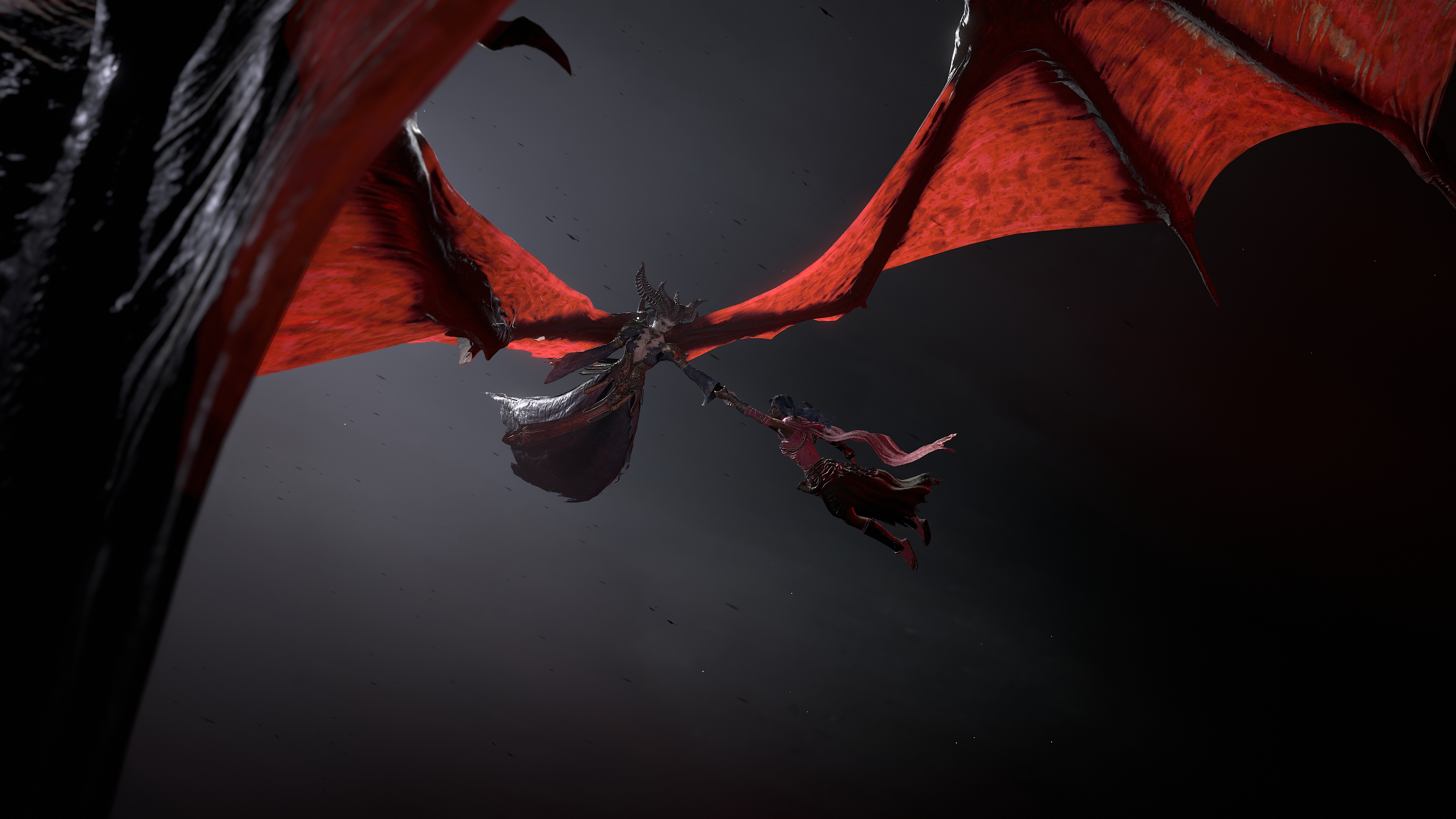
The best part is that it delivers on that in more ways than I had expected. Lord of Hatred is very obviously about the final confrontation with Mephisto, but it's also the end of the journey that started with the original campaign. Without spoiling anything, I'll just say that this expansion is concerned with more than the characters we've seen in Diablo 4 before and offers some resolution to bigger questions in the lore. The way these moments are rooted in those familiar characters, particularly with the bitter old scholar Lorath Nahr, exemplifies the tact the writers have when it comes to wielding nostalgia in such a historic series.
Lord of Hatred's campaign almost has me questioning whether Diablo 4 will have another expansion or if it's time to move on to Diablo 5. While I seriously doubt Blizzard is ready to build an entirely new game yet, I appreciate that this arc of the story is allowed to fully end before the next thing kicks off. For a live service game that isn't going anywhere anytime soon, Diablo 4 has been careful to not let the business model diminish the impact of its campaigns and I'm glad that continues to be true.
Glittering nightmares
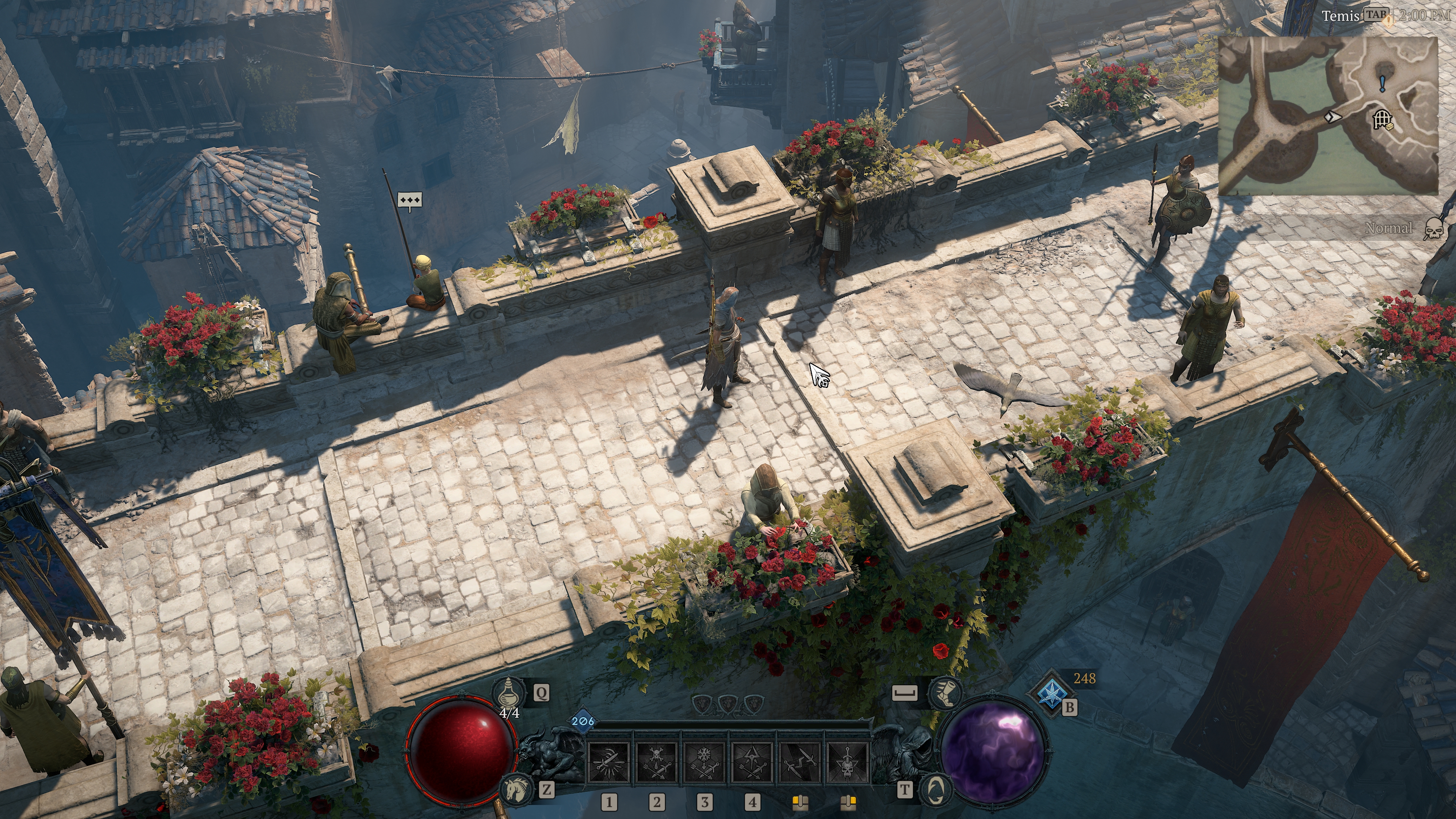
Skovos Isles, the cluster of islands off the mainland where Lord of Hatred is set, turns the lights on in the dark world of Diablo with bright beaches, warm forests, and sun-baked streets. I'm not surprised that it was originally planned as a location in Diablo 3, a sequel infamous for daring to paint the gothic universe with some color.
In Diablo 4, the islands are as stunning as they are threatening. The rocks that line the shores are sharpened teeth and the forests are dense with dead trees that contort like broken limbs. It's not a vacation so much as it is a living nightmare, a dying land stuck in the same purgatory as the rest of Sanctuary. As fitting as Skovos is for Diablo, it was also nice to take a walk without seeing a half-eaten horse carcass and to chill in a city with people who aren't perpetually dying of hypothermia. Skovos expands the scope of the world more than Nahantu in Vessel of Hatred—despite being roughly the same size—by how isolated and different it is from the mainland.
At first glance, I thought the Lycander region would be where Lord of Hatred would stray too far from the aesthetic of Diablo. Its never-ending autumn, dense with tall oaks and green grass, seemed like the kind of place I'd like to have a quiet picnic. But deeper in the forest the grass is turning gray and the trees are becoming petrified: Lycander isn't luxuriating in the most beautiful time of the year, it's desperately holding onto what's left as prickly vines siphon its life away.
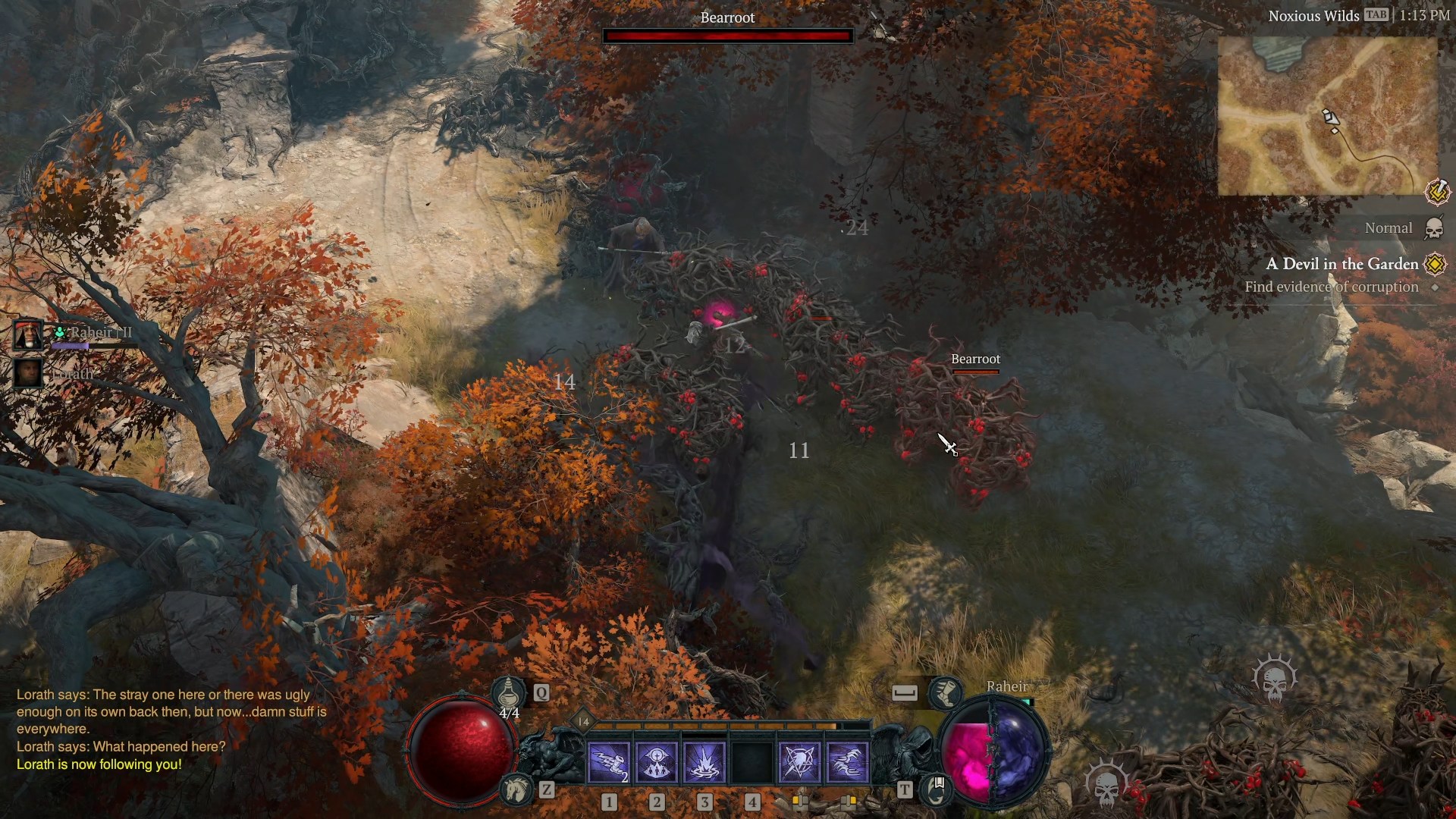
The wildlife is already gone by the time you get there. Bears and other animals have had their flesh replaced with coiled brambles. They crack and crumble as you defeat them, which is a devilish way of making them extremely satisfying to lay waste to when you know the gravity of the situation. But that tension has always been core to Diablo as you save the world from evil and then take it up as a sport for a chance at better loot. If anything, Lord of Hatred might be one of the best examples of Diablo successfully walking this line when the stakes are as high as they are in the campaign.
In much the same way as Elden Ring, Lord of Hatred's most grotesque and surreal locations lurk underneath the surface of its decaying world. To my delight, there are far more dungeons that look like they're suspended in a pocket of hell than there are caves and cathedrals like in the rest of the game. I love a good ribcage or spinal column to help frame an entrance or a boss arena surrounded by the corpses of demons hanging from chains. Diablo 4 already spent the last few years trying to reboot the series into a Diablo 2-esque wasteland with gritty and mundane locations. I'm thrilled that we've finally moved on to the kind of bizarre, otherworldly horror zones that I loved in Diablo 3.
Spoiled for choice
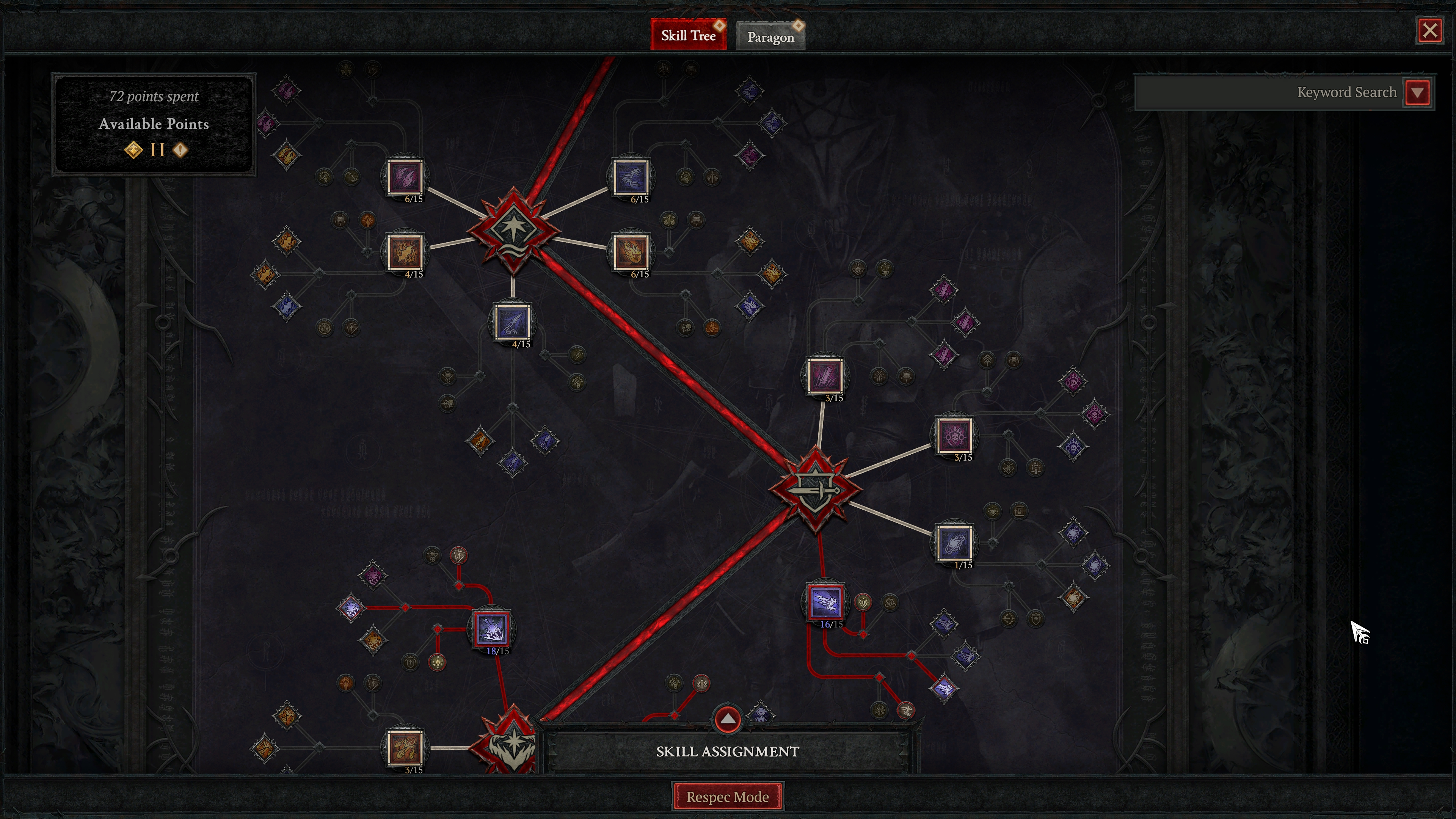
While playing what might be my favorite Diablo campaign, I had the time to fully customize a character and experiment with dozens of skills. I've put hundreds of hours into Diablo 4; I expected the real game to begin when the credits rolled, when you're free to run as many dungeons as you'd like. But I was proven wrong in the first 30 minutes of Lord of Hatred.
I was juggling multiple skills early on in the campaign and, after a couple of hours, had what I would confidently call a functional build. If you're not familiar with Diablo 4: This is unheard of. A critical problem that has only become more and more frustrating as Blizzard has improved the game is how limiting and, frankly, boring the skill trees are compared to the build-defining loot you can find after the campaign.
Playing through the campaign on my warlock gave me the same thirst for experimentation that Diablo 3 did.
Lord of Hatred has almost entirely solved this problem by giving every class new skill trees that can hold their own for the length of the campaign and then some. Freestyling a build in Diablo 4 used to be like being stuck in a maze and constantly running into dead ends. A skill could sound effective, but you'd all too often discover that it was garbage unless you paired it with a specific item. Now, a lot of the most powerful effects are in the skill trees themselves. Your gear still matters, but it's been moved to a more supplementary role.
In practice, playing through the campaign on my warlock gave me the same thirst for experimentation that Diablo 3 did. I swapped skills in and out in between quests just to see if they'd make the cut for my final build and found it hard to stick with one set. This is how, after going through some combinations I still want to explore in the future, I ended up with the world's strongest demon.
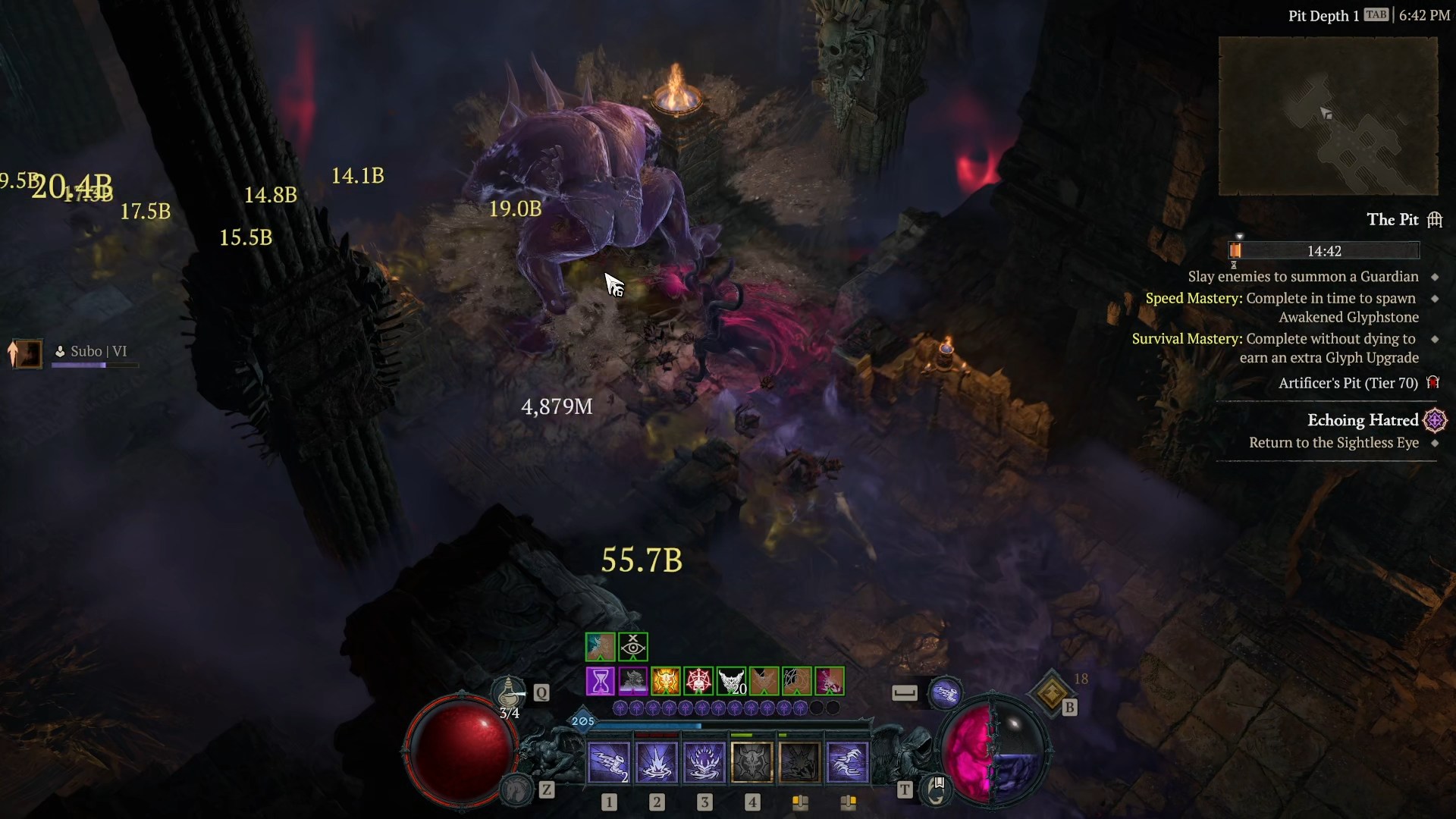
All I wanted to do was find a way to make the claws I pulled out of the ground to carve through monsters more powerful. I prefer having them circle my warlock rather than fanning out in a cone, but that leaves them a little weaker as a tradeoff for the convenience of using them on the go. You can eliminate that tradeoff if you have a demon buddy and choose the upgrade that makes your claws also go off around him.
Warlocks have all kinds of demons to summon with various ways to make them synergize with each category of skills. Normally, Rampage summons multiple demons who smash monsters apart for a pretty high cost. The default version cut into my claw casting too much, so I tried out an upgrade that limited it to one big demon who could be resummoned over and over again for free.
Now, I know nothing in Sanctuary can stand a chance against a rampaging demon surrounded by deadly demon claws. I press Rampage and he slips out of the shadows and comes crashing down on rooms full of monsters. When I'm racing through a dungeon, it looks like he's hitting the ground so hard it grows talons to try to fight back. It's extremely satisfying to watch my personal kaiju crush everything with repeated thuds, and it's why I finally understand the developers when they describe the warlock as Diablo 4's most "heavy metal class".
State of the art
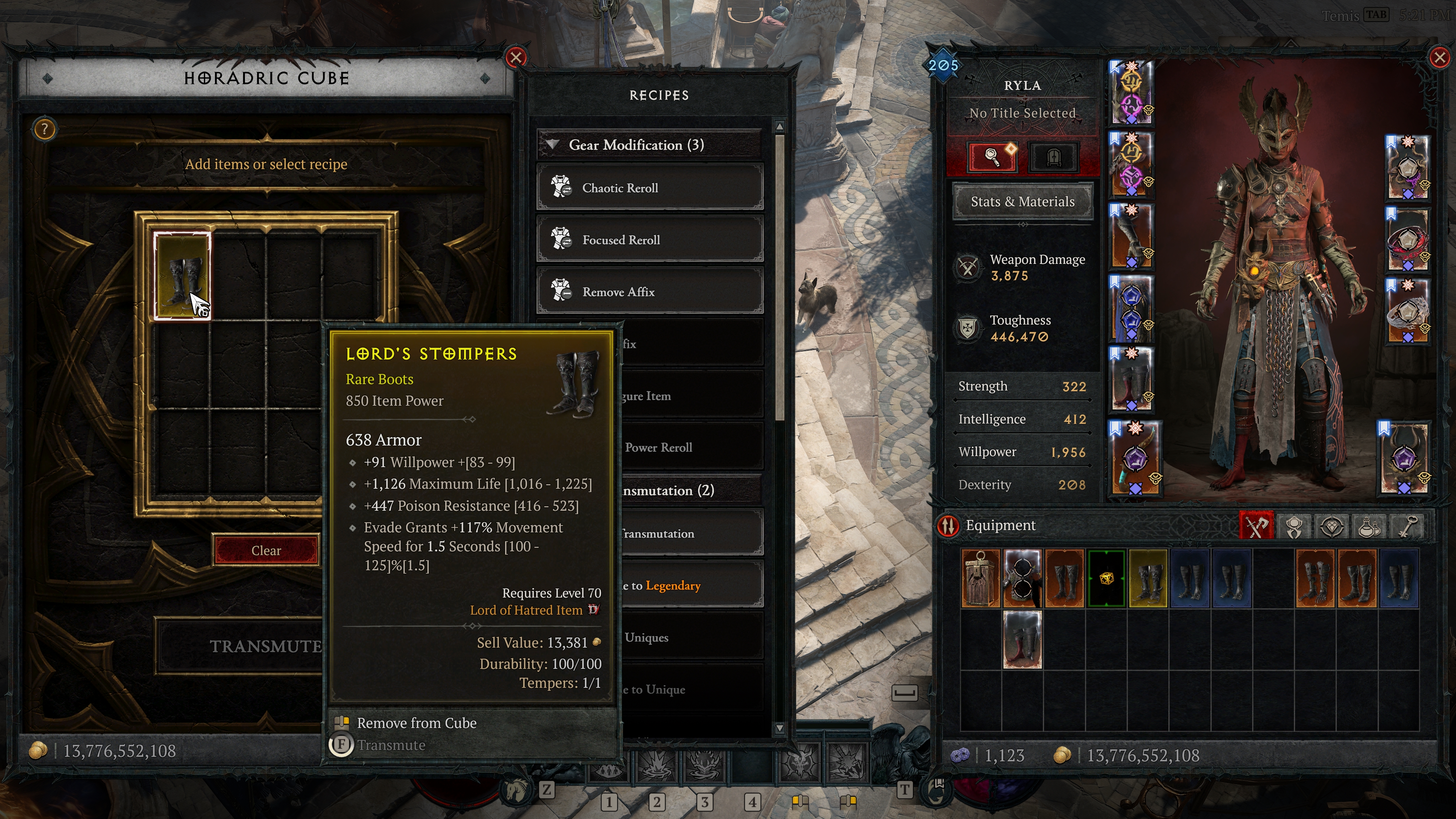
Stumbling into my Rampage build made Lord of Hatred's wide-reaching refresh of Diablo 4's buildcrafting click for me. Instead of trying to juggle your skill tree, your gear, and everything else all at once, you take it one step at a time. There are clever and powerful interactions between almost every skill in the tree, and the loot you find will give broad bonuses to different categories of skills, making it easier than ever to navigate Diablo 4's wide web of customization.
Smaller—but no less important—changes to loot and the new Diablo 2-inspired Horadric Cube crafting system have revitalized the chase for the best gear. Every item has potential to be great if you've got the right crafting materials, and because of that my characters have never felt more like my own. I remember when my gloves were just a forgettable common item on the floor before they became my most prized possession when I hit the jackpot during a crafting session. The more I tinker with the cube, the more I realize how powerful it is for shaping items into exactly what you need.
All of this is so delicious to feast on as an action RPG obsessive that I'm not as bothered by the lack of transformative upgrades to Diablo 4's assortment of endgame activities. War plans and its accompanying activity skill trees are a welcome new form of meta progression that spices them up with unique modifiers, like monster ambushes and bonus loot, but still lacks the deep curation that games like Path of Exile 2 offer. All I see are the bones of a system that could let you specialize in a particular type of dungeon and reward you for mastering its intricacies down the line, but it's not really there yet and it's the only thing that fell short of all the other things that surprised me in Lord of Hatred.
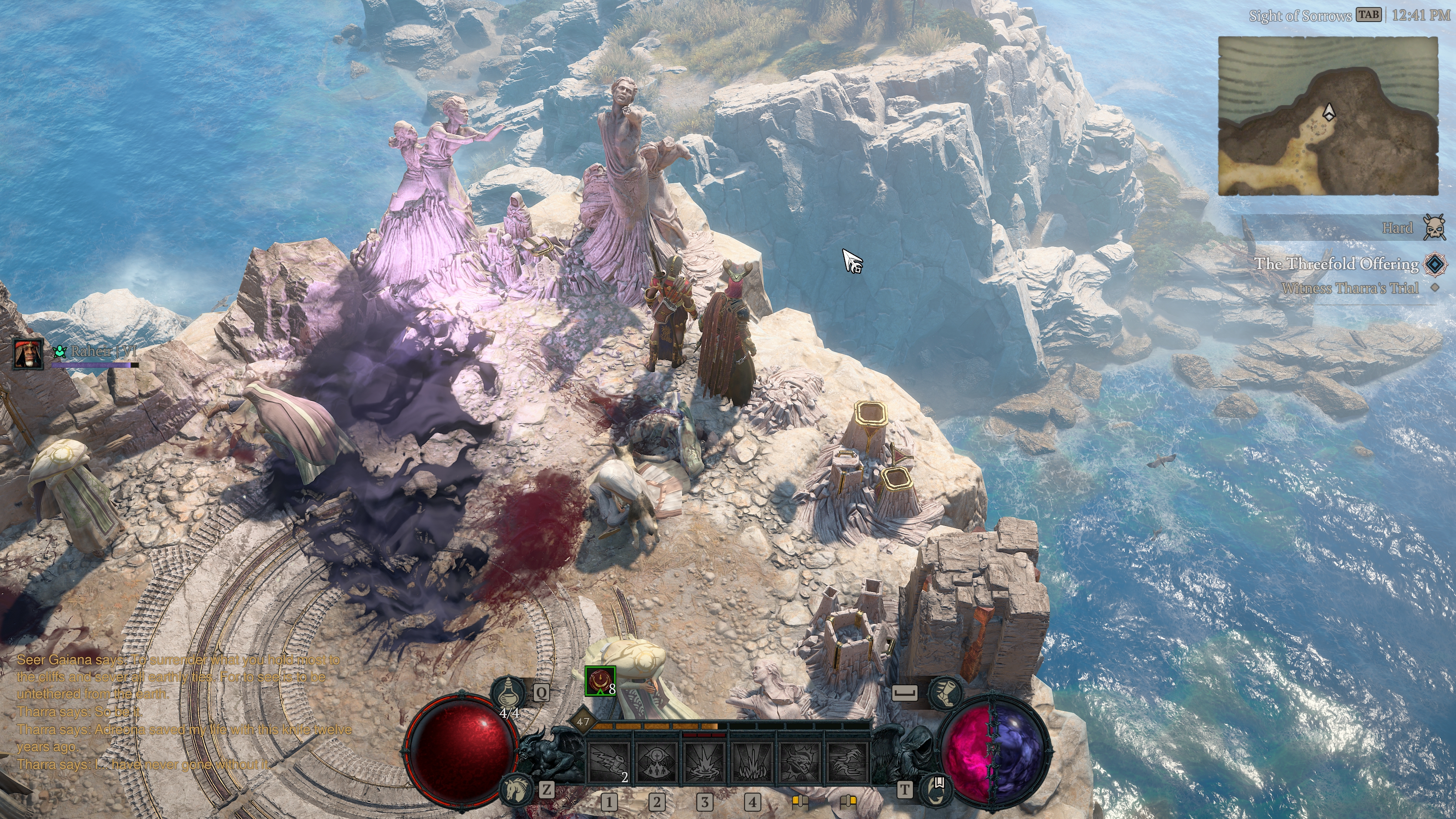
A year ago, I don't think I would've ever expected Diablo 4 to reach a place where it could support the ridiculously deep level of customization that scares people off of games like Path of Exile. Lord of Hatred made it clear to me that Blizzard isn't interested in making that type of game, but that it is interested in finding a way to translate the spirit of other great action RPGs—including Diablo 2—to Diablo 4 in a way that complements its approachability and enhances its faster-paced combat.
The Lord of Hatred campaign is about accepting the past and moving forward, as its characters bring everything they've learned into new battles. The same can be said about the ways Diablo 4 has evolved over the last several years and in this expansion alone. The changes in Lord of Hatred target Diablo 4's greatest flaws, and instead of slapping on quick fixes, Blizzard has found creative new solutions that avoid the pitfalls of the past.
The result puts Diablo 4 in a great position to keep growing, but it isn't necessary to focus on potential here: It's an exceptional action RPG right now. There's never been a better time to play Diablo 4.







 English (US) ·