
 6 hours ago
5
6 hours ago
5
Retro fun-loving developer Rodrigo Delduca has succeeded in prompting Claude to write “a functional NES emulator.” Claude generated a series of Lua scripts that worked in tandem with Delduca’s Carimbo 2D game engine to create the emulator. You can give the code a spin for yourself and enjoy a bit of retro Donkey Kong action online, simply by visiting this link.
The NES is one of the most widely emulated game consoles ever. And, as one of the older cartridge-based platforms, it provides a good baseline for emulator development on new platforms, or for demonstrating new emulator creation technologies. We’ve seen AI generate playable games before, as in the recent competent Minesweeper clone test using four competing LLMs. However, emulators present a very different challenge for developers (and AI).
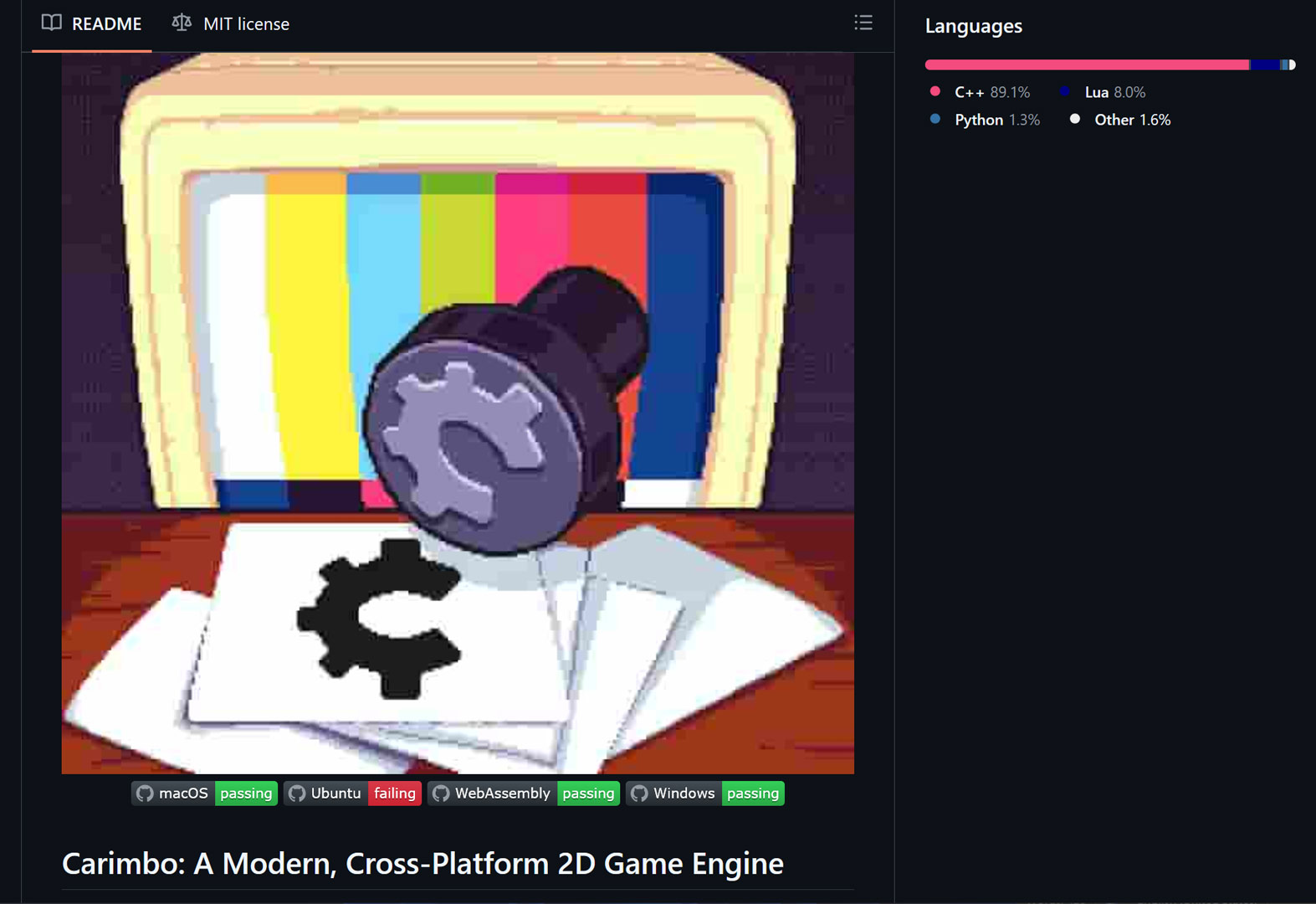
Some insight into the NES emulator is provided by Delduca’s GitHub, where the source scripts are shared. Here you can dive into the Lua scripts that breathe life into the emulator. From the file names alone, you can see separate scripts targeting the NES CPU, PPU, Input, bus, and more. These all have to work in harmony with the game code.
Lua and Carimbo
Delduca’s Carimbo 2D game engine powers the Lua scripts to create the working NES emulator. Lua is a “powerful, efficient, lightweight, embeddable scripting language,” that is free and open source (MIT license). Claude can generate scripts in this robust, fast, portable, and embeddable scripting language.
Carimbo is described by Delduca, its creator, as a simple yet complete 2D game engine written in modern C++23 using SDL. Importantly, it is scriptable in Lua, and can run natively on Linux, Windows, macOS, Android, iOS, and the web (via WebAssembly). Carimbo relies on libraries such as boost, Box2D, EnTT, stb, simdjson, sol2, PhysFS, SDL, and OpenAL.
In addition to this emulator, there are a handful of other Carimbo engine games and demos available for you to try.
In my testing, the AI coded NES emulator felt slow, but depending on your system and web browser, you may get different results. Some of the comments on the emulator highlighted its sluggish performance. One cruelly notes that the 'cost of slop' was a 40X drop in performance, without sound, compared to rival online embedded NES emulators. Indeed, I remember playing with NESticle in the late 1990s, enjoying fast and responsive NES emulator fun on an old Pentium 120.

Follow Tom's Hardware on Google News, or add us as a preferred source, to get our latest news, analysis, & reviews in your feeds.





 English (US) ·