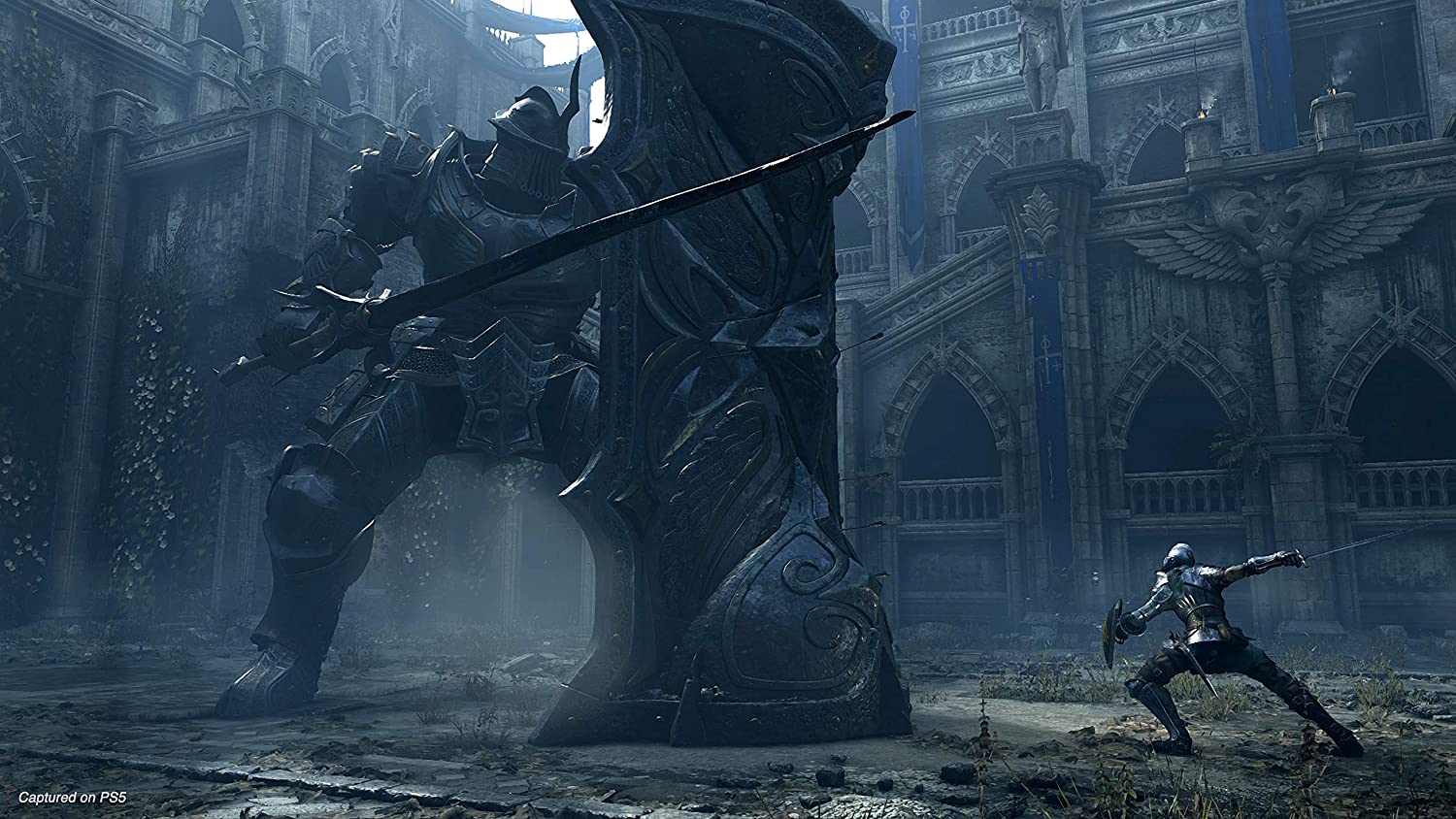
Demon's Souls reaches 40-50 FPS on private PS5 emulator with accurate graphics
3 weeks ago
36
(Image credit: Sony Interactive Entertainment)
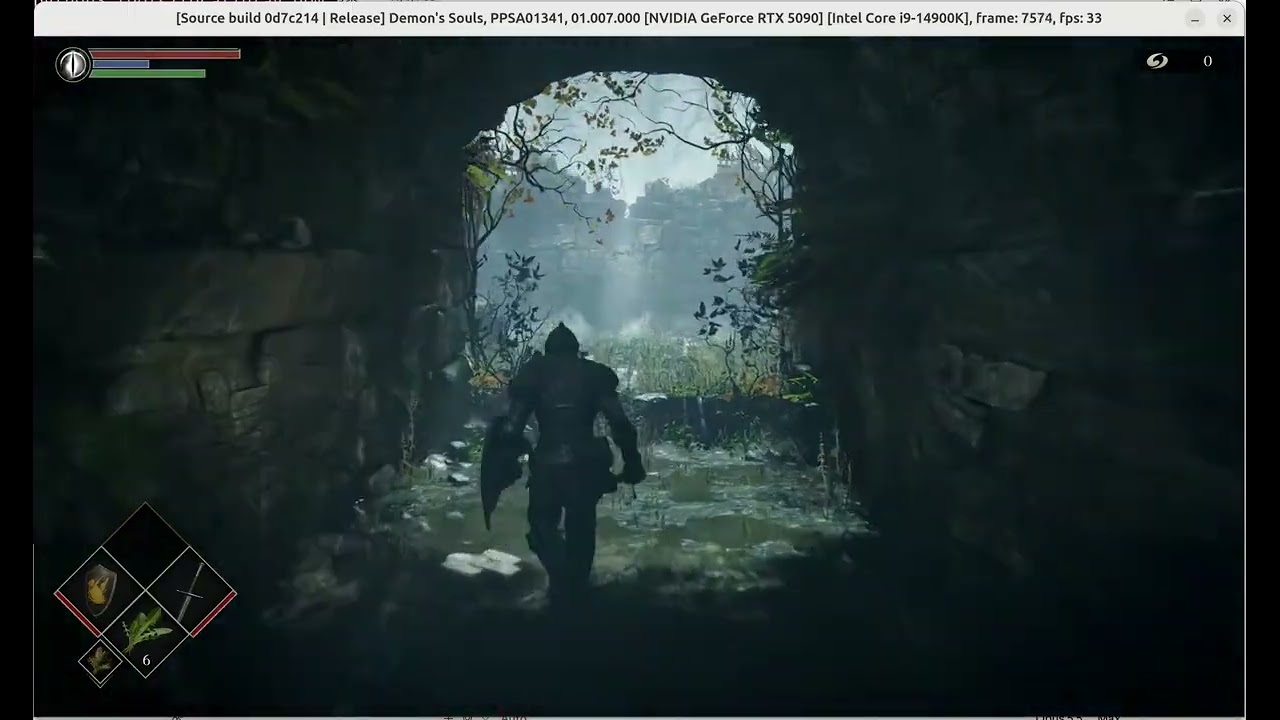
Few projects in the software world have experienced such rapid evolution as PlayStation 5 emulation. A few hours ago, a video popped up of Demon's Souls Remake running at 40-50 FPS, seemingly with accurate graphics. Coincidentally or not, only scant months after Sony ditched physical releases of games — an announcement that landed as well as the Hindenburg — progress on KyTyPS5, SharpEmu, and AnyPS5 has gone into overdrive.
KyTyPS5 Demon's Souls Remake 40 to 50 fps - YouTube
The video above is short and only shows a few sections of the game, but it's an impressive watch. Even acknowledging that the hardware specs displayed comprise an RTX 5090 and a Core i9-14900K, having a game working this well, at least graphically, only a month after "barely works" was a landmark is nothing short of staggering.
To wit, KyTyPS5 was running Demon's Souls Remake with 1-2 FPS on actual gameplay three weeks ago, and struggling to reach 30 FPS a fortnight past. The same emulator has been shown partially running GTA V before at 40-60 FPS, but that's an older title that presumably isn't as demanding as Demon's Souls.
The fact that the PlayStation 5's architecture is so similar to a standard PC apart from unified memory is a big reason why progress has been so speedy. As it stands, the major roadblocks aren't emulating a CPU or a GPU, but rather writing compatibility layers for the console's operating system and drivers, including but not limited to converting native graphics shaders to Vulkan's SPIR-V language.
Given the demo video's lack of stuttering, it's a reasonable assumption that the captured video was done after an initial run to avoid shader recompilation hitches. This particular aspect of emulation has always been a constant thorn in developers' side, as it's exceedingly difficult to predict which shaders a game will need before they're actually used.
The current best approach is to asynchronously compile and collect shaders from gamers' playthroughs and build a community database for preloading. This concept was popularized by RPCS3 around 2018, with a small team and limited to no budget.
Bruno Ferreira is a contributing writer for Tom's Hardware. He has decades of experience with PC hardware and assorted sundries, alongside a career as a developer. He's obsessed with detail and has a tendency to ramble on the topics he loves. When not doing that, he's usually playing games, or at live music shows and festivals.

 3 weeks ago
36
3 weeks ago
36








 English (US) ·