Have you been watching many heist movies lately? Here's a Hollywood-ready script for a new one: Organized crime teams have taken to stealing data center gear off or with their transport trucks, to the tune of tens of millions per shipment. They employ hacking and phishing, vehicular ramming, GPS signal spoofing, and have ties to international crime networks. An extensive report on NBC sheds light on this new trend, remarking that over $100 million dollars of computing and related gear were stolen via transit interception in various guises since June 2026 alone.
This type of heist has been growing over the past couple of years, but just this year the one incident in Reno made $38 million in gear disappear. In the same city, $15m of semiconductors and Apple products got nabbed in July 2025, according to Fortune. The month of June 2026 was particularly profitable for thieves, as they made off with $13m of gear around the Mojave Desert area, and $10m worth of server rack components headed to Texas.
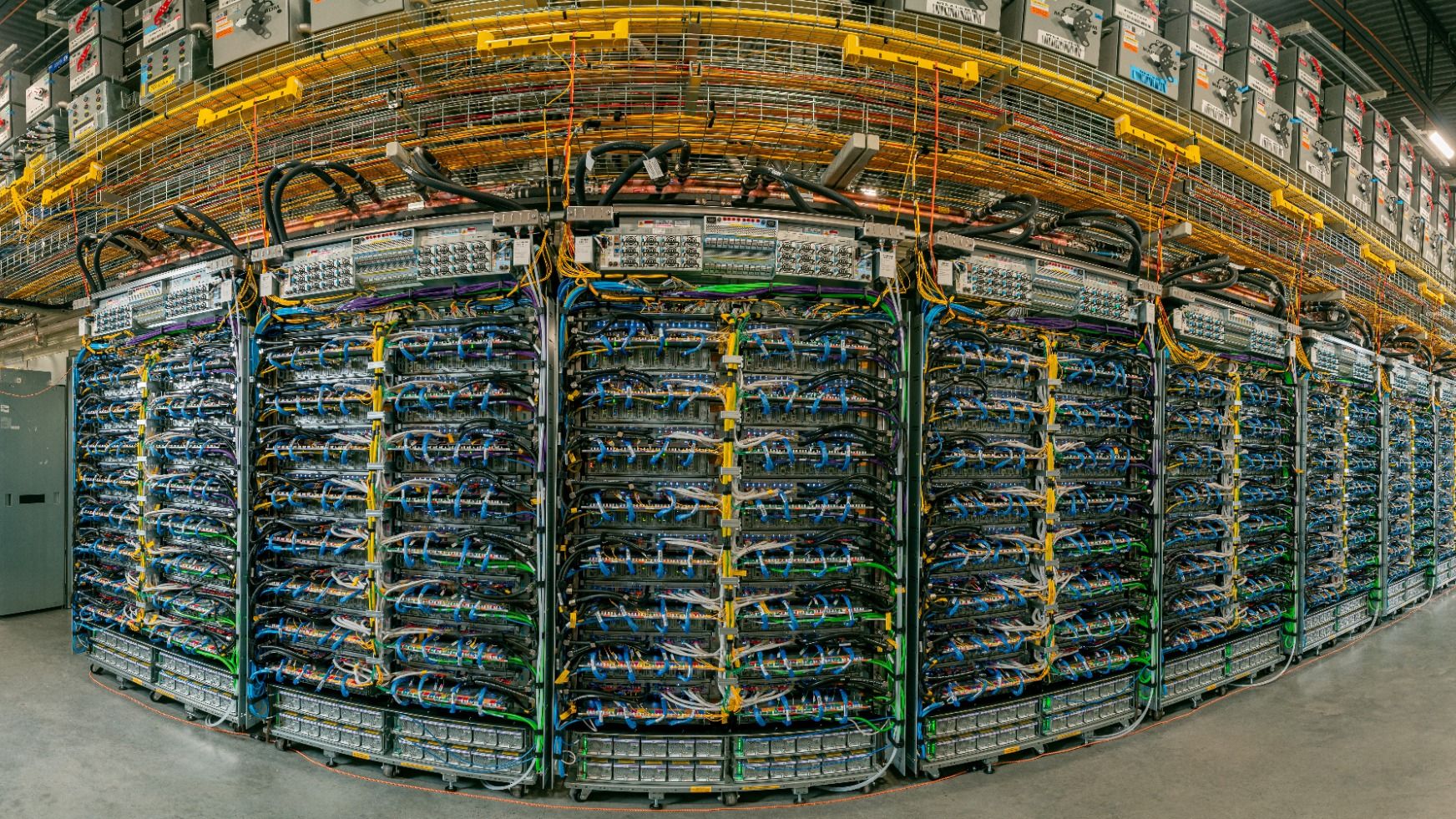
The stolen gear includes servers, fiber-optic and copper cabling, RAM modules, drives, routers, and other miscellaneous gear. Although NBC doesn't mention GPUs by name, stolen data center servers headed for AI buildouts are likely to have some.
Even copper wire is worth a lot these days, as one snagged trailer had $300,000 worth of the now-precious metal. As Keith Lewis from Verisk Cargonet puts it, "it's like stealing pure gold bars [...] it's so much easier to steal [data center shipments] than to rob a bank."
The methods used employ technological smarts and brutality in equal amounts. Each heist is unique, but broad patterns are apparent. Thieves gain access to online accounts of freight brokers and carriers, and from there on they can look up cargo manifests and shipping schedules, as well as impersonate shipping companies. Then they track a shipment or issue a false one, and eventually collect the truck with the precious cargo.
In a few recent cases, the heists involved thieves literally ramming escort cars so that the truck executes a trouble-free getaway. In those cases, the truck driver was likely in on the play, and probably got in the driver's seat thanks to the prevalence of AI-generated IDs coupled with poor personnel vetting practices.
And as for GPS trailer tracking, the malfeasants thought of that too: in one case, they seemingly used GPS beacon impersonation and broadcast fake coordinates so that neither human nor automated system believed anything was amiss.
Get Tom's Hardware's best news and in-depth reviews, straight to your inbox.
The first instinct is to assume that all of the gear would end up on the second-hand market. But in an additional twist to the story, the thieves already have overseas buyers ready before the heist actually takes place.
Law enforcement officials believe that the gear is slurped up by entities operating in countries under the U.S.' tight AI export controls, including China. Verified Carrier, a platform for vetting carriers, says that this year, it's seen suspicious activity linked with U.S. cargo theft in India, Uzbekistan, Pakistan, Colombia, and Moldova. Scott Cornell of TAPA Americas estimates that six to seven out of 10 stolen cargo shipments (data center gear or otherwise) end up overseas.
David Warrick, of supply management firm Overhaul, describes the scale of the problem: "These are international syndicates. They run like big corporations…They have penetrated the supply chains at all levels, in terms of drivers, in terms of warehouse operators. They know where all the high-value goods are; they know who transacts them, and they look for the weak points in the supply chain to be able to exploit those."
Bruno Ferreira is a contributing writer for Tom's Hardware. He has decades of experience with PC hardware and assorted sundries, alongside a career as a developer. He's obsessed with detail and has a tendency to ramble on the topics he loves. When not doing that, he's usually playing games, or at live music shows and festivals.

 3 hours ago
15








 English (US) ·