


Published Feb 8, 2026, 6:10 PM EST
Since 2019, Kevin Erdmann has been one of Screen Rant's Senior Staff Writers, covering all kinds of Superhero and Star Wars media with Easter egg breakdowns, theory pieces, breaking news, and more. A huge Star Wars & MCU fan, Kevin also loves Batman (because he's Batman), but could talk for hours about why Nightwing is DC's greatest hero.
With 8 years of total experience covering entertainment and pop culture, Kevin has gotten the chance to interview top creatives and talent, and has also attended major media events like Disney's D23 convention.
Majoring in Cinema Studies with a minor in Comics and Cartoon Studies from the UofO, Kevin lives in Oregon with his wonderful wife, adorable dog, and sinister cat who is no doubt currently plotting his demise.
Warning! This post contains SPOILERS for Marvel's Wonder Man
Darkforce energy is one of the MCU’s most versatile and mysterious power sources, capable of granting a variety of powers like super strength, invisibility, teleportation, shadow constructs, emotional manipulation, and even reality-warping side effects. Although it recently made a new appearance in Marvel's new Wonder Man series, Darkforce has been in the MCU for years.
While the canonicity of all of its appearances is currently questionable, Darkforce does link to multiple corners of MCU storytelling. Likewise, its newest appearance may signal a shift in the canonical status of previous Marvel Television shows rendered non-canon after the dawn of Disney+ and Marvel Studios taking over series production. Here's our full MCU breakdown of Darkforce energy and its importance.
Darkforce Energy's Canon And Non-Canon MCU Appearances Explained

In the MCU's canonical history, Darkforce first appears indirectly through Doctor Strange, coming from the Dark Dimension ruled by Dormammu. This other-dimensional energy bleeds into Earth via rifts, a shadow-like substance capable of bending the rules of physics and granting all kinds of remarkable abilities to those who come into contact with it.
Non-canonically, Marvel's Agents of SHIELD and Agent Carter expanded Darkforce's origins the most. Originally discovered in the 40's by a company named Isodyne, Agent Carter's second season saw Peggy Carter clashing with figures like Whitney Frost and the Council of Nine, who sought to harness the power of Darkforce energy for various sinister means.
Likewise, SHIELD featured villains like Marcus Daniels' Blackout, who'd been altered by Darkforce energy, as well as the reveal that the major company Roxxon had claimed all of Isodyne's assets in the 50s.

Roxxon has been in the background of the MCU since 2008's Iron Man, having made multiple appearances in both movies and shows. To that end, Darkforce plays a central role when it comes to what we know about Roxxon's ongoing operations.
Marvel's Cloak and Dagger continued exploring Darkforce energy. Tyrone Johnson's Cloak used Darkforce energy to teleport, while also being connected to Tandy Bowen's Lightforce-based powers. As children, they were both caught in the Roxxon Gulf Platform explosion when the company was searching for energy off the coast of New Orleans.

A major oil company in both the comics and MCU, it's no accident that Roxxon treats Darkforce less like an other-dimensional energy source and more like volatile crude oil they can just dispose of, just like we recently saw in Marvel's new Wonder Man series.
Is Wonder Man's Darkforce Connection Starting To Re-canonize Marvel Television Shows?

Before Wonder Man, many of Darkforce's direct appearances happened in Marvel Television that were later labeled non-canon. However, this new appearance may be the first step in Marvel Studios potentially viewing the show as canon once more.
As seen in Wonder Man's flashback episode explaining the origins of Hollywood's Doorman Clause banning superpowers, it was revealed that a bouncer named DeMarr Davis touched a pool of black goo from a nearby Roxxon dumpster while taking out the trash.
The residual Darkforce-derived goo gave DeMarr powers as The Doorman, allowing others to enter his body and effectively teleport via a pocket dimension filled with various portals. This launched DeMarr to both highs and lows of stardom, at least until actor Josh Gad entered his body and disappeared after DeMarr lost his powers (hence the creation of the Doorman Clause).
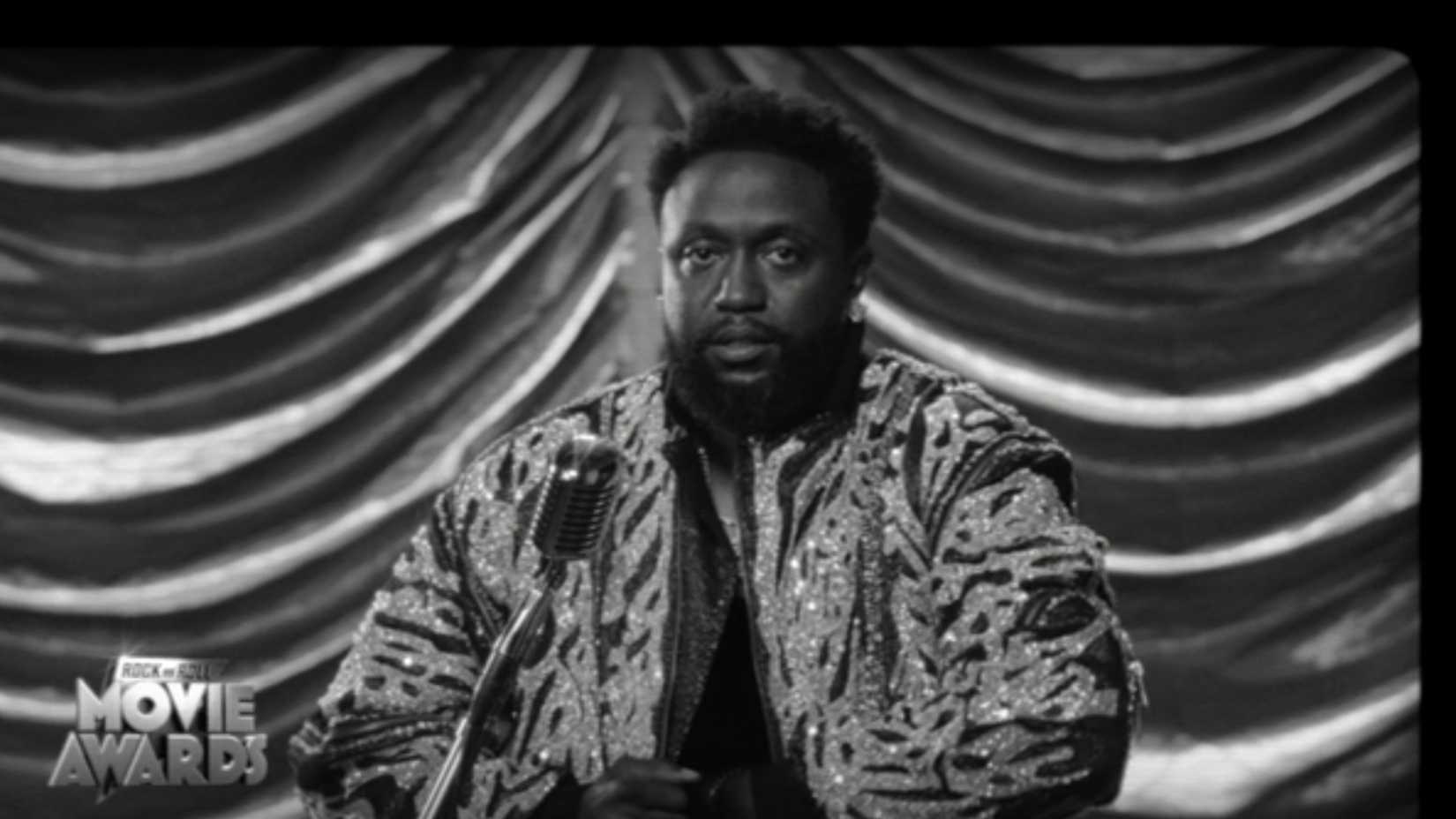
Seeing as how we now know that the addition of the Roxxon branding was a deliberate choice from Marvel Studios heads, the implication to be made is that some of the older pre-Disney+shows like Agents of SHIELD, Cloak & Dagger, Agent Carter, and more should perhaps be considered canon again.
Re-canonizing isn't that big of a logic leap either, seeing as how Daredevil: Born Again recently made Marvel Television's previous Netflix series and the Defenders saga canon by using the same actors and character histories (especially with Jessica Jones' upcoming return in Daredevil: Born Again season 2).
 Custom image by Milica Djordjevic
In that same vein, Darkforce energy/powers and Roxxon connections in a brand-new MCU show do seem to suggest that previous connections and appearances should be considered canon once more as well.
All episodes of Marvel's Wonder Man are now streaming on Disney+.
Release Date January 27, 2026
Network Disney+
Directors James Ponsoldt, Stella Meghie
Writers Andrew Guest, Madeline Walter, Paul Welsh, Zeke Nicholson, Roja Gashtili, Julia Lerman
Franchise(s) MCU
-

Yahya Abdul-Mateen II
Simon Williams / Wonder Man
-

Arian Moayed
Agent Cleary






:quality(85):upscale()/2026/02/02/940/n/1922153/tmp_2bS324_5518251436641b44_Photo_Grid_3_Up_-_Burgundy_Green-2-Photo_Grid_4up_Main_-_Green_Burgundy_1_.jpeg)
 English (US) ·