
 4 weeks ago
38
4 weeks ago
38
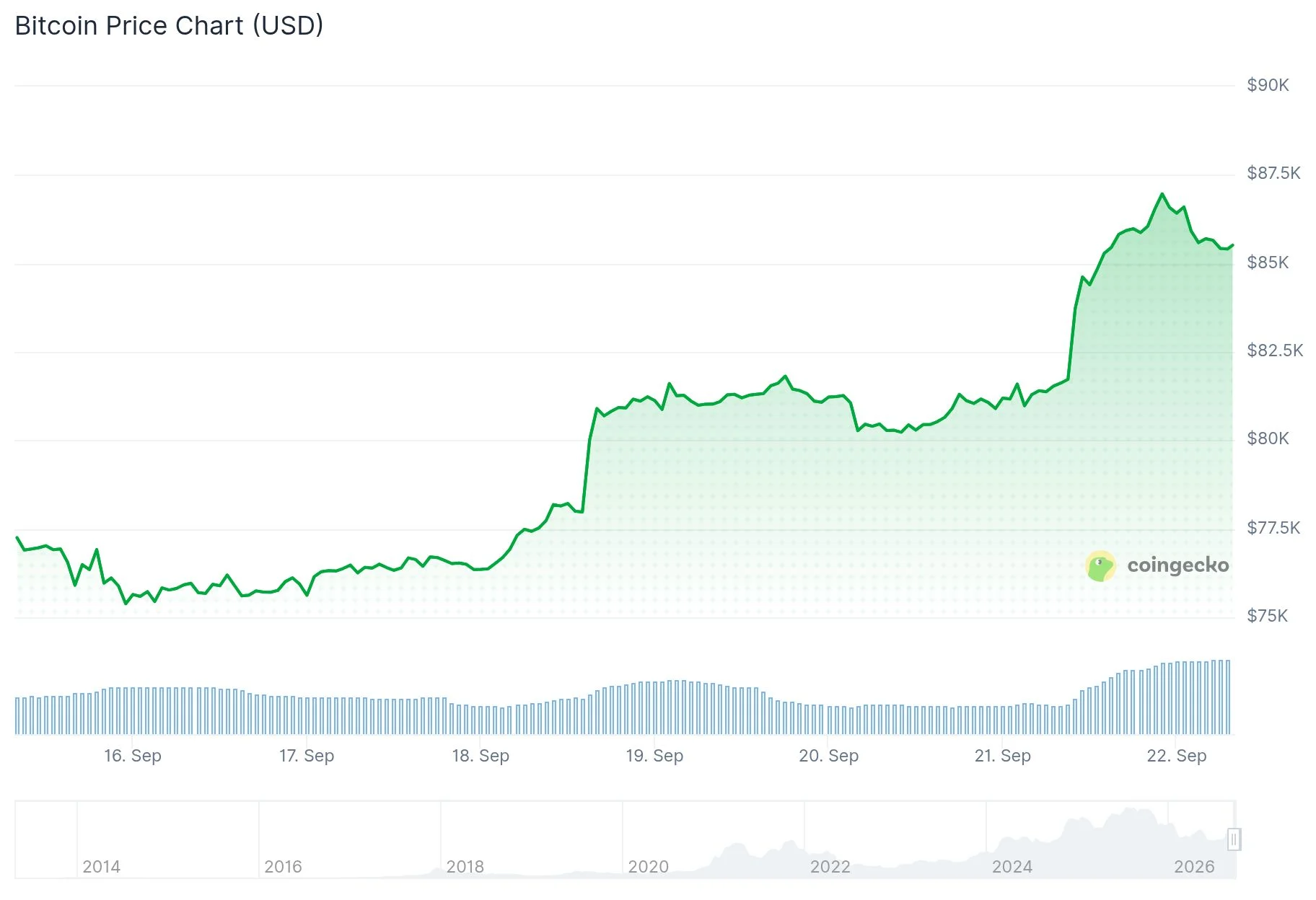
The crypto market just served up a $439 million reminder that leverage is a double-edged sword. Over the past 24 hours, liquidations swept through the market with an unusual twist: long and short positions were wiped out in nearly equal proportions, according to data from Coinglass.
That kind of symmetry is genuinely uncommon. Most liquidation events skew heavily in one direction, typically crushing longs during selloffs or punishing shorts during rallies.
The numbers behind the carnage
More than 100,000 traders saw their leveraged positions forcibly closed during the 24-hour window.
The largest single liquidation was a roughly $4.97 million BTCUSDT perpetual position on Binance.
To put the $439 million figure in perspective, daily liquidation totals in 2026 have ranged from relatively calm sub-$100 million days to absolute chaos. The most notable spike came on August 19, when $2.99 billion in positions were liquidated during a violent Bitcoin rally. That event was almost seven times larger than what just happened.
Why balanced liquidations matter
Balanced liquidations indicate a market that is oscillating with enough force to catch over-leveraged positions in both directions, but without committing to a sustained trend.
Perpetual futures contracts, which allow traders to hold leveraged positions indefinitely without expiration dates, have made it trivially easy for retail participants to take on professional-grade risk. The sheer volume of traders affected, north of 100,000, reveals how deeply embedded leverage has become in everyday crypto trading.
A volatile year for leveraged traders
The 2026 liquidation landscape has been anything but boring. The August 19 event, which saw nearly $3 billion in forced closures, set a high-water mark that dwarfs most daily figures.
The Binance BTCUSDT perpetual market continues to be ground zero for the largest individual liquidations, which makes sense given it remains the most liquid crypto derivatives venue globally.
The nearly perfect balance between long and short liquidations complicates the task for anyone trying to read market sentiment from this data alone. There is no clear signal that the market is about to break in either direction.
Disclosure: This article was edited by Editorial Team. For more information on how we create and review content, see our Editorial Policy.






 English (US) ·