
 1 day ago
8
1 day ago
8
Working the ICE story in Minneapolis meant relying on others—friends, colleagues, total strangers even. It meant leaning on the community and knowing how to sift good information from bad—and by the end of my time there, there was a lot of the latter.
As I write this, Border Patrol officers have just killed Alex Jeffrey Pettri. The video of this act is horrifying to watch—in the process of trying to help one of his neighbors, he was held down, then shot multiple times.
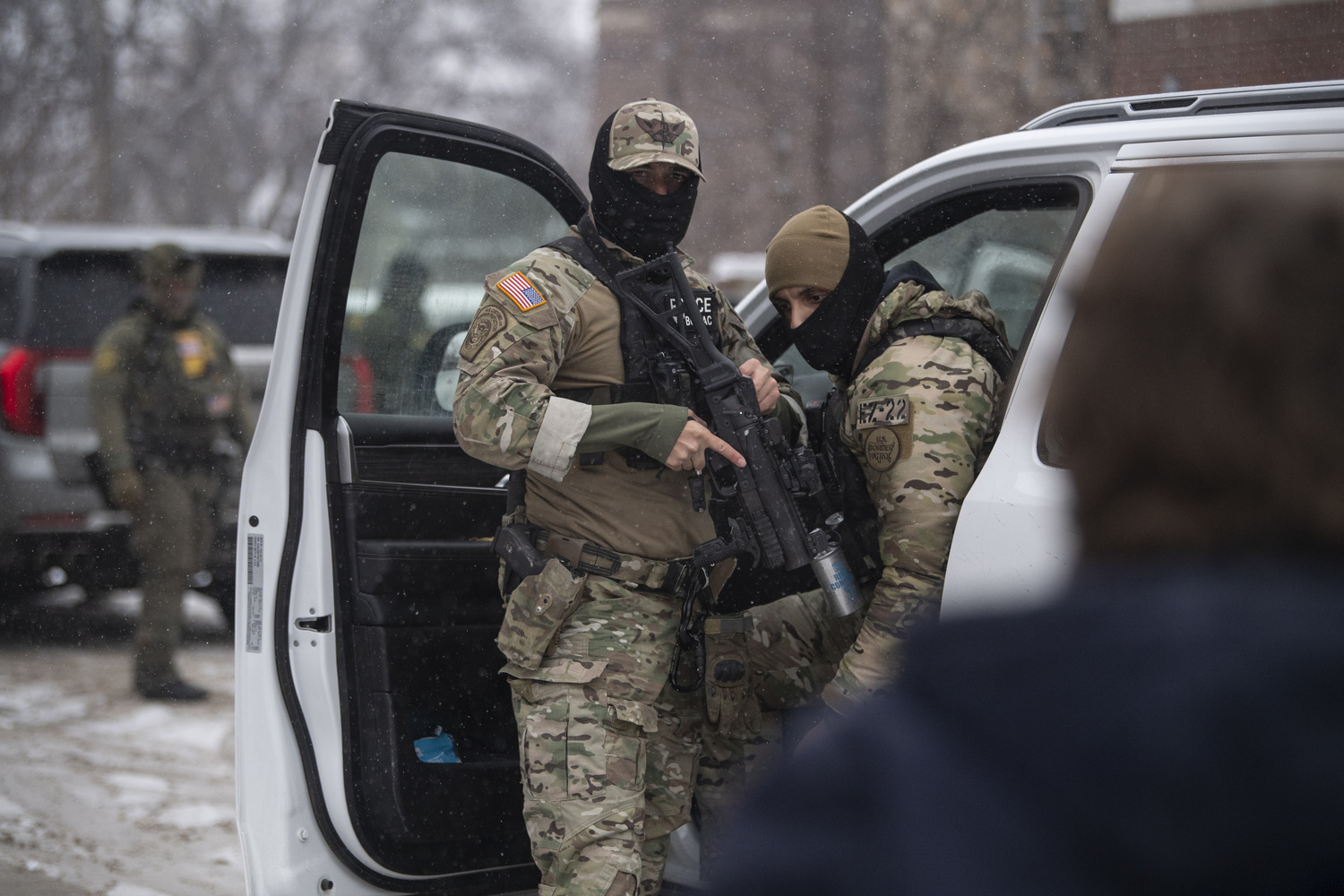
I’m not entirely sure what kind of article I’m trying to write here. I could share with you the pitch-black comic absurdity that was the “Meat Stick Run,” following head of Border Patrol Gregory Bovinio’s motorcade from gas station to gas station, where he made a big show of buying beef jerky before tossing gas into a crowd of protesters. I could walk you through the gear I used or the prep necessary for covering a story like this, but that all seems… I don’t know. Shallow, maybe.
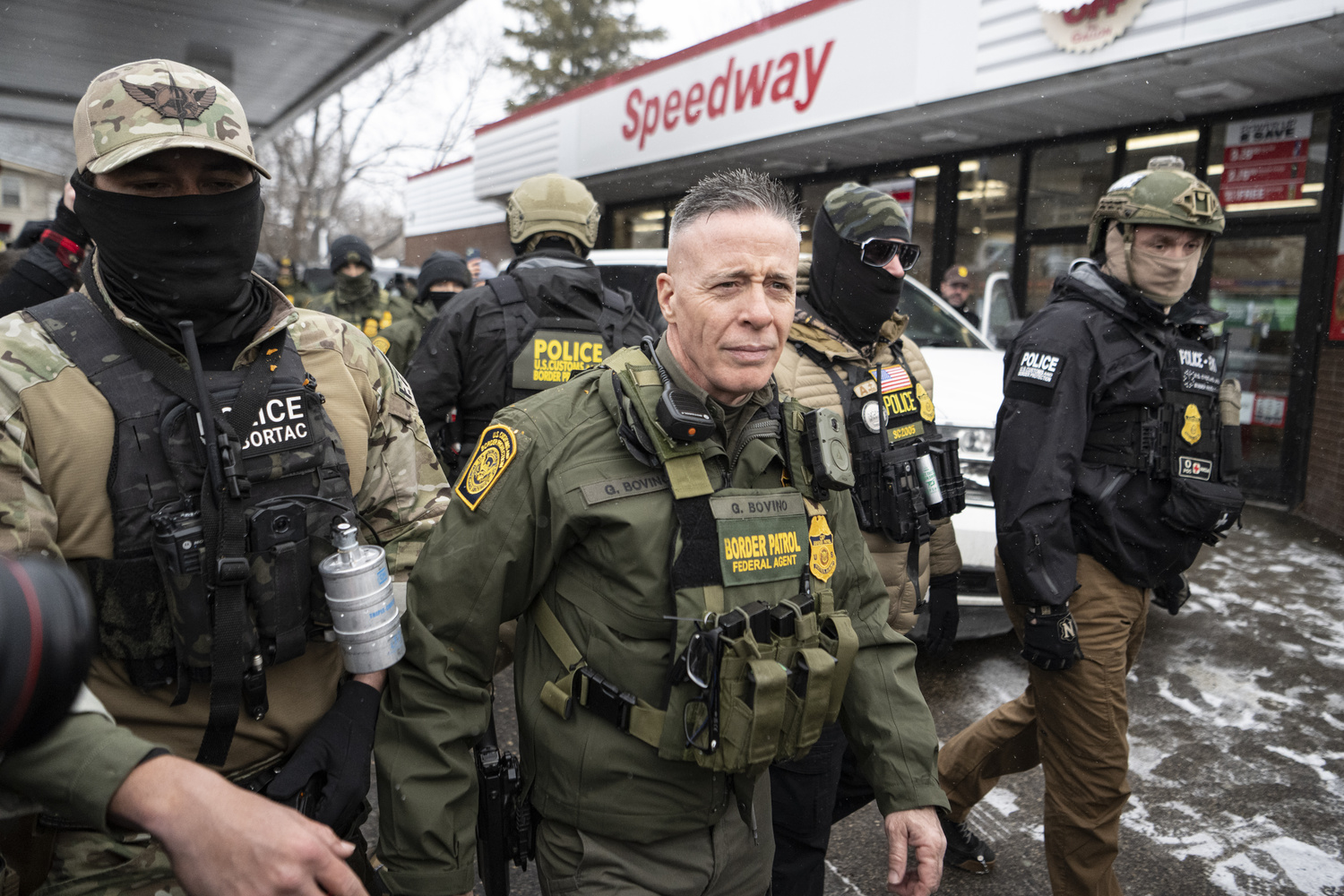
I suppose the best place to start is in the middle. The first two days after I arrived in Minneapolis were fairly sedate, all things considered. Courts had ruled that ICE couldn’t use projectiles or crowd-control chemicals anymore, and instead of large-scale fights between protesters and agents, you saw smaller actions: countless agents spread out through the city to make arrests or go door to door. Locals documented license plates and added them to databases of known ICE vehicles, or followed agents when possible from site to site. Various channels were used to communicate between them, but those channels were open and filled with bad actors drowning the signal with noise and false information, making it difficult to figure out which tips were genuine and which weren’t.
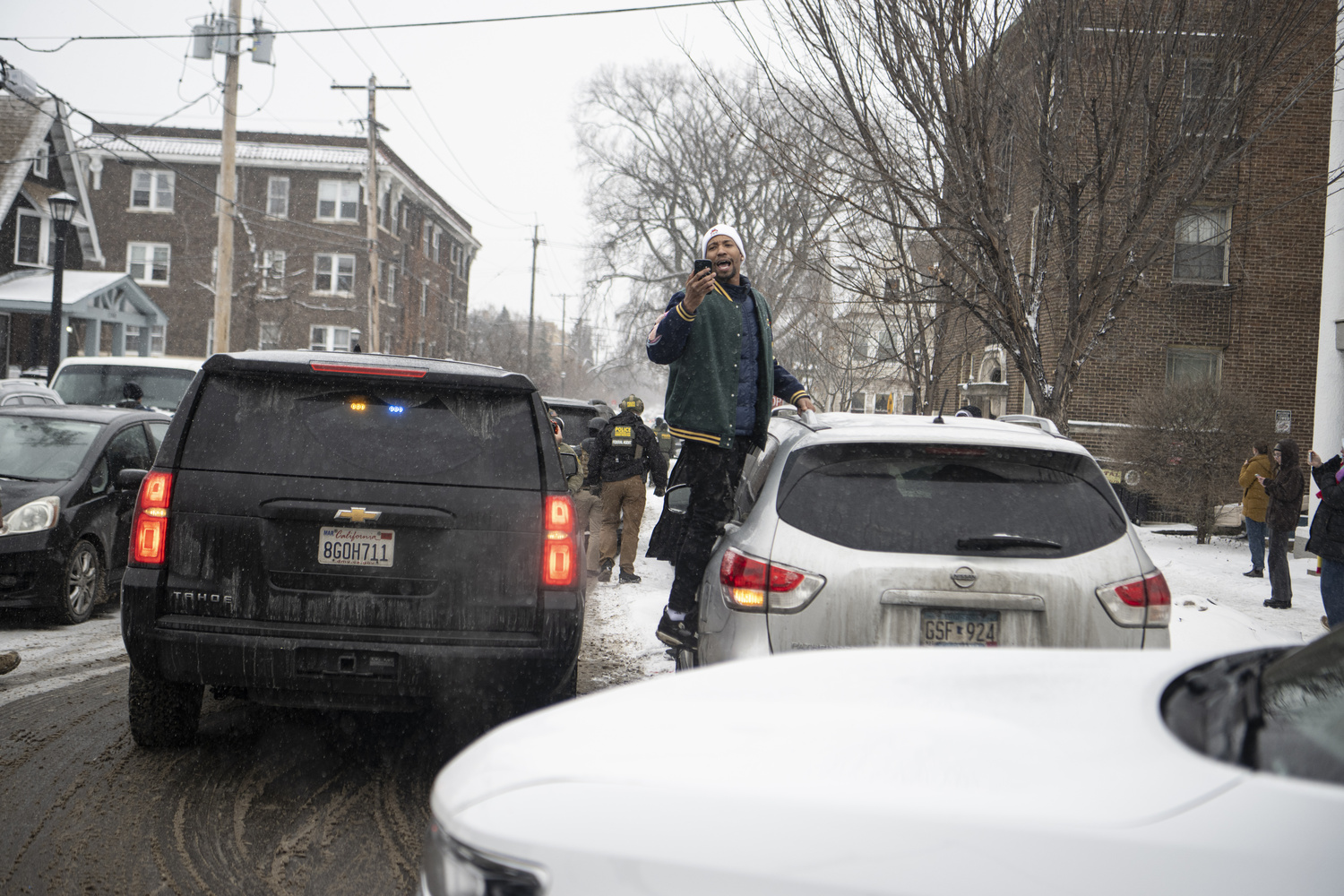
A few days in, Bovino was reported to be leading a motorcade around and through the city. Journalists on the scene shared information, and eventually those six or so ICE vehicles were followed by a convoy of perhaps a dozen cars driven by journalists, intermixed with around the same number of cars driven by activists, all honking their horns and blowing whistles to warn their neighbors that ICE was in the area. The ICE convoy would stop, start, turn in different directions, break up into smaller groupings, and then reconnect a few blocks later—under different circumstances, it would have been funny. You could have layered the Benny Hill soundtrack over the whole scene.
By the third stop, any hint of humor had evaporated. I suppose it never really was, but some days it’s hard not to fall back on gallows humor. Everywhere the convoy went, neighbors and activists were out, blowing their whistles and yelling at them to leave their neighborhood. In return, the agents would get out of their vehicles, make menacing noises or threaten locals with pepper spray or weapons, then head back inside. Move forward fifty feet, wash and repeat. After a few minutes of this, Bovino exited the car and started throwing gas, while other agents tossed locals around or pepper sprayed them. I remember looking down for a minute at the green smoke spewing a few feet from me before realizing what it was and rushing to get my mask on. I remembered all my chemical warfare training from the military, and somehow it still wasn’t enough to keep from huffing down a face full of the stuff. To my right, a woman was crying and covering her face, trying to get the spray out of her eyes. Activists were trying to flush it out with water, but that’s always a mixed bag. Some were shouting to get milk or Maalox, but that stuff doesn’t really work. A few neighbors offered to let affected folks into their homes. A small crowd had gathered around a magazine one of the agents dropped, the 5.56 rounds covered in snow. It was the second or third time I’d seen one of them drop ammo like that.
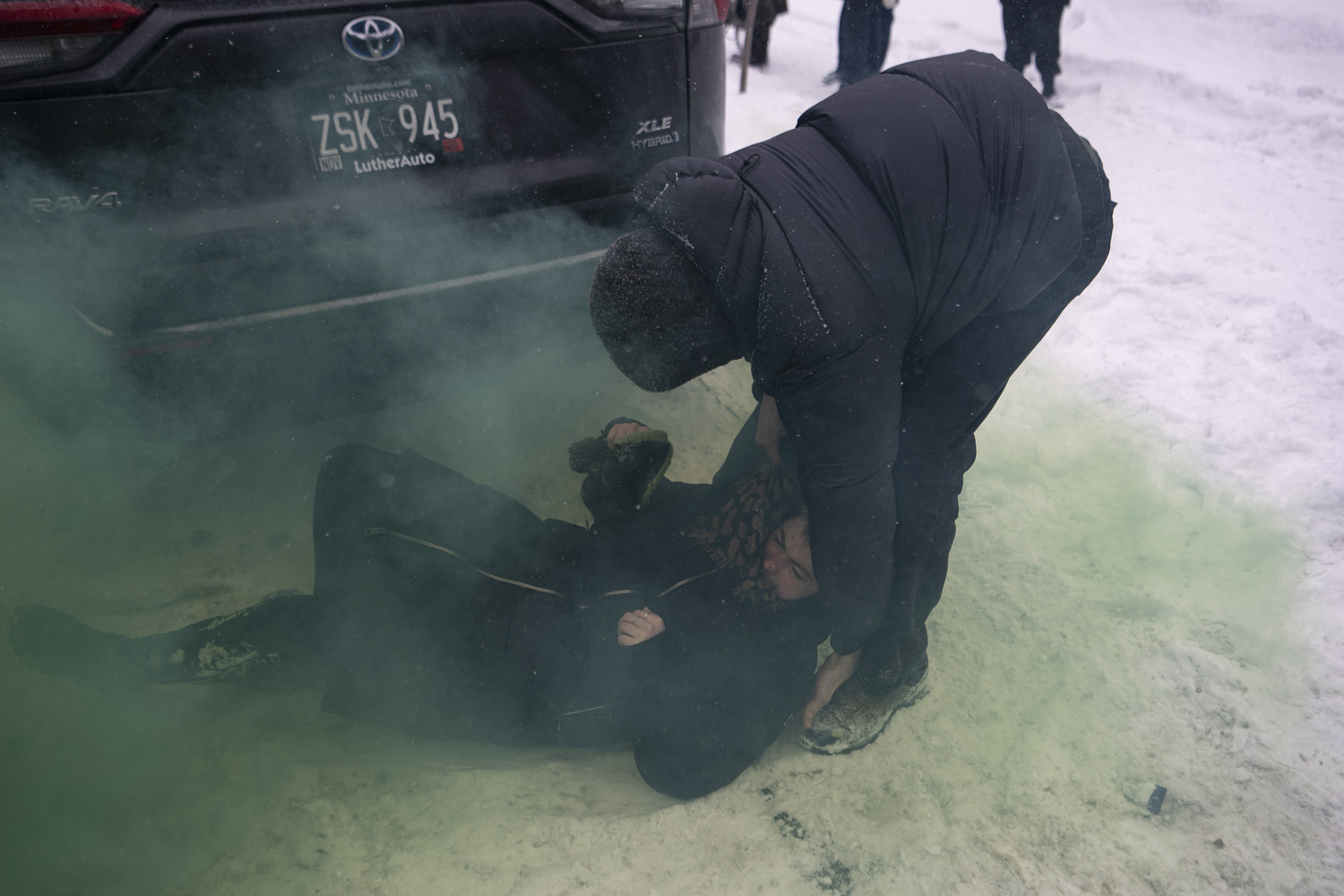
I got my photos, and the ICE agents drove off. I didn’t have the energy to follow them anymore, and my partner for the day didn’t have a clear idea of where they went.
Scenes like this aren’t uncommon in Minneapolis anymore, but it does bring me back to the beginning of this article: if nothing else, the last few weeks have shown how people have learned to rely on one another. The Signal chats are an endless stream of neighbors helping neighbors; of folks taking down license plate numbers and running them against a database of known vehicles, or following suspected ICE agents from one raid to the next. Some were run with almost martial precision, with SALUTE reports (Size, Activity, Location, Uniforms, Time, Equipment) and photos shared to give communities a clear picture of where and when they were being threatened. There were plenty of bad actors, too—people pretending to be activists or locals, spreading false information or panic—but they were far outnumbered by the rest.
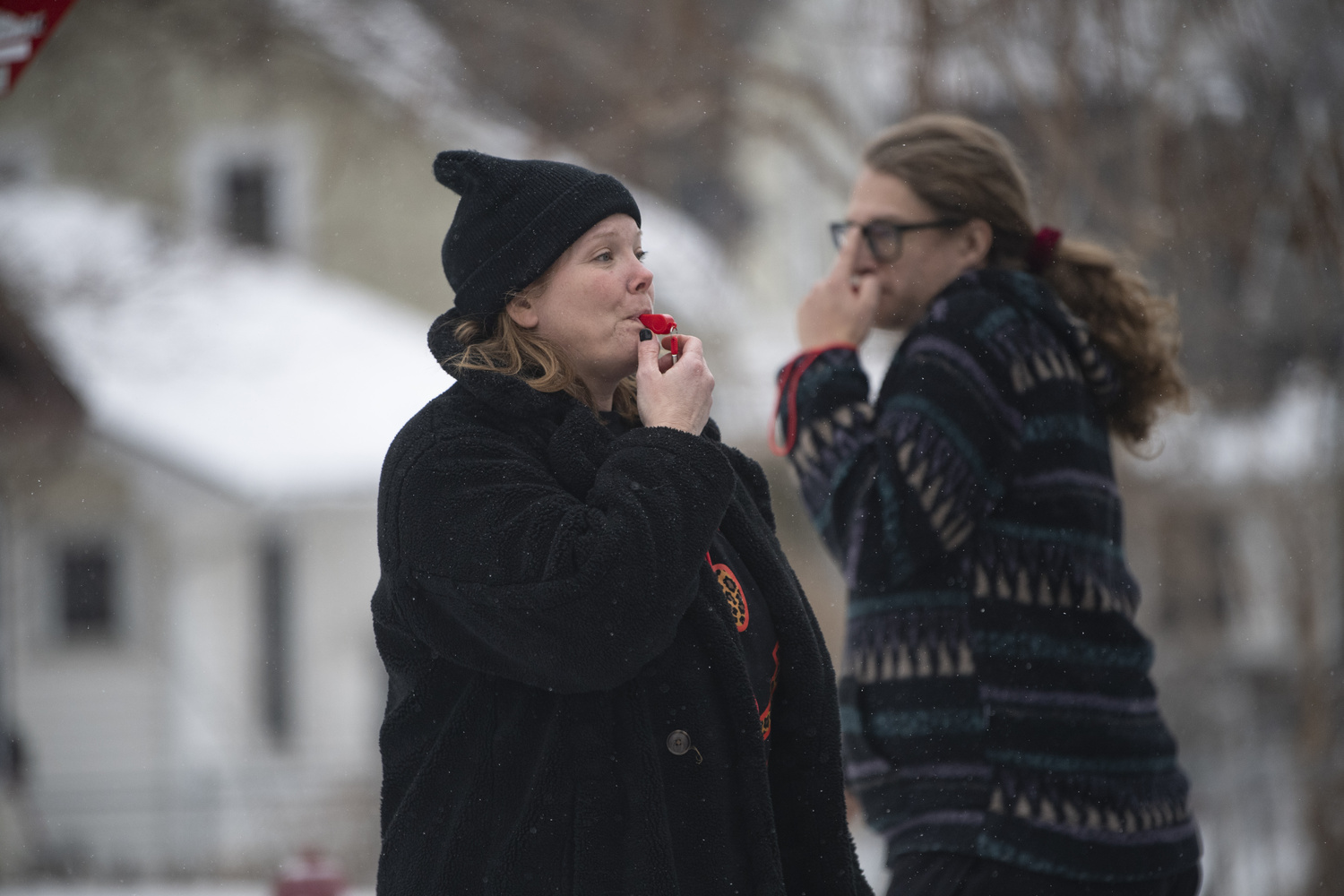
Just as important, the journalists on site looked out for each other. We joked where we could, helped each other with information or rides, or even just checked in to make sure we were all safe. We rode out the stressful moments at the end of the night at bars or hotel lobbies, or sent jobs to each other when one of us couldn’t cover down for a particular assignment. There was something about this that I found reassuring—that it wasn’t all just the law of the jungle out here.
I don’t know what’s coming next. Right now, ICE raids and activities are still continuing in Minneapolis, and more are expected in other cities soon. Philadelphia is thought to be next, but it could be anywhere. It’s easy to feel pessimistic, to let the weight of everything drive you down… but there’s also a lot to be optimistic about, too. The way these communities—my colleagues and friends—have all come together to support each other and push back? It’s something, anyways.
I spoke with one of my buddies about this, another photojournalist who left the day I arrived: “You help your friends, you do the fucking thing.”




 English (US) ·