
 7 hours ago
6
7 hours ago
6
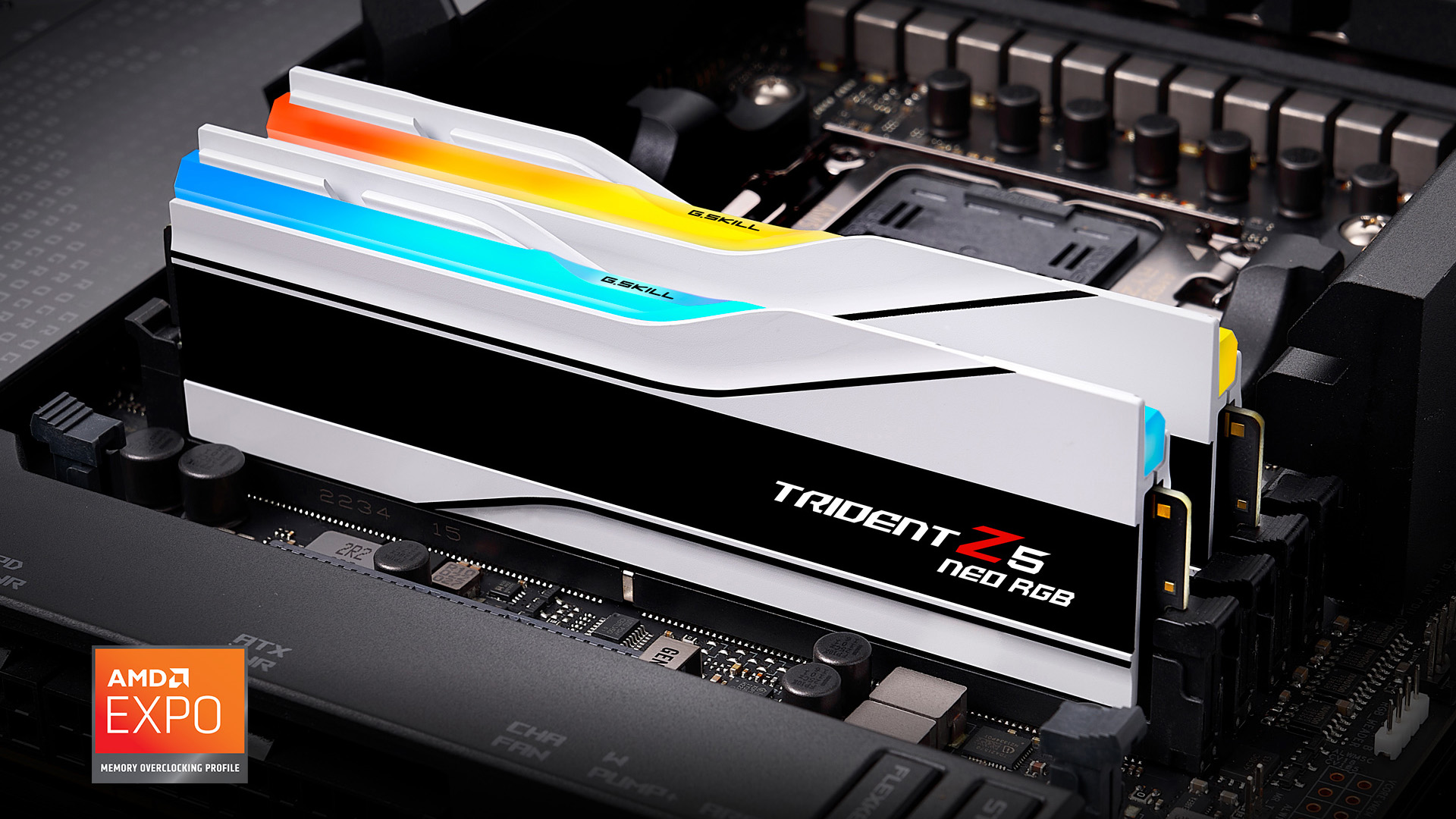
Representatives told Tom's Hardware at Computex 2026 that counterfeit memory modules with G.Skill and V-Color badges have hit various marketplaces in China, and the problem is widespread enough that V-Color has observed lower sales to certain clients. Fake memory modules are nothing new, but in this case, forged DIMMs reportedly use printed circuit boards (PCBs) that are identical to those used by G.Skill and V-Color, which makes early detection of counterfeit products difficult.
Go deeper with TH Premium: Memory
“We have customers telling us that some Chinese manufacturers are making copies of our products, as well as products from other brands, and selling them at lower prices than we do,” a spokesperson for V-Color told Tom’s Hardware. “We do not really know how they are doing it. The PCB looks the same, even the heat spreader looks identical.”
Given the current situation with memory prices, counterfeit memory modules have become a growing problem in Asian online marketplaces, particularly in gray-market and second-hand channels. Recent reports described fake DDR5 modules containing dummy ‘chips’ made of plastic or fiberglass with fake markings, as well as mislabeled modules marked as products from well-known brands. However, the new case is different because forged memory modules use PCBs that are identical to those used by G.Skill and V-Color and use the same heat spreaders and perhaps complex RGB lighting, making distinguishing between real and counterfeit products particularly difficult.
While developing a PCB for an enthusiast-class memory module takes time and money, producing that PCB is fairly easy, as makers of DIMMs use neither complex PCBs nor too complex equipment. Also, developing enthusiast-grade memory modules (ensuring that they run at the right specifications with popular CPUs) also takes time and money. In addition, sourcing chips from DRAM makers or distributors to make fake memory modules is hard, if even possible at all today. Finally, quality control at the chip level and at the module level is relatively costly, and these two are the main value adders when it comes to enthusiast-grade memory. That said, forging high-end memory modules is easy and might be a profitable business, especially if perpetrators have access to second-hand memory chips. Speaking of chips, the V-Color representative could not say which ICs the fake modules used.
“We do not know because we have not had any of those modules in our hands,” the spokesman said. “We only use SK hynix memory, so we cannot say what chips they are using. We have not received any RMAs related to them. Other brands may have received returns and been able to inspect the products, perhaps because the memory chips were different.”
While a representative for G.Skill confirmed that there are counterfeit G.Skill memory modules sold on Chinese marketplaces, he said that the issue has existed forever, so users should buy their high-end DIMMs from official partners and resellers in a bid to avoid the problem.

Follow Tom's Hardware on Google News, or add us as a preferred source, to get our latest news, analysis, & reviews in your feeds.





 English (US) ·