
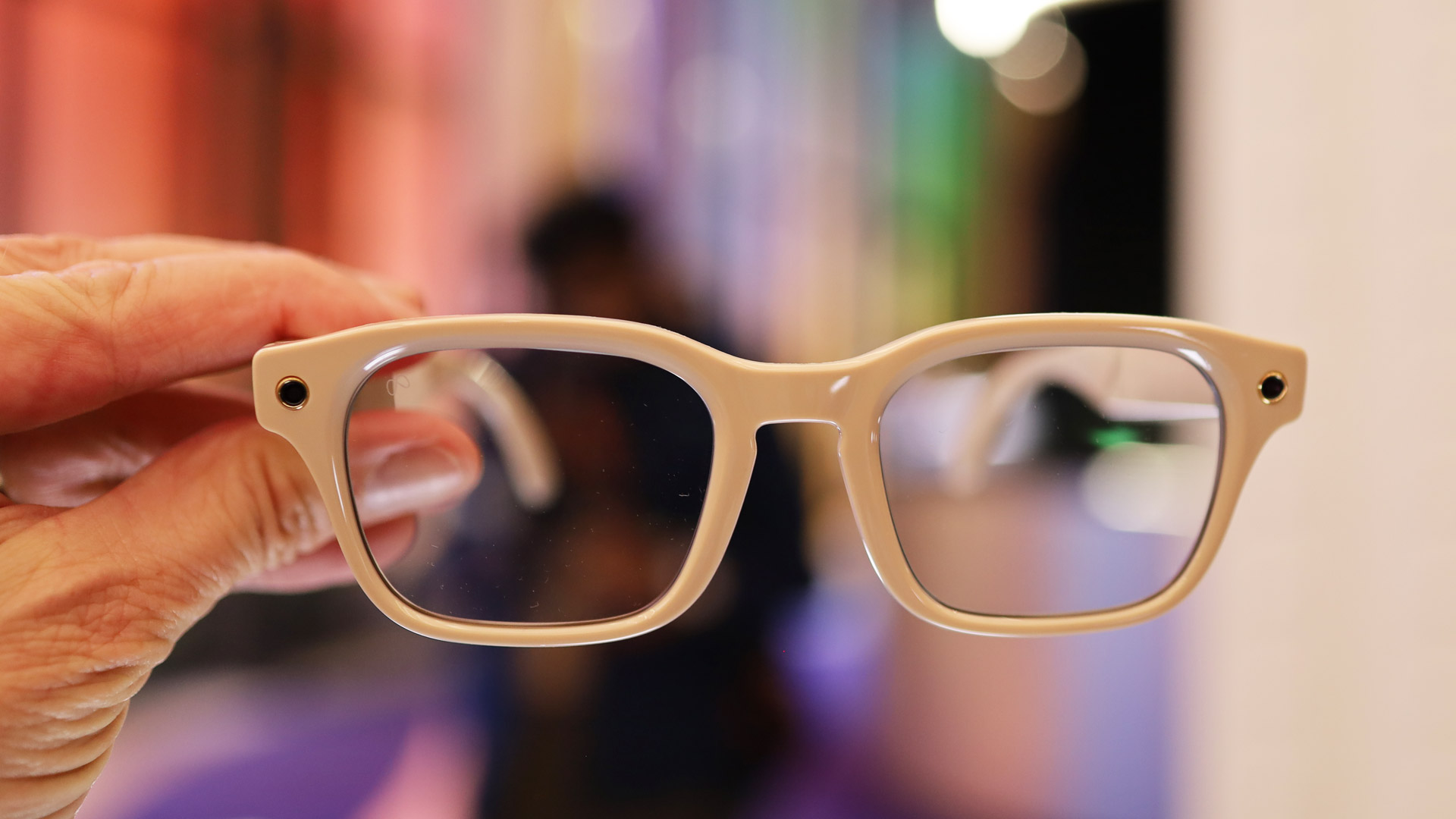
- Smart glasses bans are being introduced and considered
- There are growing concerns over smart glasses privacy
- Could hardware changes solve people's concerns?
I’ve written a lot about the high likelihood of major smart glasses regulation being introduced in various regions as the technology garners more and more bad press, and as expected, we’re starting to see bans and other restrictions take shape.
No nation has yet to all-out ban smart glasses, but a few have outlawed their use in certain scenarios while others are investigating harsher measures. Some private companies, such as event organizers, have also banned smart glasses on their premises and at their conferences.
Of course, this is bad news for smart specs owners who now could be facing restrictions on where they can/can’t wear their intelligent eyewear. For anyone considering adding smart glasses to their technology arsenal, these possible restrictions should be taken into account when making your final purchase decision.
So where are we starting to see smart glasses bans? Here’s a selection of the countries investigating and introducing anti-intelligent eyewear rules.
United States
Generally, smart glasses can be worn freely in the US; however, New York State has banned them from being used in any of its courts. Smart glasses with recording capabilities could be seen as an attempt to intimidate those involved in the case, and some cases contain sensitive private information where unauthorized recordings could impose serious risks.
Other states have introduced less widespread bans in courts — including Philadelphia, Hawaii, and North Carolina.
Meanwhile, the US Air Force includes in its rules for service members that they are “Unauthorized to wear mirrored lenses or smart glasses with photo, video or artificial intelligence capabilities while in uniform.” This seems like more of a presentation thing than an anti-smart specs rule (especially given the inclusion of mirrored specs), but it does mean you can’t wear intelligent eyewear in uniform regardless.
Further, attendees of conventions such as major hacker conference DEF CON 34 have been barred from wearing Meta glasses or similar. These bans focus on the possibility of glasses recording folks without their knowledge — with organizers arguing the recording light some glasses offer isn’t the most obvious.
UK
In the UK, things are much the same. Courts don’t ban their use, though after one person was being coached by their glasses’ AI mid-trial, their usage is generally advised against. There are also recording restrictions in UK courts, so while glasses aren’t explicitly banned, using them to snap photos or videos would be against the rules — the same as it would be for using your phone or a regular camera.
We have seen companies like Monopoly Events ban camera glasses from its Comic-Cons after secret filming complaints, and there’s a petition to the Government to ban the sale and promotion of smart specs in the country. These petitions don’t always go anywhere, but it shows there’s at least some public unrest over smart specs, and that could lead to rule changes.
EU
The European Data Protection Board is currently drafting a report on smart glasses, with it expected to land sometime in the next few months. However, while more general EU rules are being discussed, some individual members are making their own individual decisions on the tech.
Germany’s data protection authority commissioner has warned camera glasses could be banned under existing laws prohibiting recording devices hidden in everyday objects.
Netherlands digital rights activists have expressed frustration at smart glasses' ability to record people without their knowledge, while France’s privacy regulator, the National Commission on Informatics and Liberty, has highlighted the privacy risks camera glasses pose.
South Korea
Rounding things off, we have a different kind of ban in South Korea, with the country specifically restricting smart glasses access in exam halls after cases of students being caught trying to cheat using intelligent eyewear.
Smart devices are generally banned from exam rooms in most schools across the globe to prevent cheating, though given the importance of South Korea’s College Scholastic Ability Test, their very explicit ban makes sense so as to remove any possible confusion over whether students can even bring smart specs into the room with them.
Could things change?
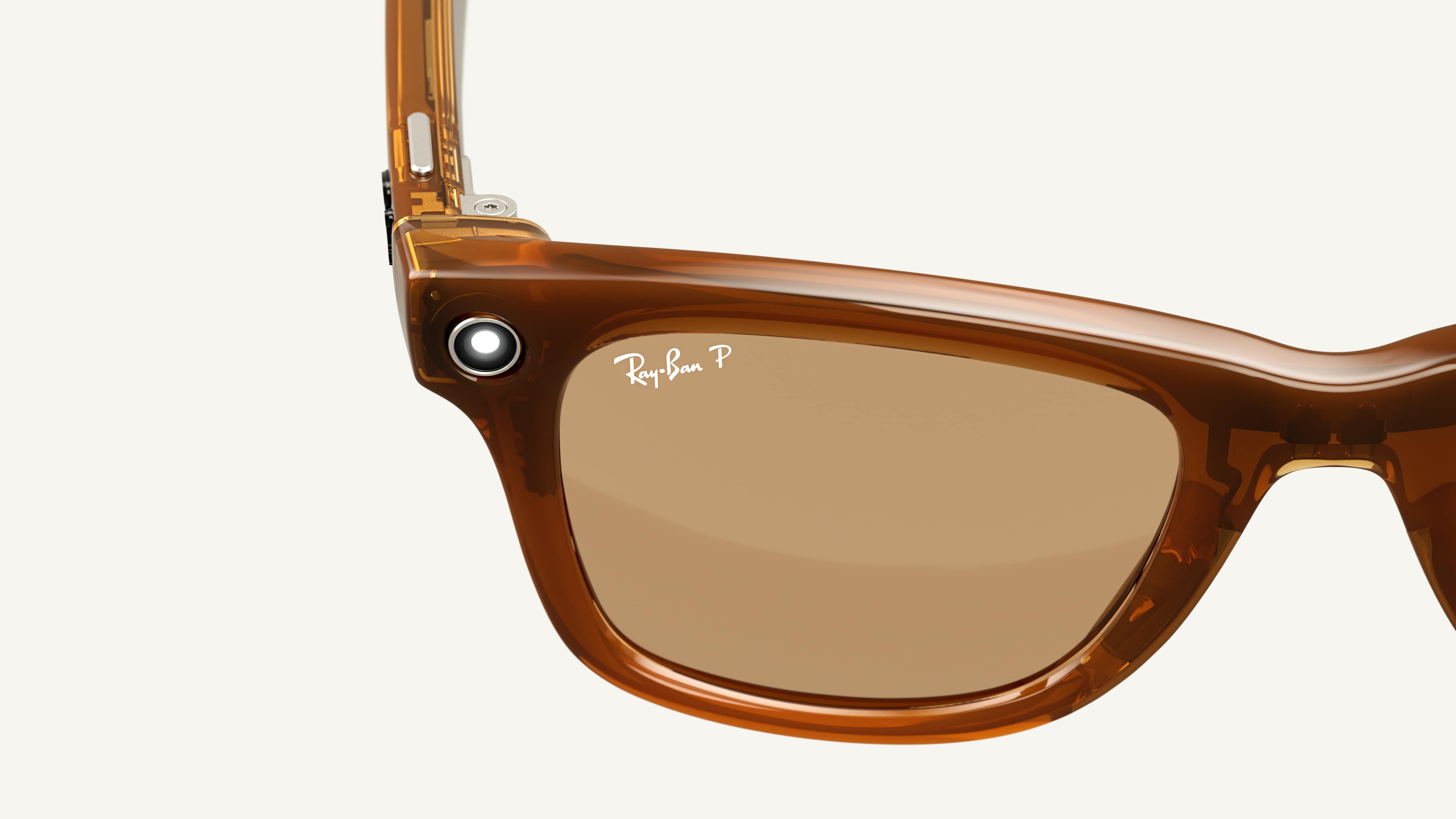
Of course, very few bans have been brought in yet, but they could be unless things change on the hardware side.
A big concern is over privacy for non-glasses wearers caught in the gaze of someone's camera — especially if they don't know they’re being recorded. An obvious fix here would be to make smart glasses much more obvious when they're recording — perhaps brighter camera lights, a loud audible camera sound when snapping a photo, some kind of audio indicator when video is being recorded.
For users, they’ll want better control over what is and isn’t accessed by smart glasses makers when using their tech, and more certainty about which images are and aren’t shared, or which videos can or can’t be seen by contractors.
We’ll have to wait and see how the situation develops, though I’m not sure how much longer smart specs can go before we see serious regulations.

Follow TechRadar on Google News and add us as a preferred source to get our expert news, reviews, and opinion in your feeds.






 English (US) ·