
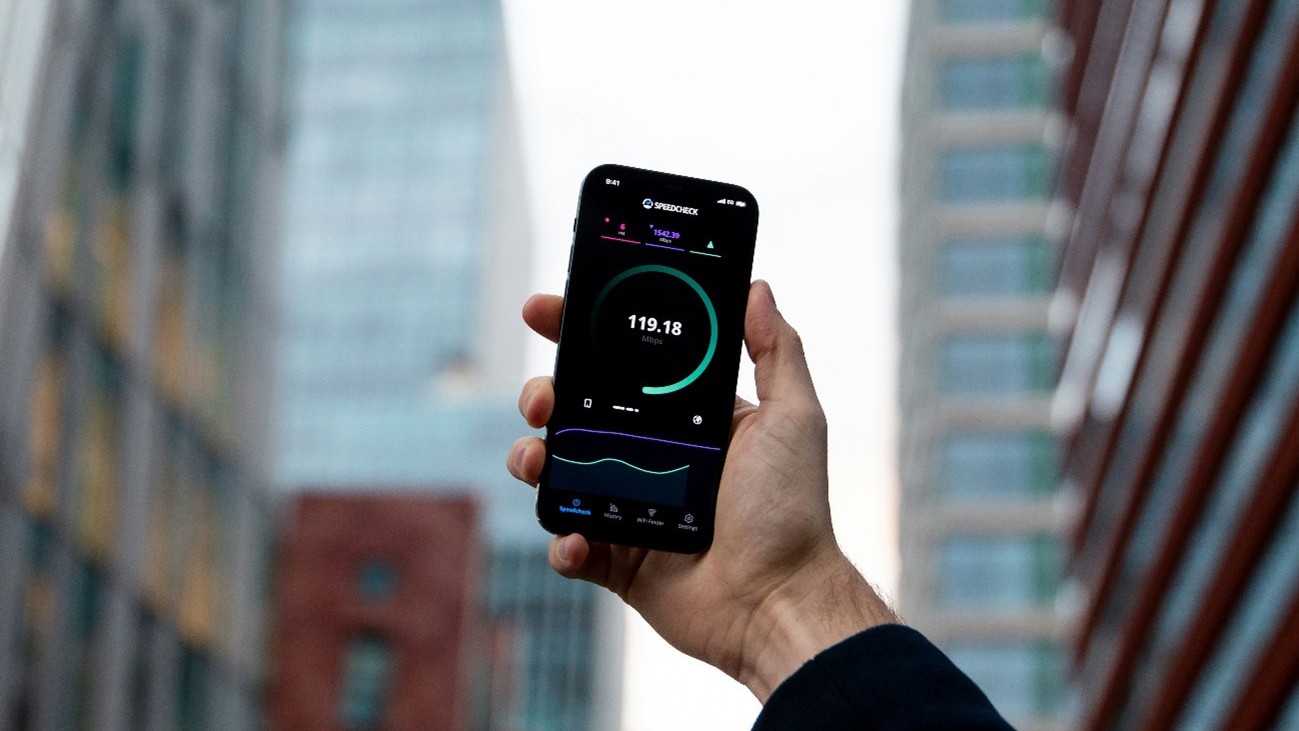
- One in two business travellers currently manage their own internet abroad
- Holafly says a secure connection should be the workplace's responsibility
- Current policies cover what not to do, but not what workers should actually do
While many companies have strict internet access policies when it comes to working from the office, and even working from home, many overlook account security when workers travel abroad, with more than half (53%) of business travellers managing their own internet access.
In its new Summer Travel & eSIM Report, Holafly argues that providing workplace VPNs isn't strictly enough. Despite protecting data to and from company systems, they don't determine how employees get online in the first place.
With many international travellers having to connect to potentially risky airport, hotel and other public networks, Holafly says the most secure companies are actually the ones who consider the initial, secure connection.
Should employers provide travellers with eSIMs?
In its report, Holafly argues that issuing instructions like 'use a VPN' and 'avoid public networks' isn't enough for travellers who are already having to negotiate other international challenges, and it leaves room for misinterpretation as to how they should actually get online.
By providing a travel eSIM, employers can regain control over something that they've been leaving in the hands of employees for too long. "t provides a trusted connection from the moment the plane touches down, proving that a solid cybersecurity strategy doesn't begin when the VPN is turned on; it begins with that crucial first step of securely providing the connection itself," Holafly summarized.
Interestingly enough, with many business travellers left without their own coverage and having to connect to potentially risky public networks, security is a top priority for 42% of business travellers, so Holafly argues that providing an eSIM could actually be a welcome move by employers, and not be seen as yet another IT restriction.
Holafly is already a known brand to some consumers, but it also has its own Business Center where IT admins can manage and distribute company eSIMs for international travellers. Once issued, admins can send the eSIM's QR code or details to workers to install the connection on their devices.

Follow TechRadar on Google News and add us as a preferred source to get our expert news, reviews, and opinion in your feeds.






 English (US) ·