
 2 hours ago
5
2 hours ago
5
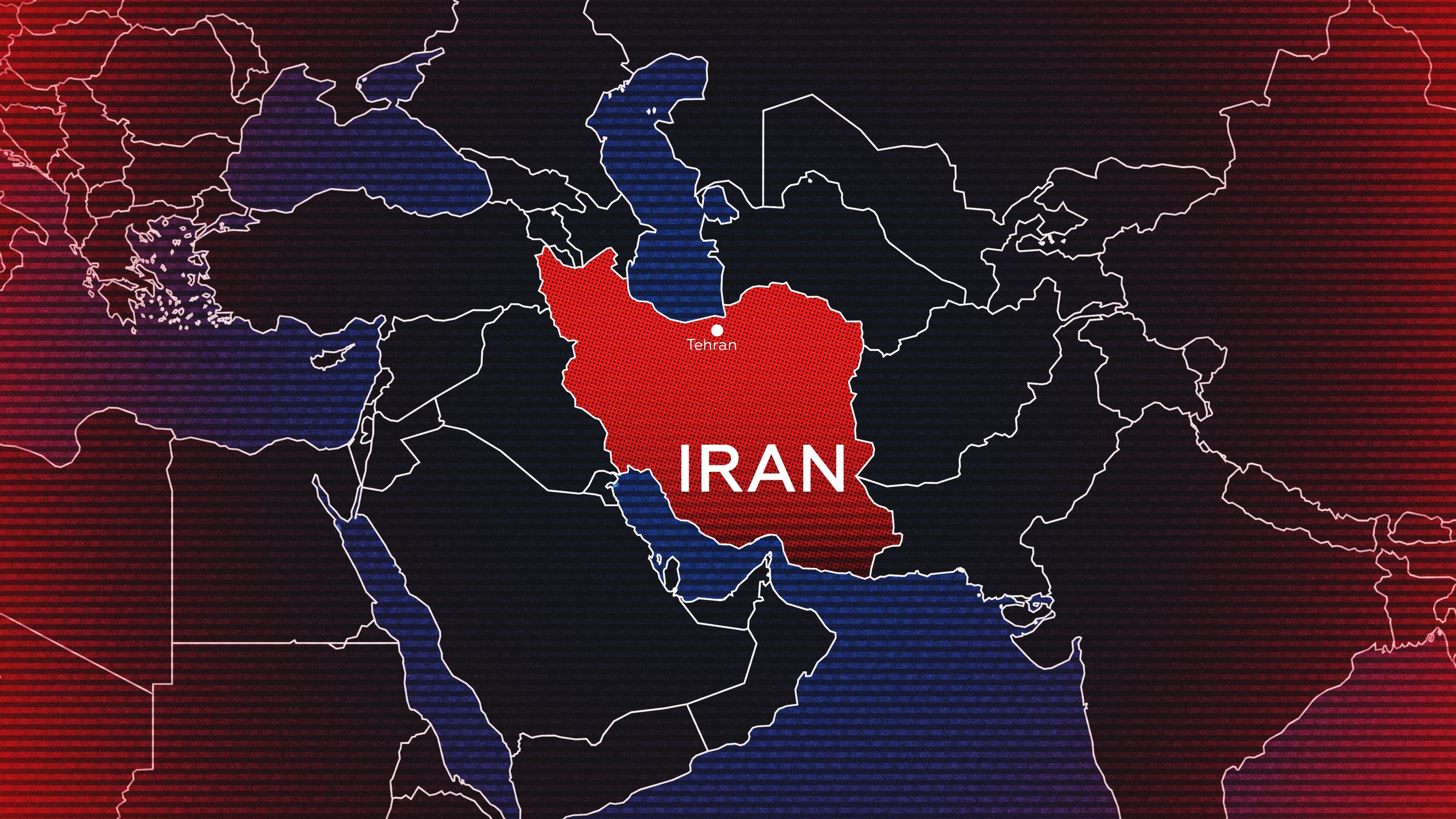
Reuters reported today that the effects of the war in Iran and the broader Middle East conflict have significantly disrupted the supply chain for printed circuit boards (PCBs), a fundamental component in most electrical devices. This disruption will put even more strain on the already-taut electronics manufacturing industry and inevitably lead to higher prices for consumers on phones, laptops, consoles, and other gadgets.
Go deeper with TH Premium: AI shortages
In yet another blow to the broader industry, Iran hit the Jubail petrochemical complex in Saudi Arabia on 7th April, bringing the production of high-purity polypropylene ether (PPE) resin, a critical base material for manufacturing PCB laminate, to a complete stop.
Article continues below
Reuters reports that SABIC (Saudi Basic Industries Corporation), which operates in the Jubail complex and accounts for approximately 70% of the global high-purity PPE supply, has been unable to resume production and supply since the event.
The impact of this strike was almost immediate, as is the reality of supply chains, and has rapidly flowed down to all industries downstream of the facility, leading to severe shortages of the critical material.
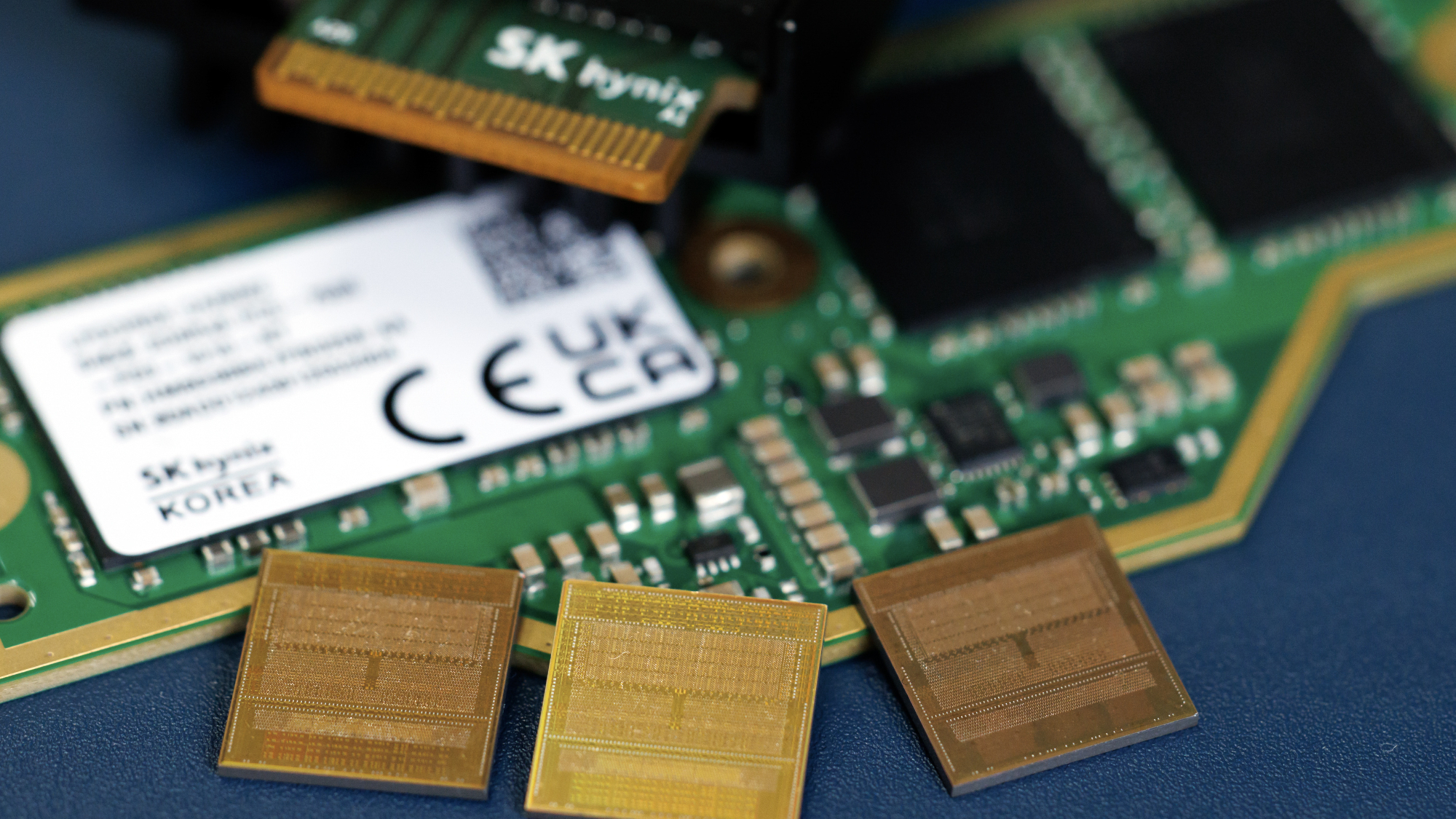
This is not the first time the war in Iran has impacted the global electronic supply chain. Earlier this week, the South China Morning Post reported that major Japanese suppliers of photoresist — a key chip-making chemical — had begun informing customers, such as Samsung and SK Hynix, of disruptions in raw-material procurement. The suppliers cited the scarcity of naphtha, a raw material for making the photoresist, stemming from the conflict, as they rely on the Middle East for more than 40% of their supply.
Attacks on facilities are just one part of the problem. The closure of the Straight of Hormuz, a critical global shipping route, as well as disruptions to the supply and prices of crude oil from Iran, are further exacerbating an already fragile global scenario.
These events highlight the implications of the widespread reliance on a global supply chain. Given the frequency and scale of incidents in today's climate, an increasing number of manufacturers are scrambling to build resilient supply chains through initiatives such as flexible sourcing, reshoring manufacturing operations, strategic buffering, and predictive analytics.
For now, however, consumers are left with the bulk of these disruptions' impact. A naphtha factory gets blown up in Iran, leading to a shortage of photoresist chemicals, then a photoresist shortage, then a reduction in chip production, then chip shortages, and finally, a spike in the prices of your favorite gadgets.
We reported a spike in PS5 prices last month owing to chip shortages. This hike follows price increases in electronics, which we predicted, due to tariff wars among the U.S., China, and Europe.

Follow Tom's Hardware on Google News, or add us as a preferred source, to get our latest news, analysis, & reviews in your feeds.







 English (US) ·