
 2 days ago
3
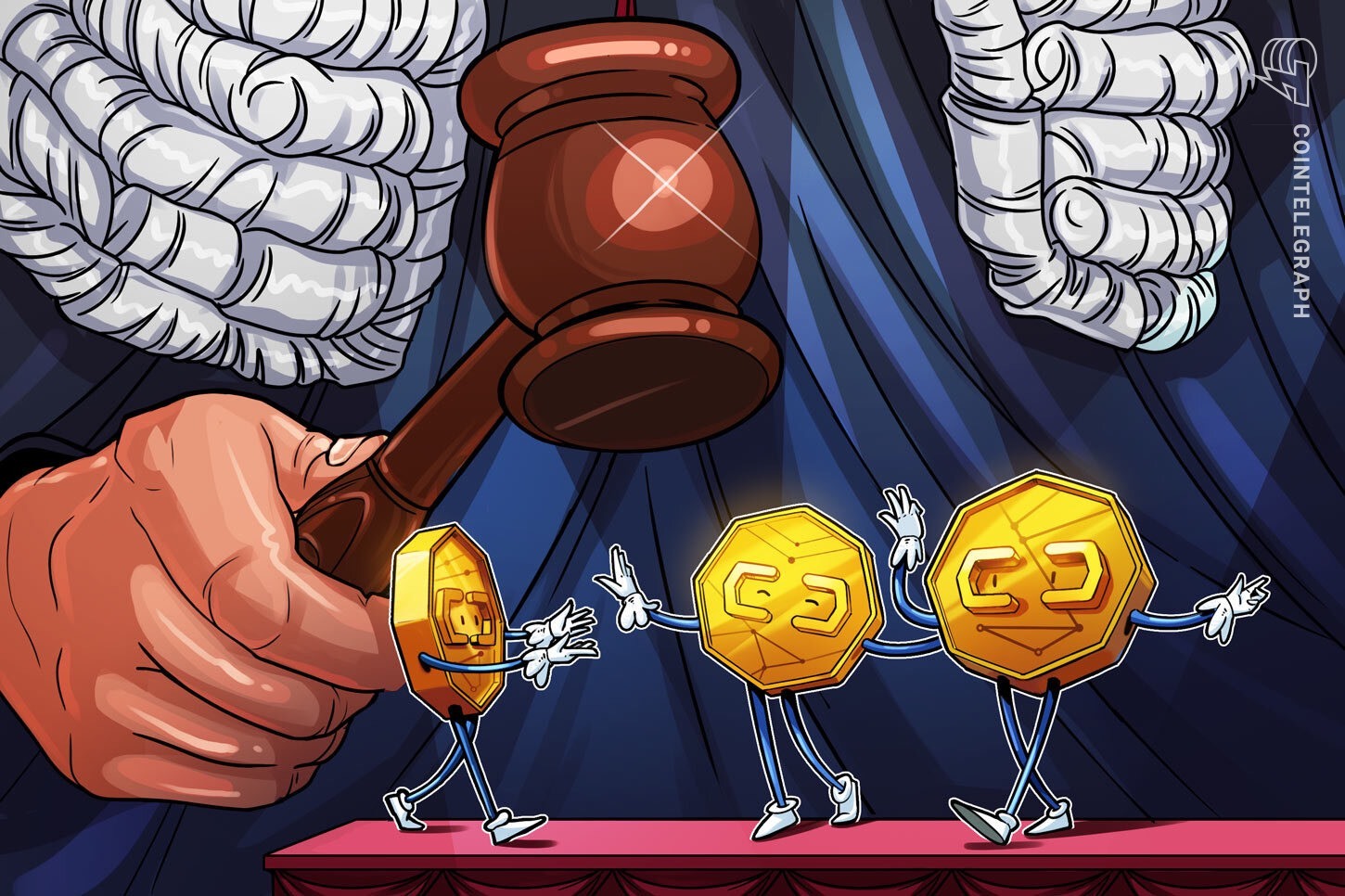
Kazakhstan’s Astana Financial Services Authority (AFSA) has obtained court injunctions against six crypto platforms, barring them from offering or advertising digital asset services in the Astana International Financial Centre (AIFC) without authorization.
Kazakhstan established the AIFC in 2018 to attract international businesses and investment. The hub operates under a special regulatory framework and includes its own financial regulator, stock exchange and dispute-resolution institutions, while supporting sectors ranging from traditional finance to fintech and digital assets.
The injunctions followed claims brought by the AFSA, which the court granted on Sept. 15, 2026. The original order covered seven platforms, but LBank was removed three days later after its operator independently blocked access to its services in Kazakhstan.
The remaining platforms are Coinbase, BingX, Bitcoin.com, Huobi Global (HTX), WEEX, and BitMart.
The court’s decision also applies to Google and Apple, requiring geographic restrictions on access to the affected platforms through their app stores. AFSA said nine platforms voluntarily restricted access to their applications in Kazakhstan, leading it to withdraw claims against those operators.
A further seven platforms have expressed an intention to obtain licenses from AFSA, while access restrictions will be enforced against the six operators still subject to the injunctions.
AFSA CEO Evgeniya Bogdanova said the regulator’s efforts began in 2025 with written warnings to more than 20 crypto platforms about the AIFC’s licensing requirements. In early 2026, AFSA brought proceedings against platforms that continued operating without authorization. Since May, it has coordinated with the National Bank of Kazakhstan to monitor unauthorized activity in the digital asset sector.
The court emphasized that unlicensed crypto services undermine the AIFC’s regulatory framework and create unfair competition for licensed firms, which must pay to comply with anti-money laundering and counter-terrorist financing rules, conduct customer due diligence and meet supervisory requirements.
Disclosure: This article was edited by John Chen. For more information on how we create and review content, see our Editorial Policy.






 English (US) ·