
 4 weeks ago
19
4 weeks ago
19
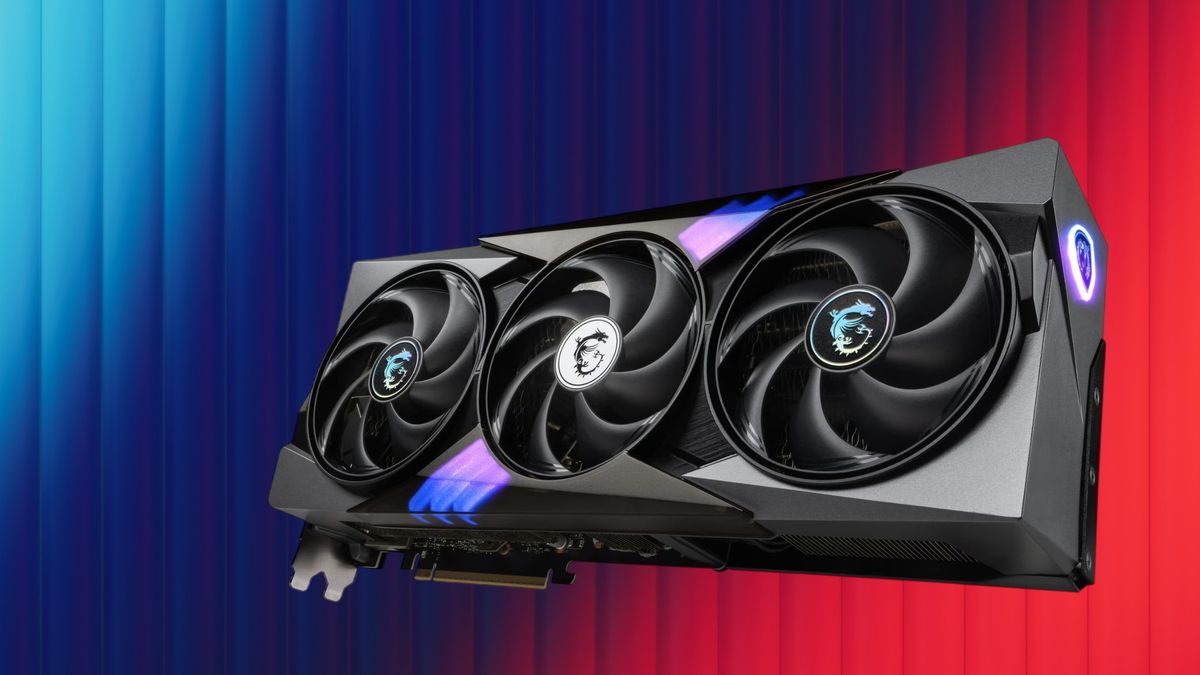
CME Group is turning raw computing power into a tradable commodity. The world’s largest derivatives exchange announced a partnership with Silicon Data to launch two Compute futures contracts that will track the hourly rental costs of Nvidia’s H100 and Blackwell B200 GPUs, giving AI companies a way to hedge against the wild price swings in the GPU rental market.
The contracts are set to debut on October 5, 2026, pending approval from the Commodity Futures Trading Commission. If greenlit, they would represent the first publicly tradable reference prices for AI compute costs.
What these contracts actually do
Each contract will represent one month of GPU rental and trade on the New York Mercantile Exchange. The underlying benchmarks come from Silicon Data’s indexes, which track what it actually costs per hour to rent an H100 or a B200 from cloud and data-center providers.
Two separate contracts cover the two most commercially significant Nvidia architectures. The H100 has been the workhorse GPU for AI training since its release, while the B200 represents Nvidia’s newer Blackwell generation, which has been drawing intense demand from hyperscalers racing to build out inference infrastructure.
The CFTC is currently soliciting public comments on the proposed products, a standard step in the approval process for new derivatives contracts. CME Group and Silicon Data executives have both emphasized the need for transparent pricing in a sector where rental rates have historically been opaque and volatile, often negotiated behind closed doors between cloud providers and their largest customers.
Why compute is the new commodity
For hyperscalers like Microsoft, Google, and Amazon, GPU procurement already resembles the kind of large-scale resource acquisition that commodity markets were designed to manage. These companies commit to massive volumes of compute months or years in advance, and price uncertainty makes long-term financial planning genuinely difficult.
The creation of a public benchmark also addresses a transparency gap. Right now, there’s no standardized way to compare GPU rental prices across providers. Silicon Data’s indexes aim to change that by aggregating real transaction data into a single reference rate, giving buyers and sellers a common language for the first time.
Market implications and what to watch
There are risks worth flagging. Liquidity is the make-or-break factor for any new futures contract. CME Group’s existing infrastructure and relationships with institutional traders give it an advantage here, but early trading volumes will be the real test.
The CFTC approval process also introduces regulatory uncertainty. While compute futures fit cleanly into the exchange’s existing commodity framework, regulators may scrutinize how the underlying indexes are constructed and whether the reference data is robust enough to prevent manipulation. Silicon Data’s methodology will likely face close examination during the public comment period.
Disclosure: This article was edited by Editorial Team. For more information on how we create and review content, see our Editorial Policy.





 English (US) ·